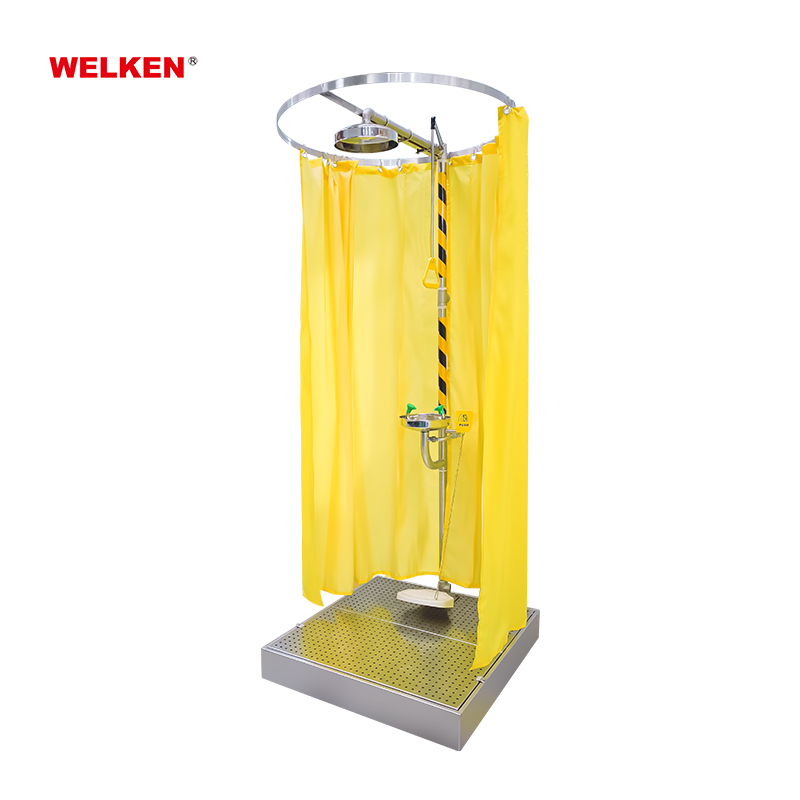
Leave Your Message
In the complex landscape of modern industrial maintenance, the intersection of electrical safety and chemical hazard mitigation is a critical focal point. When discussing a Wall Mounted Eyewash For Electrical Maintenance Circuit Breaker Safety Lockout, we are addressing a highly specialized safety scenario. Traditionally, electrical maintenance focuses heavily on preventing arc flashes, electrocution, and ensuring proper Lockout/Tagout (LOTO) procedures under OSHA 1910.147 standard. However, what is often overlooked is the proximity of these electrical control panels, motor control centers (MCC), and circuit breakers to hazardous chemical processes.
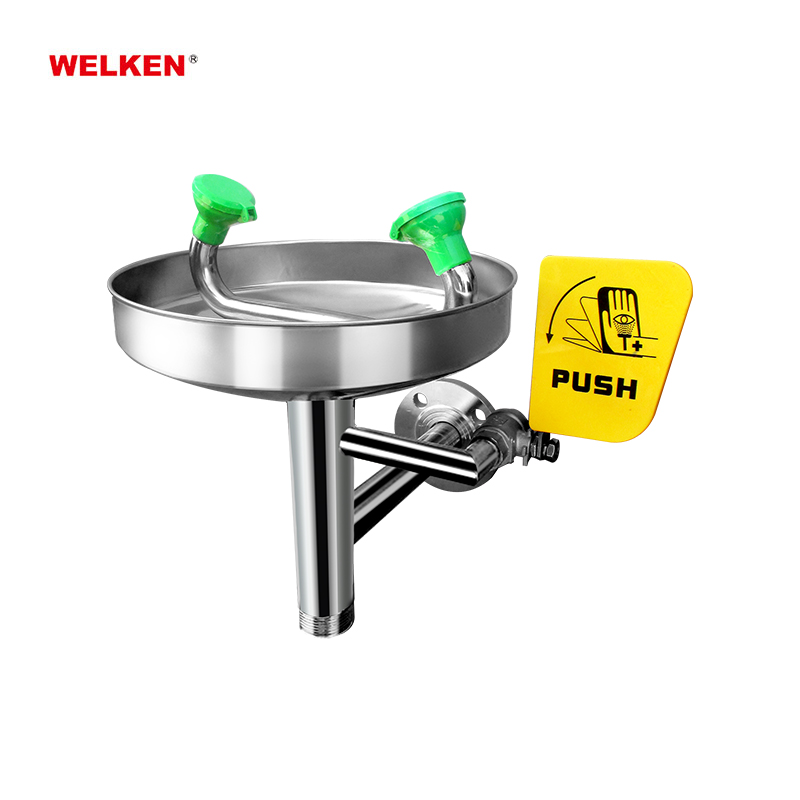
During a circuit breaker safety lockout, maintenance personnel are frequently required to isolate power to pumps, mixers, or pipelines that handle corrosive chemicals, solvents, or battery acids. If an accidental splash occurs during the verification of zero energy state or while servicing the adjacent machinery, immediate access to an ANSI Z358.1 compliant eyewash station becomes a matter of life and sight. The strategic placement of a wall-mounted eyewash near, but safely distanced from, electrical breaker boxes ensures that workers can immediately flush their eyes for the mandated 15 minutes without introducing water into live electrical zones.
The current industrial landscape is witnessing a paradigm shift in how safety equipment is deployed. Historically, safety silos existed: electrical safety managers handled LOTO devices (padlocks, hasps, breaker lockouts), while environmental health and safety (EHS) managers handled emergency showers and eyewashes. Today, comprehensive safety audits demand a unified approach. Industries such as petrochemicals, semiconductor manufacturing, and large-scale data centers are mandating that emergency washing stations be integrated into the architectural planning of electrical maintenance zones.
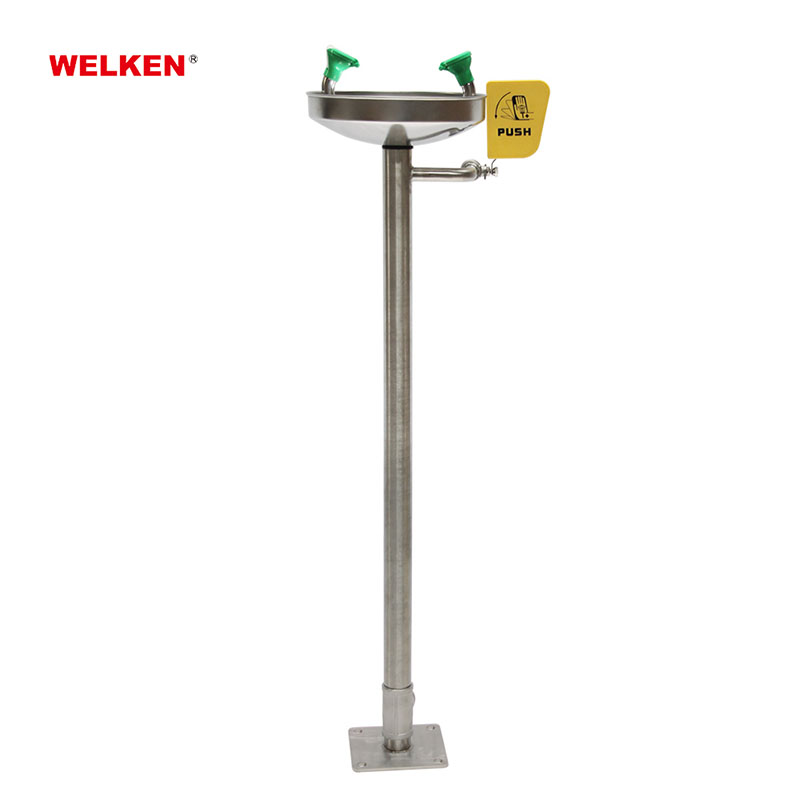
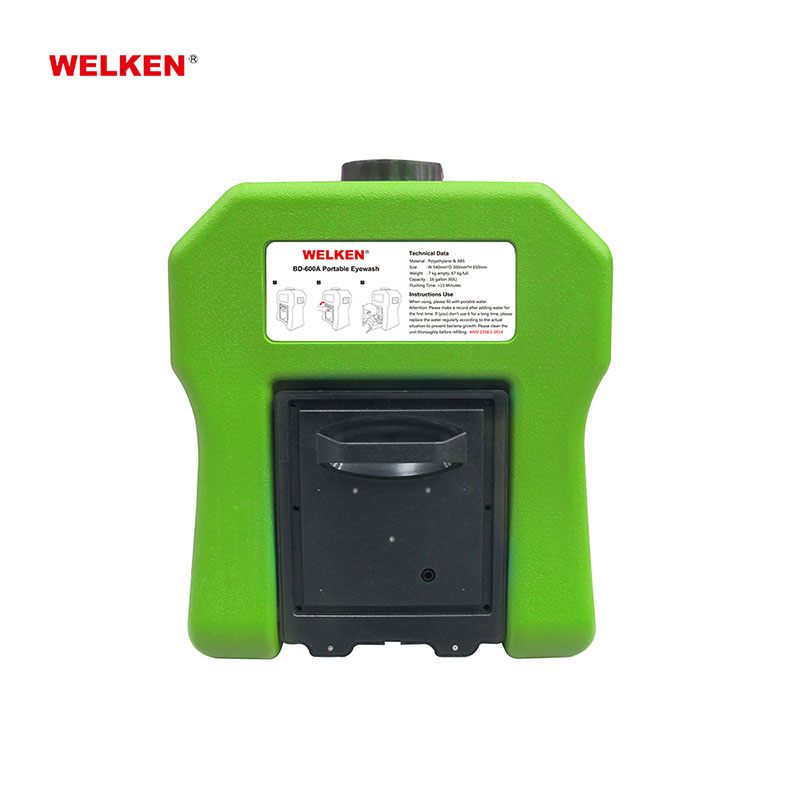
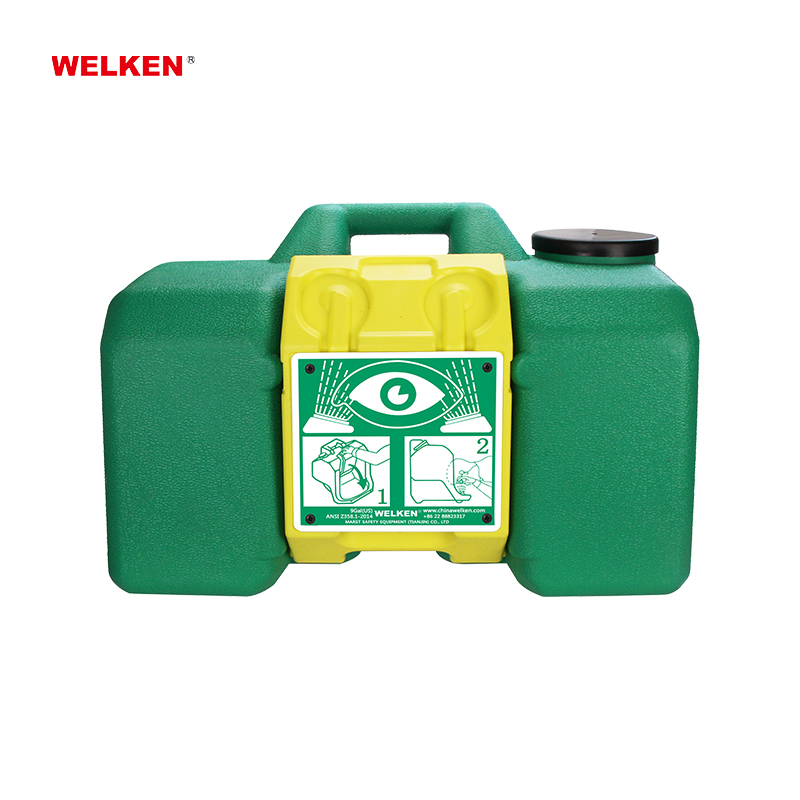
Regulatory compliance is driving this market. OSHA standards strictly dictate that wherever the eyes or body of any person may be exposed to injurious corrosive materials, suitable facilities for quick drenching or flushing must be provided within the work area. When this work area includes electrical panels locked out for maintenance, the choice of a wall-mounted eyewash is optimal. It saves crucial floor space in cramped electrical rooms while providing immediate relief. The demand for stainless steel (like the BD-508A) and high-visibility portable units (like the BD-600A) is surging as facilities upgrade their aging safety infrastructure to meet both ANSI Z358.1-2014 and NFPA 70E (Standard for Electrical Safety in the Workplace) requirements.
Safely position eyewash stations outside the arc flash boundary while keeping them within the 10-second travel time required by ANSI standards during breaker maintenance.
Constructed with premium stainless steel or high-density polyethylene (HDPE) to withstand the harsh environments often found near battery rooms and industrial substations.
Wall-mounted configurations ensure that narrow aisles in Motor Control Centers (MCC) remain clear for safe evacuation and electrical panel accessibility.
At WELKEN, we believe all workers have the right to return home safely. Our journey began in 1998, rooted in a simple, yet profound mission: to manufacture safety equipment that never fails when it matters most.
Over two decades, we grow from a normal factory into a National High-Tech Enterprise. In 2007, we took our first steps into the global market, bringing Chinese manufacturing precision to the world. Today, WELKEN is more than just a brand—it is a trusted shield for personnel in over 70 countries, protecting lives from the oil fields of the Middle East to the rugged mines of South America.
Uninterruptible Power Supply (UPS) systems and large-scale battery storage rooms are the backbone of data centers and modern manufacturing. These rooms contain massive banks of lead-acid or lithium-ion batteries. When an electrical engineer performs a circuit breaker safety lockout to service a battery bank, they are exposed to highly corrosive sulfuric acid or toxic electrolytes. A wall-mounted eyewash station is absolutely mandatory here. The station must be installed in a way that the flushing water drains safely away from the battery terminals to prevent secondary electrical shorts. Portable units like the BD-600A (35L) are also highly effective in auxiliary battery closets where plumbing is unavailable.
In high-voltage environments, maintenance teams frequently execute complex LOTO procedures on massive switchgears. While the primary hazard is electrical, substations often utilize transformer oils, SF6 gas (which can produce toxic byproducts if arced), and industrial cleaning solvents used to degrease electrical contacts. A worker locking out a breaker might accidentally splash degreaser into their eyes. A strategically placed wall-mounted stainless steel eyewash (such as the BD-550E01) provides immediate decontamination. The robust stainless steel construction ensures the unit does not degrade in outdoor or semi-outdoor substation environments.
In chemical processing plants, the Motor Control Center houses the breakers that power chemical pumps and agitators. A strict LOTO procedure is required before any mechanic can open a chemical line. However, the electrician applying the lockout tag at the MCC might also be exposed to ambient chemical vapors, or they might be assisting in the line-break procedure. Having a wall-mounted eyewash right at the transition zone between the electrical safe room and the chemical process area ensures that cross-functional maintenance teams are protected simultaneously from both hazards.
We don’t just manufacture products, we create peace of mind. Our vast expertise lies in a comprehensive unified system where creative design meets industrial compliance. When dealing with critical safety nodes like a Wall Mounted Eyewash for Electrical Maintenance Circuit Breaker Safety Lockout, every valve, nozzle, and activation handle is engineered for instant, fail-safe operation under extreme duress.
The future of occupational safety is intelligent. We are seeing a rapid trend toward integrating IoT (Internet of Things) sensors into wall-mounted eyewash stations. In a scenario involving electrical maintenance circuit breaker safety lockout, an activated eyewash can immediately send an alert to the central EHS control room. This AI-driven monitoring ensures that if a lone worker is splashed with chemicals while locking out a remote breaker, emergency medical teams are dispatched automatically. Furthermore, smart sensors can monitor the tepid water temperature and flow rates, ensuring the equipment is always compliant with ANSI standards without requiring manual weekly checks.
Installing water-based safety equipment near electrical panels requires meticulous planning to avoid catastrophic secondary accidents. The golden rule is to respect the "Arc Flash Boundary" and the "Restricted Approach Boundary." A wall-mounted eyewash should be located on the same level as the hazard, requiring no more than 10 seconds to reach (approximately 55 feet), but it must be positioned so that splashing water or pooling drainage cannot enter the circuit breaker box. Using physical barriers, specialized drainage systems, and highly visible floor markings helps delineate the LOTO safe zone from the emergency flushing zone. Training personnel to keep their eyes open during the 15-minute flush while avoiding contact with any surrounding locked-out machinery is a critical component of modern safety training.
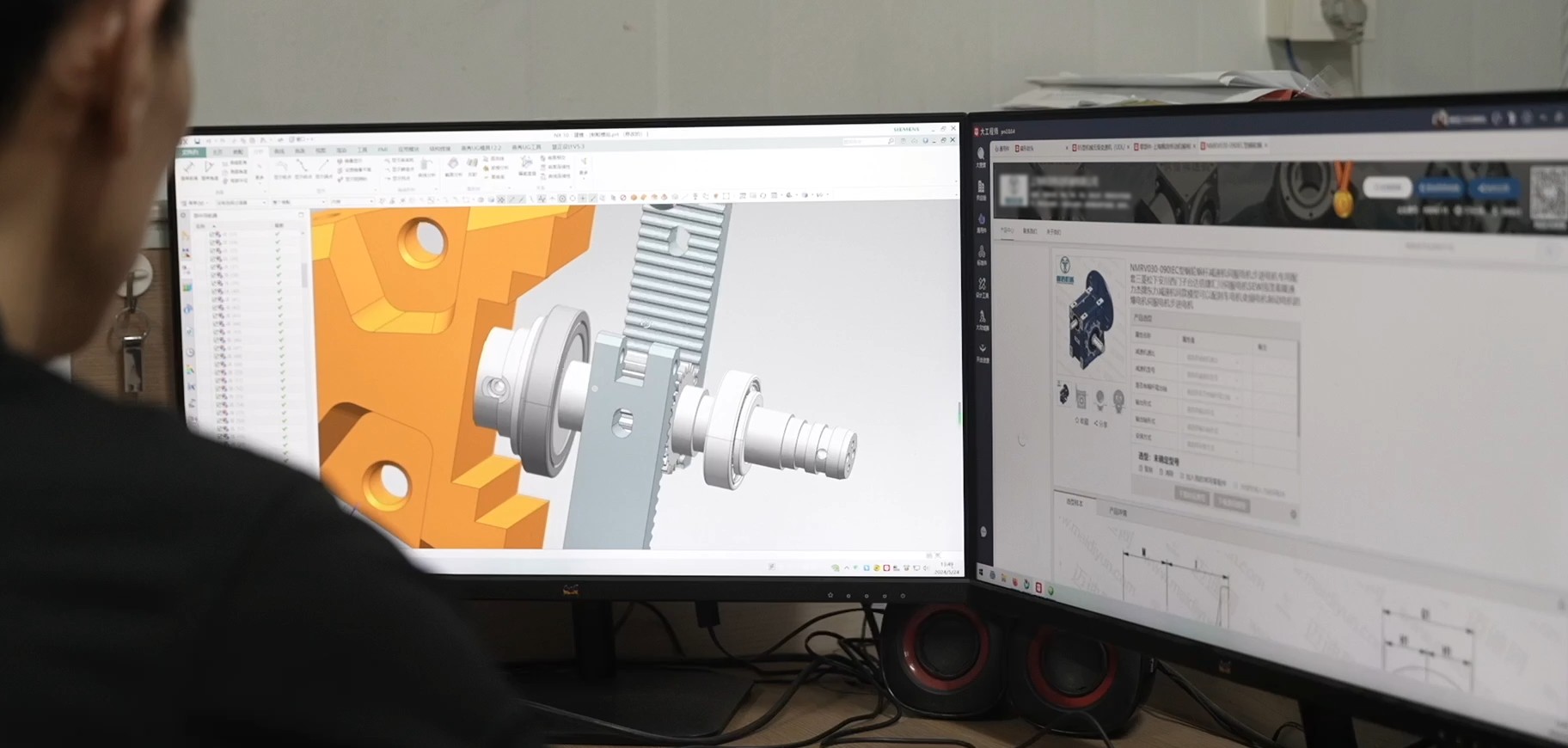
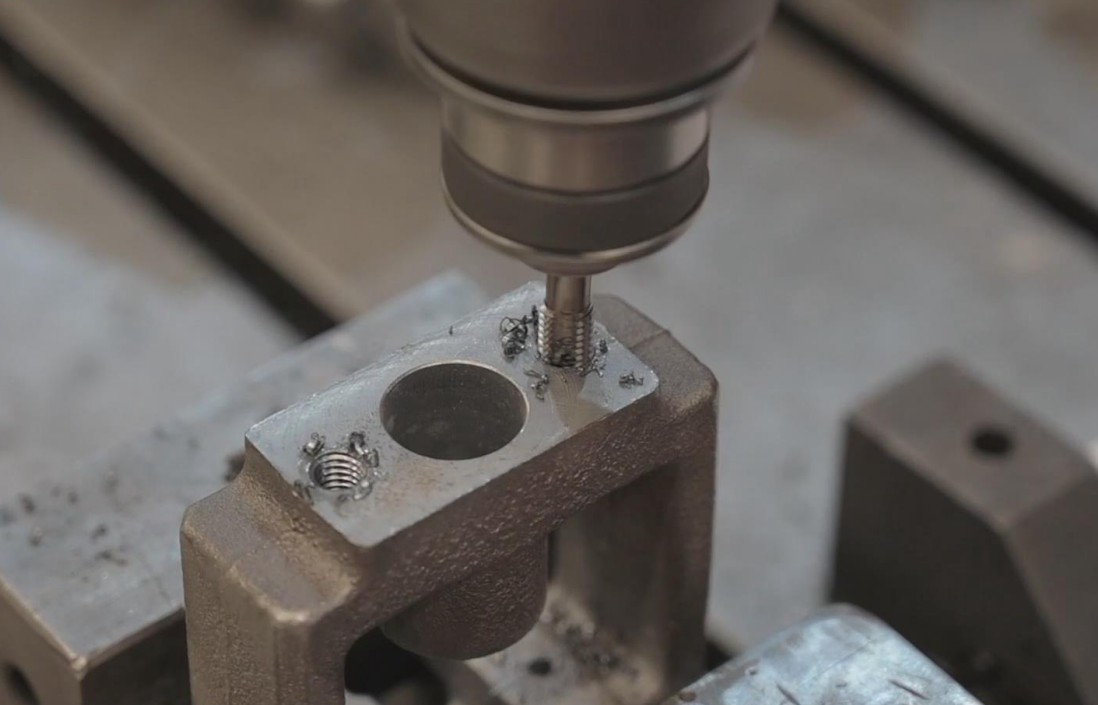
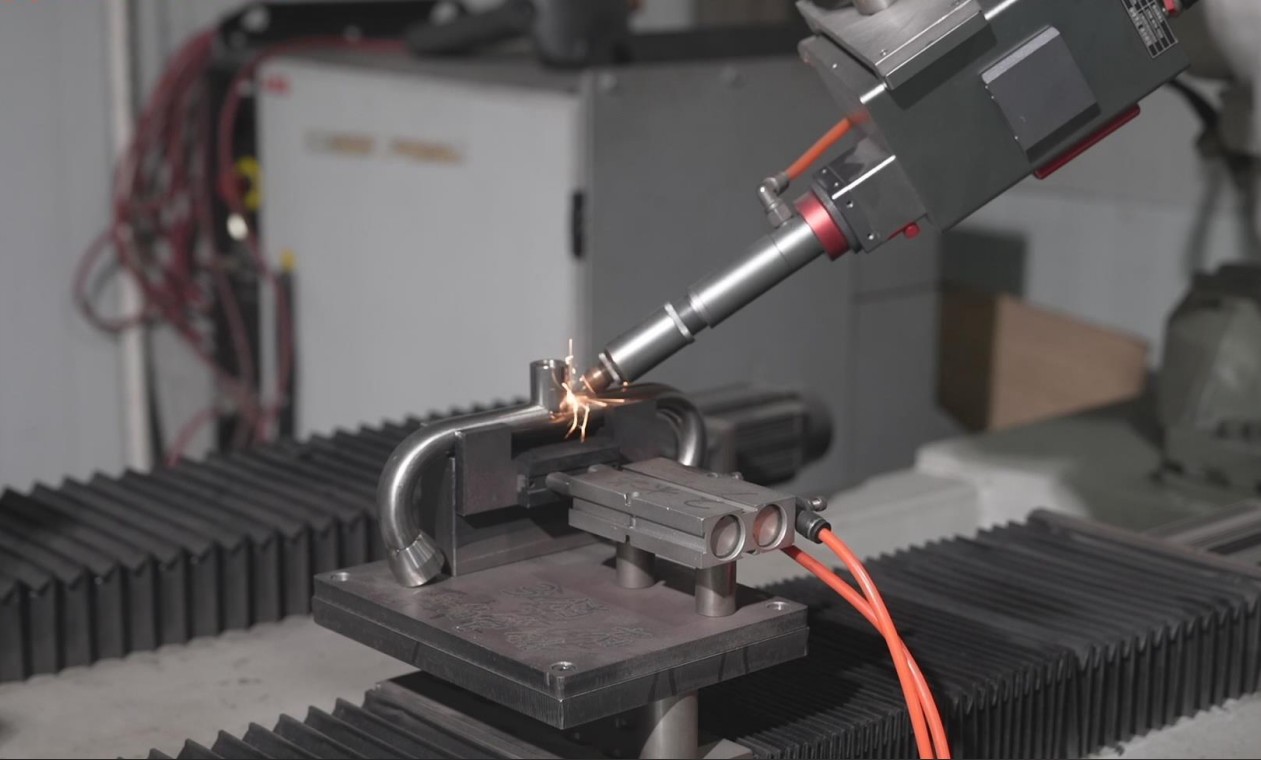
From our specialized mould-making and injection moulding workshops to our advanced CNC machining centers, we are controlling every millimeter of the process. This integration allows us to transform a design into a life-saving equipment with precision. Our technical team is not just experienced; they also bridge the gap between complex safety theories and practical, site-specific applications.
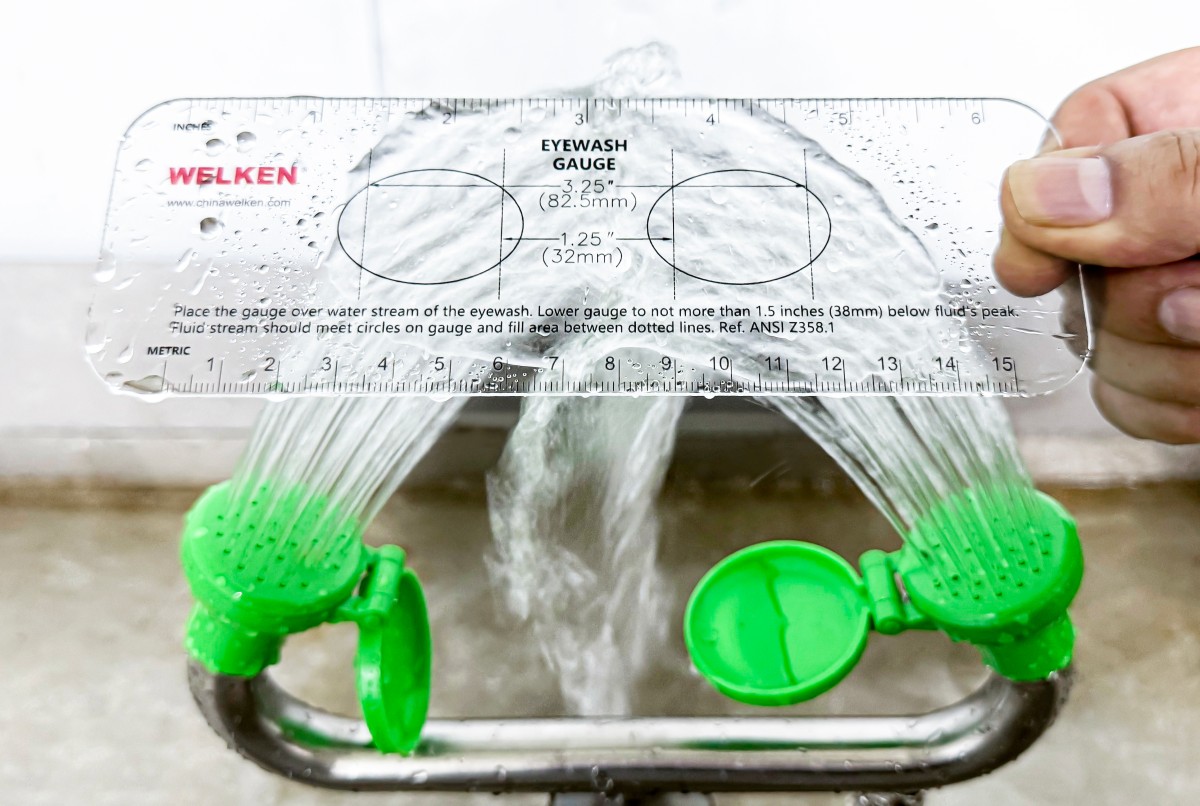
Quality is not a claim, it is a proven fact. Each shower and eye wash station is subjected to pressure, flow, and switch testing to guarantee that it surpasses the ANSI Z358.1-2014 standard before it leaves our factory. This rigorous testing is especially crucial for units deployed in sensitive electrical maintenance and LOTO environments, where reliable flow and tepid water provision are non-negotiable.
Since 2014, WELKEN has been a fixture at the world's leading Occupational Safety exhibitions in A+A Düsseldorf. Our journey doesn't stop in Germany; we actively engage with industry leaders at major occupational health and safety exhibitions across the USA, Mexico, Singapore, Russia, Kazakhstan, Turkey and other countries. We listen to the unique challenges of different markets, allowing us to provide diverse safety solutions rather than just off-the-shelf products. By understanding the intricate relationship between electrical safety lockout tagout (LOTO) and chemical exposure, we continue to engineer wall-mounted eyewash systems that meet the rigorous demands of a global industrial clientele.