
Leave Your Message

Blog

What Are the Top Lockout Kit Types in 2026?

What Are the Top Lockout Kit Types in 2026?

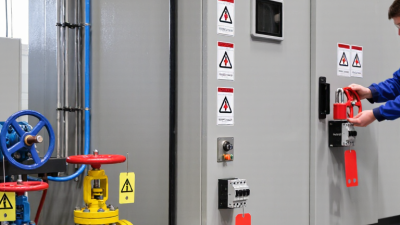
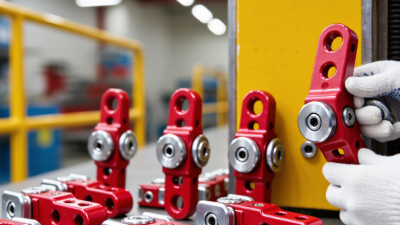
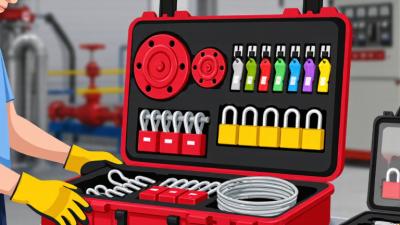
Honestly, a lockout kit is more than just a box of padlocks – it's like a practical system for cutting off hazardous energy when you're servicing equipment. Having the right kit makes a huge difference: it lets a technician quickly match up locks, tags, hasps, and other devices to whatever machines they're dealing with. Take a red valve cover on a pipe, for instance – that solves a totally different problem than a breaker lock on an electrical panel, right? You know, the numbers don't lie—industry data still shows this is a real issue. OSHA's FY 2024 list of the top 10 most cited standards? Yeah, control of hazardous energy made the cut again. That tells you lockout/tagout just keeps popping up as a safety concern. So, OSHA's rule, 29 CFR 1910.147, is pretty clear about what you need to do to manage hazardous energy during servicing and maintenance. But here's the kicker: there's no universal, one-size-fits-all kit you can grab. Nope, you've gotta think about the actual energy sources and tasks at your specific site and pick your equipment accordingly. Todd Conklin, who's a PhD and really knows his stuff when it comes to human performance and safety, dropped this gem: 'Safety isn't about having no accidents; it's about having defenses in place.' So when you're picking out a Lockout Kit, that principle is key. You shouldn't just grab the biggest box of stuff—you need gear that folks can actually find, get to, and use without messing up. That difference? It matters a lot. So, this guide walks you through the different kinds of lockout kits you'll typically come across—electrical, valve, cable, and group ones. It also touches on stuff like how portable they are, whether they'll work with your specific equipment, and if the labels actually make sense. You know, it's funny—a kit can look totally complete sitting on a shelf, but then you're staring at a machine and realize it's missing the one adapter you need. That's a real pain point, and it's worth paying attention to. Instead of just trusting what the box says, it makes way more sense to base your choice on OSHA guidelines and a proper risk assessment for your own site. That's where the real insight is.
Read more »
Sophie By:Sophie - November 11, 2026
Who Is the Best Safety Padlock Manufacturer in China?

Who Is the Best Safety Padlock Manufacturer in China?

So here's the thing about picking a safety padlock manufacturer in China: you've got to start with a pretty down-to-earth question. Sure, the lock might look great in a catalog, but will it actually perform on the machine floor when it matters? A padlock is a small thing, but don't let that fool you. The body, shackle, key system, and even the labels all count when workers are isolating equipment during maintenance. So, the International Labour Organization put out a report in 2023—A Call for Safer and Healthier Working Environments—and honestly, the numbers are pretty staggering. Almost 3 million people die every year from work-related causes, and on top of that, there are roughly 395 million non-fatal injuries. Now, these stats cover workplace risks in general, not lockout devices specifically. But still, they kind of make you think: if the scale of the problem is this big, then safety equipment definitely deserves a closer look. You know, OSHA’s lockout/tagout rule—that's 29 CFR 1910.147—it also lays out some requirements for controlling hazardous energy, but only in workplaces where it actually applies. Honestly, when you're checking out locks, a good manufacturer should be able to show you clear material specs, consistent keying options, documented quality checks, and traceable production records. Don't just take their word for it—ask for sample locks and really look at the details. Does the shackle actually resist corrosion? Is the key easy to tell apart from others? Does the label stay readable after you've handled it a bit? Those little checks tell you a lot more than vague claims like 'premium quality.' And sure, ask for test documentation, but make sure you check what each test actually covers—and whether it applies to the exact model you're buying. Look, a certificate alone doesn't really tell you everything. Neither does a slick factory video. The truth is, the right supplier depends a lot on your site’s equipment, environment, and what you’re actually trying to procure. So in this article, we’re comparing manufacturers based on evidence, not just flashy claims. That said, some details are still tough to verify from afar—and that’s worth keeping in mind.
Read more »
Ethan By:Ethan - November 6, 2026
China Top 10 Eyewash Bottle Station Suppliers?

China Top 10 Eyewash Bottle Station Suppliers?

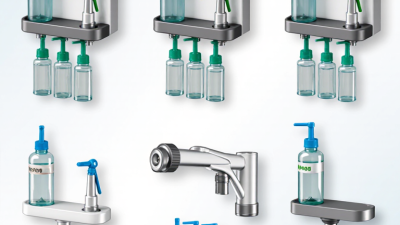
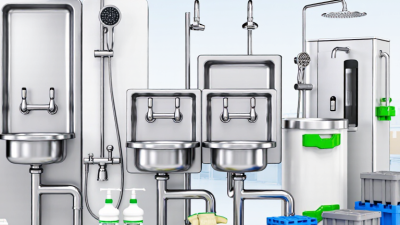
Let’s be real—choosing among China’s top 10 Eyewash Bottle Station suppliers isn’t just about comparing prices or staring at catalog photos. You need a partner who actually knows what they’re doing: real, hands-on manufacturing experience, consistent quality control, a support team that actually gets back to you, and documentation that doesn’t leave you guessing. You know, the International Labour Organization’s 2023 estimates are pretty sobering—around 2.93 million work-related deaths every year, plus another 395 million non-fatal occupational injuries worldwide. Those numbers really make you stop and think. Even if you’re just running a small lab or workshop, this is exactly why emergency response equipment shouldn’t be an afterthought. It deserves a proper look, honestly. Honestly, standards matter—probably more than we like to think. OSHA's 29 CFR 1910.151(c) is pretty direct: you need suitable facilities to quickly flush hazardous substances from your eyes and body. And then there's ANSI/ISEA Z358.1-2014, which goes into a lot more detail about eyewash performance, accessibility, flow, and testing. So in this piece, I'll be comparing ten suppliers from China using those practical criteria. When we're checking out a product, we tend to obsess over the little things—like how varied the range is, bottle capacity, whether you can actually get replacements, what materials they're using, certifications, their export track record, and honestly, how responsive customer service is. And yeah, small details really do matter. Just because a bottle is sealed doesn't mean it's automatically a reliable eyewash station. Things like the cap, nozzle, wall bracket, expiry label, and even the operating instructions can make or break it in a real emergency. Sure, market reports from Grand View Research and other industrial safety studies show there's steady demand for workplace safety equipment, but that growth doesn't prove every supplier is dependable. Worth remembering, right? A slick website can still hide lousy after-sales support or inconsistent batches. So yeah, this ranking is a solid place to begin—not the final word on what to buy. Before you place an order, definitely double-check current certs, run some sample tests, look into production records, and make sure you know the local installation rules. And honestly, even this review can’t keep up with every shift happening on factory floors. That’s a real limitation, and I don’t think we should just gloss over it.
Read more »
Ethan By:Ethan - November 1, 2026
10 Best Safety Tags for Workplace Safety in 2026

10 Best Safety Tags for Workplace Safety in 2026

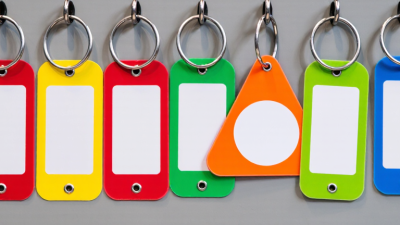
Honestly, Safety Tags are pretty small—but their message? It can really shape what happens around a machine, panel, or work area. A clear tag does more than you'd think: it flags hazards, shows whether equipment is good to go, and makes instructions way easier to spot when you're already running around. A faded label or a weak attachment, though? That can easily do the opposite. So yeah, details matter. So, you're looking for the best safety tags for 2026? I've put together this rundown of the top 10, and honestly, what really matters isn't the flashy marketing stuff—it's the practical details. We're talking readable text, high contrast, materials that won't fall apart, attachments that actually hold, and enough room to jot down site-specific info. Think about it: a tag hanging next to a locked control panel, getting dusty, bumped by gloves, and checked over and over. It's gotta stay legible in real life, not just in a slick product photo. That's the real deal, you know? Honestly, the right tag really depends on the situation you're dealing with. Some workplaces need something that can handle a bit of moisture or rough handling, while others just need a clear spot to write on or colors that really pop. But here's the thing—no tag is ever going to replace proper training or a solid hazard assessment. I've seen even the best-designed tags get completely ignored when people are in a hurry. That's something worth keeping in mind. Anyway, the options we've rounded up below are meant to help safety folks, maintenance crews, and buyers compare what's out there, keeping those real-world limits in mind. So, before you roll out any product for everyone to use, you really should take a look at its specs and give it a spin in the actual workspace – see how readable it is where people will actually encounter it. A simple tag might sound like a quick fix, but it only helps if the message is super clear and folks know exactly what they need to do next. I mean, that's the whole point, right?
Read more »
Ethan By:Ethan - October 29, 2026
How to Choose the Best Safety Padlock for Your Business?

How to Choose the Best Safety Padlock for Your Business?

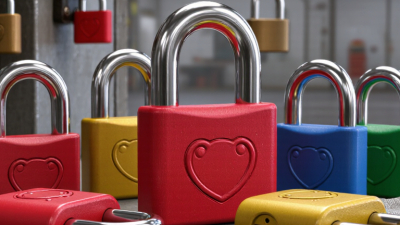
Picking the right Safety Padlock? Honestly, it’s not just a small purchasing decision. It can affect your energy-control procedures, how visible workers are, and who’s accountable day to day. And think about it—a padlock hanging beside a noisy machine still has to be easy to spot, tough enough to last, and simple to use even with gloves on. So Dr. David Michaels—former Assistant Secretary of Labor for Occupational Safety and Health—put it pretty simply: “A safety procedure works only when people can follow it in practice.” And honestly, that’s the mindset you want when you’re choosing any Safety Padlock. Stuff like color, key control, shackle material, body strength, and environmental resistance? It all matters. A red nylon lock might be just right for an indoor electrical cabinet, while a stainless-steel model will probably hold up better in washdown areas or outdoor exposure. Details matter. I mean, they really do. That’s why experienced safety teams don’t just rely on what the product says — they watch how workers actually use their locks. Do people carry them through tight aisles? Can a supervisor tell who owns one from a few meters away? And what about the key mechanism — does it start jamming after dust, oil, or just repeated handling? Product claims alone can’t answer any of that. Field trials can. So you've got companies like Master Lock, Brady Corporation, and ABUS making all kinds of designs. But here's the thing: no single brand just magically works for every workplace. Yeah, that's a tough pill to swallow. Even a pricey lock can still flop if its dimensions don't match up with an isolation point—or if its color system leaves employees scratching their heads. So, this guide is all about those practical decisions. We'll look at things like workplace hazards, lockout procedures, climate, maintenance, and staff training. And no, the point isn't to find the flashiest Safety Padlock. It's to pick one that workers can recognize, trust, and actually use correctly—every single time.
Read more »
Lila By:Lila - October 24, 2026
How to Choose the Right Scaffolding Tag?

How to Choose the Right Scaffolding Tag?

Choosing the right scaffolding tag is a practical decision, not a simple color selection. A Schaffolding Tag should communicate whether a scaffold is ready, restricted, or awaiting inspection. It must be clear from ground level. Workers should understand it within seconds. Experienced site teams examine the scaffold before relying on its tag. They check the base plates, platforms, guardrails, access points, braces, and connections. They also consider recent changes, strong winds, dropped materials, and nearby construction activity. A tag may look correct, yet the structure may have changed after inspection. That detail is easy to miss. Tag colors and meanings can differ between sites, suppliers, and safety systems. Never assume that a green tag always means unrestricted use. Confirm the site procedure, manufacturer guidance, and applicable local requirements. The inspection date, inspector’s name, scaffold identification, and load information should remain readable. Faded ink is a small warning. A reliable tagging process needs competent inspection and consistent records. Supervisors should remove or update tags when a scaffold is altered, damaged, or exposed to unusual conditions. Workers should stop and report uncertainty rather than guess. That habit protects everyone. No tag can repair a weak scaffold. This guide explores how to compare tag types, verify their information, and match them with actual site conditions. It also considers a common weakness: teams may trust the tag more than the inspection behind it. Good practice requires both.
Read more »
Ethan By:Ethan - October 20, 2026
Best Safety Eye Wash Suppliers in China How to Choose?

Best Safety Eye Wash Suppliers in China How to Choose?

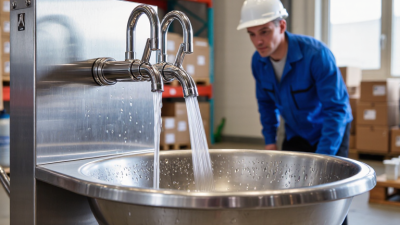
Look, picking the best Safety Eye Wash supplier in China isn't just about comparing prices and pretty product photos. In a real workshop, an emergency unit has to react fast, keep a steady water pattern going, and still work when people are stressed. A bad bowl design, a weak spray, or a clogged nozzle? That can cost serious time. And honestly, those details are really easy to miss when you're buying online. Reliable suppliers tend to give you the full picture: technical specs, factory photos, quality records, and clear installation guidance. You want companies that can show real manufacturing experience, stable export service, and testing for flow, materials, drainage, and corrosion resistance. Stainless steel can be a good fit for chemical plants, labs, and outdoor production areas. ABS models can work well in controlled indoor spaces. But material choice should match the actual workplace—not just the lowest quote. A professional supplier should walk you through maintenance intervals and replacement parts before you sign anything. Ask how the Safety Eye Wash holds up after long storage, low temperatures, or repeated use. Request samples when you can. A sample usually tells you more than a shiny catalog. Check the spray height, activation handle, bowl depth, weld quality, and water connections by hand. Some buyers get a little too focused on certifications. That's understandable, but certificates alone can't prove dependable daily performance. Factory audits, user feedback, and responsive after-sales support matter too. Suppliers like Ningbo Bestway Sanitary Ware and Shanghai J&J may come up during your research, but every claim still deserves verification. No supplier is perfect. Careful comparison can help you catch weak assumptions before they turn into expensive mistakes.
Read more »
Lila By:Lila - October 14, 2026
What Is an Industrial Lockout Device and How Does It Work?

What Is an Industrial Lockout Device and How Does It Work?

Industrial Lockout Devices are there to keep machines from kicking on while someone’s inspecting, cleaning, or repairing them. Basically, they isolate hazardous energy—electricity, compressed air, hydraulic pressure, steam, and stored mechanical force. A typical setup? A lockout hasp, safety padlock, valve cover, circuit-breaker lock, and warning tag. Together, these pieces turn an invisible hazard into something you can actually see and respect. The need here isn’t just theoretical. OSHA says effective lockout/tagout procedures can prevent around 120 fatalities and 50,000 injuries every year. Its Control of Hazardous Energy standard, 29 CFR 1910.147, requires employers to set up energy-control procedures, train affected workers, and verify isolation before servicing starts. ISO 14118:2017 also deals with preventing unexpected machinery start-up. The takeaway is pretty simple: isolation has to be confirmed, not assumed. A trained technician will usually find every energy source, shut the equipment down, isolate each source, and put on a personal lock and tag. Then stored energy gets released or restrained. The tech tests the controls and confirms a zero-energy state. Only after that should work move forward. And small details matter a lot. A faded tag, the wrong breaker, or a forgotten pneumatic line can undo an otherwise careful procedure. That’s where real workplace experience comes in. Devices need to match the machine, the environment, and the type of energy involved. They also need inspection and consistent, disciplined use. This guide walks through what Industrial Lockout Devices are, how they work, and where common implementation weaknesses deserve a second look. Safety systems are powerful—but they’re never automatic.
Read more »
Lila By:Lila - October 11, 2026
China Top 10 Eye Wash Suppliers for Global Buyers

China Top 10 Eye Wash Suppliers for Global Buyers

So you're looking for the right Eye Wash supplier in China? It's not just about price tags or pretty product pics. Buyers worldwide need gear they can rely on, paperwork that's clear, and suppliers who actually get workplace safety rules. That's where this guide, 'China Top 10 Eye Wash Suppliers for Global Buyers,' comes in. It highlights manufacturers with real production experience, export know-how, and hands-on product knowledge. We look at emergency eyewash stations, combo units, portable bottles, and other safety gear. Also material quality, spray performance, drainage, packaging, customization, and after-sales support. The little things count. A stainless steel bowl? It should hold up against corrosion. A pull rod? It should work smoothly even if you're wearing gloves. And product testing plus factory QC should be explained clearly, not just claimed. The companies picked here might work with labs, factories, construction sites, schools, and chemical plants. Their international order experience can help with specs, shipping docs, installation advice, and replacement parts. Still, no supplier is perfect. Rankings can oversimplify things, because every buyer's needs are different. So check certifications, test reports, production capacity, and current compliance yourself. Real buying decisions often come down to small stuff. Can the supplier give you a clear flow-rate spec? Is the packaging tough enough for long-distance shipping? Does the sales team actually answer technical questions correctly? Those questions help you tell dependable partners from fly-by-night sellers. The overview below is a practical starting point. But please do your own homework too: site inspections, samples, and confirming requirements with qualified safety pros before you order.
Read more »
Ethan By:Ethan - October 8, 2026
How to Choose Emergency Eyewash Equipment for Global Buyers?

How to Choose Emergency Eyewash Equipment for Global Buyers?

Picking out emergency eyewash equipment for global facilities isn’t just about comparing prices or glancing at product photos—there’s a lot more to consider. You really need to think about the specific hazards at your workplace, how the equipment will be installed, what kind of ongoing maintenance it might need, and what safety standards are expected locally. For example, a lab might call for a plumbed eyewash station, while somewhere remote like a warehouse might be better off with a sturdy, self-contained unit. The key is starting with a realistic assessment of the actual risks involved. Most experienced safety managers will look into how well the eyewash flushes, check the water temperature, how fast it activates, and the design of the bowl. They’ll also make sure there’s enough space to access it easily. On top of that, they'll review what materials are used, how resistant it is to corrosion, drainage features, availability of spare parts, and support from the supplier. Sometimes, certifications like ANSI/ISEA Z358.1 or EN 15154 can help simplify the technical evaluation, but don’t just take those marks at face value—they should be verified because they don’t automatically mean the product is suitable for every country or workplace. Details really do matter here. If you’re buying, ask for test records, clear installation instructions, maintenance schedules, and straightforward warranty info. A good supplier will also be able to tell you how their equipment holds up under local water pressure, climate conditions, and daily use. It’s also super helpful if they offer practical training—showing your team how to inspect the equipment regularly and perform weekly activation checks. Little problems, if left unchecked, can turn into big issues—like blocked access, frozen pipes, bad drainage, or missing spare parts—so proactive measures are a must. Honestly, no selection process is foolproof. Sometimes product brochures leave out important limitations or specifics, so don’t hesitate to ask questions about anything that seems unclear. It’s a good idea to bring in qualified safety pros for help before making a final decision. Doing your homework means you’ll more likely pick eyewash stations that are accessible, reliable, and easy to maintain when they’re needed most. Remember, safety isn’t just about having the right gear—it’s about designing and installing it properly, performing regular tests, and fostering a workplace culture that treats emergency readiness as a daily priority.
Read more »
Sophie By:Sophie - October 4, 2026
Top 10 Plug Valve Lockout Device Types for Global Buyers?

Top 10 Plug Valve Lockout Device Types for Global Buyers?

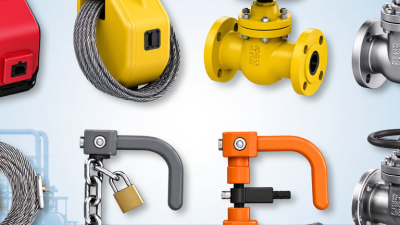
For buyers around the world, a Plug Valve Lockout Device isn’t just a plastic cover thrown over a valve. It’s really a clear barrier that keeps stored energy away from anyone operating the equipment. OSHA’s standard on controlling hazardous energy—29 CFR 1910.147—is still the main reference point here. When OSHA talks about lockout/tagout procedures, they mention that following proper protocols can prevent roughly 120 deaths and 50,000 injuries every year. In fact, the U.S. Bureau of Labor Statistics reported over 5,200 fatal work-related injuries in 2023. That really puts the importance of choosing the right device into perspective—so, it’s about making sure the device actually fits the valve, not just looking like it does. It’s gotta work properly, not just look compliant at first glance. This guide walks through ten common types of lockout devices. We’re talking about different sizes and styles for quarter-turn, rising-stem, flanged, and even some specialty plug valves. We look at adjustable covers, universal lockouts, cable systems, chain setups, handle clamps, and custom-made enclosures. Plus, we check important stuff like whether the lockout aligns with the lock-hole, how much space the jaw has, if it can stand up to corrosion, handle extremes of temperature, and if the tag remains visible. HSE’s HSG253, which covers safe isolation of plant and equipment, really emphasizes the importance of verified isolation, controlled release, and clear labels. You’ll also find useful guidance in API 6D and ASME B16.34, which give additional insight into valve design and pressure boundaries—helpful when choosing the right gear based on actual field conditions. Say, in a refinery, you might need a stainless steel cable wrapped around a busy actuator. At a water treatment plant, a small, simple clamp for a handwheel might do the trick. It’s those little details that matter—material compatibility, who’s allowed to access the device, and emergency procedures can all tilt the decision one way or another. There’s no one-size-fits-all answer, and not every claim can be taken at face value—especially for extreme temperatures or corrosive environments. Buyers should really compare drawings, look at test results, and ensure their suppliers can trace the products back to the source before making a decision. Doing your homework turns a simple catalog pick into a safer and smarter purchase.
Read more »
Lila By:Lila - September 29, 2026
China Top Lockout Hasps Manufacturers for Global Buyers

China Top Lockout Hasps Manufacturers for Global Buyers

When it comes to global buyers looking for China-based Lockout Hasps, you can't just focus on price and delivery times. A good hasp needs to fit the lock perfectly, handle being used repeatedly, and stay clear enough to read even in a bustling maintenance area. Imagine a technician working on a machine next to a noisy production line — a loose hinge or a locking hole that's too tight can turn what should be a quick job into a frustrating delay. It’s the little details that really matter. Now, let’s talk about the risks involved. According to OSHA, proper lockout/tagout procedures prevent roughly 120 deaths and 50,000 injuries every year in the U.S. Their standard, 29 CFR 1910.147, lays out what’s needed to control dangerous energy during maintenance or repairs. While these stats aren’t a worldwide forecast, they do highlight why buyers need to pay close attention to the materials used, dimensions, quality of workmanship, and inspection records — not just what the catalog promises. So, it’s a good idea to ask manufacturers for detailed specs and some real product samples. And hey, if someone quotes a specific expert or source, make sure to verify it before you share or publish. Since no particular quote was included here, it’s best not to attribute it to anyone inaccurately. That's just good practice. Instead, this guide leans on OSHA’s official data and standards. When comparing Lockout Hasps suppliers from China, it’s smart to look at things like their product selection, customization options, quality control processes, and how ready they are to export. Remember, no single checklist will tell you exactly which supplier is right — always double-check their specs against your own equipment needs and procedures.
Read more »
Sophie By:Sophie - September 26, 2026
10 Best Chemical Eyewash Stations for Global Buyers

10 Best Chemical Eyewash Stations for Global Buyers

Picking out the right Chemical Eyewash station isn’t as simple as just comparing prices or looking at product pictures. For folks shopping world-wide, there are a bunch of factors to keep in mind—like the risk of chemical exposure, how the workplace is laid out, water quality, the local climate, and how much maintenance you’re willing to do. For example, a cozy lab might just need a small, wall-mounted unit, whereas a busy processing plant could require a sturdy stainless-steel combo station with a safety shower nearby. Tiny details really matter here – a weak spray pattern, a drain that gets blocked, or a frozen water line could make all the difference when seconds count in an emergency. This guide walks you through ten different Chemical Eyewash stations tailored for various industrial or lab settings. We look at how well they flush, their bowl design, activation mechanisms, materials used, what’s needed to install them, and how easy it is to get replacement parts. Brands like Haws, Bradley, Guardian Equipment, and Speakman are pretty well-known, and their products can be a good starting point. But honestly, just choosing based on brand name isn’t enough. You really need to double-check the latest specs, look for independent test results, read the installation instructions, and see if they meet your regional standards. Standards like ANSI/ISEA Z358.1 and EN 15154 are helpful guides, but it’s also smart to consult with local authorities or safety professionals—because every site is different. No single station is perfect for every situation, that’s something people often overlook. For instance, something that works great inside a warm lab might not hold up outdoors in harsh mining conditions. Factors like temperature, resistance to corrosion, and routine inspections deserve just as much thought as how the station works in theory. In the end, your choice should really be based on a solid risk assessment and advice from qualified safety experts. Sure, this may take a little more time upfront, but it’s worth it—because it means fewer mistakes when making a purchase and having confidence that your emergency gear is reliable when it really matters.
Read more »
Sophie By:Sophie - September 21, 2026
2026 Top Chemical Eyewash Types for Global Buyers

2026 Top Chemical Eyewash Types for Global Buyers

Choosing the right Chemical Eyewash isn't just about picking something off a catalog—it's a practical safety decision, really. When you're out shopping for these units globally, you’ve gotta compare how well they flush, how easy they are to install, what kind of maintenance they need, and how accessible they are for users. Honestly, the best one is the one your workers can find quickly, activate without hassle, and actually trust in a stressful emergency situation. This guide looks at the 2026 chemical eyewash market through four main types: plumbed eyewash stations, portable units, self-contained systems, and combo emergency showers. Each one fits different workplace setups. For example, a busy lab might need a compact wall-mounted station, while a remote processing area could require a portable unit with protected fluid storage. And in high-risk production zones, you might need an integrated shower and eyewash combo—which makes total sense. Dr. David Michaels, who used to be OSHA’s Assistant Secretary of Labor, once said, “Worker protection must be based on evidence, not assumptions.” And honestly, that’s a key point here. You can’t just rely on product labels to say they’re suitable. You really need to dig into details like how long they flush, flow control options, water quality, temperature controls, inspection records, and spare parts availability. Little things really matter. A blocked access path can delay a quick response, and an expired preservative could undermine confidence in the unit. Even if a station looks good on paper, if it’s poorly positioned, it might satisfy a checklist but fail when it counts most. Sometimes, those small oversights make all the difference. This article compares the top chemical eyewash options for international buyers in 2026. We also look at different regional standards, workplace layouts, climate factors, and after-sales support. Every market has its quirks, so it’s essential to do a proper safety assessment. And don’t forget: the product you choose should be thoroughly documented, tested, and reviewed once installed—it’s all about making sure it will do its job when it really matters.
Read more »
Sophie By:Sophie - September 18, 2026
How to Choose the Right Eyewash Kit for Your Workplace

How to Choose the Right Eyewash Kit for Your Workplace

Picking out the right Eyewash Kit isn’t just a quick shopping decision – it’s a smart, practical move for your workplace. You really gotta think about what stuff you deal with, where you work, and how fast folks need to respond. For example, a small lab might just need some sealed, sterile bottles right next to a bench, while a bigger manufacturing area could call for a plumbed-in station that’s easy to access and provides a steady flow of solution. The little details matter a lot here. This guide is based on real safety practices, manufacturer recommendations, and advice from qualified safety pros. It walks you through how to compare portable and fixed systems, check if the solution’s still good to use, and consider things like temperature, visibility, and maintenance. A good eyewash station should be easy to get to in seconds—think about someone in gloves or protective gear needing quick access. It also needs to support effective flushing for the time specified by the manufacturer and safety guidelines. But hey, don’t be lulled into thinking a clean-looking cabinet means it’s ready. Expired fluid, blocked access, bad signage, or an empty log book can totally undermine your safety efforts. Sometimes, folks pick a kit because it’s convenient instead of the most suitable option — that’s something to really think about. Regular checks, keeping records, staff practicing how to use it, and a solid plan for replacements all help ensure your eyewash station stays reliable when you need it. Before making a final call, it’s a good idea to review the latest product info and chat with qualified safety experts. Remember, having the right eyewash kit ready to go is crucial for quick action, but it’s not a substitute for prevention, proper training, and good personal protective equipment. Safety is all about being prepared, not just having the right gear on paper.
Read more »
Ethan By:Ethan - September 13, 2026