



Leave Your Message
Engineered with premium stainless steel for robust corrosion resistance and immediate response.
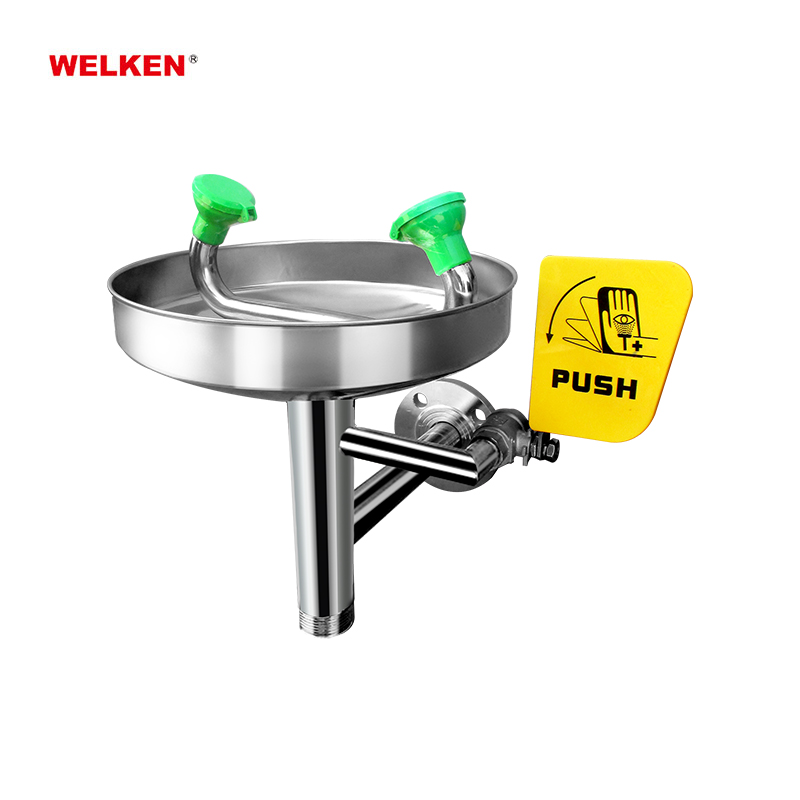
Compact wall-mounted design, ideal for tight spaces near critical chemical dosing valves. Constructed from durable 304 stainless steel.
View Details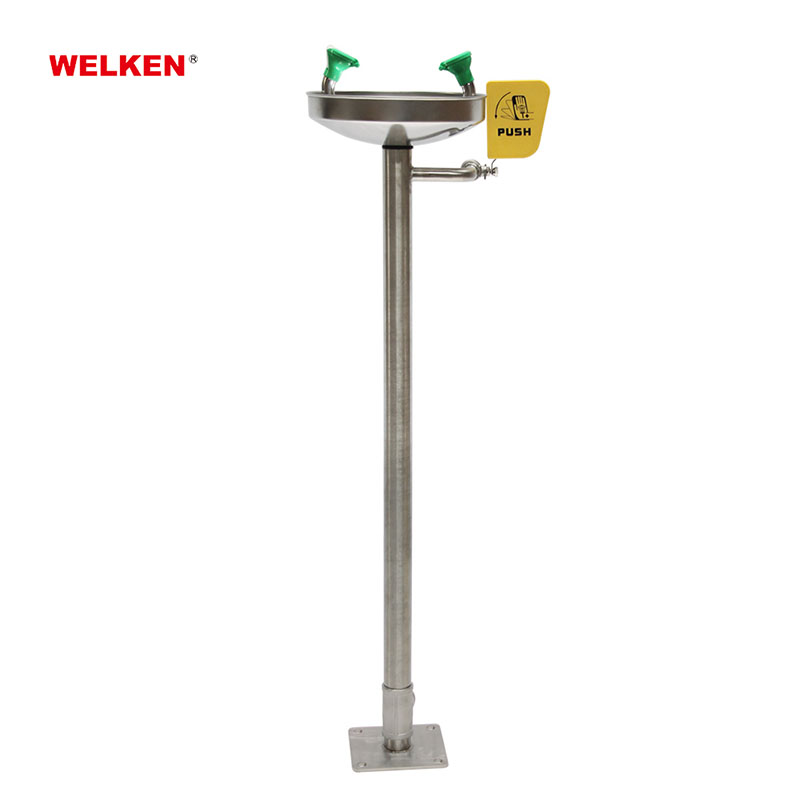
Stand-alone pedestal unit featuring foot pedal activation. Provides hands-free emergency irrigation for food processing washdown zones.
View Details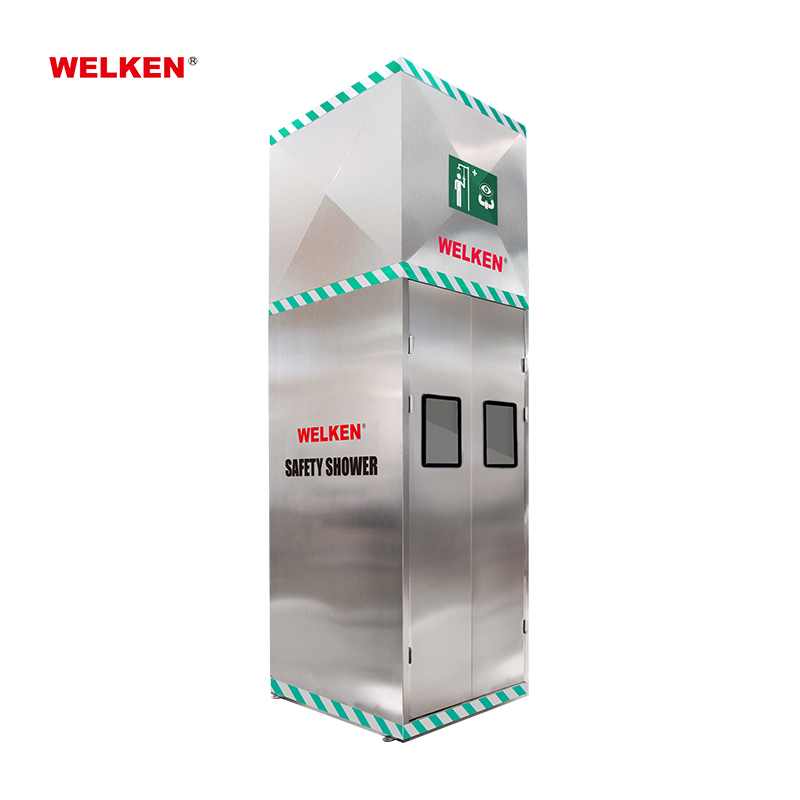
Insulated tank-fed combination shower designed for low-temperature environments, guaranteeing warm water delivery in freezing areas.
View Details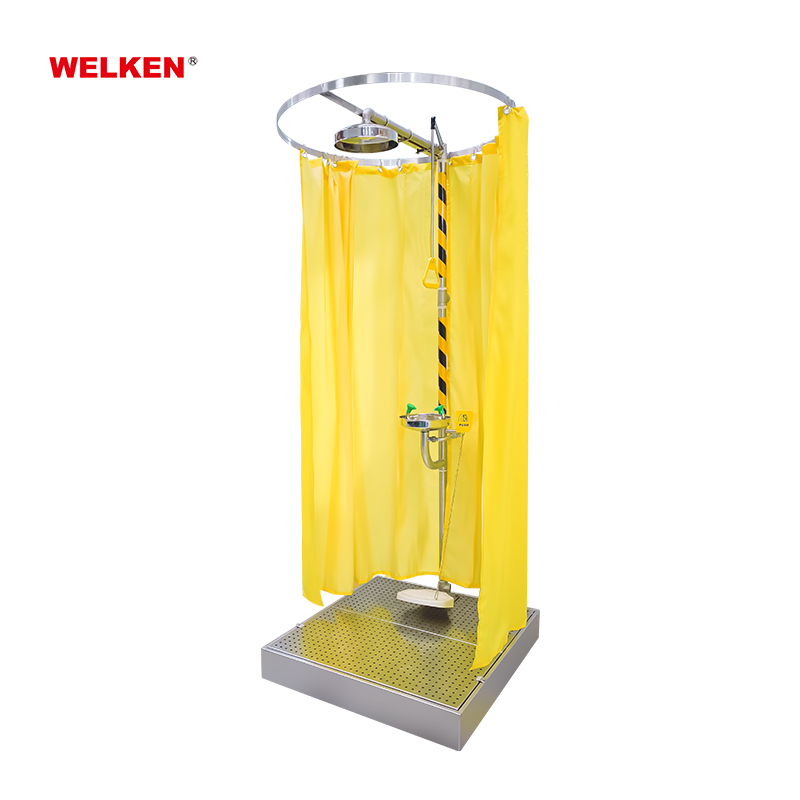
Integrated shower and eyewash combination. Offers complete decontamination for operators handling hazardous pipeline fluids.
View DetailsModern food and beverage processing facilities operate under a complex web of stringent safety and sanitary regulations. The processing lines are dynamic systems transporting hot ingredients, high-pressure steam, acidic clean-in-place (CIP) chemicals, and sanitizing agents. Within this high-intensity industrial environment, pipeline valve safety lockout processes and immediate access to stainless steel eyewash stations are not merely compliance checkboxes—they are critical life-saving infrastructures.
Historically, industrial safety and food safety were viewed as separate domains. Today, they are deeply integrated. The equipment used for worker protection must meet the same hygienic standards as the equipment processing the food itself. This has driven a massive shift toward high-grade stainless steel safety equipment, which prevents bacterial harboring while resisting the corrosive nature of daily chemical washdowns.
In food processing, carbon steel or plastics can fail or harbor contaminants. High-grade AISI 304 and 316 stainless steels provide non-porous surfaces that resist pitting corrosion from chlorine-based sanitizers, ensuring zero bacterial colonization and ensuring compliance with FDA and EHEDG guidelines.
Pipeline valves control the flow of hazardous fluids, steam, and cleaning chemicals. During maintenance, cleaning, or modification of these pipelines, accidental valve activation can lead to catastrophic injuries, chemical burns, or product contamination. Implementing a rigorous Lockout/Tagout (LOTO) system is mandatory under OSHA 29 CFR 1910.147.
Using robust safety padlocks, lockout hasps, and gate valve lockout devices ensures that valves remain physically locked in the "off" or "safe" position until maintenance is complete. However, if a failure occurs, or if residual chemical pressure in a line sprays an operator, the secondary line of defense must be immediately accessible: the emergency eyewash station.
In a food processing layout, eyewash stations and LOTO devices work hand-in-hand. Safety regulations dictate that an emergency eyewash must be located within 10 seconds (approximately 55 feet) of any hazard, including chemical dosing valves and CIP stations. When an engineer locks out a valve to service a pipeline, they must have the assurance that should a seal blow or residual chemical spray escape, a stainless steel eyewash is immediately reachable to flush their eyes and skin.
CIP systems circulate highly concentrated caustic soda (sodium hydroxide) and nitric acid at temperatures up to 85°C (185°F) through pipelines to sanitize them. The valves regulating these chemical loops are high-risk zones. During routine maintenance or valve seal replacements, technicians must utilize heavy-duty gate valve lockouts and safety padlocks. Simultaneously, a wall-mounted stainless steel eyewash must be positioned just outside the splash zone to mitigate chemical burn risks.
Large-scale food processing and cold storage facilities rely on anhydrous ammonia for refrigeration. Ammonia is highly toxic and corrosive to skin and eyes. Pipeline valve maintenance in compressor rooms requires strict LOTO procedures. Because ammonia reacts violently with moisture on the human body, combination safety showers and eyewash stations with thermostatic mixing valves (providing tepid water between 16°C and 38°C) are mandatory to prevent thermal shock during decontamination.
Sterilization and cooking processes require extensive steam distribution networks. High-pressure steam valves present severe thermal burn hazards. When servicing these valves, lockout hasps allow multiple technicians to secure the energy isolation point. If a steam leak occurs, immediate eye irrigation and body cooling via a pedestal-mounted stainless steel safety station can significantly reduce the severity of a burn injury.
The safety equipment market is experiencing rapid technological evolution, driven by automation and IoT integration:
To ensure global safety compliance, facilities must align their equipment choices with recognized standards:
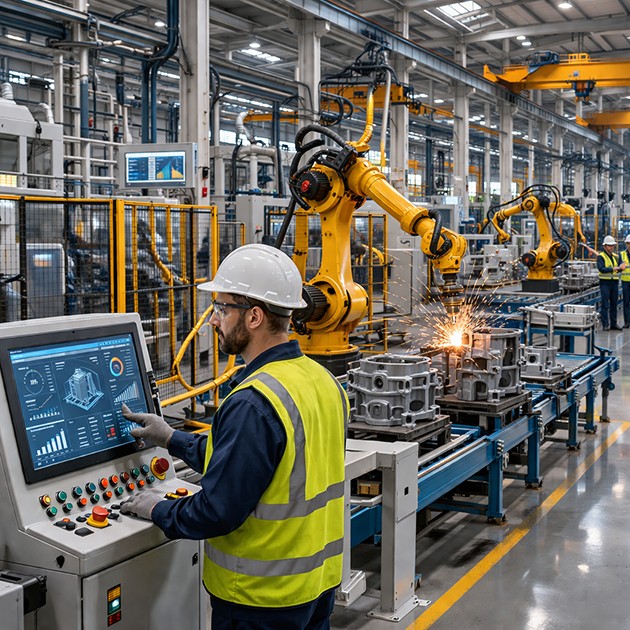
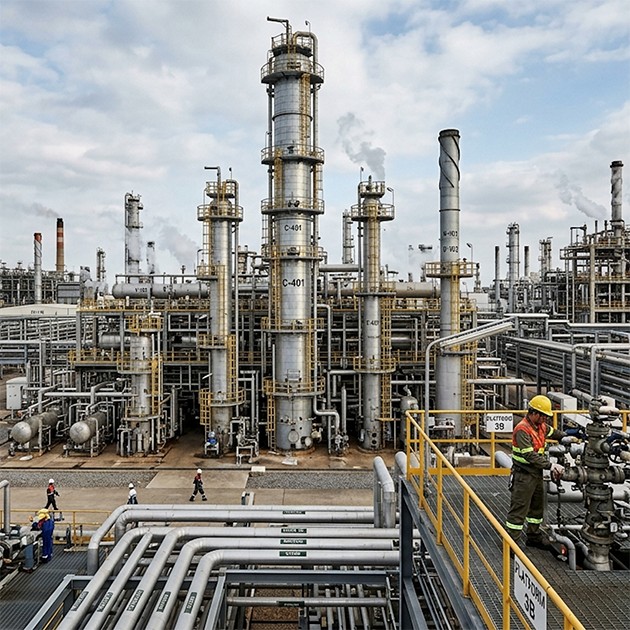
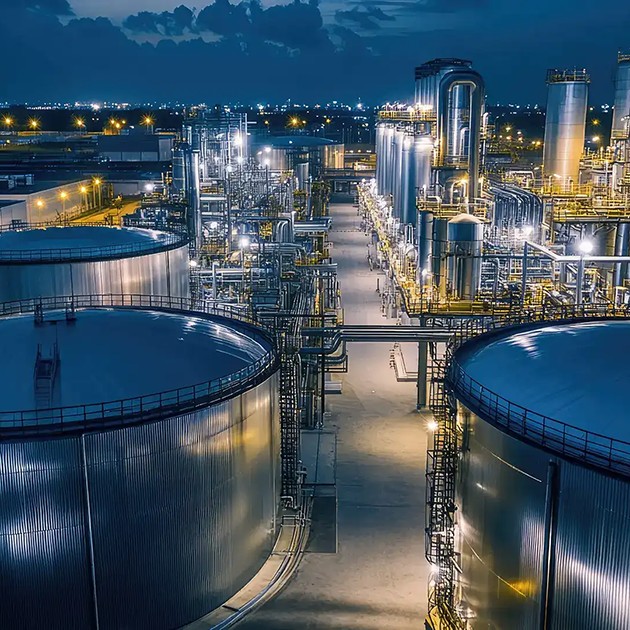
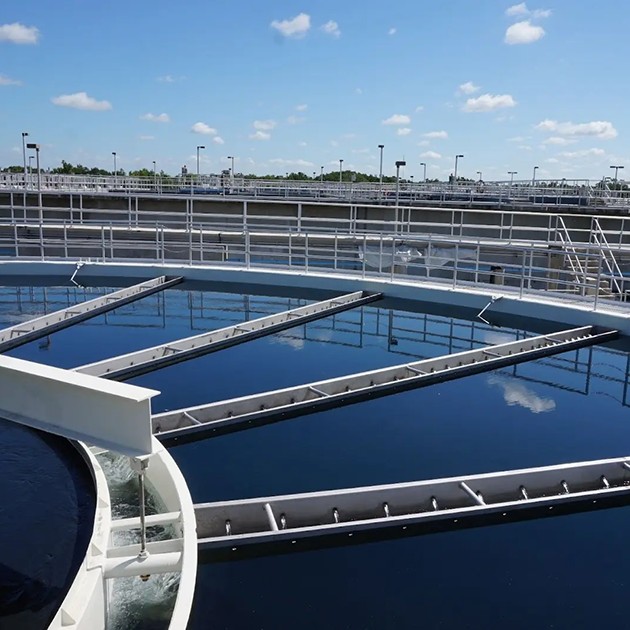
Our safety systems are deployed globally across challenging and highly regulated sectors.



A global leading safety product and solution provider dedicated to research, development, and worker protection.

We own complete 3D drawings for every product and have an experienced in-house R&D team. Whether it's a non-standard dimension or a specific configuration, we can engineer a solution that fits — with precision and without compromise.
Years of experience translates into mature products, professional application guidance, and safety solutions that work reliably in different extreme industrial conditions.
Based in Tianjin, we are located minutes away from one of China's major international ports. Keeping lead times short, transit fast, and the export process straightforward.
Our products are built to international standards. We respond to after-sales issues promptly and take full responsibility — because trust is the foundation of every long-term partnership.
Explore our full range of certified safety hardware, from wall-mounted eyewash systems to valve lockouts and padlocks.
Compact wall-mounted design, ideal for tight spaces near chemical dosing stations.
View Details
Stand-alone pedestal unit featuring foot pedal activation and hands-free emergency operation.
View Details
Insulated tank-fed combination shower designed for low-temperature environments.
View Details
Integrated shower and eyewash combination for comprehensive decontamination.
View Details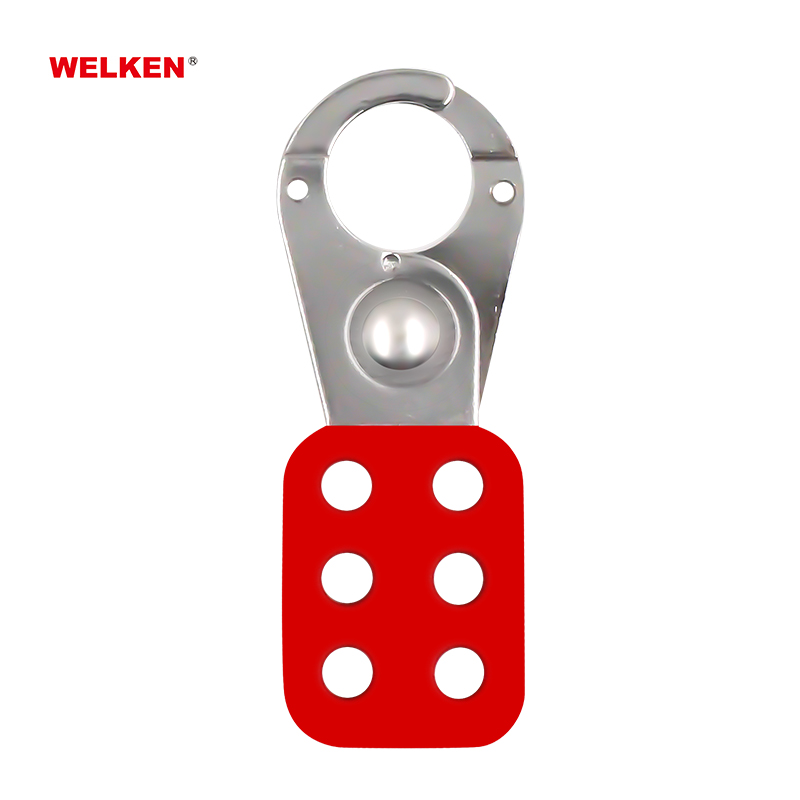
Durable steel hasp with 1" jaw diameter, allowing multiple workers to lock out a single valve.
View Details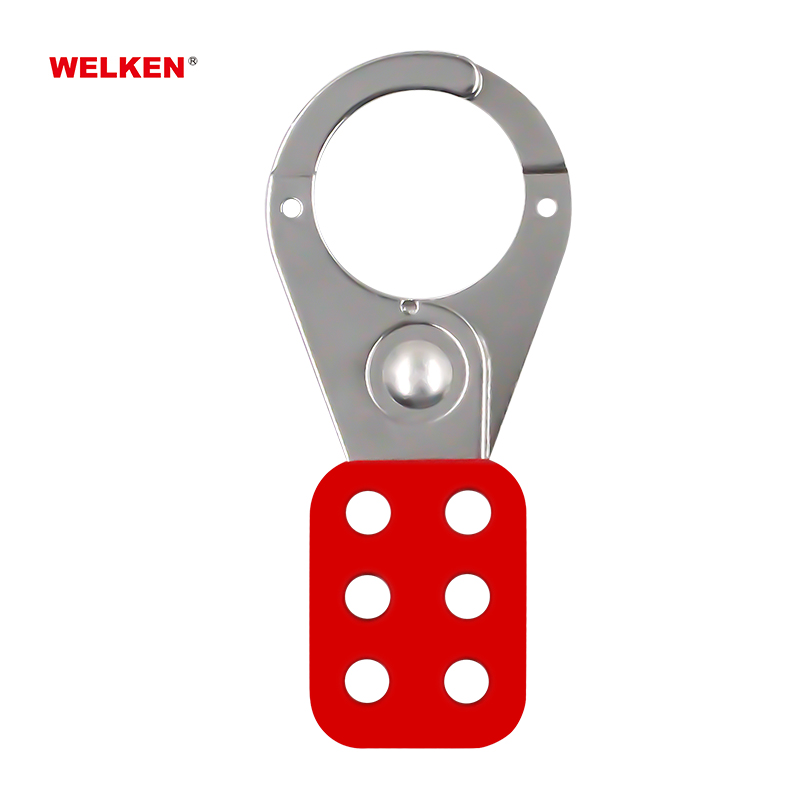
Heavy-duty 1.5" jaw security hasp designed for larger pipeline isolation valves.
View Details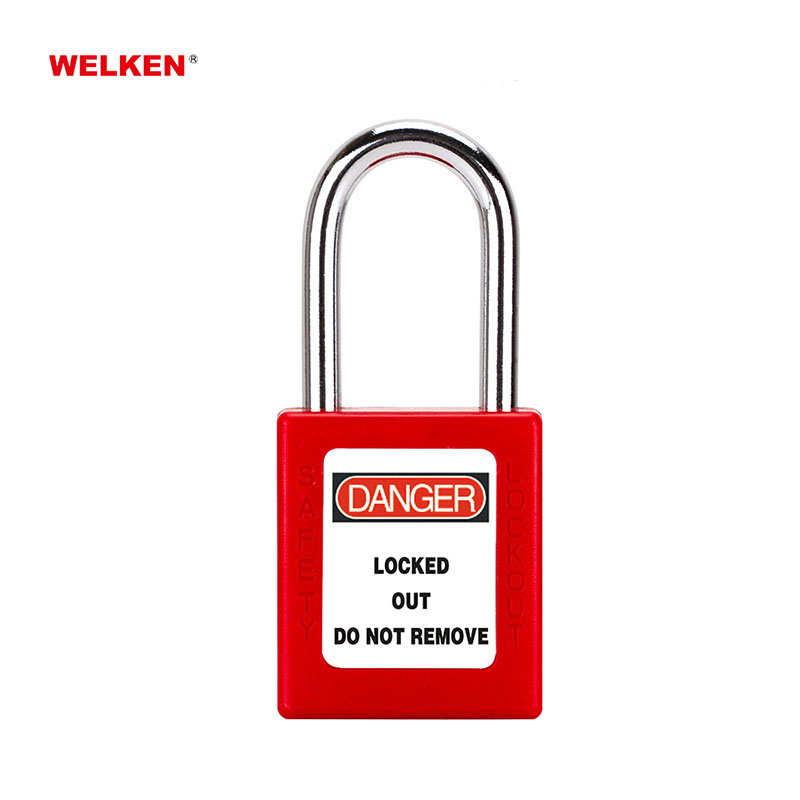
Premium safety padlock with a 38mm steel shackle, essential for locking out power and fluid valves.
View Details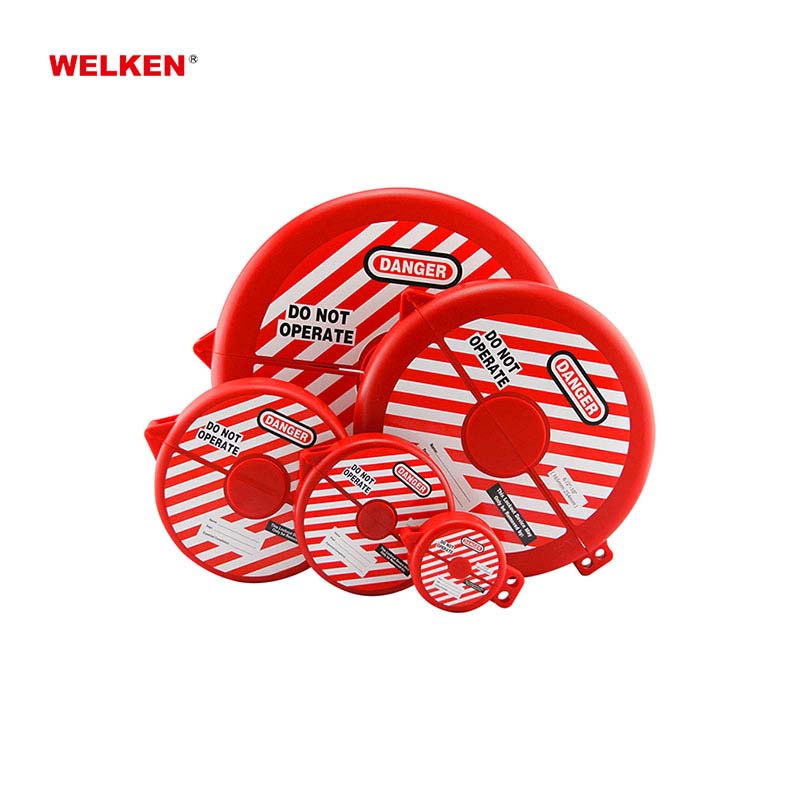
Mechanical blocking device engineered to isolate gate valves and prevent accidental operation.
View Details