



Leave Your Message
The Oil and Gas (O&G) industry operates in some of the most unforgiving environments on the planet. From offshore drilling rigs battling oceanic storms to thousands of miles of midstream pipelines crossing remote terrains, the control of hazardous energy is not merely a regulatory requirement—it is a matter of life and death. A Professional Lockout Kit For Oil And Gas Pipeline Valve Lockout Operations is the ultimate frontline defense against accidental energy release, which can lead to catastrophic blowouts, chemical spills, fires, and fatal injuries.
Currently, the industrial landscape is governed by stringent international regulations, most notably OSHA standard 1910.147 (The Control of Hazardous Energy) and various API (American Petroleum Institute) recommended practices. These mandates require that before any maintenance, servicing, or pigging operations occur on a pipeline, all energy sources—including hydraulic, pneumatic, thermal, and chemical—must be isolated and locked out. Failure to deploy adequate lockout/tagout (LOTO) systems costs the global energy sector billions annually in operational downtime, environmental fines, and most tragically, human casualties.
As global energy demands surge, pipeline infrastructures are aging while simultaneously being pushed to higher operating pressures. This dynamic creates a critical need for robust, specialized valve lockout kits that can withstand extreme temperatures, resist corrosive petrochemicals, and provide foolproof mechanical isolation on massive gate, ball, and butterfly valves.
In upstream operations, workers are exposed to raw, unrefined hydrocarbons at extreme pressures. When performing maintenance on a wellhead choke valve or blowout preventer (BOP) control lines, a standard commercial padlock is insufficient. A Professional Lockout Kit in this scenario utilizes marine-grade, spark-resistant materials. Cable lockouts are frequently deployed here to secure multiple irregular valve wheels simultaneously, ensuring that high-pressure natural gas or crude oil cannot be inadvertently released into the workspace.
Midstream sectors rely heavily on compressor stations to keep gas moving across continents. Maintenance often involves "pigging"—inserting a device into the pipeline for cleaning or inspection. The pig launching and receiving stations require absolute zero-energy states before the trap doors are opened. Here, heavy-duty gate valve lockouts are essential. These devices encapsulate the valve handwheel completely, preventing any rotational movement. Given the large diameter of midstream pipeline valves, adjustable and modular lockout devices are critical components of the kit.
Refineries represent a highly complex matrix of intersecting pipelines carrying volatile, toxic, and highly flammable substances like hydrogen sulfide (H2S), hydrofluoric acid, and superheated steam. During a refinery "turnaround" (a scheduled period of non-production for massive maintenance), thousands of lockout points are established. Butterfly valve lockouts and multi-mini breaker lockouts become indispensable. The lockout kits used downstream must be highly organized, color-coded, and highly resistant to chemical degradation to manage the sheer volume and complexity of the isolation points safely.
The traditional padlock and tag approach is rapidly evolving into a high-tech ecosystem. As the Oil and Gas sector embraces Industry 4.0, Professional Lockout Kits For Pipeline Valve Lockout Operations are integrating smart technologies. We are witnessing the rise of RFID-enabled lockout tags and Bluetooth-connected smart padlocks. These innovations allow safety managers to monitor isolation points in real-time across a sprawling refinery or a 500-mile pipeline from a centralized digital dashboard.
Furthermore, material science is playing a pivotal role in the evolution of safety equipment. Modern valve lockout devices are now injection-molded from advanced Zenex™ thermoplastics and reinforced polymers that offer unprecedented resistance to UV radiation, extreme arctic cold, and highly corrosive petrochemical solvents. This ensures that the lockout device will not shatter, melt, or degrade when exposed to the harsh realities of an oilfield.
Another significant trend is customized kitting. Rather than purchasing generic safety boxes, O&G companies are now demanding site-specific kits. These kits are pre-configured based on P&ID (Piping and Instrumentation Diagram) audits, containing the exact ratio of gate valve covers, cable lockouts, electrical panel lockouts, and group lock boxes required for a specific pipeline manifold or compressor station.
At WELKEN, we believe all workers have the right to return home safely. Our journey began in 1998, rooted in a simple, yet profound mission: to manufacture safety equipment that never fails when it matters most.
Over two decades, we grow from a normal factory into a National High-Tech Enterprise. In 2007, we took our first steps into the global market, bringing Chinese manufacturing precision to the world. Today, WELKEN is more than just a brand—it is a trusted shield for personnel in over 70 countries, protecting lives from the oil fields of the Middle East to the rugged mines of South America.
We don’t just manufacture products, we create peace of mind. Our vast expertise lies in a comprehensive unified system where creative design meets industrial compliance.
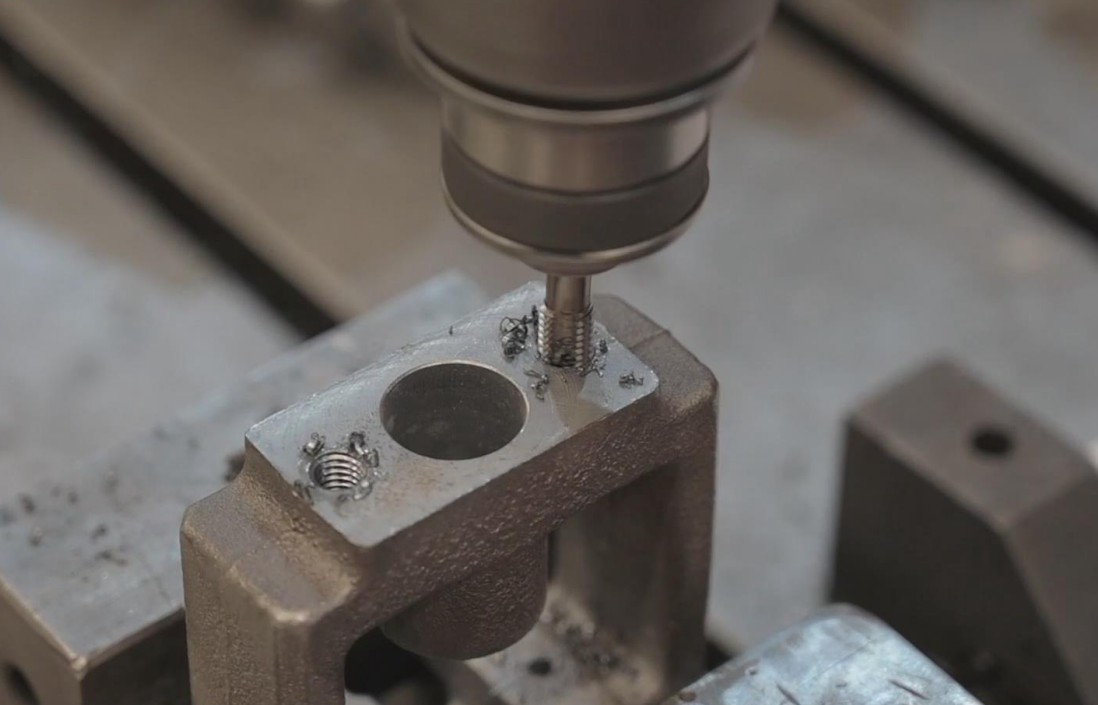
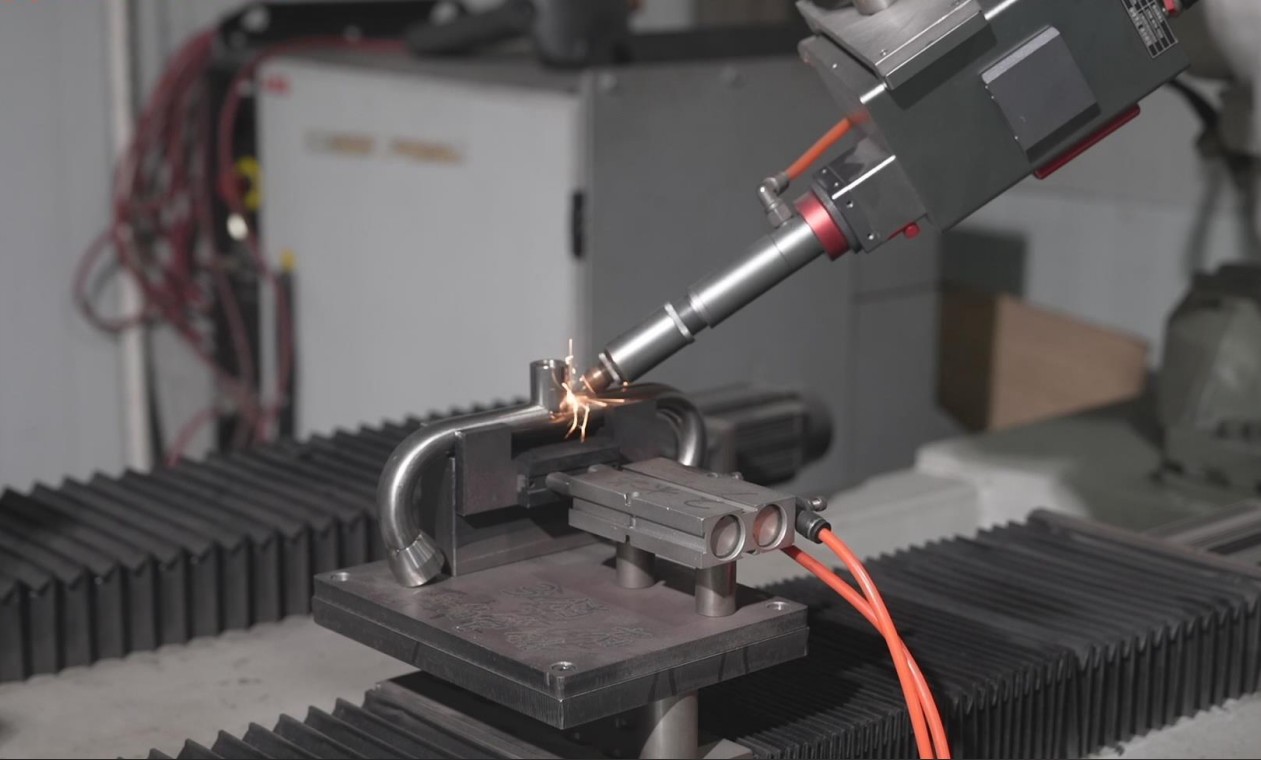
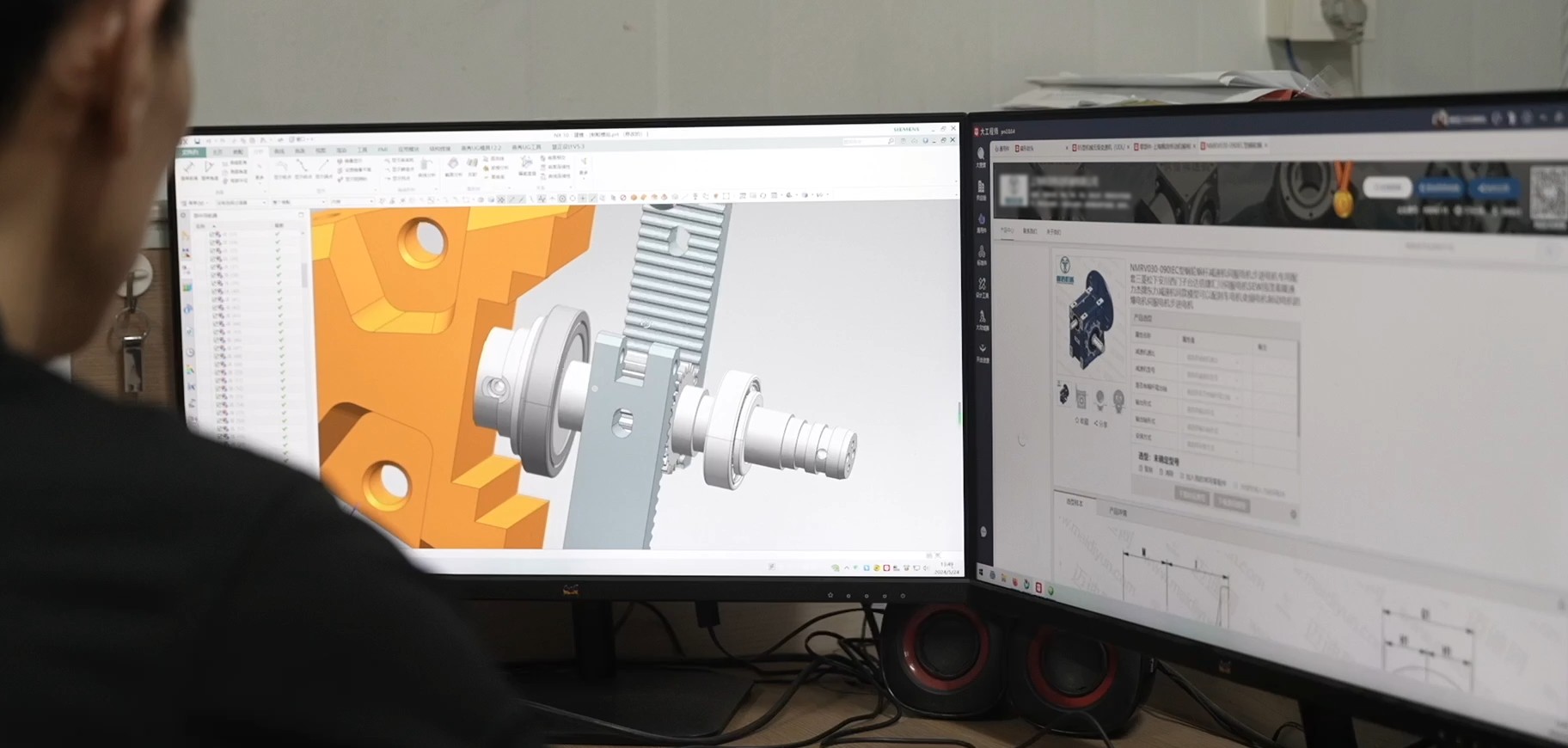
From our specialized mould-making and injection moulding workshops to our advanced CNC machining centers, we are controlling every millimeter of the process. This integration allows us to transform a design into a life-saving equipment with precision.
Our technical team is not just experienced; they also bridge the gap between complex safety theories and practical, site-specific applications.
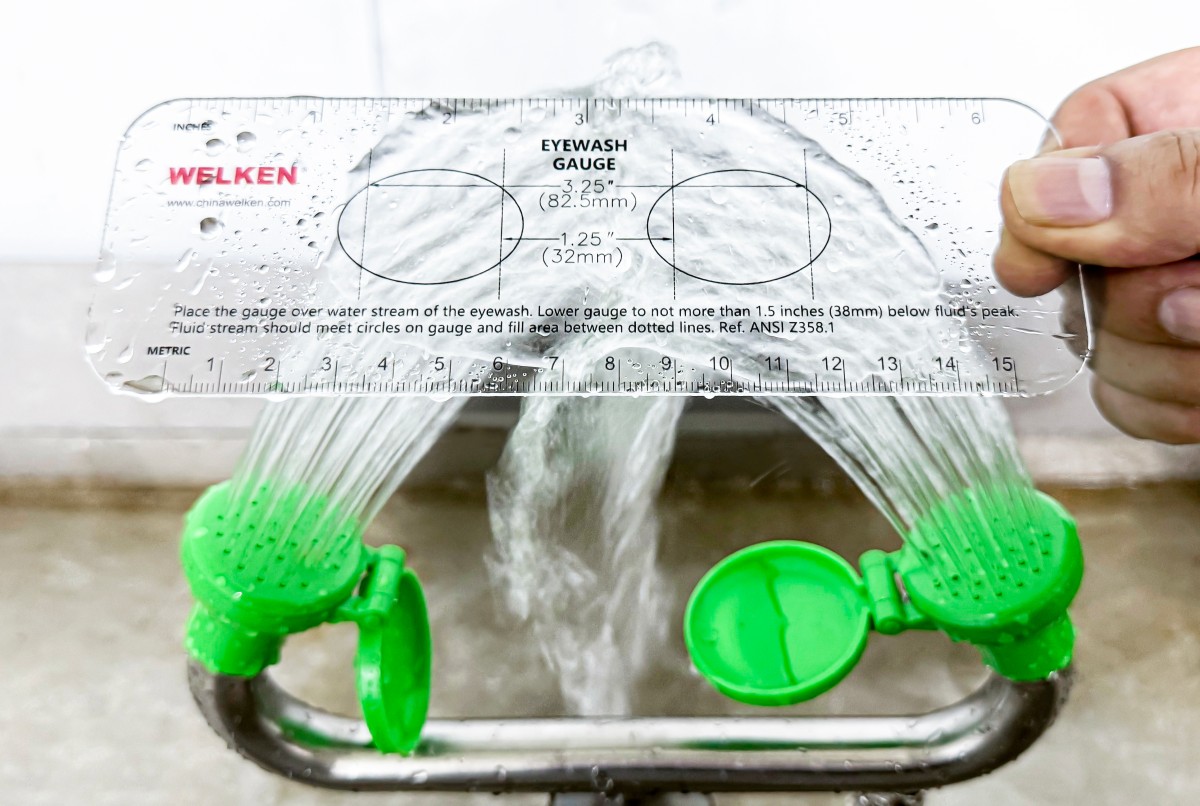
Quality is not a claim, it is a proven fact. Each shower and eye wash station is subjected to pressure, flow, and switch testing to guarantee that it surpasses the ANSI Z358.1-2014 standard before it leaves our factory.
Since 2014, WELKEN has been a fixture at the world's leading Occupational Safety exhibitions in A+A Düsseldorf. Our journey doesn't stop in Germany; we actively engage with industry leaders at major occupational health and safety exhibitions across the USA, Mexico, Singapore, Russia, Kazakhstan, Turkey and other countries. We listen to the unique challenges of different markets, allowing us to provide diverse safety solutions rather than just off-the-shelf products.
Possessing a Professional Lockout Kit is only the first step; executing a flawless LOTO program is what ultimately saves lives. In the Oil and Gas sector, best practices dictate that companies must conduct annual comprehensive audits of their energy control procedures. Every single pipeline valve, electrical breaker, and pneumatic switch must be clearly labeled and correspond directly to written, step-by-step shutdown procedures.
Training is paramount. Workers must be trained not just on how to apply a gate valve lockout or a cable lockout, but on the physics of stored energy. They must understand how to bleed off residual pressure from a pipeline after the primary valves have been locked. Group lockout scenarios—where multiple contractors are working on a single refinery unit—require the use of specialized lock boxes to ensure no single individual can re-energize the system prematurely.
By combining cutting-edge isolation equipment with a culture of uncompromising safety compliance, O&G operators can achieve their ultimate goal: zero incidents, zero injuries, and maximum operational uptime.
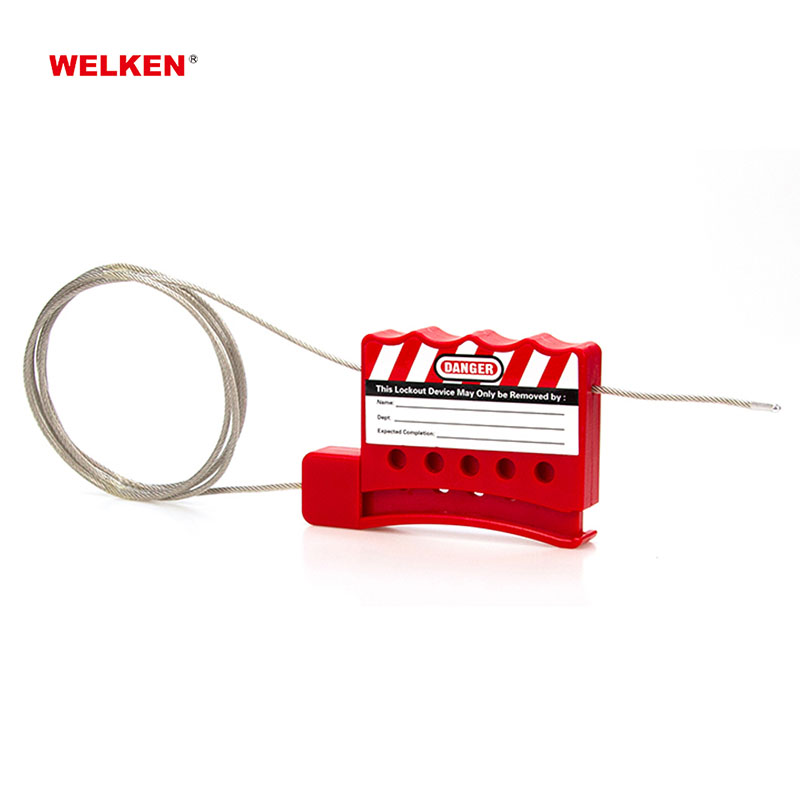 O&G Pipeline Universal Adjustable Cable Lockout (BD-8411)
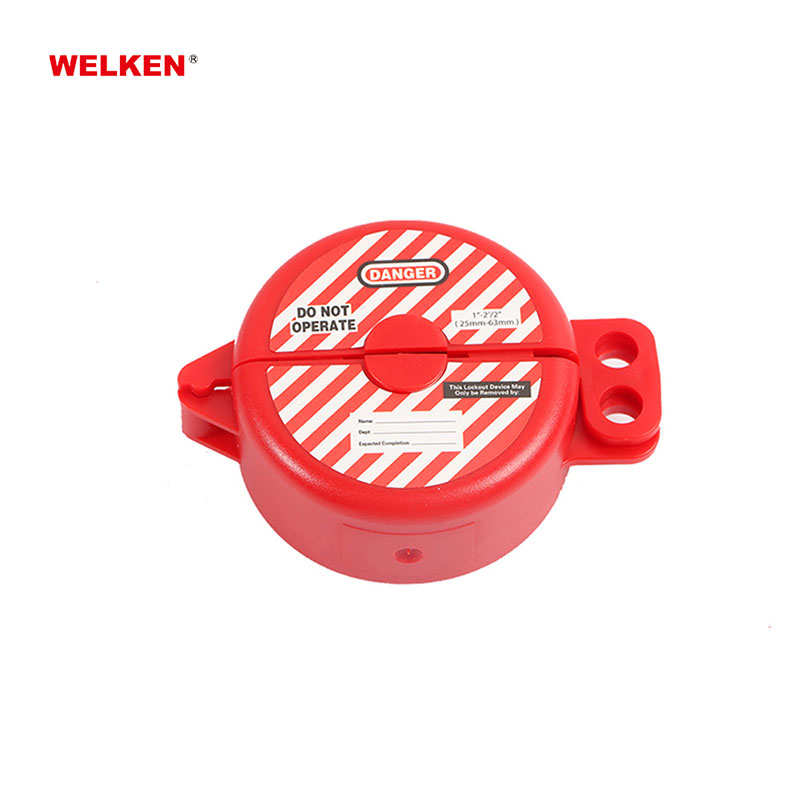 Heavy-Duty Pipeline Gate Valve Lockout (BD-8233)
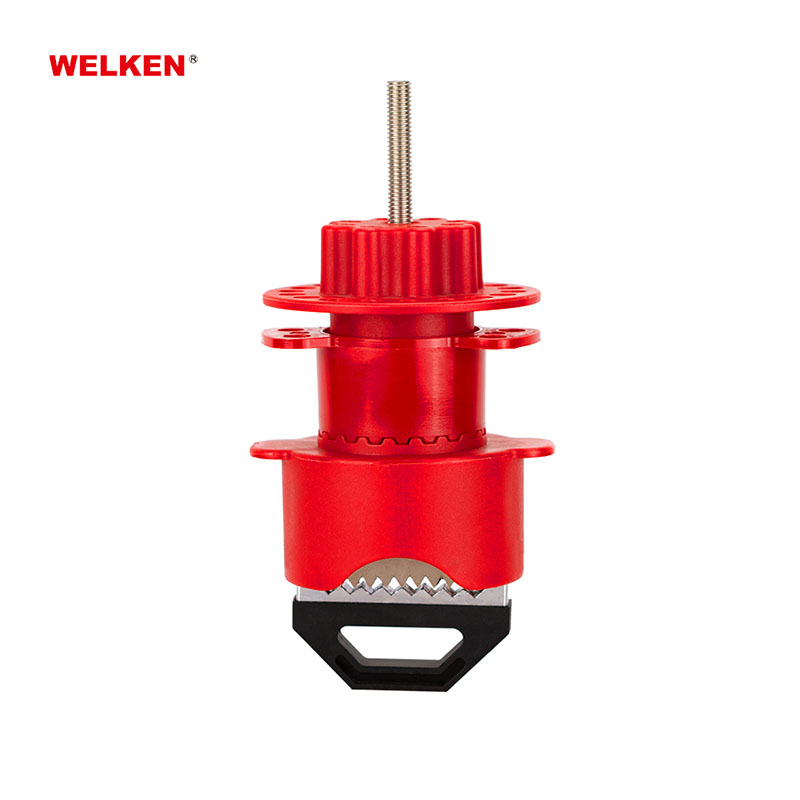 Petrochemical Reinforced Butterfly Valve Lockout (BD-8222)
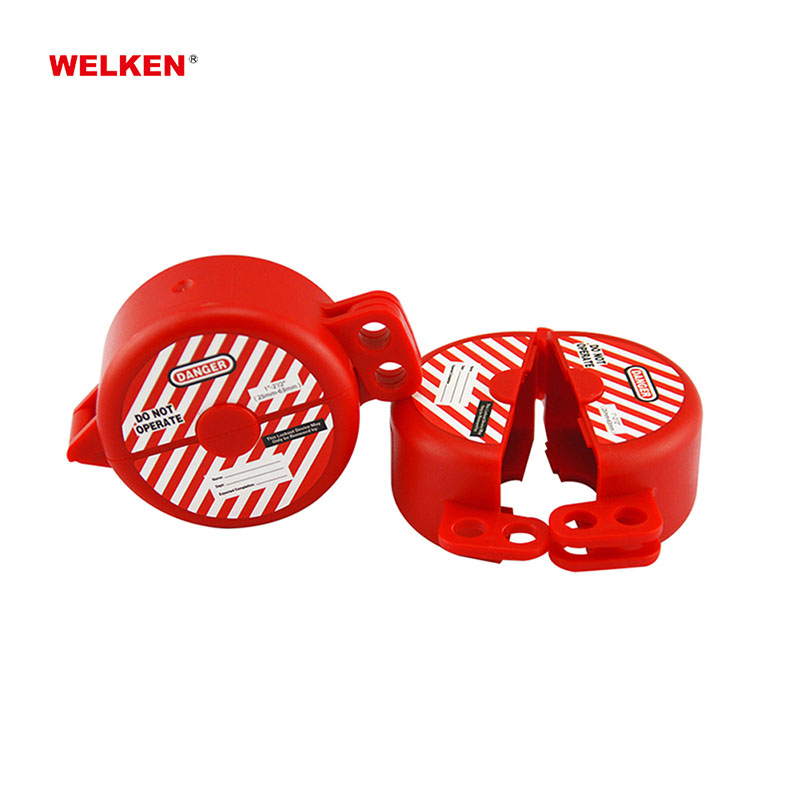 Oilfield Gate Valve Lockout Series (BD-8232)
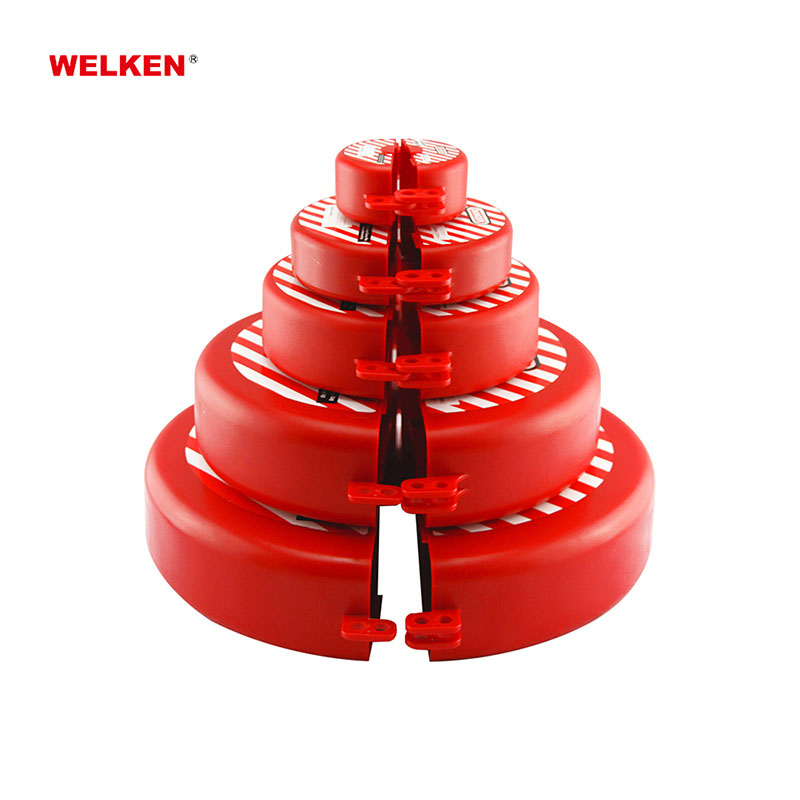 Refinery Gate Valve Lockout Series (BD-8234)
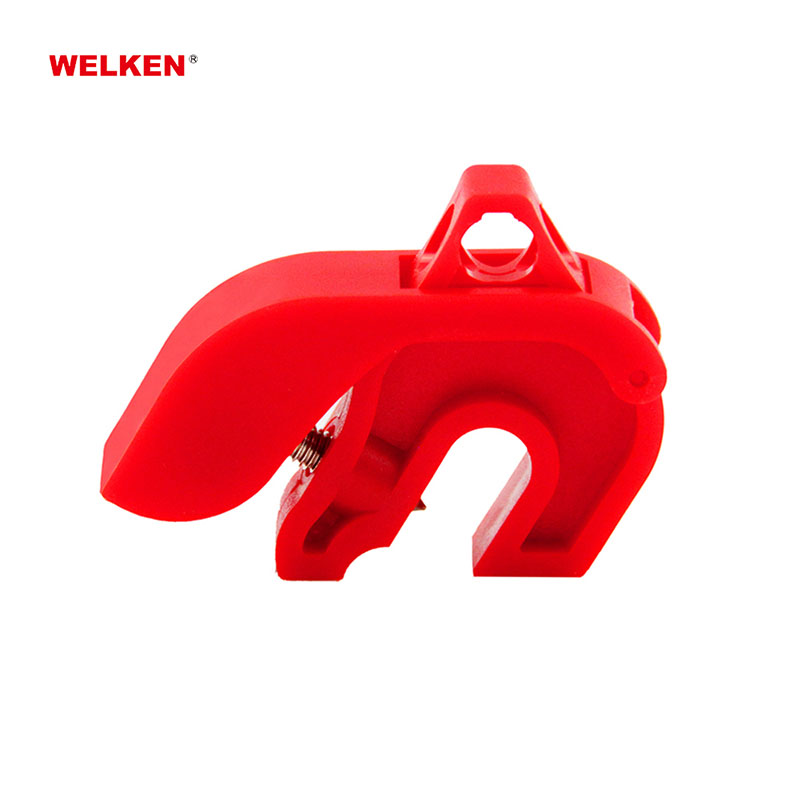 Pipeline Control Panel Multi-Mini Breaker Lockout (BD-8113)
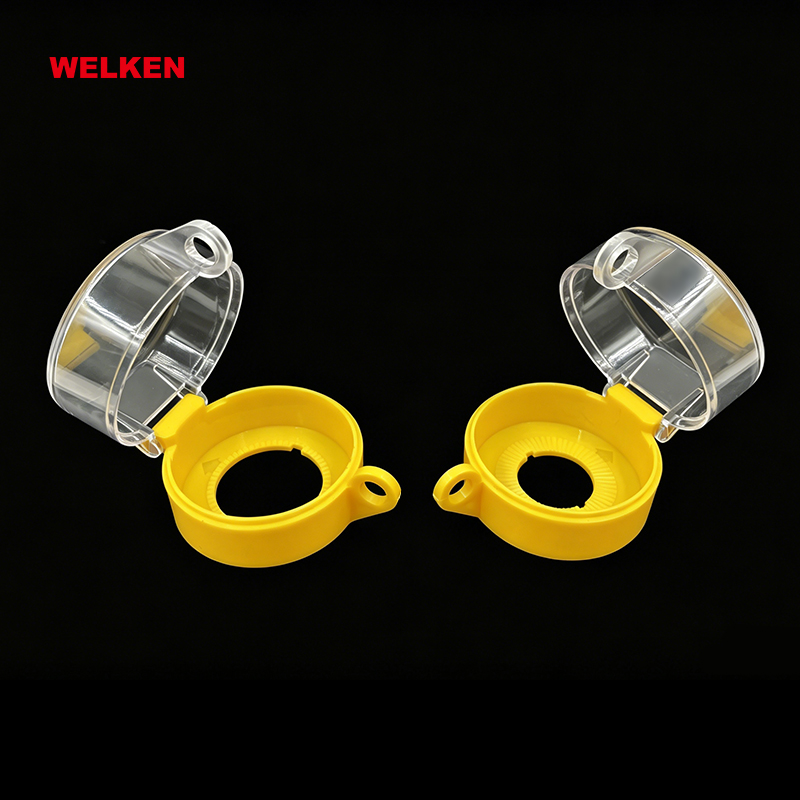 Rig Safety Emergency Stop Button Lockout (BD-8131)
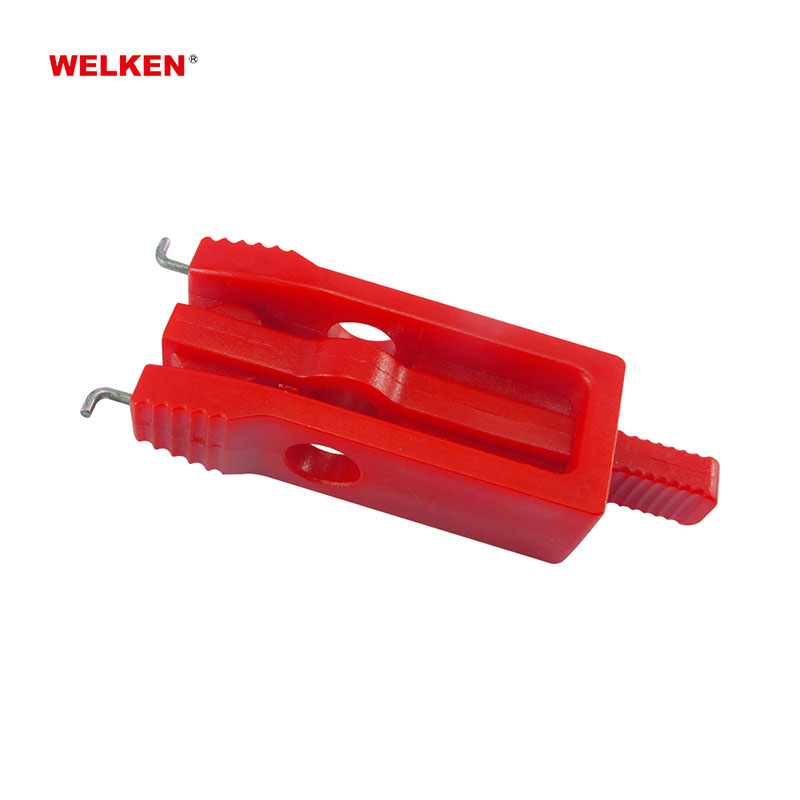 Pump Station Pin-Out Miniature Circuit Breaker Lockout (BD-8112)