Leave Your Message
Navigating Italian HSE mandates, manufacturing clusters, and next-generation safety infrastructure
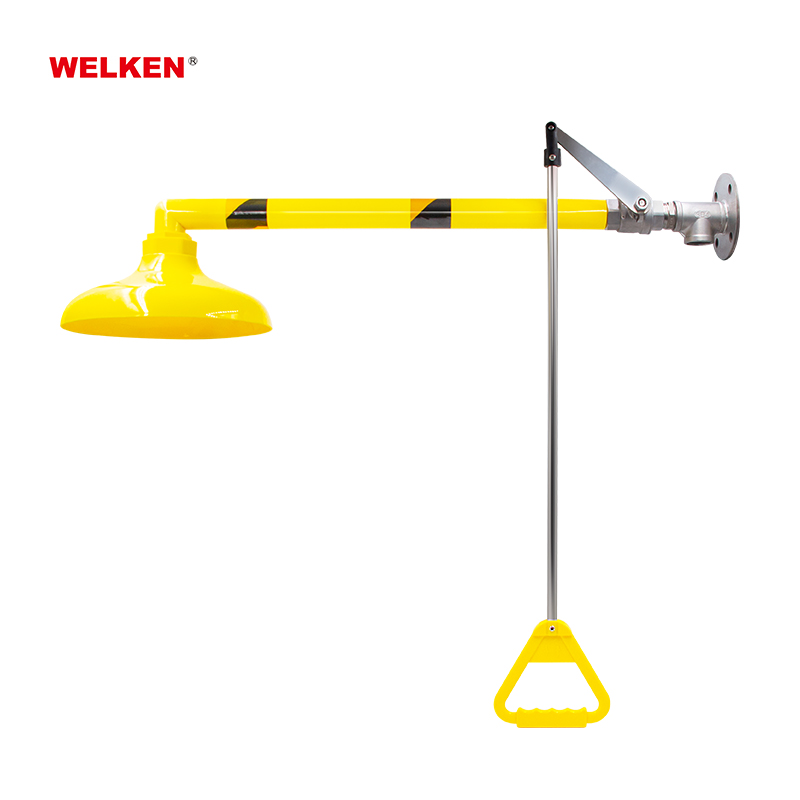
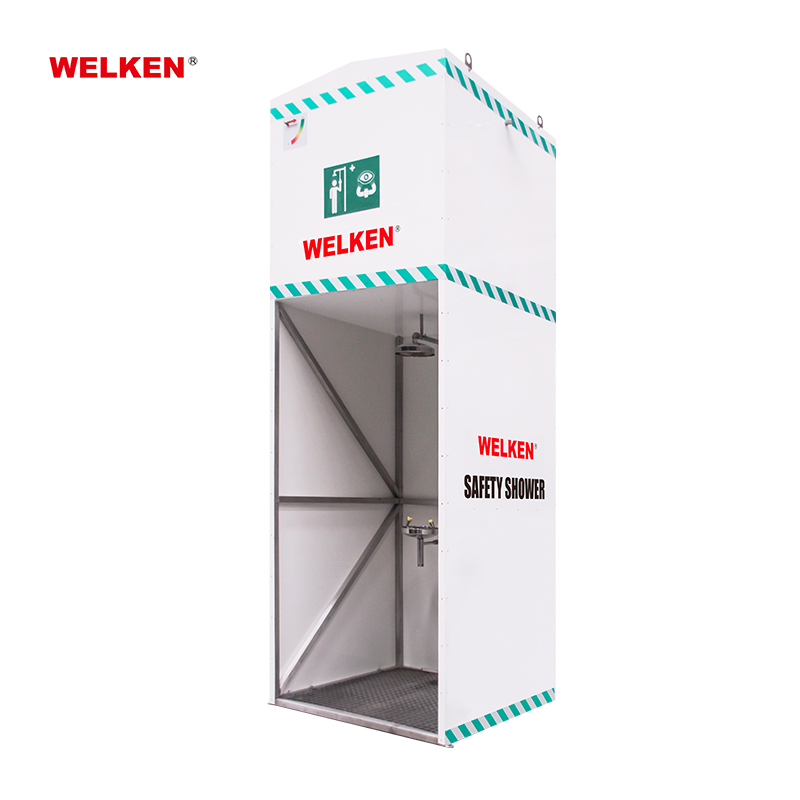
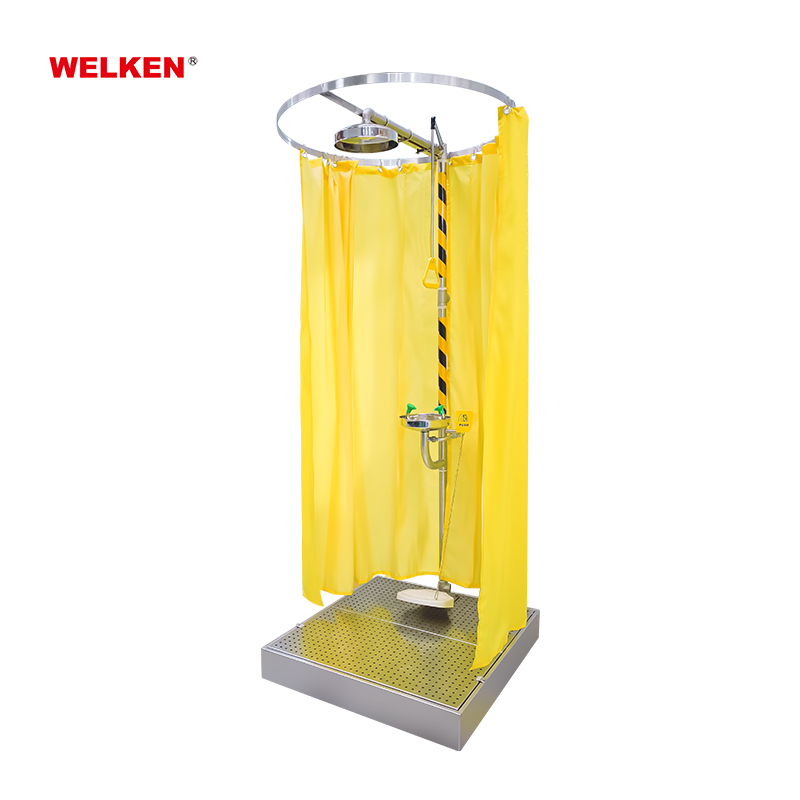
Italy represents one of Europe's most mature and technically sophisticated industrial manufacturing sectors. As the second-largest manufacturing economy in the European Union, the country boasts world-class chemical processing clusters, an expansive pharmaceutical corridor across Lazio and Lombardy, dense mechanical engineering hubs in Veneto and Emilia-Romagna, and high-capacity port logistics along Genoa, Trieste, and Taranto. In these intensive operating environments, the implementation of plumbed-in emergency equipment is not merely a statutory checkmark—it is a mission-critical line of defense against severe chemical splashes, thermal hazards, and hazardous exposure incidents.
The operational requirements for emergency drenching equipment in Italy vary dramatically depending on geography and vertical integration:
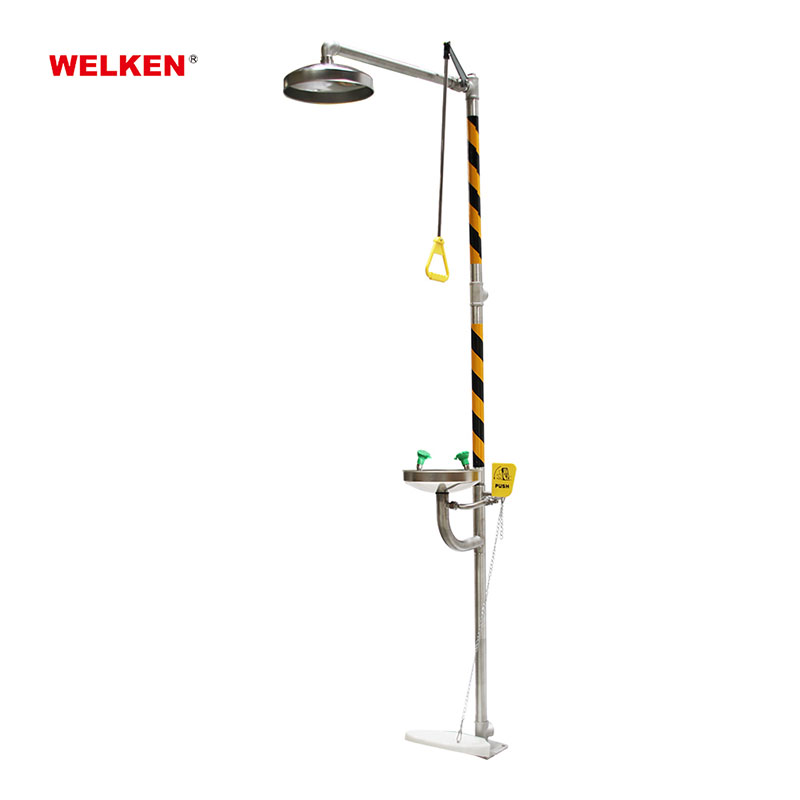
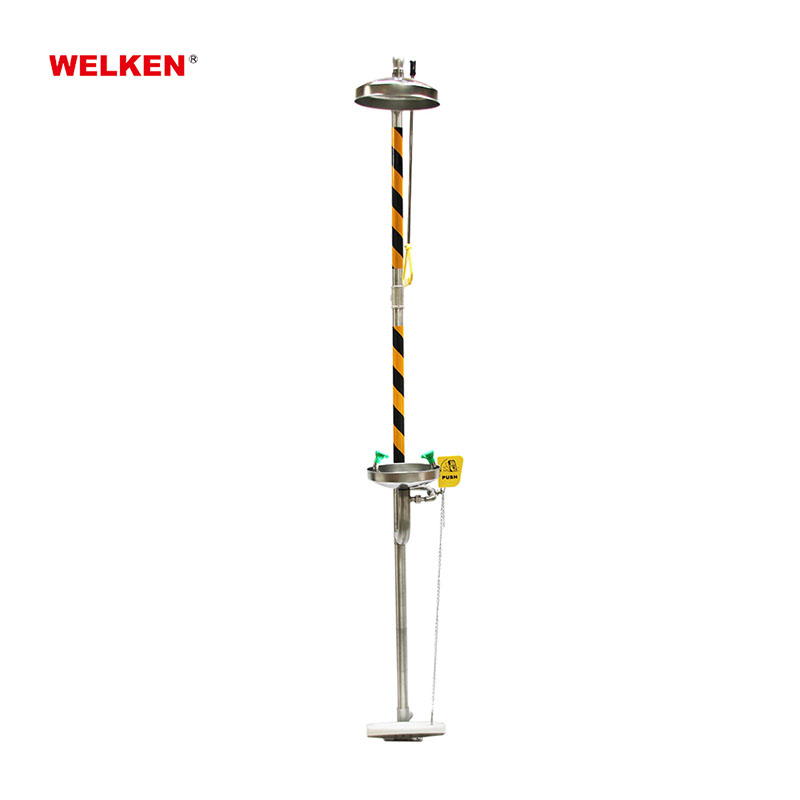
Calibrated to maintain EN 15154 flow profiles (minimum 60 L/min for body drench and 12 L/min for eye wash) under variable municipal or dedicated plant pressure across Italian facilities.
Integration of thermostatic mixing valves maintaining flushing fluid between 15°C and 37°C, eliminating chemical hypothermia risk during mandatory 15-minute emergency rinses.
Designed with superior austenitic stainless steel substrates passivated against high chloride concentrations, industrial degreasers, and aggressive saline atmospheric conditions.
Deploying certified safety drench systems across strategic manufacturing and refining verticals
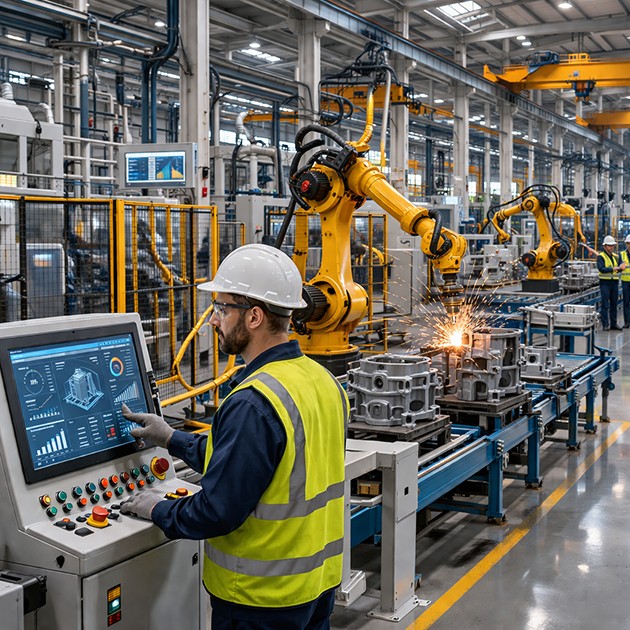
Foundries, mechanical fabrication workshops, and metal electroplating facilities across Brescia, Bergamo, and Turin.
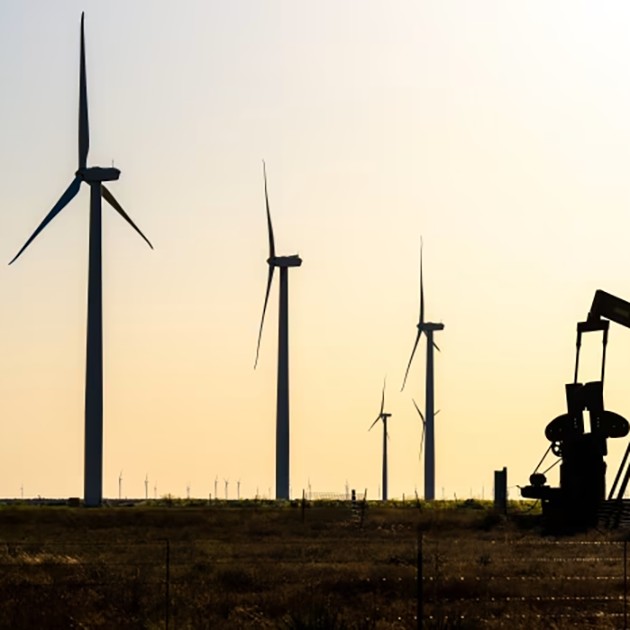
High-voltage battery storage facilities, thermal power plants, and renewable energy conversion hubs requiring immediate decontaminant showers.

Infrastructure tunneling, concrete batching sites, and industrial civil engineering developments with plumbed or tank-fed emergency water.
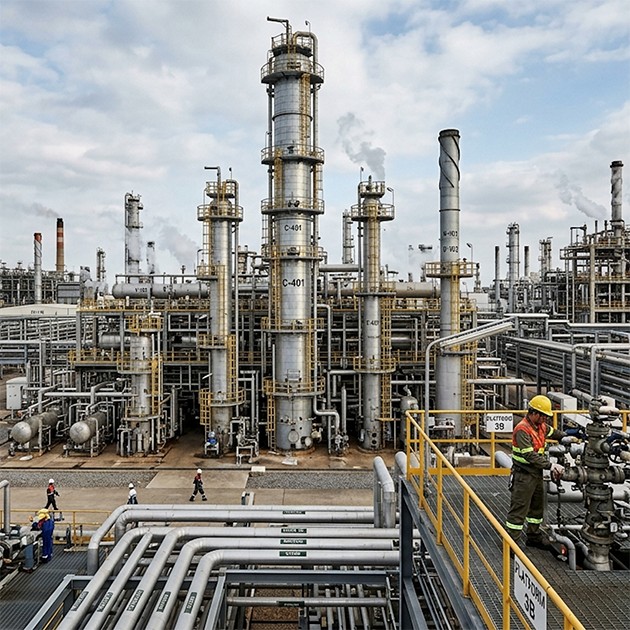
Fine chemical synthesis, solvent extraction, and acid handling plants in Porto Marghera, Ferrara, and Ravenna chemical complexes.
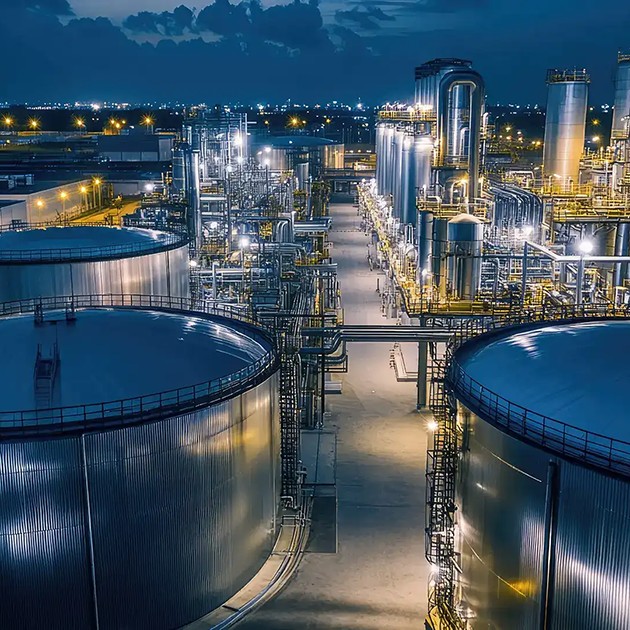
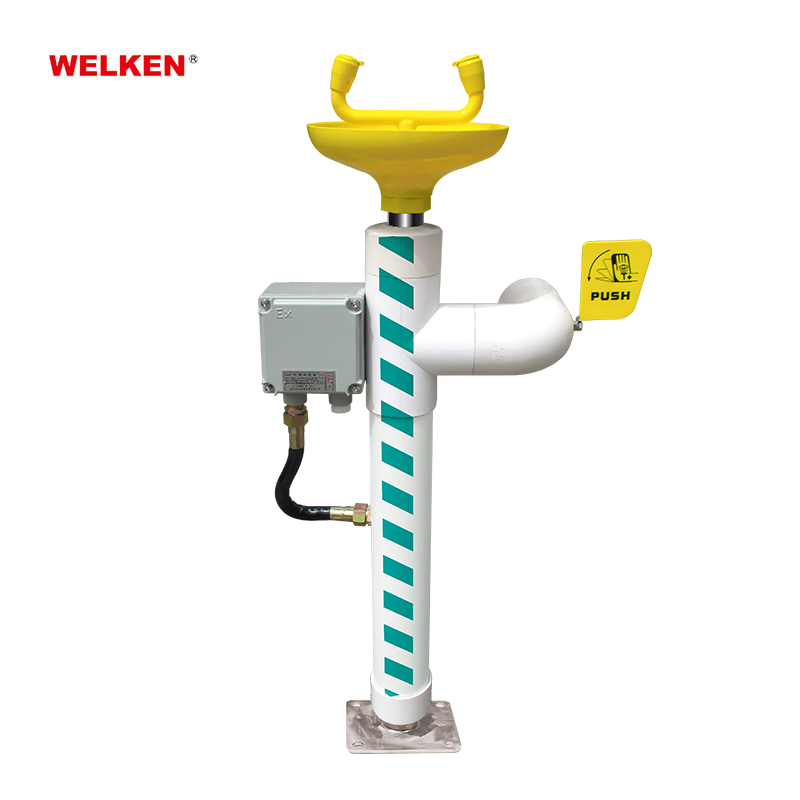
Refineries, pipeline pumping stations, and offshore gas processing platforms demanding ATEX-compliant safety apparatus.
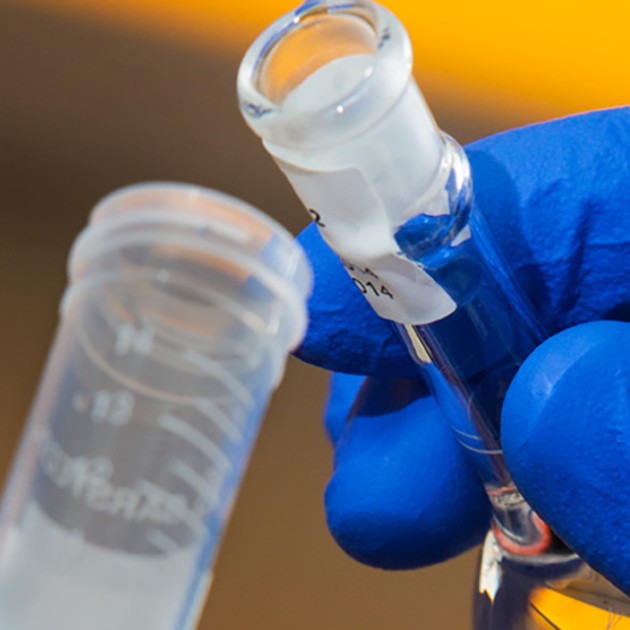
Cleanrooms, pilot synthesis labs, and active pharmaceutical ingredient (API) production corridors throughout Lazio and Monza.
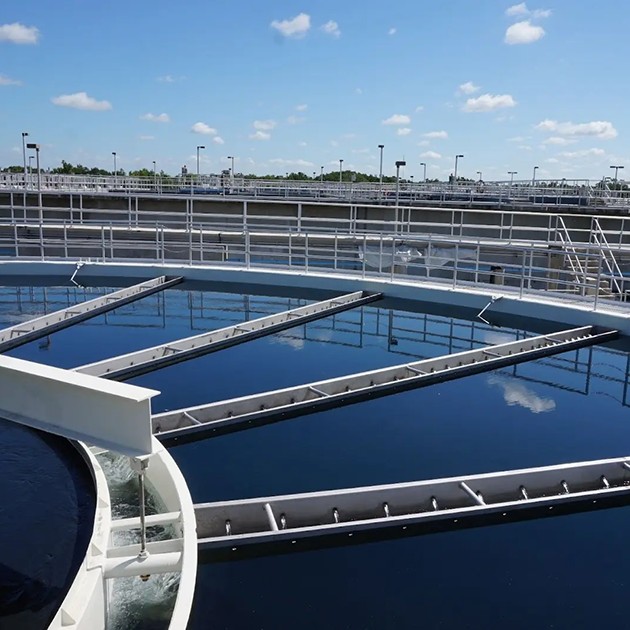
Municipal wastewater and desulfurization plants utilizing chlorine dosing, requiring robust safety showers in caustic chemical dosing zones.
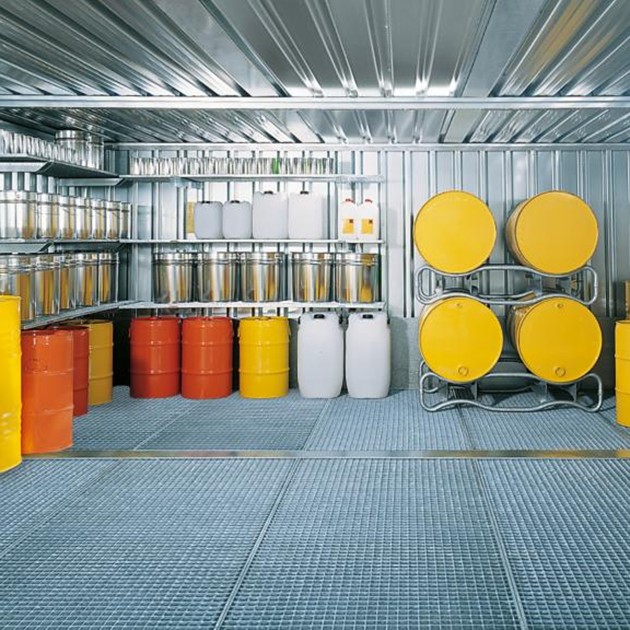
Logistics terminals handling Seveso III directive class chemicals, equipped with rapid-pedal combination eyewash stations.
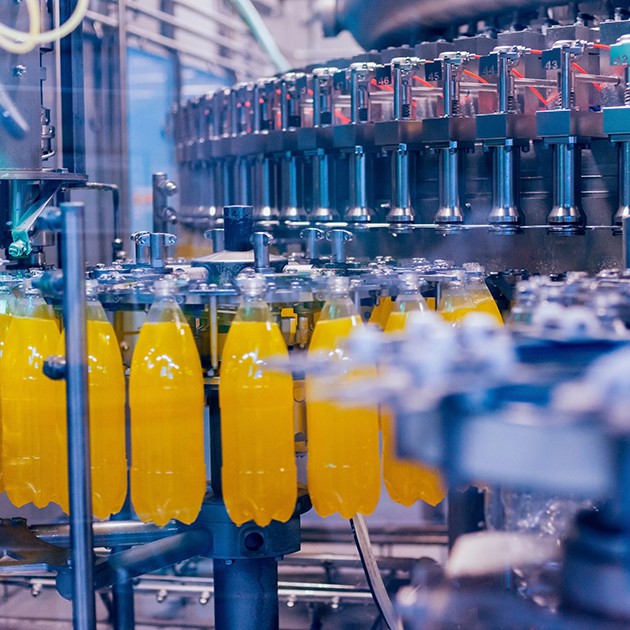
Sterilization, CIP caustic washing, and bottling operations in Parma and Verona where stainless hygiene and rapid washdown are vital.
Engineering excellence, custom fabrication capabilities, and dependable supply chain execution

We own complete 3D CAD/BIM models for every plumbed station. Our in-house R&D team customizes pipe geometry, valve actuation, and footprint layouts to match Italian plant retrofit requirements.
Nearly three decades of continuous innovation deliver reliable hydraulic mechanisms, freeze-proof valves, and dependable eyewash equipment proven across challenging industrial environments.
Based in Tianjin minutes from China's primary international maritime hub, we operate direct container shipping schedules to Genoa, La Spezia, and Trieste, ensuring short transit lead times.
Manufactured to rigorous ISO 9001 and CE/EN standards. We provide transparent documentation, hydrostatic pressure certification, and dedicated after-sales replacement component support.
Digital monitoring, remote telemetry, and automated alarm integration for plumbed equipment
Italian enterprises are actively adopting Piano Transizione 4.0 framework incentives, upgrading traditional mechanical safety hardware into connected, traceable industrial safety nodes. Plumbed-in emergency equipment is increasingly connected to plant-wide SCADA and DCS systems. Activation of a shower pull rod or eyewash push plate instantly triggers digital signals: activating localized acoustic-optic beacons, notifying on-duty occupational health teams, and capturing water flow logs for subsequent HSE audits required under Italian law.
As sustainability initiatives take center stage across European manufacturing, modern plumbed-in systems must integrate closed-loop testing catch basins and smart self-flushing valves to avoid legionella colonization in standing pipes—a critical concern in Mediterranean climates. Our equipment design incorporates smooth bore stainless internal geometries, low-lead or lead-free brass components, and automated purge compatibility, enabling Italian plant operators to achieve both uncompromising worker protection and stringent environmental compliance.