Leave Your Message
Swiss Industrial EHS Precision

Personal Eye Wash Bottle Factories & Product for Switzerland

Engineering medical-grade ocular decontamination units, emergency station systems, and portable chemical rinse solutions tailored for Swiss pharmaceutical clusters, precision watchmaking, and high-altitude alpine safety compliance.

The Swiss Industrial & Occupational Health Landscape

Switzerland represents one of the most sophisticated, safety-conscious industrial environments in the world. Dominated by global life sciences giants in Basel, high-precision watchmaking and micro-mechanics across the Jura Arc, advanced chemical synthesis in Valais, and cutting-edge robotics in Zurich, the Confederation upholds uncompromising standards for occupational health and safety (OH&S). Under the stringent oversight of the Swiss National Accident Insurance Fund (SUVA) and the State Secretariat for Economic Affairs (SECO), industrial facilities and research laboratories are mandated to maintain immediate, foolproof emergency eyewash infrastructure.
While fixed plumbed emergency combination showers and eyewash stations fulfill the rigorous requirements of EN 15154-1/2 and ANSI Z358.1, the unique topography and operational workflows of Swiss facilities create a decisive demand for personal eye wash bottles and supplementary portable eyewash units (conforming to EN 15154-4). In modern Swiss cleanrooms, precision electroplating baths, and sub-alpine infrastructural work sites, plumbed water supplies are either unavailable, impractical, or located beyond the vital 10-second threshold. A handheld, sterile personal eye wash bottle placed directly at the workstation provides the indispensable bridge between accidental toxic contact and medical stabilization.
CH
Pharma & Chemical Corridor
From Basel-Stadt to Visp, high-potency active pharmaceutical ingredients (HPAPIs) and aggressive synthesis reagents demand targeted, isotonic, and sterile buffering eyewash solutions to halt chemical burning before irreversible corneal necrosis occurs.
SU
SUVA & EKAS Directives
Swiss federal guidelines enforce zero-failure protocols regarding caustic chemical handling. Personal eye wash bottles serve as mandatory personal protective gear (PPE) adjuncts within arm's reach of chemical fume hoods and transfer skids.
AL
Alpine & Infrastructure Engineering
Alpine tunneling (such as the Gotthard and Ceneri projects), hydroelectric dams, and high-altitude transport hubs face sub-zero temperatures where piped water freezes, requiring portable, self-contained personal flushing units.

Our Story: 26 Years in the Industry of Occupational Safety

At WELKEN, we believe all workers have the right to return home safely. Our journey began in 1998, rooted in a simple, yet profound mission: to manufacture safety equipment that never fails when it matters most.
Over two decades, we grew from a standard factory into a National High-Tech Enterprise. In 2007, we took our first steps into the global market, bringing advanced manufacturing precision to the world. Today, WELKEN is more than just a brand—it is a trusted shield for personnel in over 70 countries, protecting lives from the oil fields of the Middle East to the rugged mines of South America, and now serving advanced European engineering and Swiss industrial distributors with specialized emergency eyewash hardware.

Craftsmanship & Technology: The Precision Behind the Protection

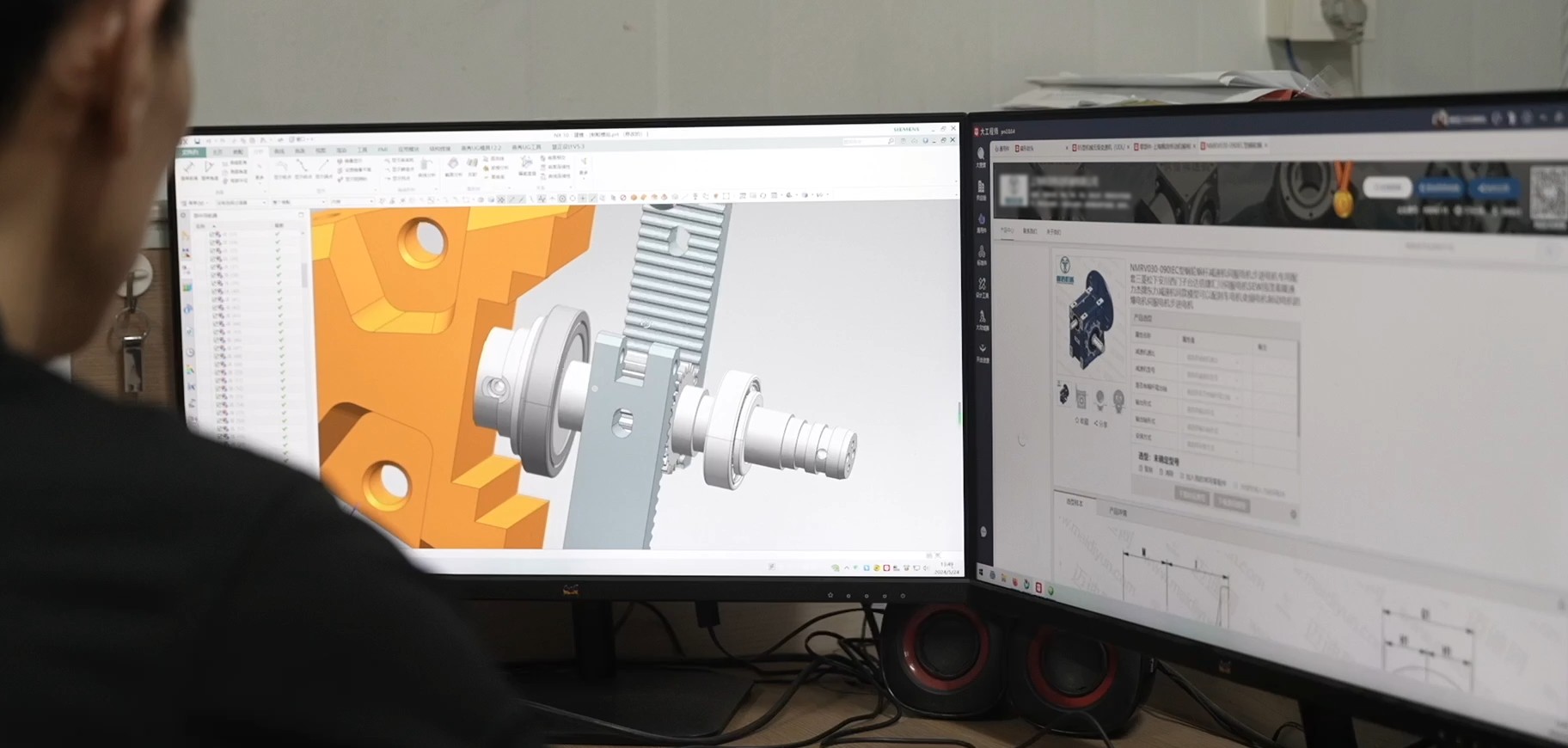
We don’t just manufacture products; we create peace of mind. Our vast expertise lies in a comprehensive unified system where creative design meets industrial compliance. Every eye wash station, portable emergency canister, and personal eye wash bottle assembly reflects meticulous dimensional accuracy and fluid-dynamic consistency.
Creative Design and Precision Tooling for Swiss Standards
Creative Engineering: Ergonomic Nozzle Design & Flow Dynamics
Industrial Compliance and Automated Production Lines
Industrial Compliance: EN 15154 & ANSI Certified Manufacturing

Integrated Factory Systems & Testing Precision

Integrated Manufacturing Process
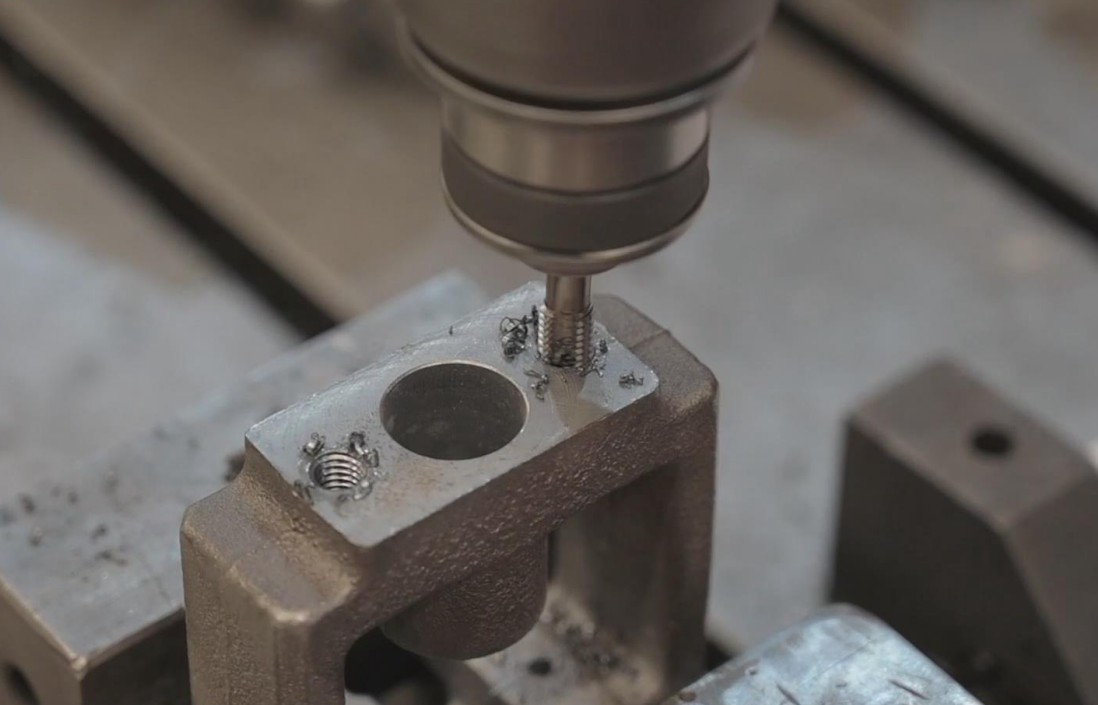
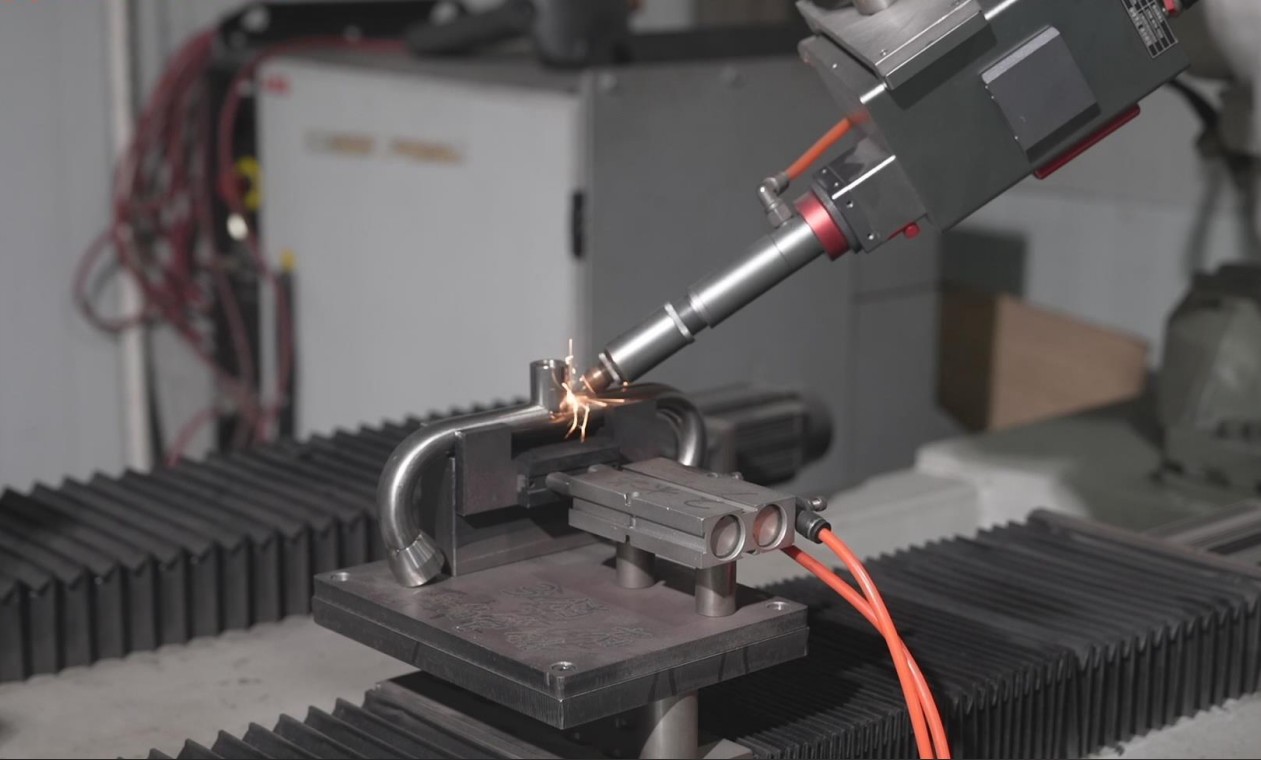
From our specialized mould-making and injection moulding workshops to our advanced CNC machining centers, we control every millimeter of the process. This integration allows us to transform a design into life-saving equipment with precision. Whether producing blow-moulded medical-grade polyethylene bottles with integrated eyecup diffusers or surgical-grade 304/316 stainless steel eyewash basins, tolerances are held to micrometer-level exactness.
The R&D Soul
Our technical team is not just experienced; they also bridge the gap between complex safety theories and practical, site-specific applications. We consult directly with environmental health and safety managers, industrial hygiene auditors, and procurement leaders to optimize wash durations, spray softeners, and chemical resistance.
Integrated Manufacturing Process and CNC Facility
ANSI Quality Standard Testing and Fluid Mechanics Verification
The ANSI Standard & European Conformance
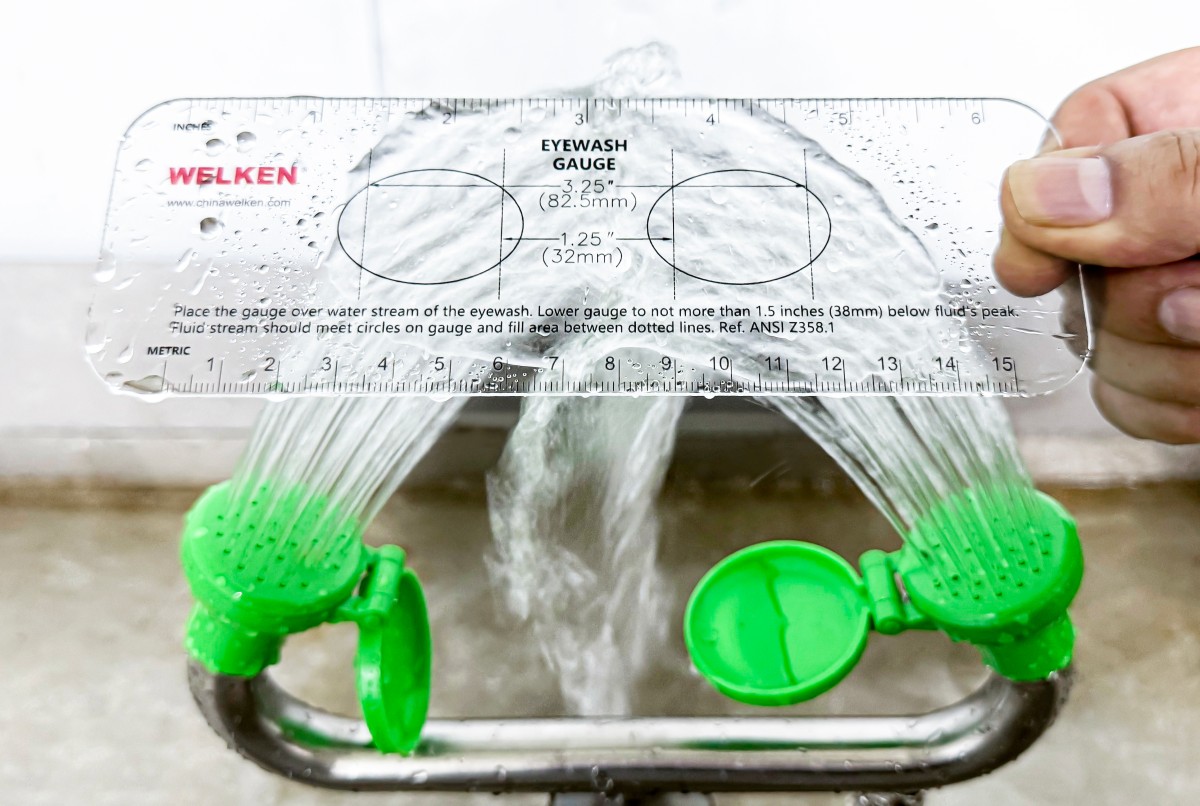
Quality is not a claim; it is a proven fact. Each shower and eye wash station is subjected to pressure, flow, and switch testing to guarantee that it surpasses the ANSI Z358.1-2014 and EN 15154 standards before it leaves our factory.
For personal eye wash bottles, our factory tests squeeze resilience, ergonomic valve sealing, flow continuity under inverse orientation, and sterile barrier preservation under extreme transit pressures. Swiss buyers receive verified batch documentation, material traceability certificates, and hydrostatic inspection reports on demand.

Industrial Evolution: Smart Eyewash & AI-Driven EHS Systems

Swiss industries are recognized globally as frontrunners in Industry 4.0, autonomous robotics, and continuous manufacturing. In this hyper-digitalized context, first aid and ocular emergency equipment are rapidly transitioning from static, passive fixtures into networked, intelligent safety assets.
Intelligent Eyewash Deployment in Swiss Smart Factories
Leading manufacturing plants in cantons like Aargau, Solothurn, and St. Gallen are piloting sensor-integrated safety stations. Personal eye wash bottle wall brackets are now equipped with RFID tags and optical displacement sensors. The moment an employee pulls an eye wash bottle from its station during an emergency:
• Automated Incident Trigger: The facility's AI safety management system immediately pinpoints the workstation coordinate, sounds a local audible alarm, and alerts the internal first response team (Betriebssanität).
• Predictive Expiration & Temperature Monitoring: Wireless IoT sensors monitor ambient temperatures (critical in alpine freeze zones) and track solution expiration dates automatically, completely eliminating manual inspection logs.
• AI Risk Heat-Mapping: By correlating chemical sensor telemetry with worker proximity, intelligent plant software recommends the dynamic placement of personal wash bottles near high-risk reactive areas.

Material Innovation for Critical Chemical Neutralization

Standard sterile water is often insufficient when dealing with strong industrial acids (like sulfuric, nitric, and hydrofluoric acids used in Swiss micro-machining) or alkalis (such as sodium hydroxide in pharmaceutical cleaning protocols). Our factory specializes in eye wash container vessels built from high-density, virgin fluorinated polymers that accommodate both isotonic 0.9% sterile Sodium Chloride (NaCl) solutions and sterile Phosphate Buffer solutions capable of neutralizing acute ocular pH variations in seconds.

Application Scenarios Across Swiss Cantons

Understanding where and how emergency personal eyewash bottles are deployed ensures that Swiss EHS directors, safety officers, and technical wholesalers choose the exact equipment profile needed for their operational environment:
Basel Chemical & Bio-Parks
In synthesis pilot plants and high-throughput screening labs, personal eye wash bottles are affixed directly to reagent handling bays. In the event of a micro-splash under safety glasses, workers immediately activate the ergonomic bottle cap to rinse the eye while navigating toward an ANSI combination shower.
Jura Watch & Micro-Mechanics
Precision micro-machining, laser cutting, and electroplating workshops utilize potent degreasers, cyanidic salts, and ultra-fine metallic chips. Wall-mounted dual-bottle personal stations provide swift particulate flushing without introducing high-pressure water turbulence that could cause corneal abrasion.
Alpine Civil Engineering & Tunnels
In heavy civil projects across Valais, Ticino, and Grisons, drill-and-blast operations generate caustic wet cement slurry and fine silica dust. Where piping infrastructure is absent, portable 35L pressurizable stations paired with freeze-protected pedestal units form the primary life-safety backbone.
Swiss Academic Research (ETH / EPFL)
Advanced university research laboratories in Zurich and Lausanne handle diverse unknown reactive matrices. Modular, easily relocatable eyewash bottles allow researchers to adjust emergency rinse positioning as experiment configurations adapt.
Food & Beverage Processing
Dairy and chocolate processing operations across central Switzerland rely on rigorous Cleaning-in-Place (CIP) procedures using concentrated caustic soda and peracetic acid. Robust, splash-proof eyewash stations protect sanitation technicians throughout plant washdowns.
Logistics & Battery Fleet Hubs
Automated fulfillment centers throughout Espace Mittelland operate extensive electric forklift fleets. Acid charging bays are required by SUVA to maintain dedicated eye irrigation gear directly adjacent to the battery docking rails.

Procurement & Technical Conformance for Swiss Safety Officers

Navigating safety equipment imports into Switzerland requires strict compliance with both Swiss Federal law and harmonized European standards. Safety professionals must evaluate four critical technical criteria when selecting an OEM factory partner for eye wash bottles and emergency wash hardware:
1. EN 15154-4 Harmonization: Personal eye wash units must deliver an uninterrupted, gentle, and continuous stream of washing fluid without exceeding hydraulic pressures that could damage delicate eye tissue. The eyewash bottle must have an anatomically contoured eyecup that comfortably holds the eyelid open during flushing.
2. Tamper-Proof Hermetic Seals: For pre-filled sterile solutions (0.9% NaCl or neutralizing buffers), the cap must feature a rapid twist-and-break or pull-off seal that ensures absolute sterility until the exact moment of emergency activation.
3. Chemical Compatibility of Plastic Resins: Factory-moulded bottles must be manufactured from medical-grade, phthalate-free, virgin Polyethylene (PE) or Polypropylene (PP) that will not leach volatile compounds into the rinse liquid over multi-year storage periods.
4. Bilingual/Trilingual Swiss Labeling: Safety equipment deployed across the Swiss Confederation frequently requires multi-lingual emergency pictogram instructions complying with ISO 7010 (green safety cross and eyewash icon), with operational text in German, French, and Italian.

Our Global Footprint: Bridging Safety Across Borders

Since 2014, WELKEN has been a fixture at the world's leading Occupational Safety exhibitions in A+A Düsseldorf. Our journey doesn't stop in Germany; we actively engage with industry leaders at major occupational health and safety exhibitions across the USA, Mexico, Singapore, Russia, Kazakhstan, Turkey, and other countries.
Because Swiss safety engineers and EHS procurement specialists regularly attend A+A Düsseldorf to source cutting-edge European and international safety hardware, our presence at this forum has fostered long-term collaborations with Swiss industrial buyers. We listen to the unique challenges of different markets, allowing us to provide diverse, site-customized safety solutions rather than just off-the-shelf products.