



Leave Your Message
Certified emergency eyewash instruments and testing apparatus engineered for UK laboratory specifications

Meeting rigorous HSE guidelines, COSHH frameworks, and BS EN 15154 architectural standards
The United Kingdom maintains one of the world's most advanced, heavily regulated, and technologically sophisticated laboratory sectors. Spanning pharmaceutical research clusters in the South East, petrochemical refineries along the Humber and Teesside, to advanced material laboratories in the North and Scotland, laboratory safety is governed under uncompromising legislative frameworks. Central to this safety apparatus is the provision of immediate, reliable, and compliant emergency eyewash equipment.
In the UK, emergency eyewash stations are not merely auxiliary accessories; they represent essential first-line life-safety barriers regulated by the Health and Safety Executive (HSE) under the Health and Safety at Work etc. Act 1974 and the Control of Substances Hazardous to Health (COSHH) Regulations 2002. Whenever personnel handle hazardous bio-reagents, concentrated acids, volatile alkaline solvents, or pathogenic strains, emergency decontamination apparatus must be accessible within a 10-second hazard radius without physical obstruction.
Fully compliant with BS EN 15154 (Parts 1 to 6) standardizing water volumes, fluid velocity, and uninterrupted 15-minute flush curves at controlled, non-injurious pressures.
Engineered to mitigate irreversible chemical burn injuries in environments subject to mandatory UK COSHH risk assessments and toxicological protocols.
Specialized BSP British Standard Pipe threading, WRAS-aligned fluid isolation valves, and modular bench-mount formats tailored for UK workspace dimensions.
When supplying original equipment manufacturer (OEM) laboratory eyewash stations to UK procurement authorities, contract engineering firms, and lab bench builders, strict technical attributes must be observed:
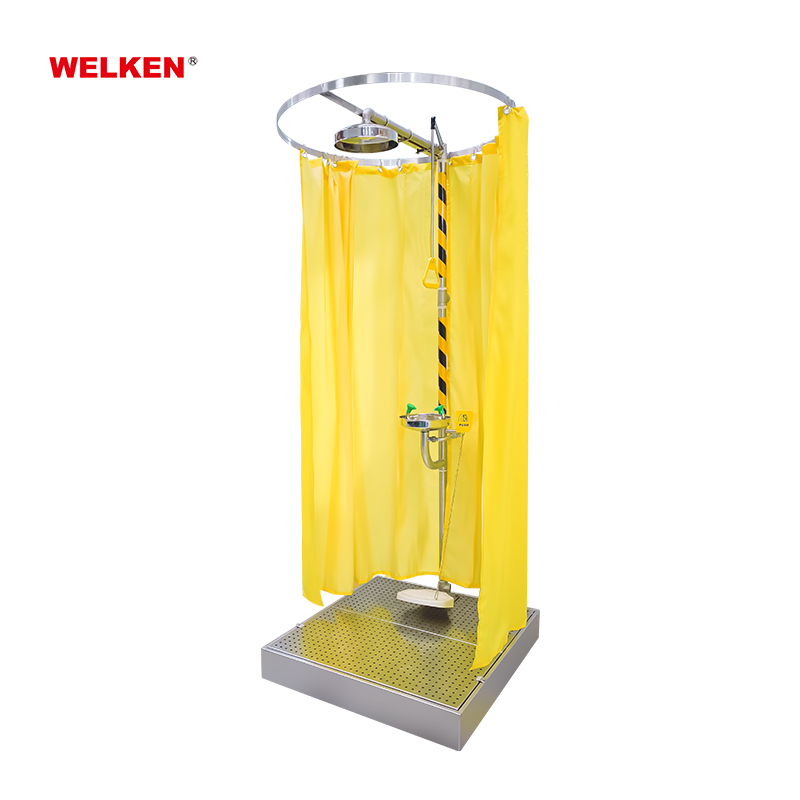
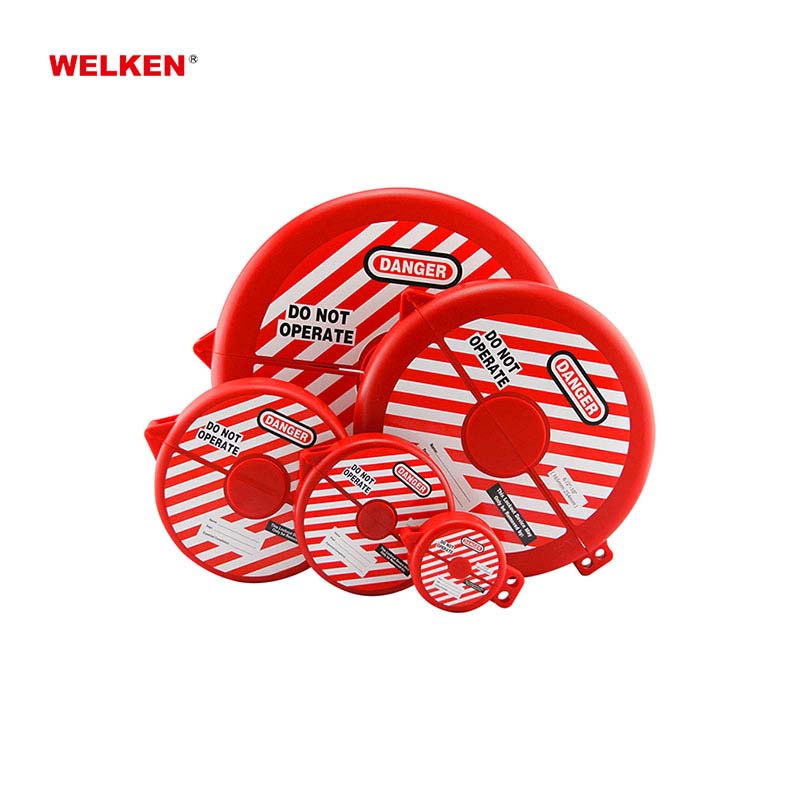
Adapting emergency washing technologies to modern scientific corridors and smart industrial labs
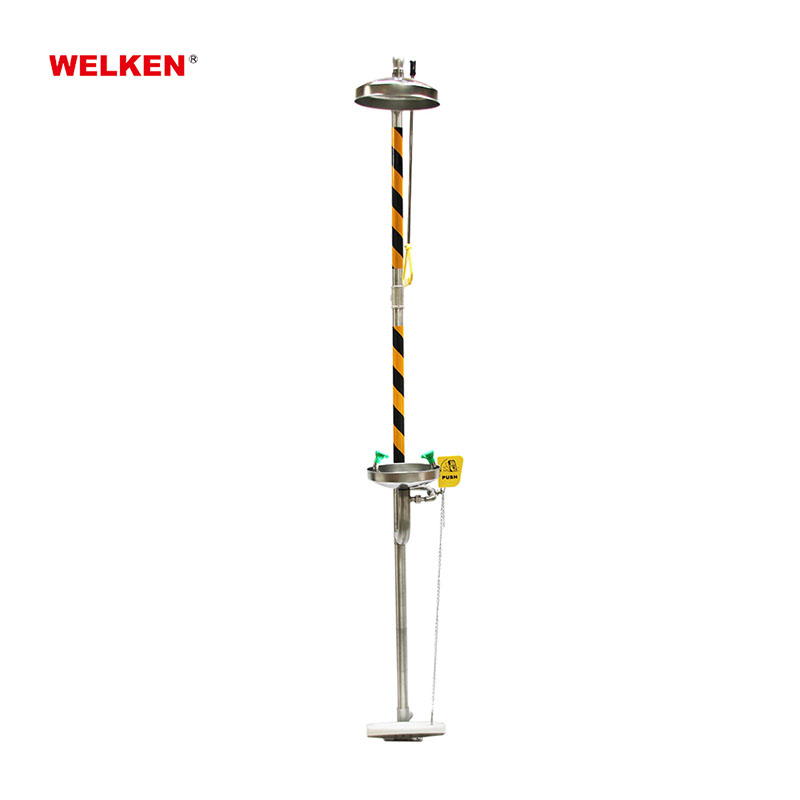
The concentration of pharmaceutical research, genomics laboratories, and biotechnology incubators throughout the Golden Triangle has reshaped equipment expectations. In high-density research spaces like Silicon Fen in Cambridgeshire or the King's Cross Knowledge Quarter in London, benchtop space is at a premium. UK laboratory architects demand compact deck-mounted, swing-away, and wall-recessed eyewash configurations that activate seamlessly when rotated over a laboratory sink, automatically shutting off when swung back into stowed position.
In industrial zones such as the Teesside Industrial Complex, the Humber Industrial Cluster, and Grangemouth in Scotland, emergency eyewash stations are exposed to harsh acid fumes, marine air, and high-temperature petrochemical processing. For these sectors, standard powder-coated mild steel fails within months. As an OEM manufacturer, we construct stations exclusively from marine-grade AISI 304 and electropolished AISI 316 stainless steel. These alloys demonstrate near-total resistance to pitting, crevice corrosion, and aggressive solvents like concentrated sulfuric acid, nitric compounds, and aromatic hydrocarbons.
Laboratory facilities across the United Kingdom are rapidly transitioning toward digitized Building Management Systems (BMS). Modern eyewash installations must address critical facility challenges:
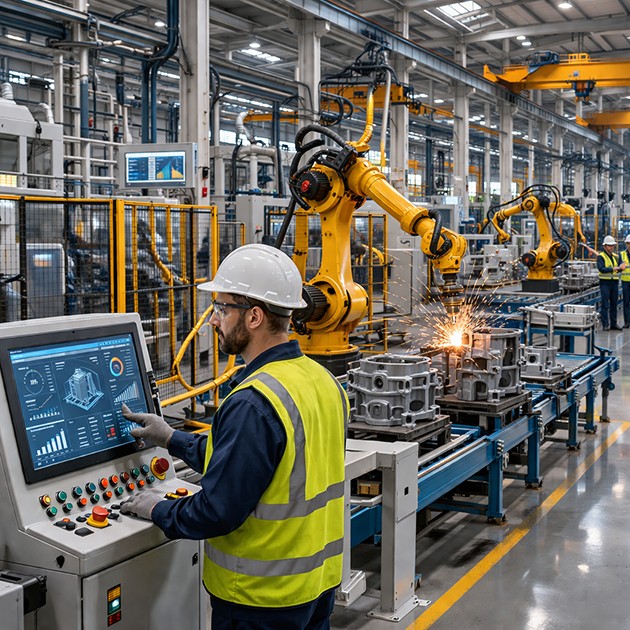


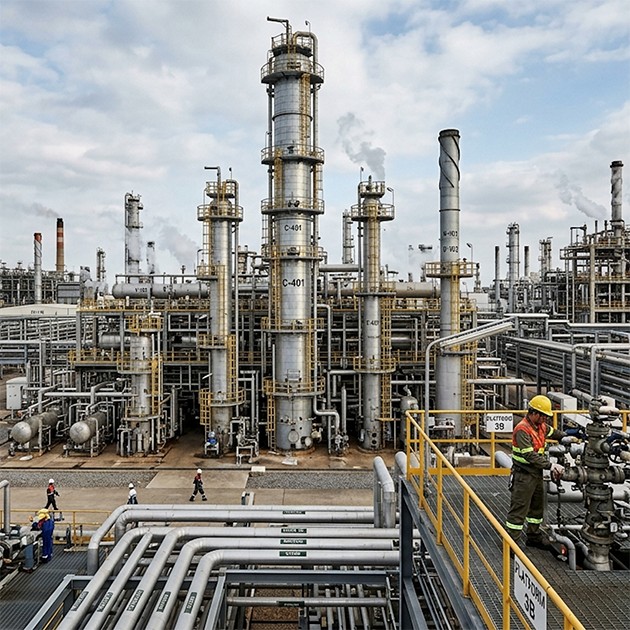
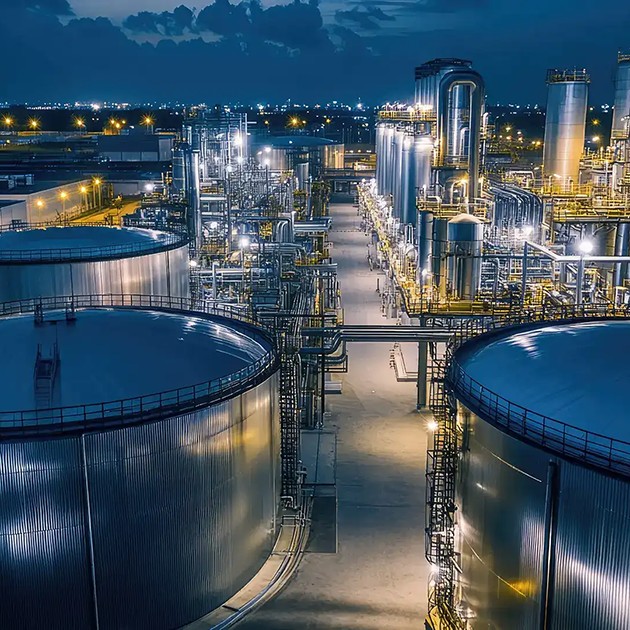
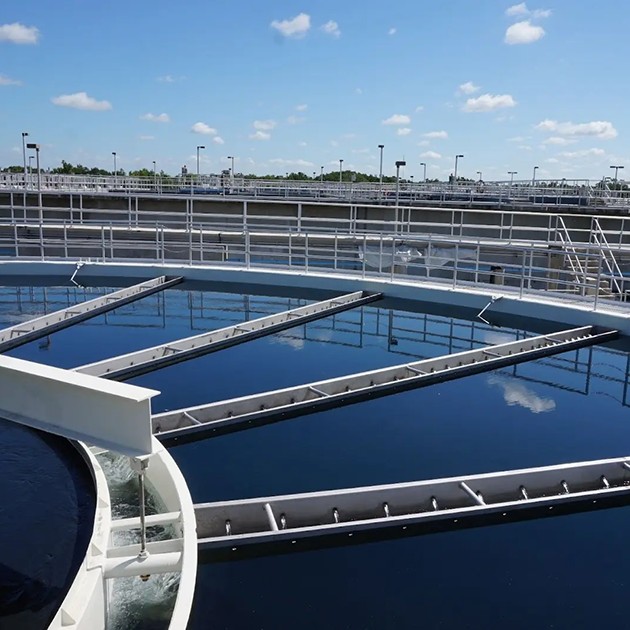
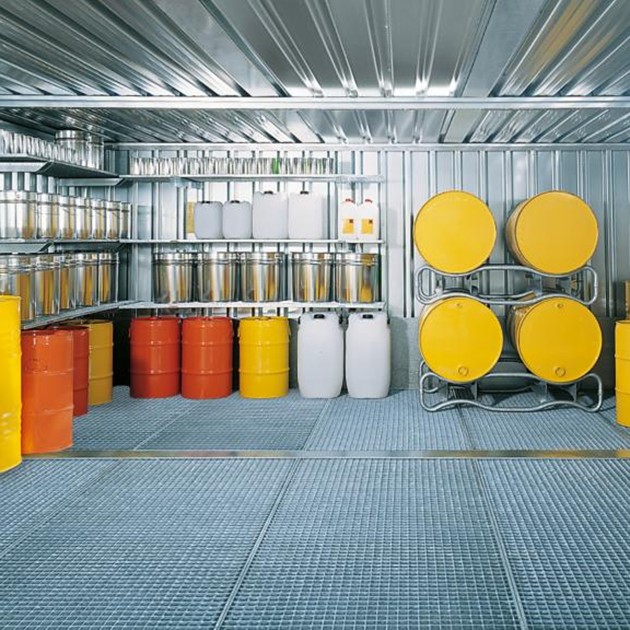

Engineered for high-reliability deployment across United Kingdom cleanrooms, universities, and industrial sites