


What is the difference of lockout box and hasp lockout?
2026-06-12
The primary distinction is in the place of application and the number of energy isolation points to be locked out.
1Lockout Hasp
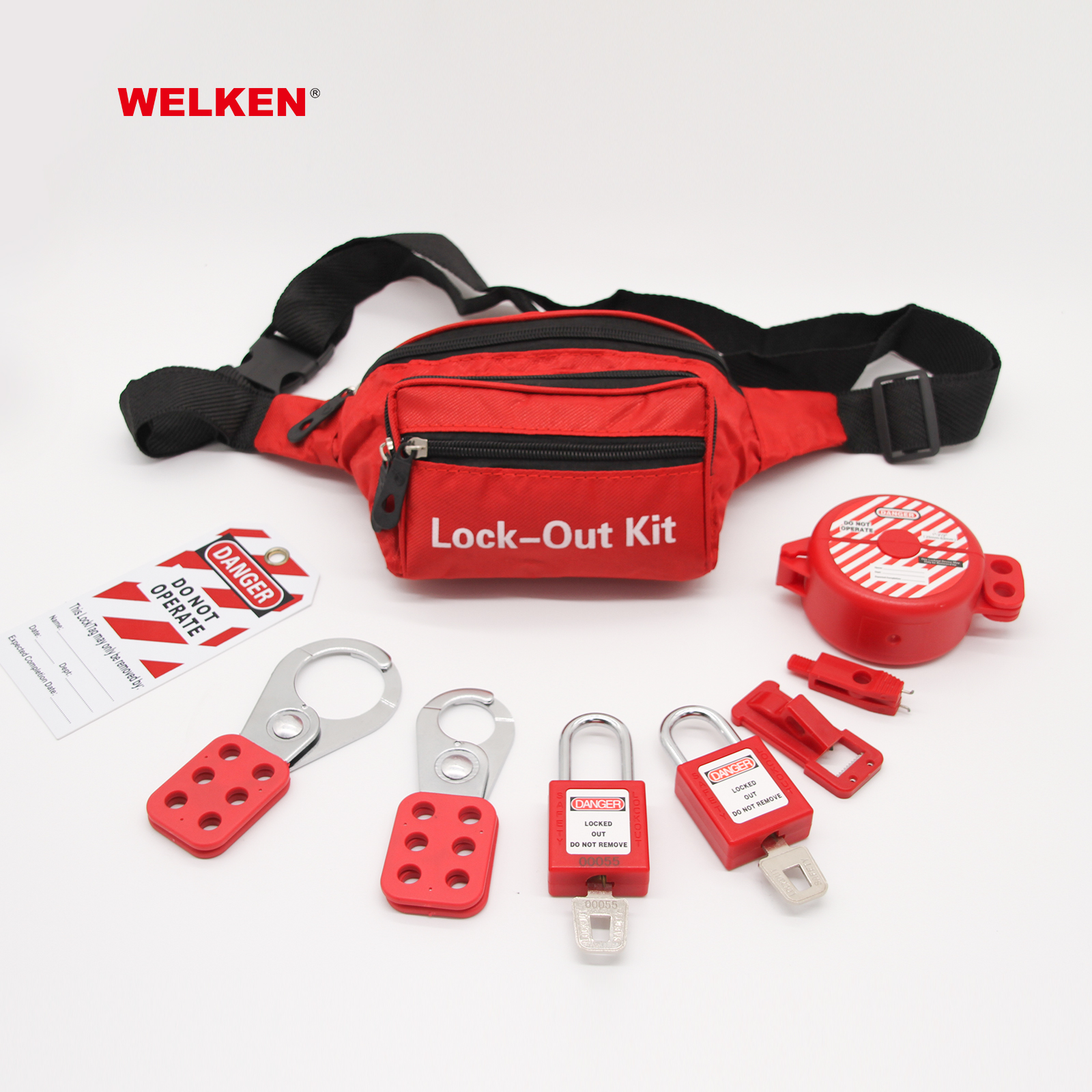
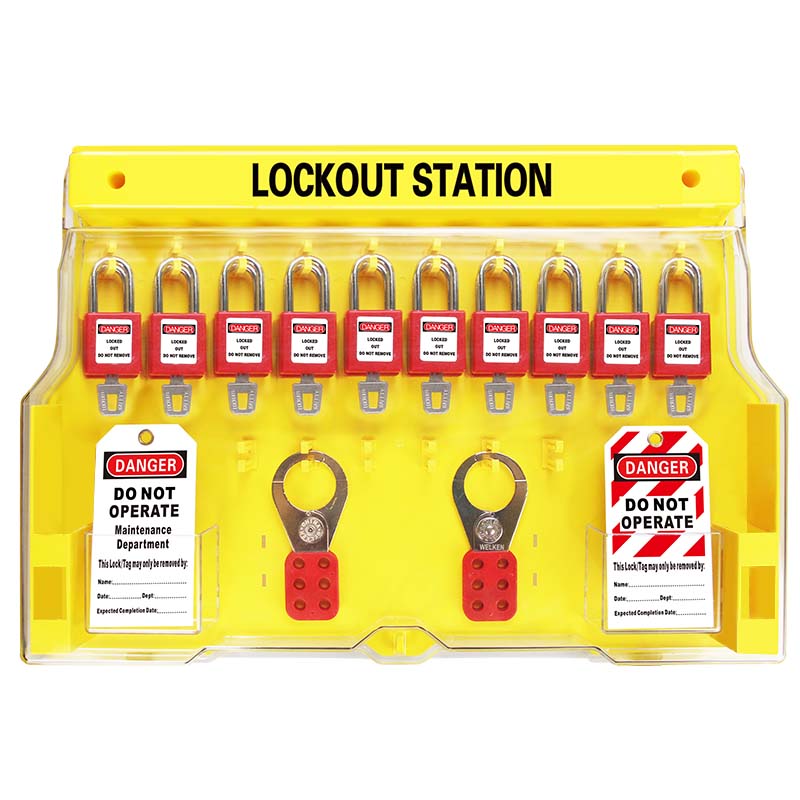
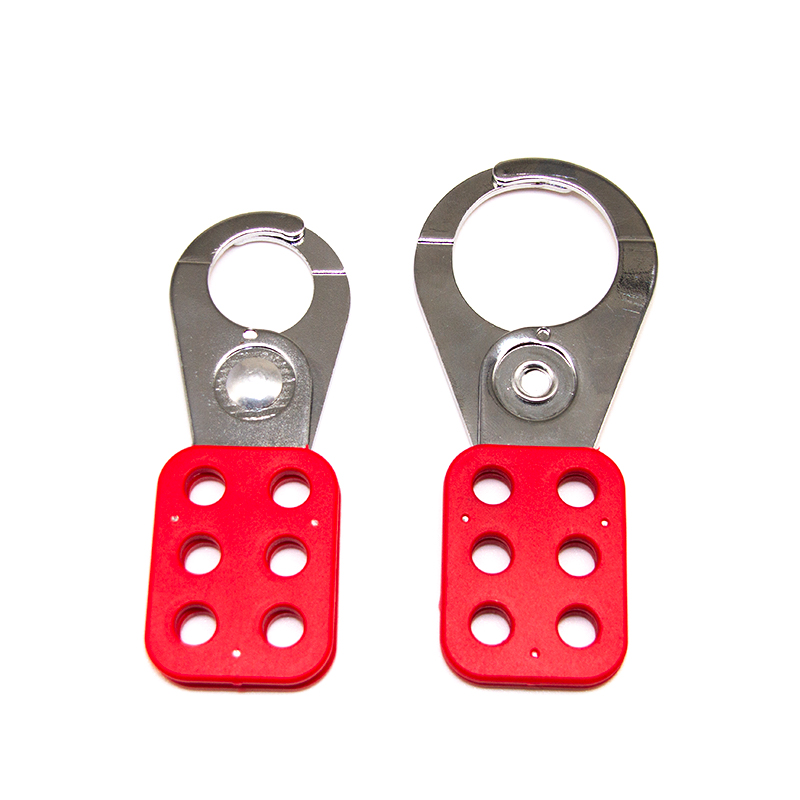
A lockout hasp is a scissor-like tool that allows a plurality of people to apply their own padlock on a single point of energy isolation (such as a valve, circuit breaker, switch).
How it works: You thread the hasp through a point of energy isolation or a lockout device. After folding, the hasp usually has 6 or more holes. Every release worker puts their unique locksmith or tag through the hole.
The Safety Feature: This isp cannot be open and the machine cannot be turned on before the last employee’s padlock is removed.
Best used for: Simple machinery with one or two energy isolation points per machine.
2Lockout Box (Group Lockout Box)
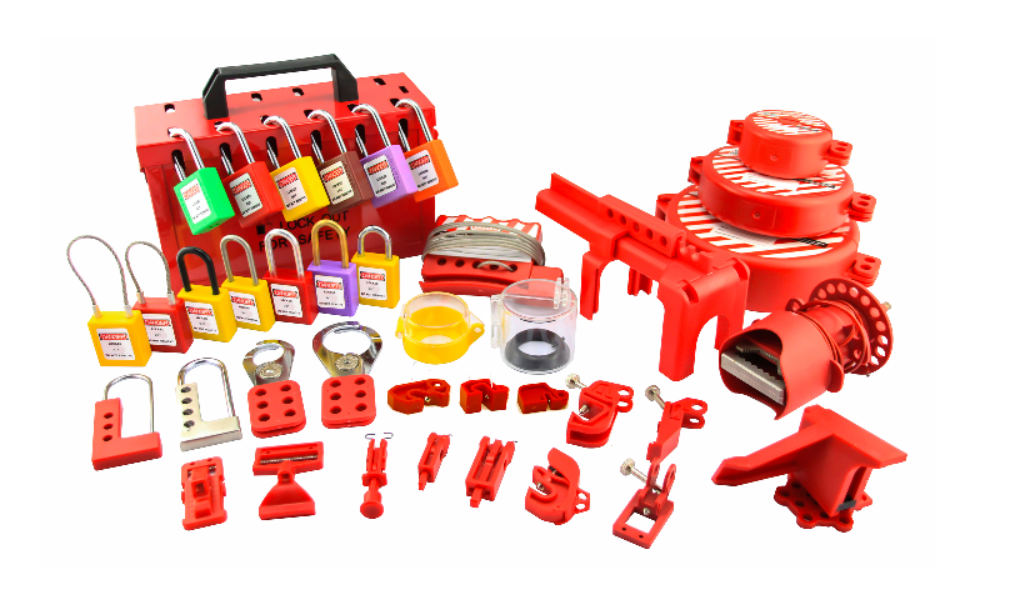
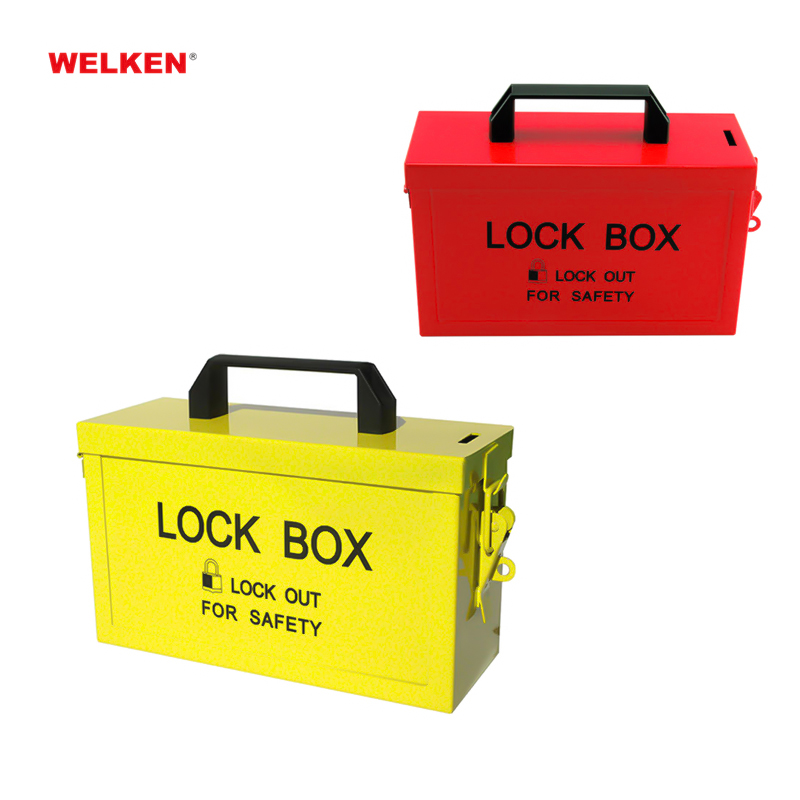
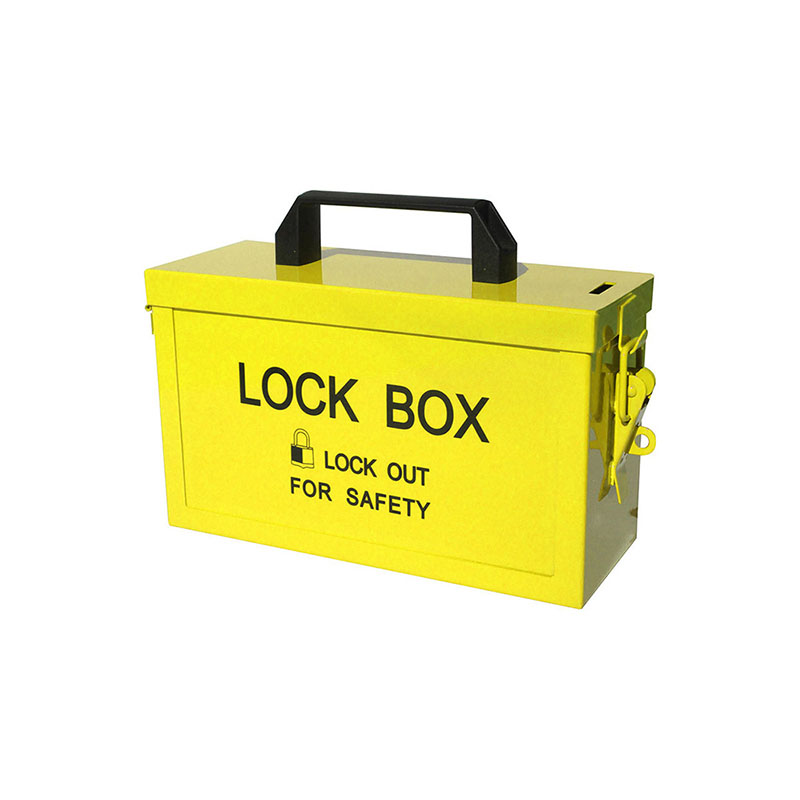
Lockout box. A lockout box is a container – commonly a box – used for the concurrent storage of multiple padlocks – associated with a group lockout or team lockout.
How it works: Rather than employees meandering around with dozens of personal locks, a supervisor locks out all energy isolation points (valves, breakers, feeds) with a small number of specialized equipment locks. The keys to all those locks are put in the lockout box.
The safety mechanism: the supervisor closes the box. The box has a hasp-like closure on the outside. Each worker who is qualified then places their personal padlock to the outside of the box. If even one worker's lock is attached to the box, it cannot be opened, the keys cannot be taken out, and the machine can not be turned back on.
Ideal Usage: Lockout box is best suited for large maintenance jobs, and plants or factories that need to lockout 5, 10 or even 50 different sources of energy simultaneously.
Quick Comparison
| Feature | Lockout Hasp | Lockout Box |
|---|---|---|
| Primary Purpose | Allows multiple padlocks on a single isolation point. | Safeguards the keys to multiple isolation points. |
| Location | Attached directly to the machinery, switch, or valve. | Kept at a central, accessible location or staging area. |
| Complexity | Best for simple, single-point lockouts. | Best for complex, multi-point, or multi-team lockouts. |
| Efficiency | If a machine has 10 isolation points and 5 workers, you'd need 50 personal locks without a box. | With a box, you use 10 equipment locks and only 5 personal locks on the box. |
Safety Reminder: Whether you use a hasp or a box, they are all governed by the golden rule of LOTO: One worker, one lock, one key - no exceptions. Do not trust your life to someone else’s lock.