


WELKEN Industrial Padlock Keying Systems: Four Essential Options
In safety lockout/tagout (LOTO) protocols and facility management, selecting the appropriate keying system for safety padlocks is vital for maintaining security, efficiency, and operational safety. Based on organizational hierarchy and access requirements, keying systems are generally categorized into four primary configurations: Keyed to Differ (KD), Keyed Alike (KA), Master & Differ (MK), and Master & Alike (KAMK).
1. Keyed to Differ (KD)
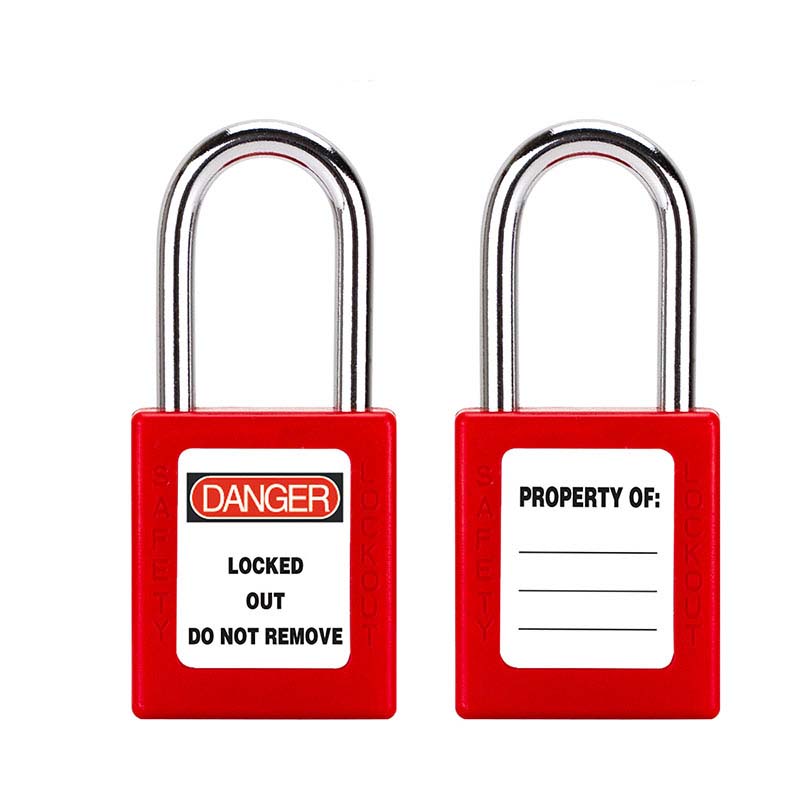
Under the Keyed to Differ system, each padlock is equipped with a unique key cut, meaning padlocks cannot be opened mutually. For example, Lockout 1 can only be opened by Key A, while Key B and Key C cannot operate it. This configuration provides individual accountability, ensuring that only designated personnel can open their specific locks. It is ideal for personal safety lockout applications where each worker is individually responsible for isolating machinery during maintenance.
2. Keyed Alike (KA)
In a Keyed Alike system, all padlocks within a designated group share the same key mechanism and can be opened mutually using any key from that set. Organizations can request multiple keys according to their operational needs. Furthermore, multiple independent groups can be customized so that padlocks between different groups remain mutually exclusive. This setup simplifies key management for workers who need to operate multiple padlocks on a single piece of equipment or across a localized area.
3. Master & Differ (Master & Keyed Differ / MK)
The Master & Differ system operates on a two-level keying structure. At Level I, each padlock has its own unique individual key, operating independently just like a Keyed to Differ system. However, at Level II, an overarching Master Key is provided, which can open all padlocks within the specified group. Organizations can establish multiple groups, with distinct master keys designated for each group to prevent cross-group opening. This structure is ideal for supervisors or safety managers who require emergency access without sacrificing individual worker lock integrity.
4. Master & Alike (Master & Keyed Alike / KAMK)
Combining the benefits of group convenience and hierarchical oversight, the Master & Alike system organizes padlocks into Keyed Alike groups at Level I, where padlocks within a group open mutually with identical keys. At Level II, a master key can be added to open padlocks across all groups. This multi-tiered system allows team leaders to manage their group's locks effortlessly while providing plant managers or safety officers overall access across multiple teams or operational zones.
Conclusion
Choosing the right keying arrangement depends on your facility's safety hierarchy, team structure, and administrative control requirements. By choosing between KD, KA, Master & Differ, and Master & Alike systems, organizations can strike an optimal balance between personnel safety and operational flexibility.