
Prevent Accidental Startup with Electrical Plug Lockout Devices
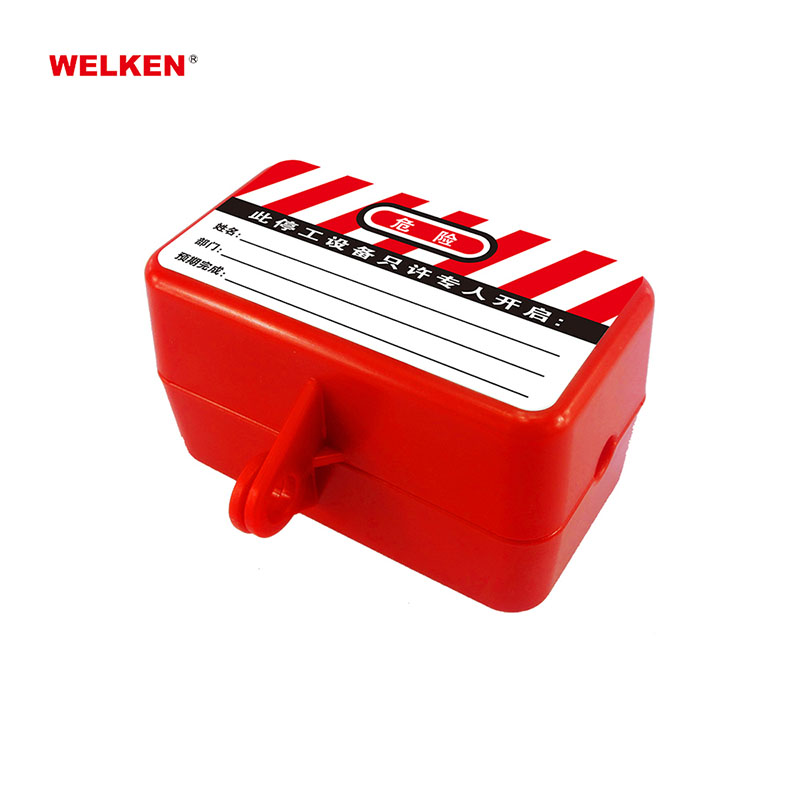
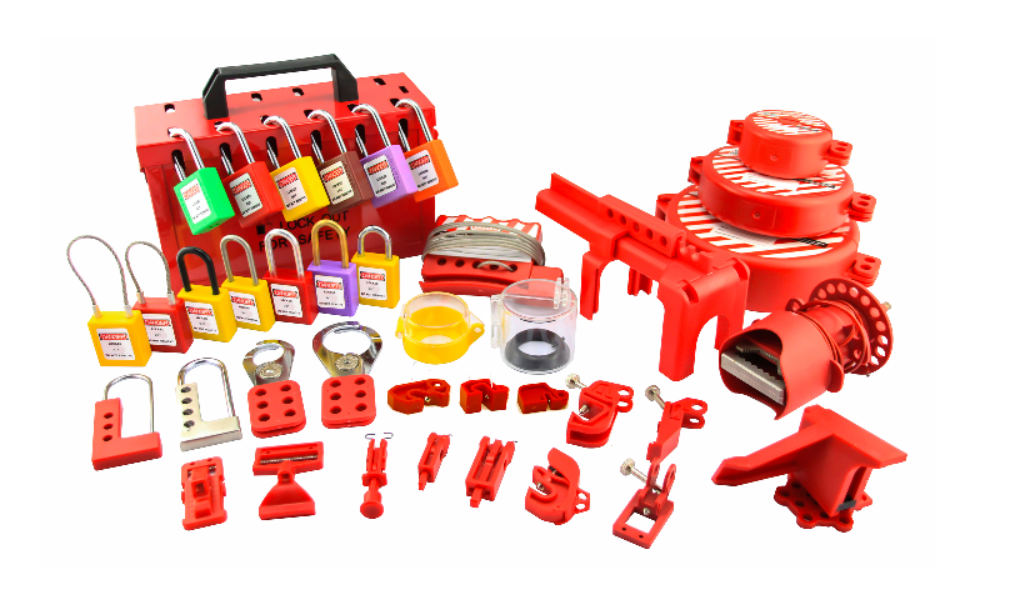
In factories and jobsites where electrical equipment is common, the danger of an unintentional startup while performing maintenance or repairs is still very real. Plug-powered equipment can be easily plugged back in if they are not securely locked out, which can cause injuries or damage to equipment. To solve this potential problem, the electrical lockout devices offer easy lockout solutions in today’s LOTO safety world.
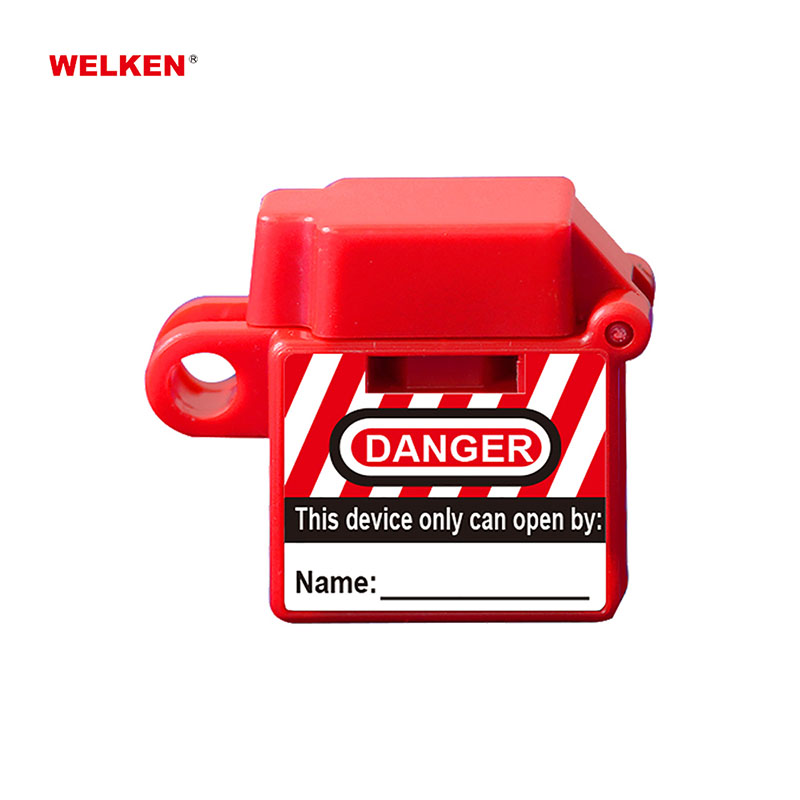
By completely enclosing electrical plugs, a electrical lockout device both blocks the holes in the power strip and stops the plug from being plugged in. The device allows the machinery to be locked out and can be secured with a safety padlock, ensuring that the machine stays disconnected from its power source when it is being serviced. So it should be no surprise to learn that the Power Probe (TPP) is one of the most critical tools you can have for testing portable electric equipment, power tools, and industrial tools.
Electrical lockout devices today are constructed of impact resistant materials such as polypropylene and proximity electrostatic dissipative (PES) and/or a corrosive resistant finishing, that offer long-term use in industrial environments. Its small and adaptable design enables it to suit different sizes of plugs and makes it ideal for applications in plant, workshops, constructions and maintenance places. Benefits of electrical lockout devices:
Prevents accidental equipment startup Like other electrical lockout devices, Pluggable electrical Lockout device also prevents accidental startup new of tools, machinery and electrical equipment before they are fully attended to .
Simple to put on and take off to avoid causing delays in machinery upkeep.
Suit multiple types and sizes of plugs.
Meets OSHA, CE and international safety standards.
Can be integrated with Lockout Tagout process, and other LOTO Devices.
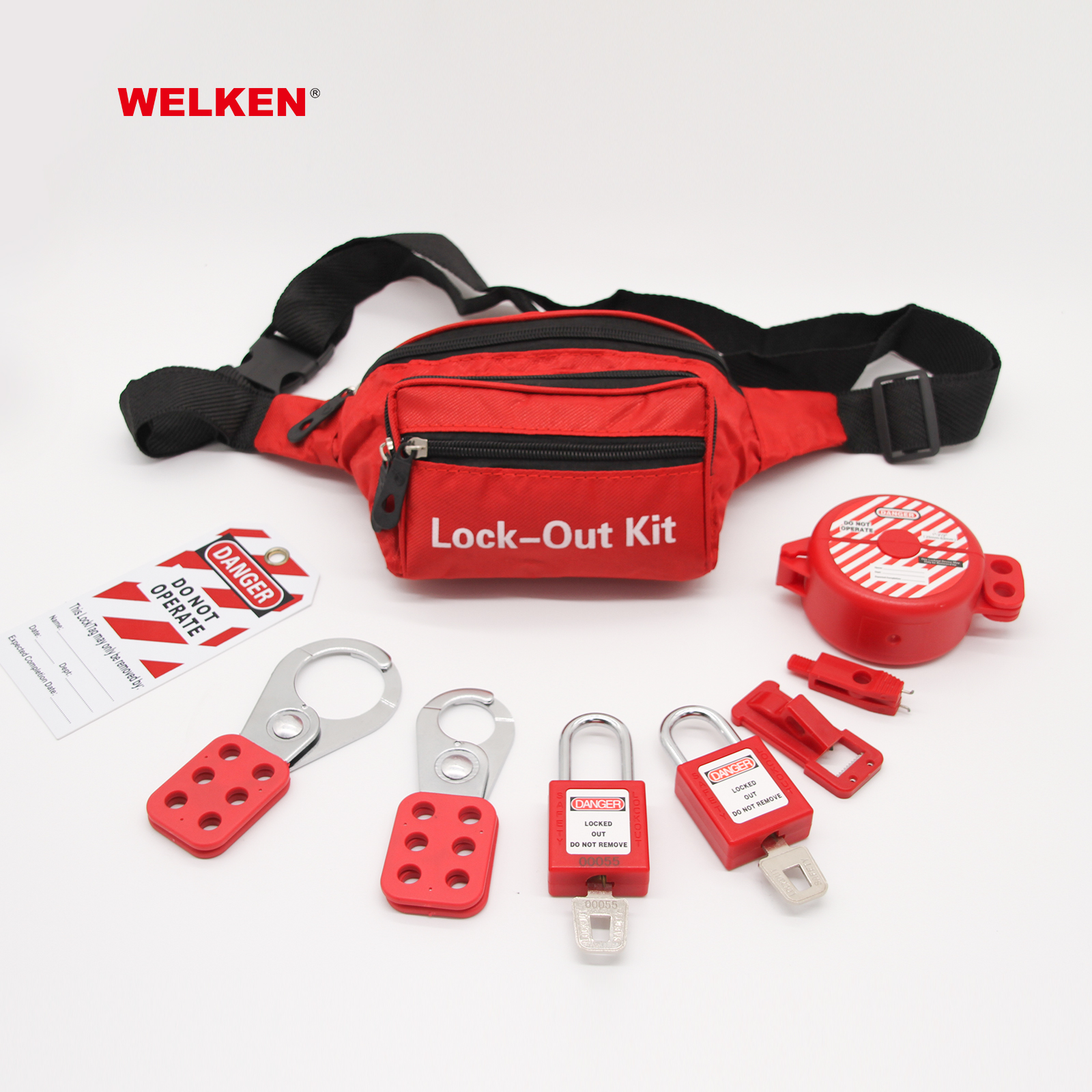
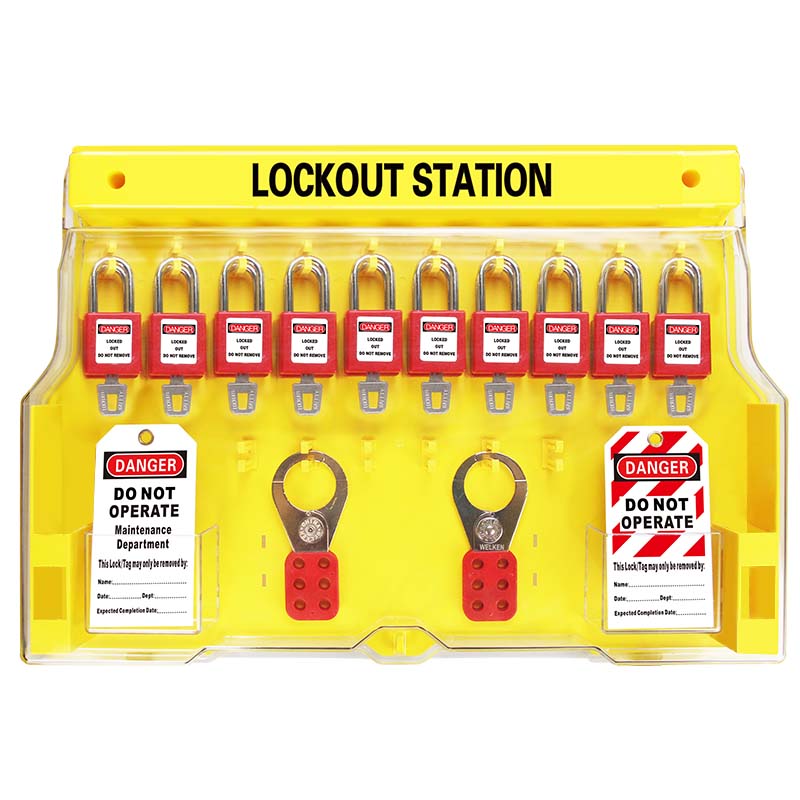
In combination with safety padlocks, lockout hasps and other energy isolation devices, electrical lockouts are essential component of an effective industrial safety program. They’re especially helpful in applications where equipment is regularly disconnected and reconnected, ensuring uniform safety procedures among different teams.