



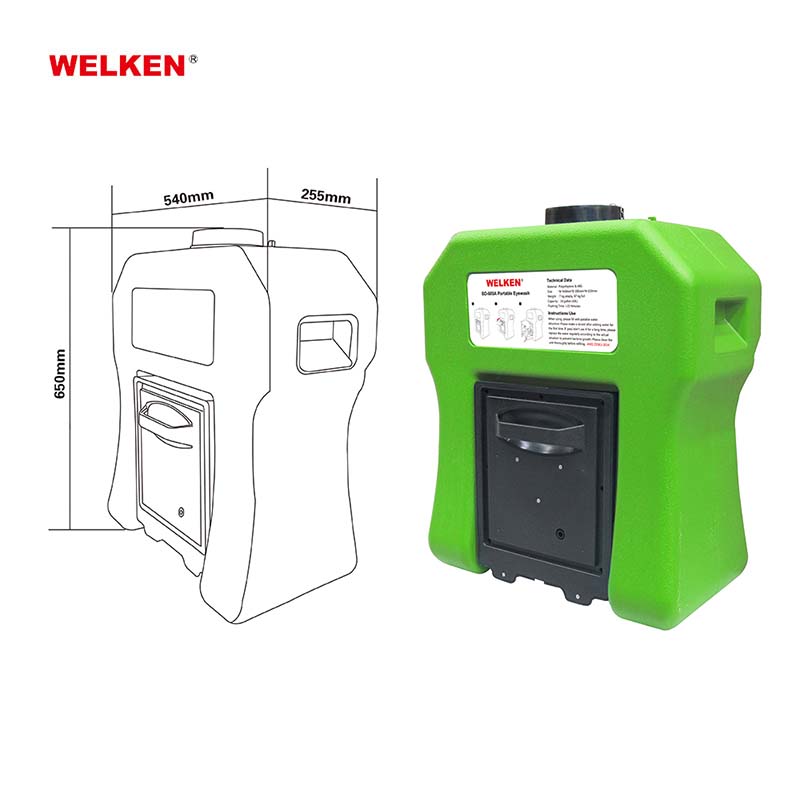
The Final Line of Safety: Why Every Facility Needs a Pedestal Eye Wash
2026-06-17
Key features of upright standing eyewash units:
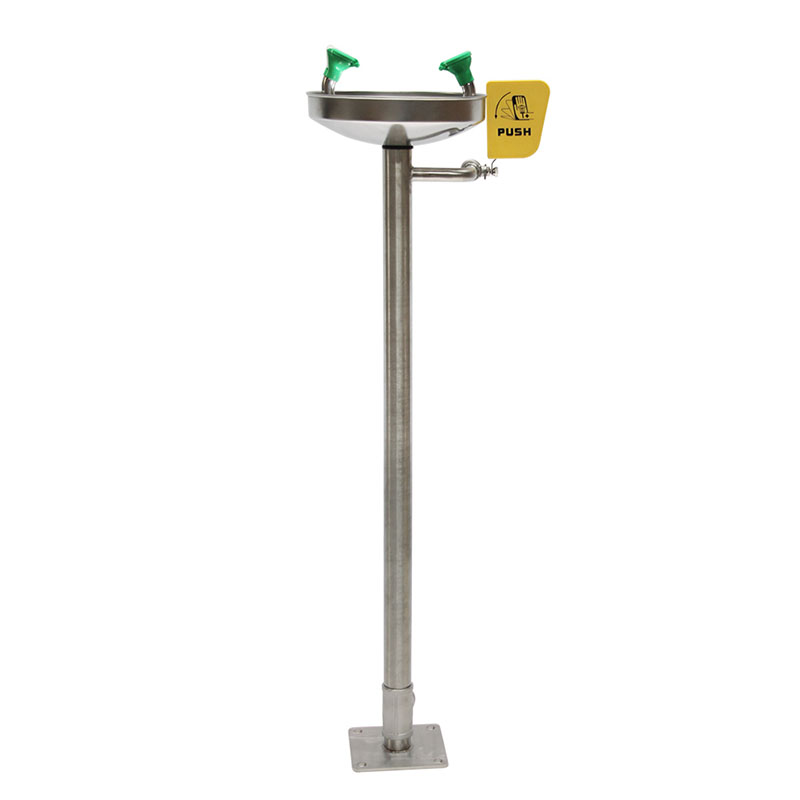
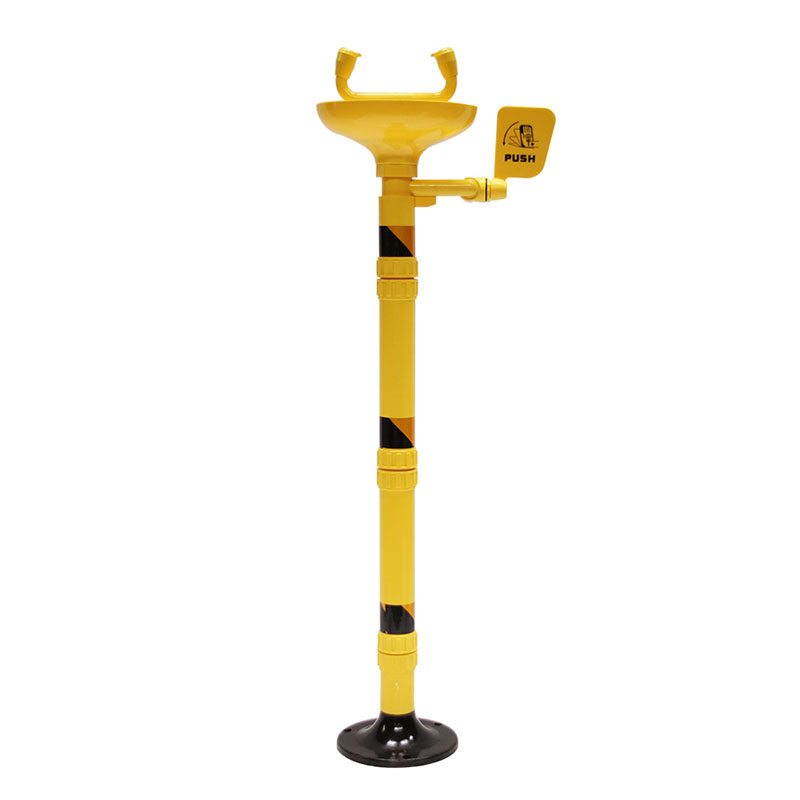
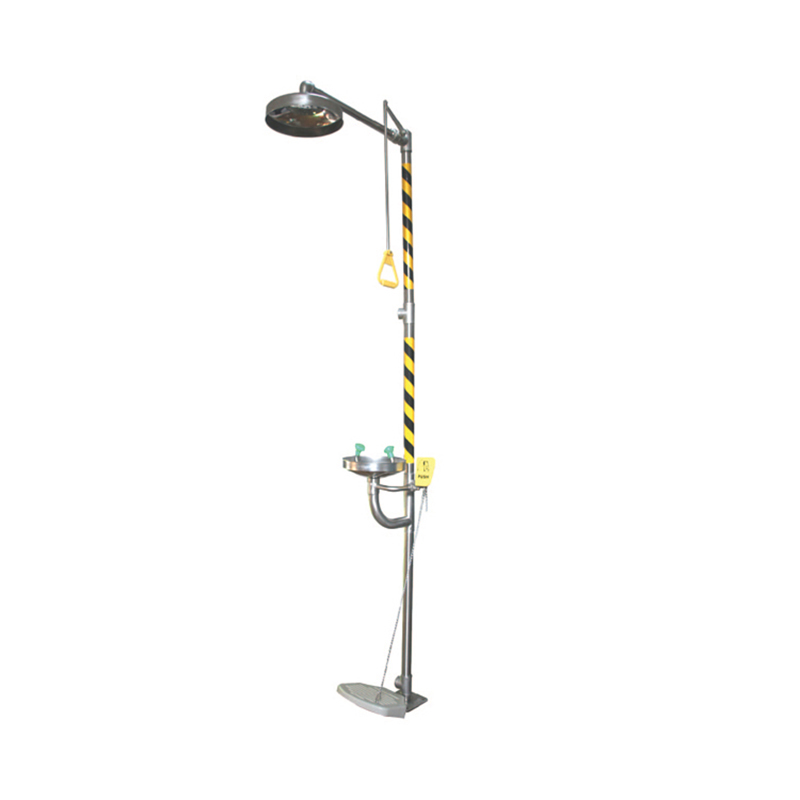
Design: Pillar-type eyewash stations are usually fixed on a pole or a base with convenience for use. They sometimes include a bowl or basin, which permits hands-free use.
Water Pressure: These are linked with tap water supply and they ensure full flow eye wash water to flush eyes with water continuously.
Start-up: Many eyewash stations now have a push rod or foot pedal to activate the water flow, so a person using one doesn't have to use their hands to start the water or hold their eyelids open while they're trying to rinse their eyes.
Your Compliance: Eyewash stations have to comply with certain safety guidelines, like those from the American National Standards Institute (ANSI) and the Occupational Safety and Health Administration (OSHA). That involves specifications for flow rate, water temperature, and design to make it easier for people to utilize the device.
Service : It is important to service and test eyewash stations regularly to maintain the function and water suitability for use.
Where to put your Eye wash: Your Eye Wash stations Eyewashers should be placed within 10 seconds walking distance from where their services are needed.... make them easy to recognize!
Significance:
The provision of standing eyewash stations in a work environment is very important to make sure the health and safety of an employee. The availability of eyewash stations at the site of an emergency can help minimize the chance of permanent damage to the eye and may decrease the severity of eye injuries. If you have any questions regarding the installation, maintenance, or relevant regulations of eyewash station, please don't hesitate to ask!