


Ensuring Workplace Safety: The Essential Role of Emergency Eye Wash Stations and Showers
2026-07-15
Why Decontaminate Right Away?
When a worker encounters a hazardous substance, the first 10 to 15 seconds of exposure are critical. Specialized consensus groups including the American Academy of Ophthalmology agree immediate and efficient irrigation can mitigate impact damage to eyes and skin. MARST reinforces the latest safety recommendations that stress a need for decontamination is a matter of urgency and shall be easy to use emergency plumbing fixtures located within arm's reach to the work areas.
MARST’s Promise Of Safety And Satisfaction In Compliance
The flow of flushing fluid in an emergency eyewash must be at a minimum constant rate for 15 minutes, due to the safety regulations like ANSI. MARST has designed its product range to fulfill such demanding requirements through the high-flow nozzles and convenient to use activation valves that are world renown.
Key Features of a Dependable Safety System
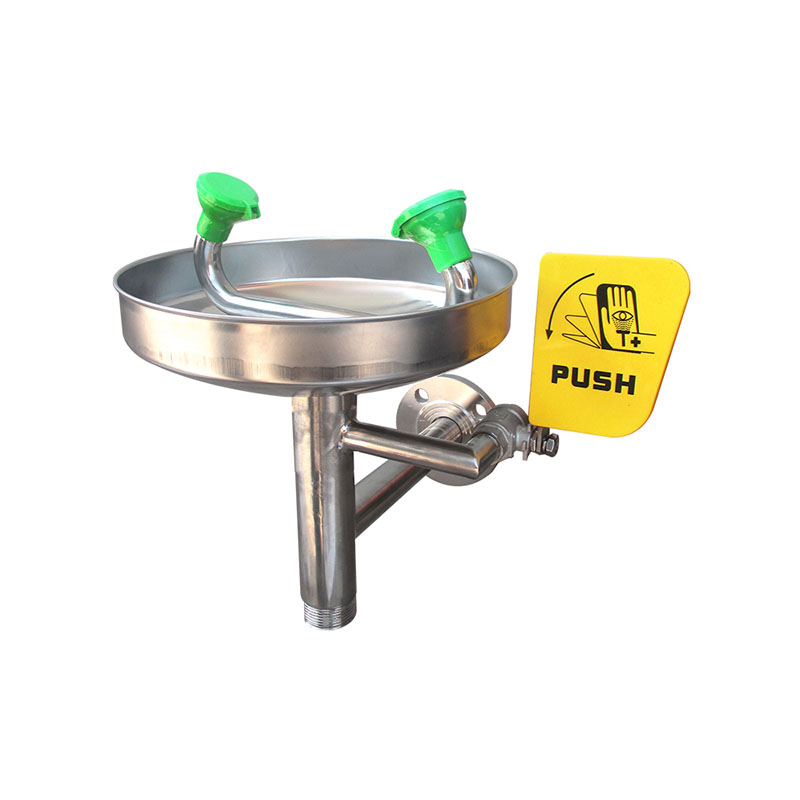
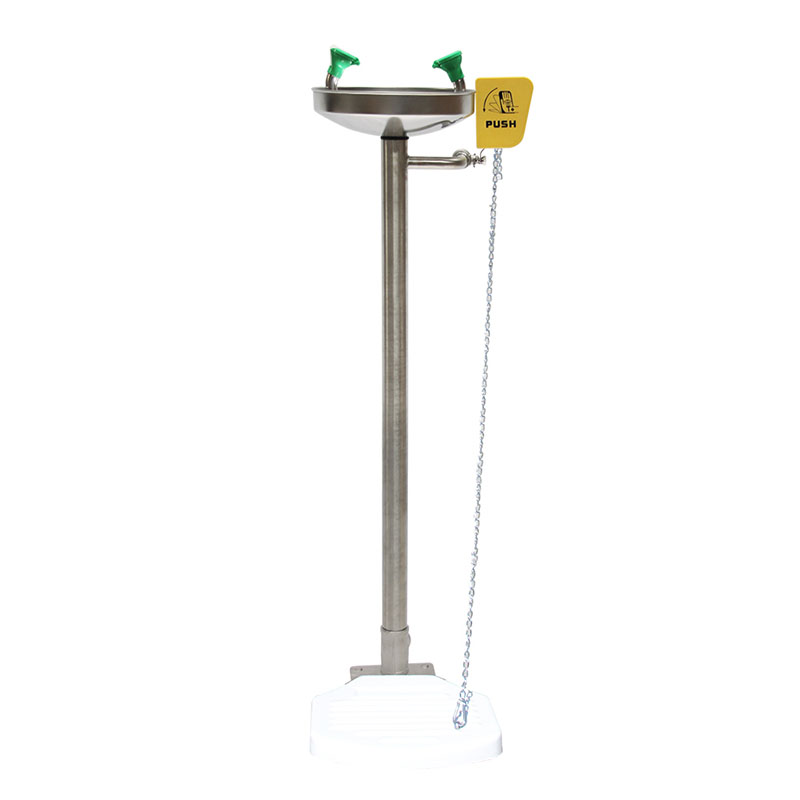
Eye/face wash units
These units can be used to flush the entire eye area.
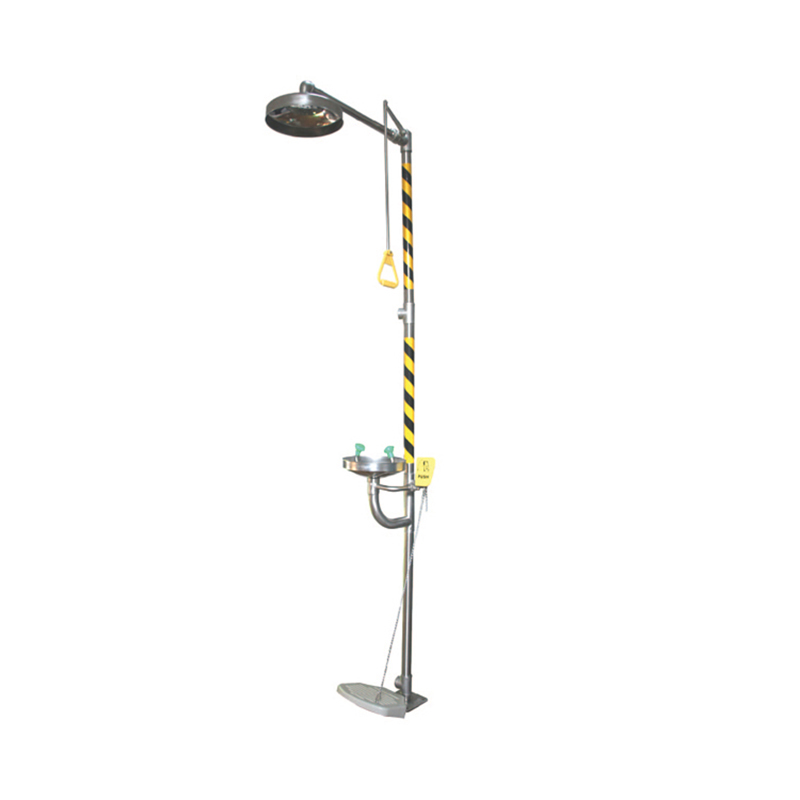
Combination showers
Combination showers, which consist of a drench shower and an eye wash, are best suited to rapid total body rinsing.
Corrosion-resistant materials
Utilizing industrial-grade components to ensure the equipment survives harsh chemical environments.
Identifiable signs
Make sure all the safety stations are clearly marked, even in confusion.
Maintenance Guidelines
Installation is only the beginning. MARST points out that equipment failure is frequently brought about by neglect. A rigorous inspection and testing schedule is mandatory. Flushing pipes regularly can help prevent sediment and stagnant water accumulation, and preventative maintenance scheduled can ensure flow rates are within regulated safety limits. In addition, the employees must be heavily trained in the safety aspects of the machinery and will need to be able to run the emergency equipment on instinct in such an event.
"Safety is not just about meeting regulatory requirements; it is about creating a culture where every worker feels protected," says a spokesperson for MARST. "Our goal is to ensure that when every second counts, our equipment performs flawlessly."
By focusing on placing these essential safety devices where they need to be installed, maintained, and readily accessible, organizations can substantially reduce the hazards of hazardous work conditions, providing for a safer, stronger workforce.