


CE Marking for Locks: A Comprehensive Guide to European Standards and Compliance
The CE mark is more than a label—it is a mandatory passport to the European market for lock products. Governed by the Construction Products Regulation (EU) 305/2011 (CPR), CE marking demonstrates that a product has been rigorously assessed to meet stringent safety, health, and environmental standards. For lock manufacturers, achieving compliance requires a thorough understanding of the applicable harmonized standards, product classification systems, and the specific requirements for different end-use applications, particularly fire doors.
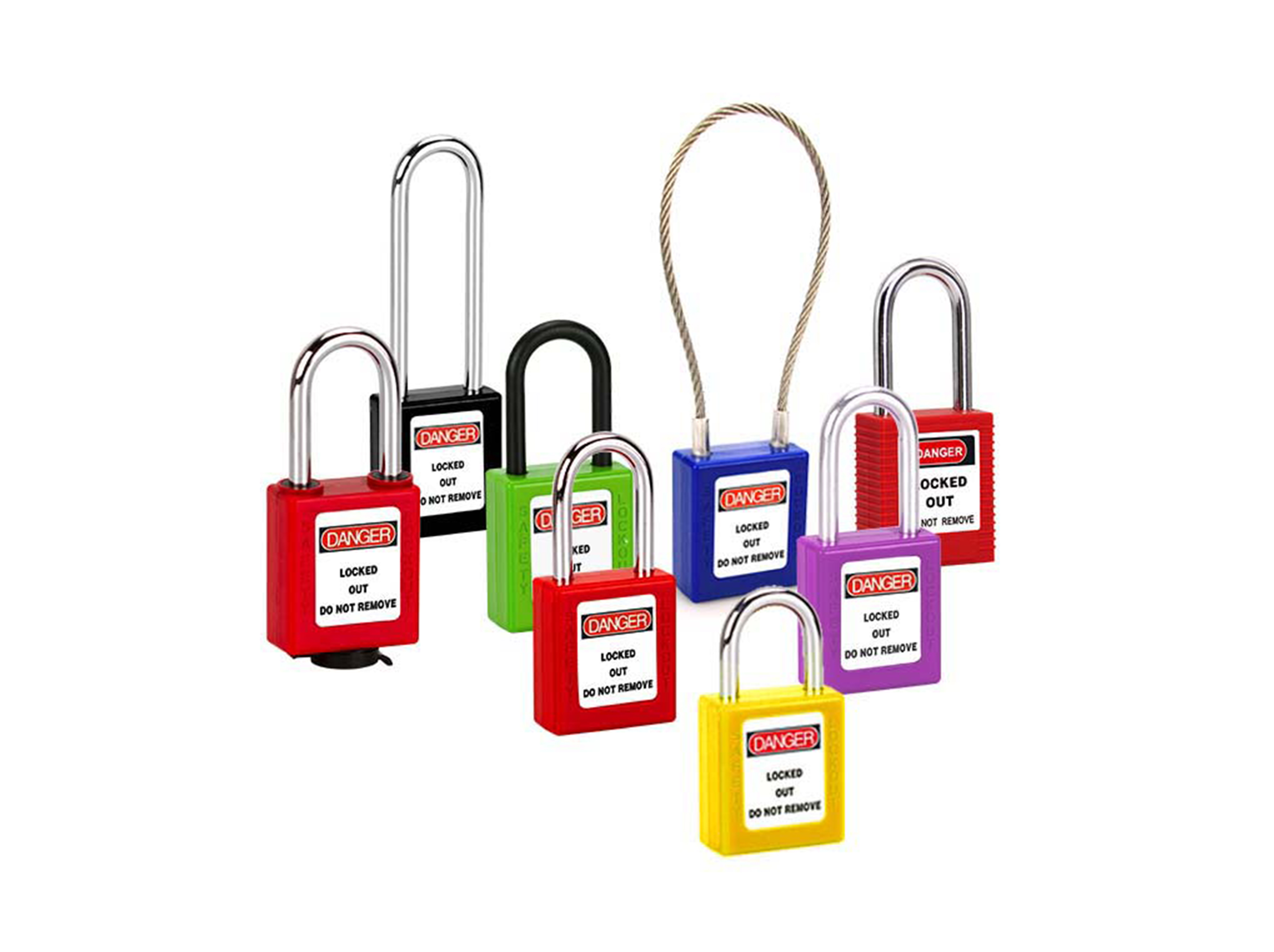
Mechanical locks are covered by EN 12209, which specifies requirements and test methods for durability, strength, security, and functionality of mechanically operated locks and locking plates used in building doors. The standard uses an 8-digit classification system covering categories from Grade 1 (residential, low misuse risk) to Grade 3 (public buildings, high misuse risk), durability cycles from 50,000 to 200,000 operations, and suitability for fire-resisting door assemblies. An important note: while BS EN 12209:2016 was published, only BS EN 12209:2003 remains harmonized for CE marking purposes.
Electromechanical locks fall under EN 14846, which addresses strength, security, durability, and functionality of electrical and electronic components. Requirements for purely mechanical features are covered by EN 12209. Currently, electromagnetic door locks are excluded from this standard but may be included in future revisions.
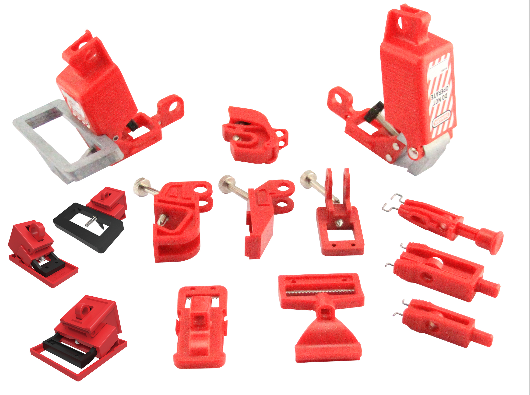
Emergency exit locks have their own standards: EN 179 for emergency exit locks with lever handles and EN 1125 for panic exit locks with horizontal bars. These products require certification under the CPR's System 1, involving initial type testing and continuous factory production control by a notified body