Are you Facility Really Prepared? Understanding What's Essential in the ANSI Z358.1 Standard for Industrial Safety
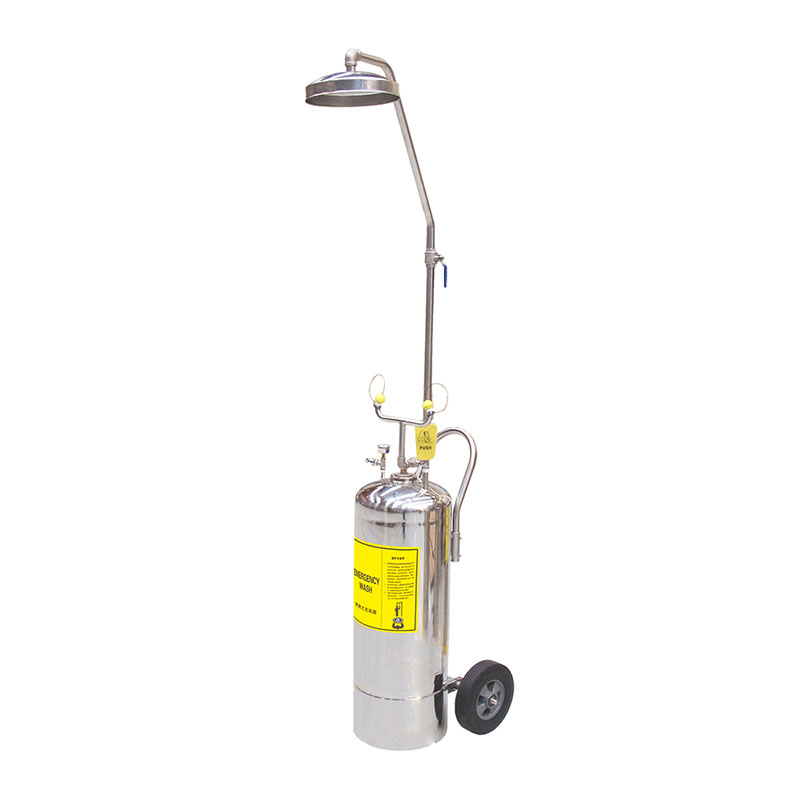
The American National Standards Institute (ANSI) and International Safety Equipment Association (ISEA) published a standard...the Z358.1 that covers the emergency eyewash and drench shower equipment manufacture, design, testing, performance, installation, maintenance and use.
And Although The occupational Safety and Health Administration (OSHA) requires the availability of suitable facilities for "immediate drenching or flushing," the ANSI Z358.1 standard is the industry’s “gold standard” that defines what these facilities should really look like and how they should perform.
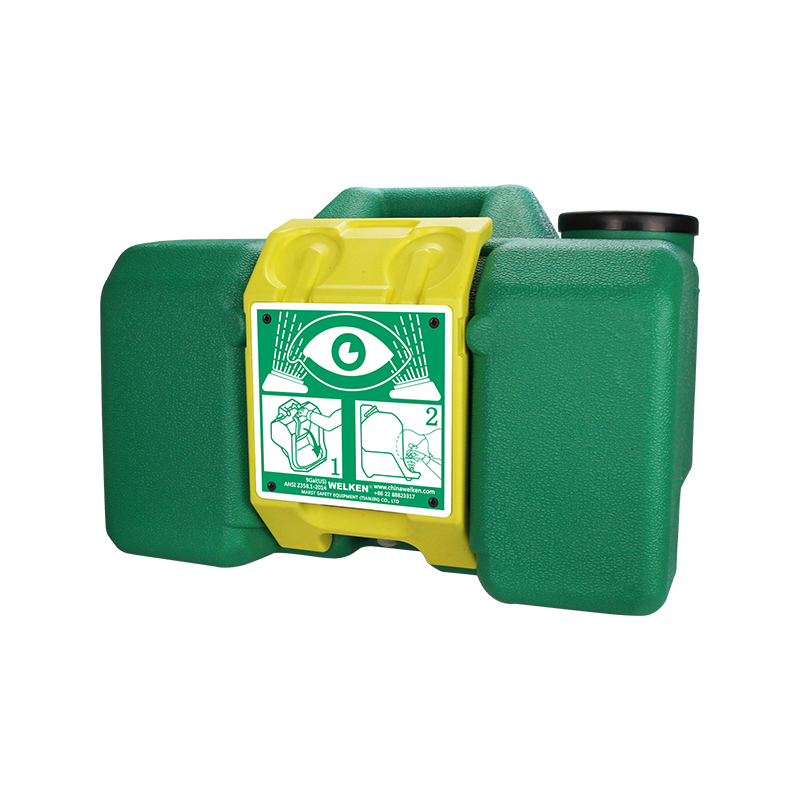
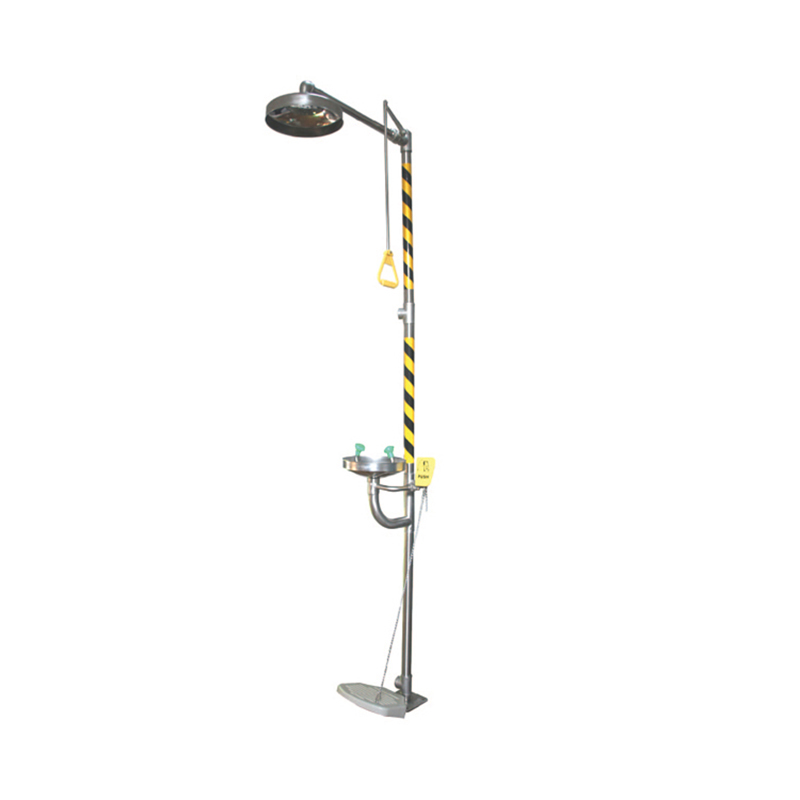
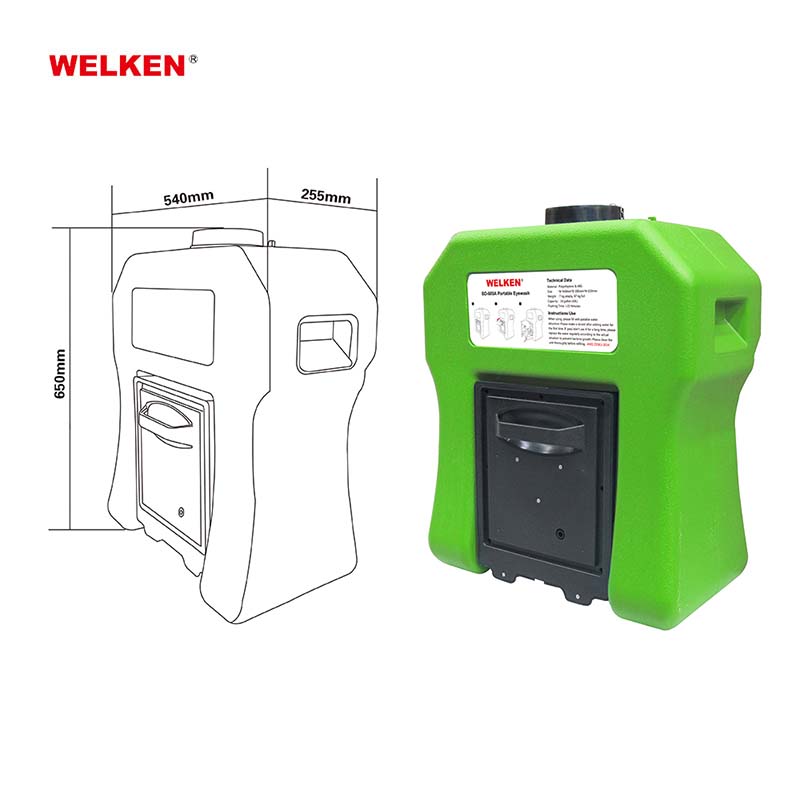
To make sure your shower is really in compliance and prepared for a facility-wide incident, all eyewash and safety shower units must have the following:
You should be able to get to the eye wash shower within 10 seconds of the hazard (~55 feet), located on the same level, and pathway should be clear of any obstructions.
The control valve of the eye wash shower shall be hands free and shall open to full flow in less than one second.
To seek ensure that the entire 15 minutes of irrigative treatment is carried out, the flushing medium be kept tepid¸ which is a temperature between 60°F and 100°F (16°C to 38°C).
An emergency eyewash must provide at least 0.4 gallons-per-minute (GPM) for 15 minutes and a drench shower must provide at least 20 GPM.
For combination units, If you want to use both the eyewash and the shower simultaneously, make sure both are available for use at the same time.
Nozzle spray should be protected from ambient particles, while dust covers should be self-ridding upon activation.
Installing the hardware is only half the battle. Weekly activation is important to purge the lines of sediment and bacteria so that when an employee for a flushing station, the water you provide is clean and the unit is fully functioning. To your plumbed eyewash or portable eyewash units by neglecting these simple routine checks you're literally putting your safety at risk.