


ANSI Eyewash Standards Are You Actually Protected or Just Compliant
When a chemical splash happens, seconds feel like hours. You don’t just need water; you need the right kind of flow to save someone's vision.
At WELKEN, we spend years of exploration, research and in-depth communication with users.
Here is a professional guide on what the standard actually requires:
The "Gold Standard" of Flow
Blasting the eyes with high pressure can actually cause more harm.
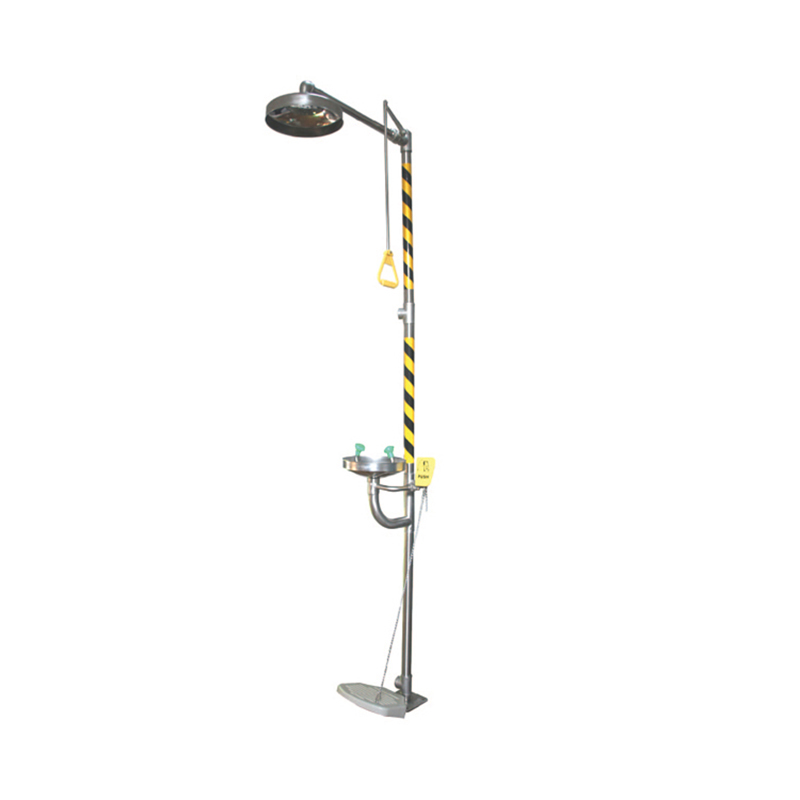
According to the ANSI Z358.1-2014 standard, a compliant emergency eyewash unit must meet bellow standards:
Gentle but Firm (Controlled Velocity): The water must be "non-injurious." Think of a soft bubbling spring, not a garden hose. High pressure can damage delicate eye tissue.
The 8-Inch Spot: The fluid must peak at least 8 inches (approx. 20 cm) above the nozzles. This allows the user to fit their face into the stream comfortably without having to "hover" awkwardly or touch the nozzle heads.
The 15-Minute Flushing Time: Once you activate the eyewash system, it must deliver no less than 0.4 gallons (1.5 liters) per minute flow for at least 15 minutes.
Hands-Free & Fast: The valve must go from "Off" to "On" in 1 second or less, and it must stay open on its own. In an emergency, your hands should be holding your eyes open.
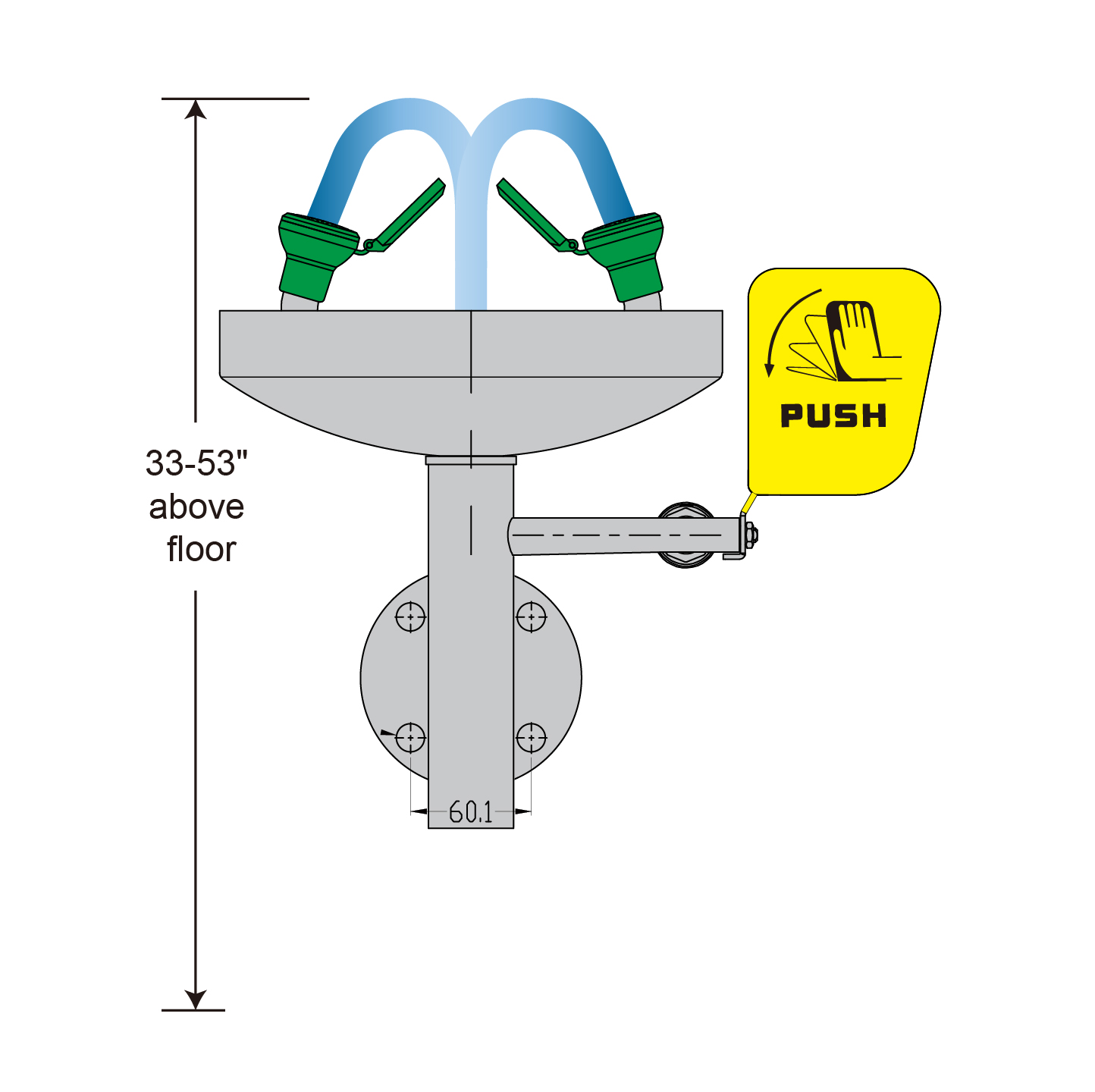
The Power of Two: The eye wash station must flush both eyes simultaneously. The nozzle spray pattern needs to be wide enough to cover the inner and outer corners of the eyes at the same time.
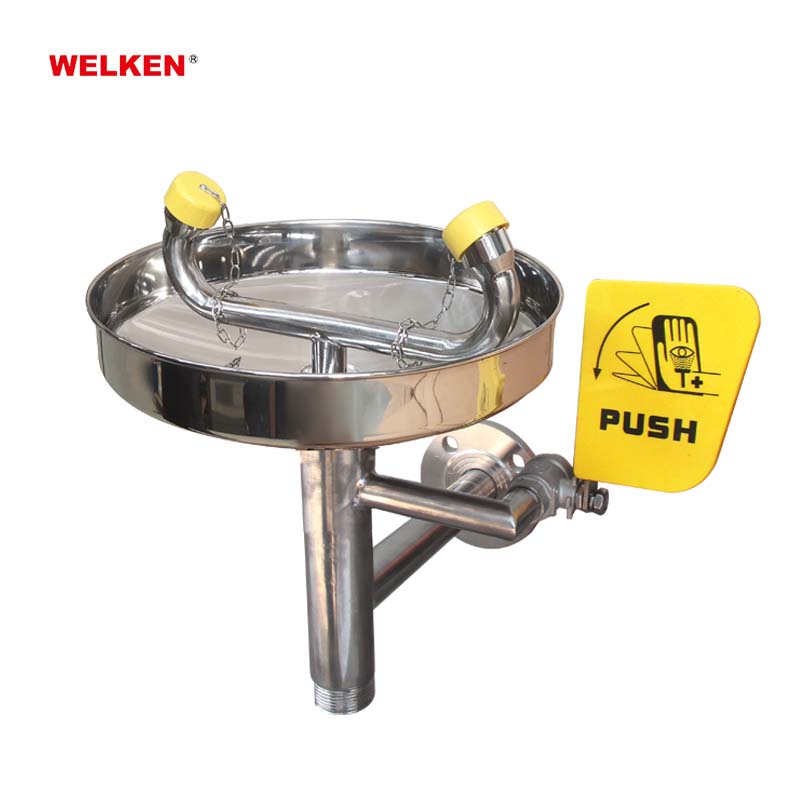
Protected Spray Heads: The spray h ead should be protected from dust and other airborne contaminants. And the cover can be easily removed by water flow.
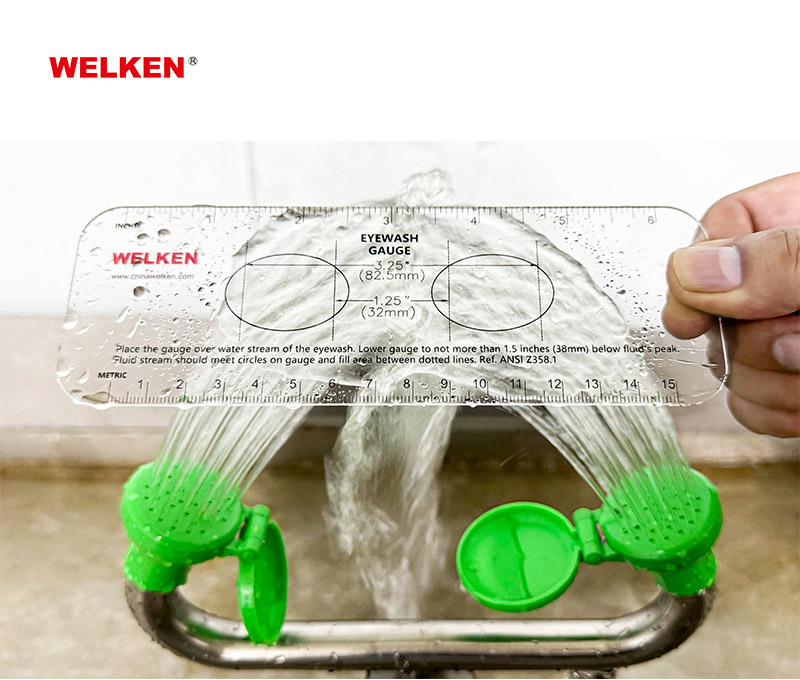
How to Use the WELKEN Test Gauge
To make compliance easy, we’ve designed a specialized ANSI Test Gauge. It takes the guesswork out of your weekly inspections. Here’s how to use it like a pro:
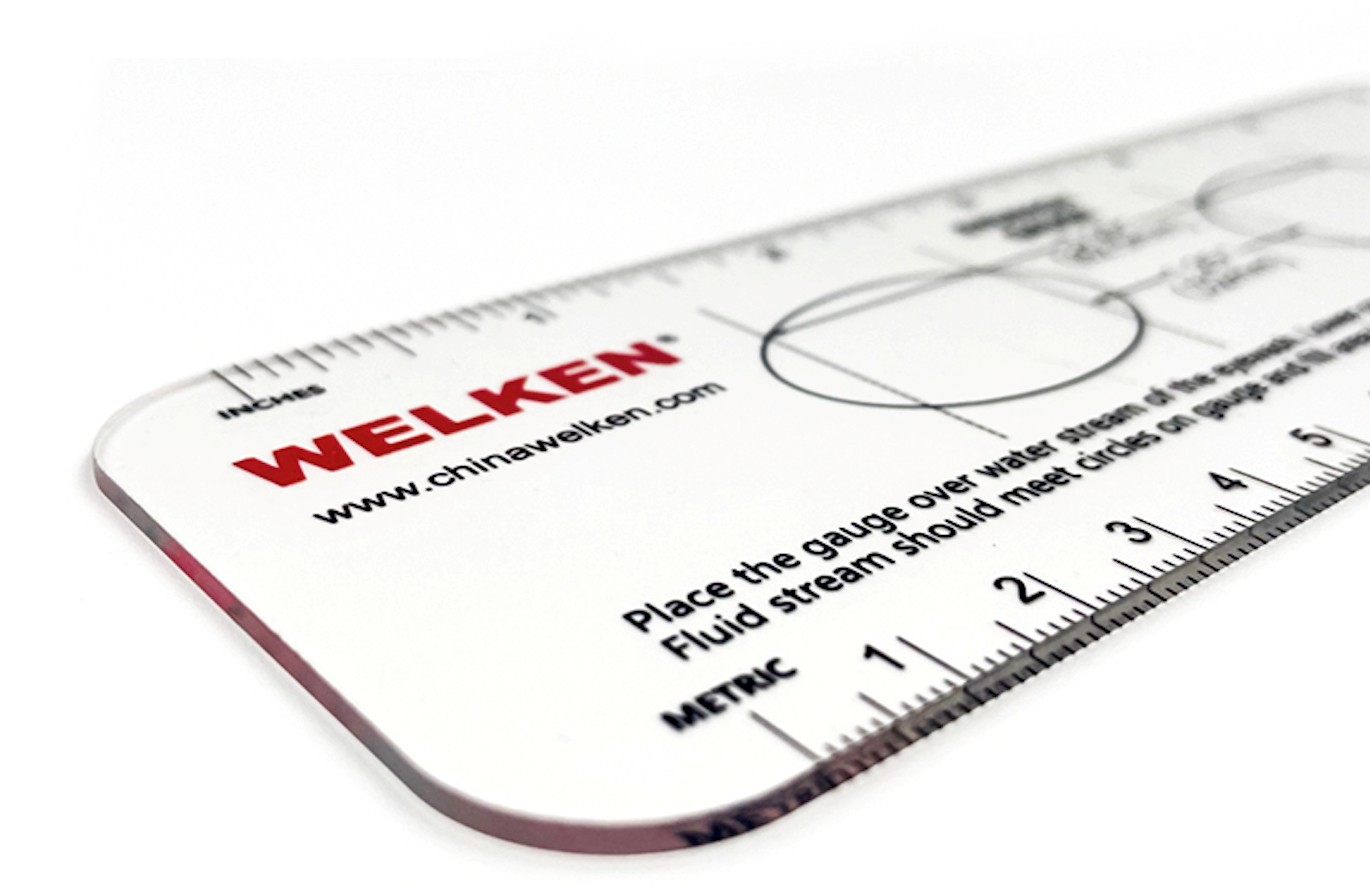
Kick it Off: Act ivate the eyewash unit and let the pressure stabilize for a few seconds.
The Placement: Place the eyewash gauge over the water stream, then lower the gauge to not more than 1.5 inches below fluid’s peak.
Verify the Spread: The water should fill the area between the inner and outer lines of the gauge. If it’s too narrow, you are not washing the whole eye; if it’s too wide, the pressure might be low.
The "Bubbling" Test: Look for a steady, aerated flow. If the water is splashing violently or looks "sharp," it’s time for a pressure adjustment.
Don't Leave Safety to Chance
An eyewash station that doesn't meet ANSI standards is just a high-stakes paperweight. Ensure your team is protected with WELKEN’s precision-engineered solutions.
Ready to upgrade your safety protocol?
Explore our range: www.chinawelken.com
Get a custom quote: marst@chinawelken.com