Leave Your Message
Precision-engineered safety devices for critical pharmaceutical environments.
🔬 In the highly regulated world of pharmaceutical manufacturing, maintaining the integrity of an ISO-classified cleanroom is paramount. However, the safety of the personnel operating within these sterile environments takes ultimate precedence. The intersection of hazardous chemical handling, stringent sterility protocols, and high-voltage electrical equipment creates a unique and highly volatile risk profile. When an emergency occurs, such as a chemical splash involving Active Pharmaceutical Ingredients (APIs), strong acids, or volatile solvents, the immediate response dictates the deployment of a decontamination safety shower. Yet, this life-saving action introduces a severe secondary hazard: the pooling of conductive contaminated water in areas laden with electrical machinery. This is precisely where the implementation of a specialized Main Circuit Breaker Lockout for Pharmaceutical Cleanroom Chemical Splash Decontamination becomes not just a regulatory requirement, but a critical life-saving intervention.
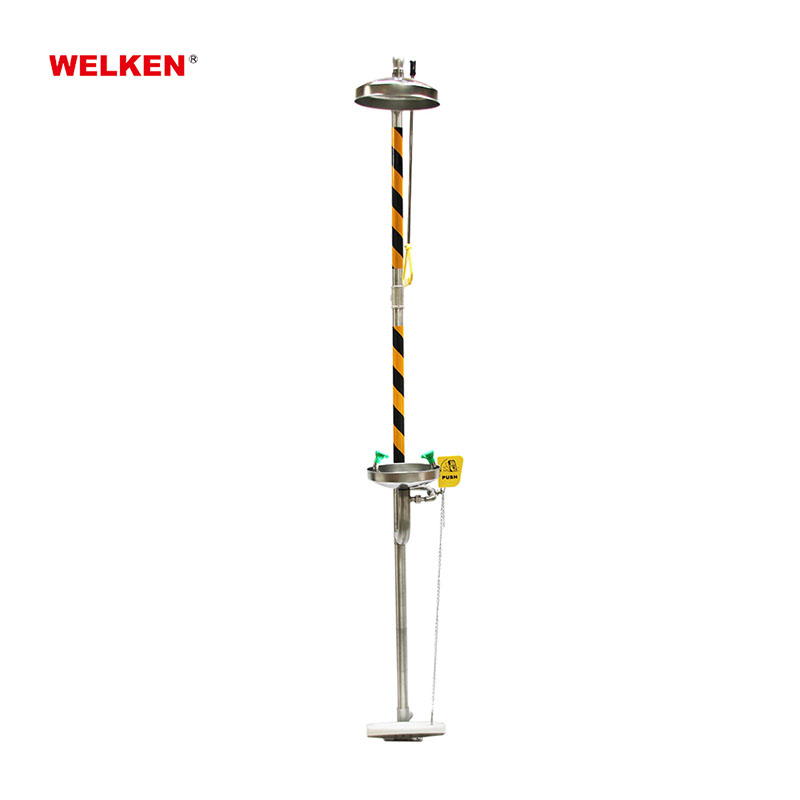
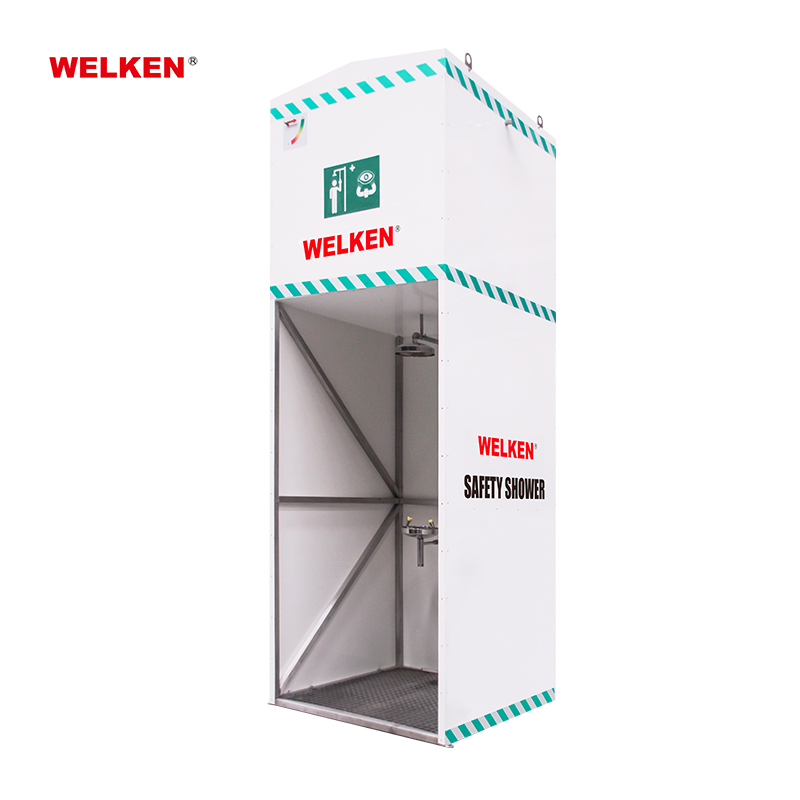
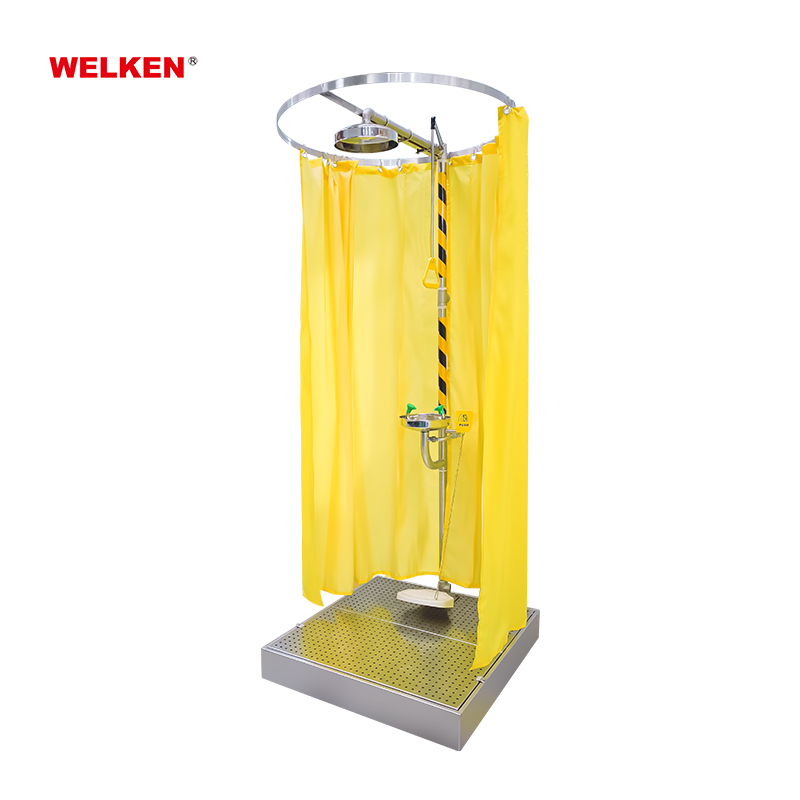
During a chemical splash event in a cleanroom, chaos can ensue in a matter of seconds. As the affected worker rushes to the emergency combination shower and eye wash unit, hundreds of gallons of water are rapidly discharged. In a standard industrial setting, drainage systems handle this efficiently. However, in pharmaceutical cleanrooms—where floor drains are often minimized or completely eliminated to prevent bacterial breeding grounds and maintain positive air pressure—water rapidly pools on the floor. If the main circuit breakers powering nearby automated compounding machinery, bioreactors, or packaging lines are not immediately and securely isolated, the risk of catastrophic electrocution or electrical fire skyrockets.
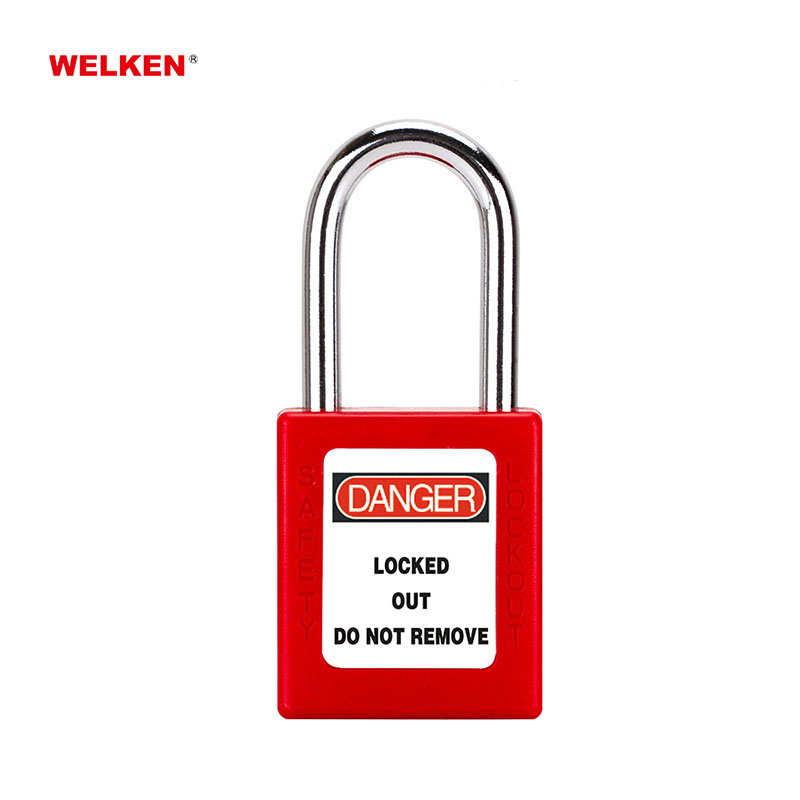
A standard Lockout/Tagout (LOTO) procedure is insufficient here. A Main Circuit Breaker Lockout designed specifically for pharmaceutical cleanrooms must possess unique characteristics. It must be deployable in seconds, often by personnel wearing thick, chemically resistant gloves (PPE). Furthermore, the lockout device itself must not compromise the cleanroom's integrity. It cannot shed particulates, it must withstand harsh vaporized hydrogen peroxide (VHP) sterilization cycles, and it must resist degradation from the very chemicals it is indirectly protecting workers against.
Currently, the pharmaceutical industry is experiencing a paradigm shift in how electrical safety is managed alongside chemical hazard response. Regulatory bodies such as OSHA (specifically standard 29 CFR 1910.147 for The Control of Hazardous Energy) and global equivalents like the European ATEX directives are being interpreted with increasing stringency by auditors during GMP (Good Manufacturing Practice) inspections.
Commercially, there is a massive demand for LOTO devices manufactured from advanced engineering plastics (like high-impact ABS) and 304/316L stainless steel. Standard commercial lockout devices made from porous materials or lower-grade metals are being systematically phased out of ISO 5 and ISO 7 cleanrooms due to their tendency to corrode or harbor microbial life after exposure to decontamination fluids. Leading pharmaceutical giants are now retrofitting their entire electrical isolation infrastructure, demanding bespoke main circuit breaker lockouts that integrate seamlessly with their specialized cleanroom electrical panels, which are often sealed behind flush-mounted, IP65-rated stainless steel doors.
Analyzing the exact sequence of events where LOTO saves lives in sterile environments.
🏭 To truly understand the value of a Main Circuit Breaker Lockout in this specific context, we must dissect a real-world application scenario within a high-potency active pharmaceutical ingredient (HPAPI) processing suite.
Consider a technician performing maintenance on a fluid transfer pump handling a highly corrosive solvent mixture. Due to a sudden pressure spike, a gasket fails, resulting in a pressurized chemical splash that breaches the technician's primary PPE. The technician immediately triggers the in-suite emergency shower. Simultaneously, the suite's environmental monitoring system detects the chemical release and triggers a localized alarm.
As the safety shower operates, it floods the immediate area. Adjacent to the shower is the main control panel for the suite's automated mixing vats, operating at 480V. The facility's standard operating procedure (SOP) dictates that before a rescue team can enter the flooded, chemically contaminated zone to extract the injured worker, all power to the suite must be verifiably isolated to prevent electrocution through the conductive chemical-water pool.
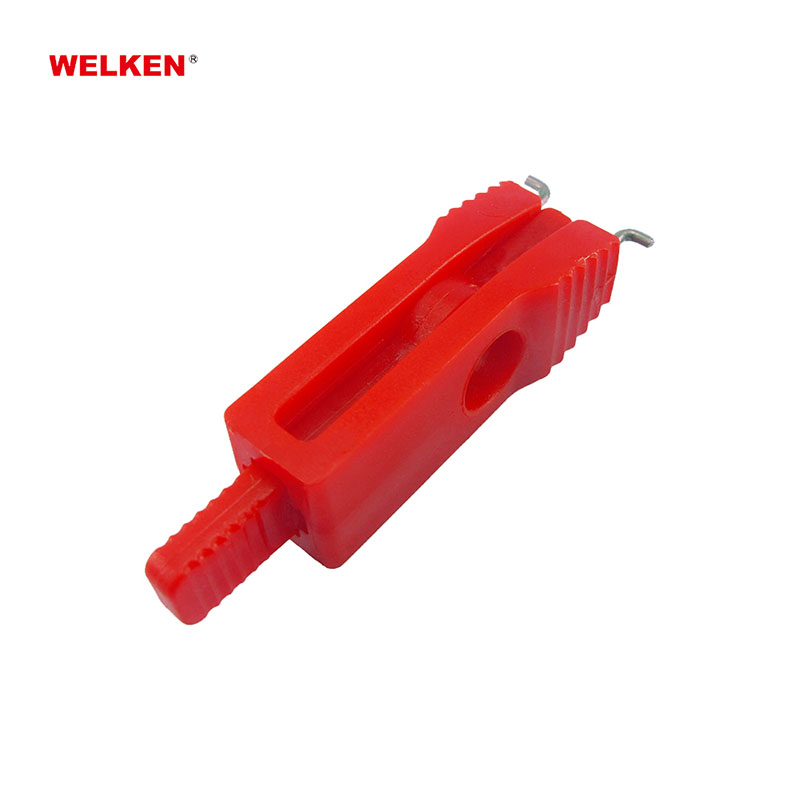
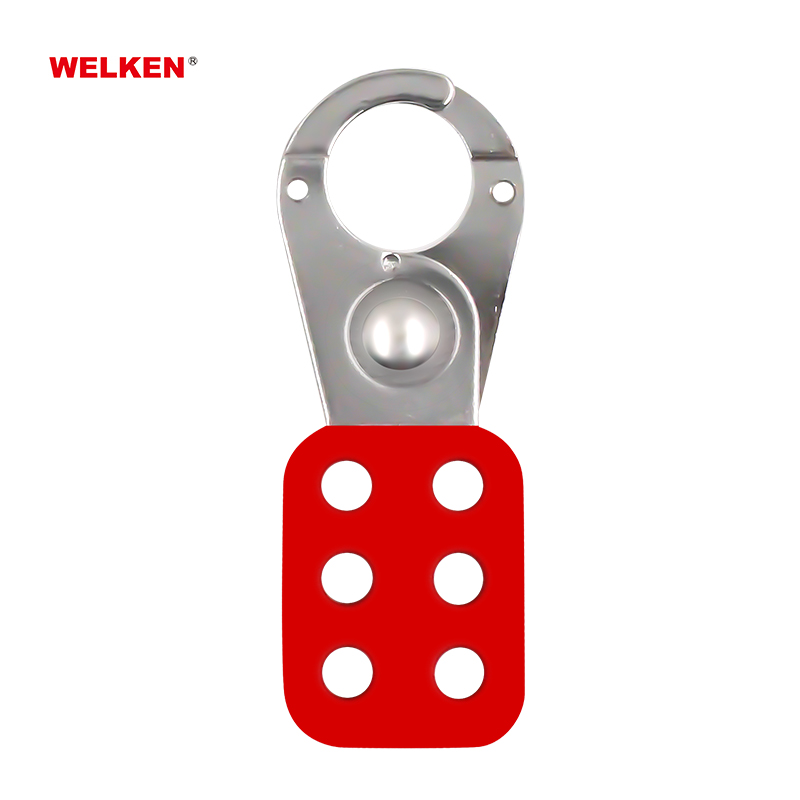
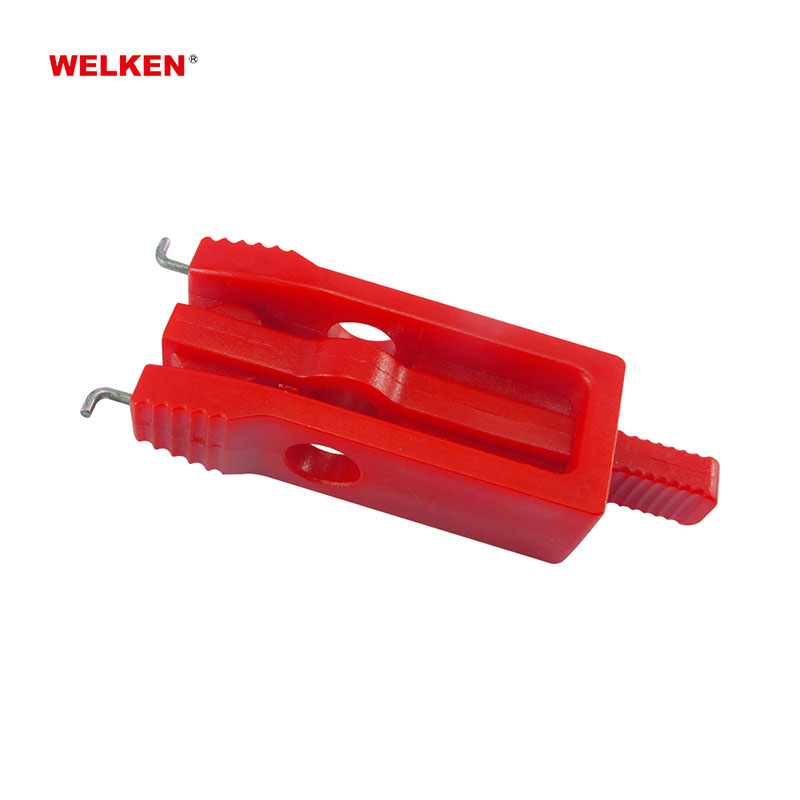
A secondary responder rushes to the cleanroom's external power distribution board. Here, they utilize a specialized Main Circuit Breaker Lockout. Because this device features a pin-out or clamp-on mechanism designed for rapid deployment, the responder can secure the massive breaker in the "OFF" position in under five seconds. They apply a cleanroom-grade safety padlock and tag.
With the electrical energy securely locked out, the rescue team safely enters the wet zone, retrieves the technician, and completes the medical response. Following the extraction, the cleanroom must undergo a rigorous chemical decontamination process to neutralize the spilled solvent. The lockout device remains in place throughout this harsh wash-down process. Because the lockout is constructed from chemical-resistant polymers and stainless steel, it does not warp, melt, or corrode during the bio-decontamination phase. Once the suite is certified clean, dry, and safe, the LOTO device is removed, and power is restored, preventing what could have been a multi-million dollar equipment loss or a fatal accident.
📈 The future of Main Circuit Breaker Lockouts for Pharmaceutical Cleanroom Chemical Splash Decontamination is rapidly evolving, driven by the integration of Industry 4.0 technologies and advanced material sciences. The traditional mechanical padlock and hasp, while reliable, are being augmented by intelligent systems designed to reduce human error and response times.
The most significant trend is the development of Smart LOTO devices. In the near future, main circuit breaker lockouts will be equipped with RFID and IoT sensors. When a chemical splash occurs and a safety shower is activated via a flow switch, the facility's central SCADA system can automatically send a signal to electronically trip the main circuit breaker. The physical lockout device, applied by a human, will then digitally verify its own secure placement, sending real-time confirmation to the control room that the area is electrically safe for rescue teams to enter. This eliminates the dangerous guesswork and communication delays during an emergency.
As cleanroom standards push towards ISO 4 and ISO 3 for advanced biologics and gene therapies, even the microscopic friction of applying a lockout device cannot be allowed to generate particles. Manufacturers are investing heavily in self-lubricating, ultra-high-molecular-weight polyethylene (UHMWPE) and specialized fluoropolymers (like PTFE) for lockout construction. These materials offer zero particle shedding, absolute resistance to aggressive cleaning agents (like Spor-Klenz), and extreme mechanical durability.
In BSL-3 and BSL-4 (Biosafety Level) pharmaceutical labs, workers wear fully encapsulated, positive-pressure suits. Operating tiny mechanisms on a standard circuit breaker lockout with three layers of butyl rubber gloves is nearly impossible. Development trends are focusing on oversized, ergonomically optimized lockouts featuring large push-button engagements or twist-to-lock mechanisms that can be easily manipulated by workers wearing bulky protective gear, ensuring that safety procedures are never bypassed due to physical difficulty.
Conclusion: The implementation of a robust, cleanroom-specific Main Circuit Breaker Lockout system is a non-negotiable pillar of pharmaceutical safety. As the industry continues to handle increasingly hazardous chemicals while demanding stricter sterile environments, the evolution of these safety devices will play a critical role in protecting both the workforce and the integrity of life-saving medical manufacturing processes.
Craftsmanship & Technology: The Precision Behind the Protection
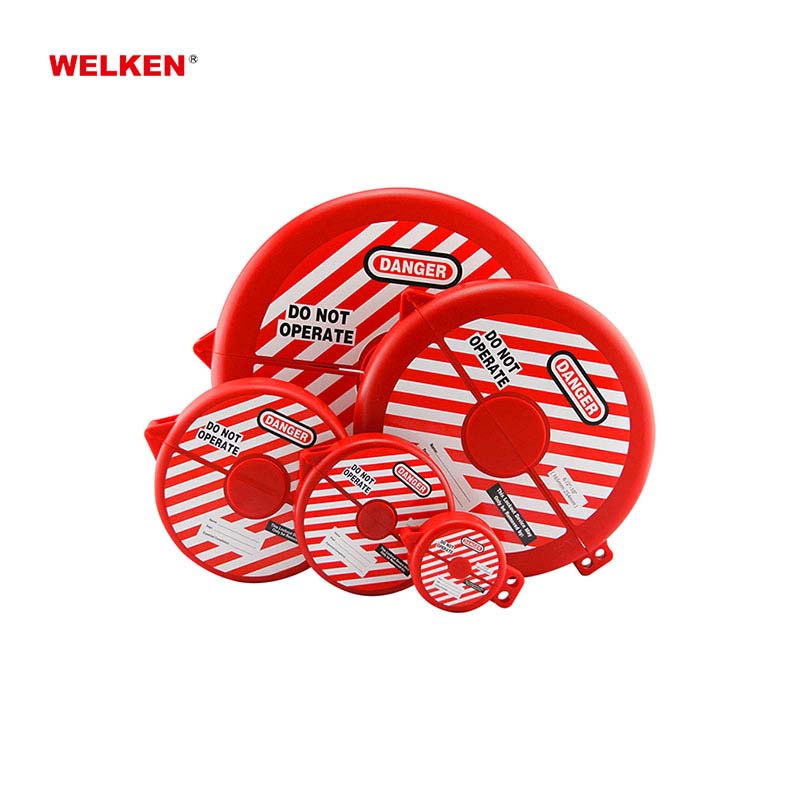
Protecting Every Mission, Securing Every Industry.


Global leading safety product and solution provider dedicated to research and development.

Explore our full catalog of isolation and lockout devices.