Leave Your Message
Craftsmanship & Technology: Precision equipment designed to withstand hazardous material splashes while ensuring absolute electrical and mechanical isolation.
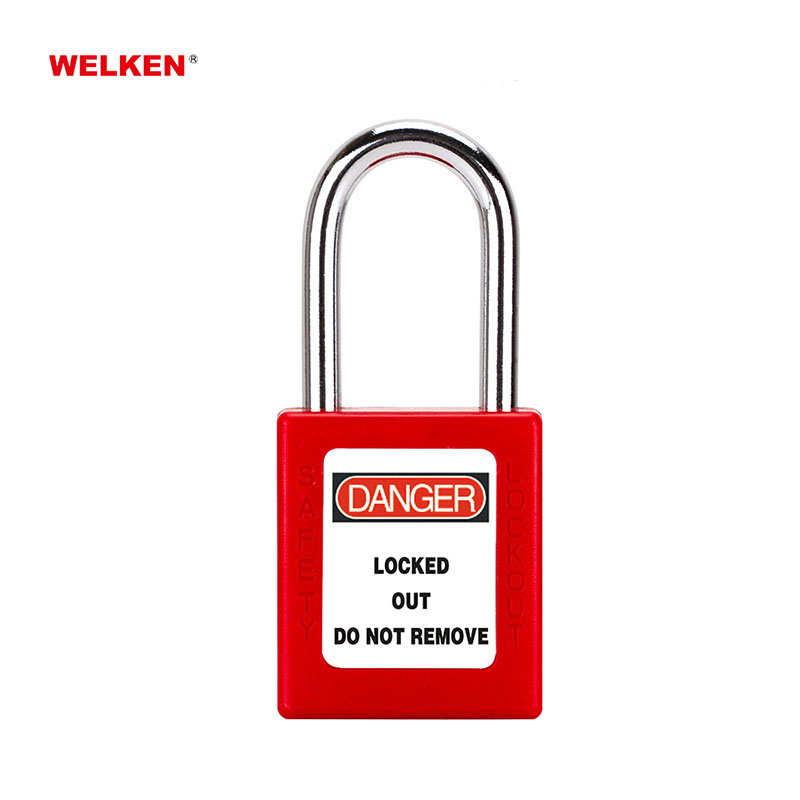
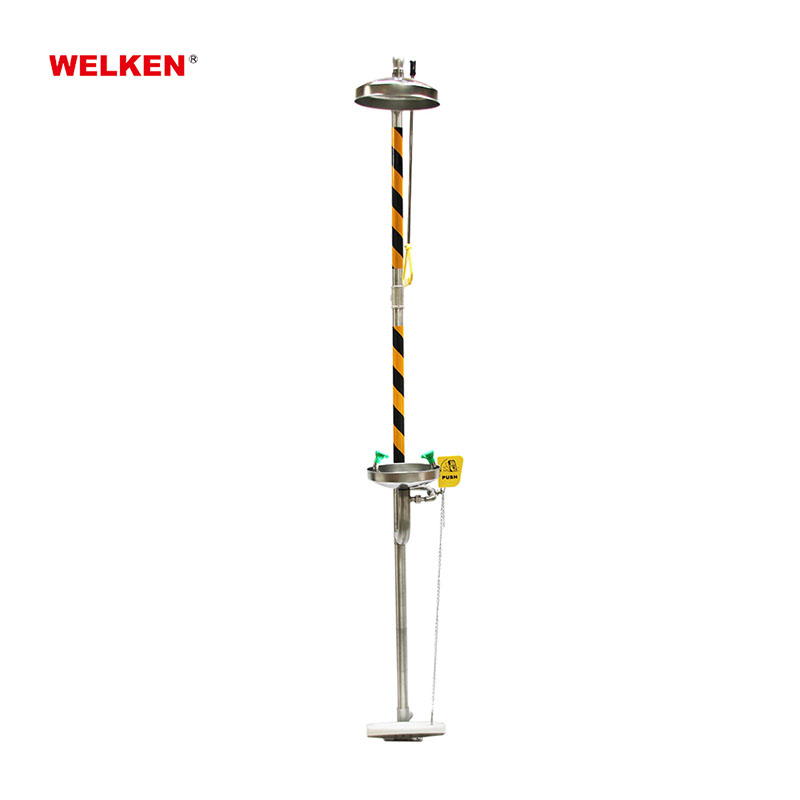
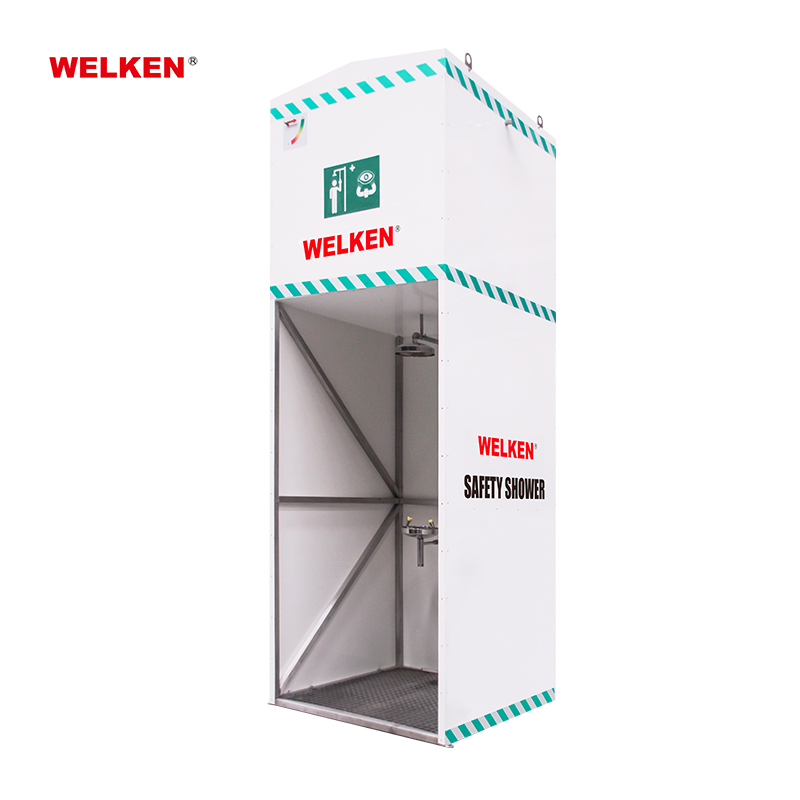
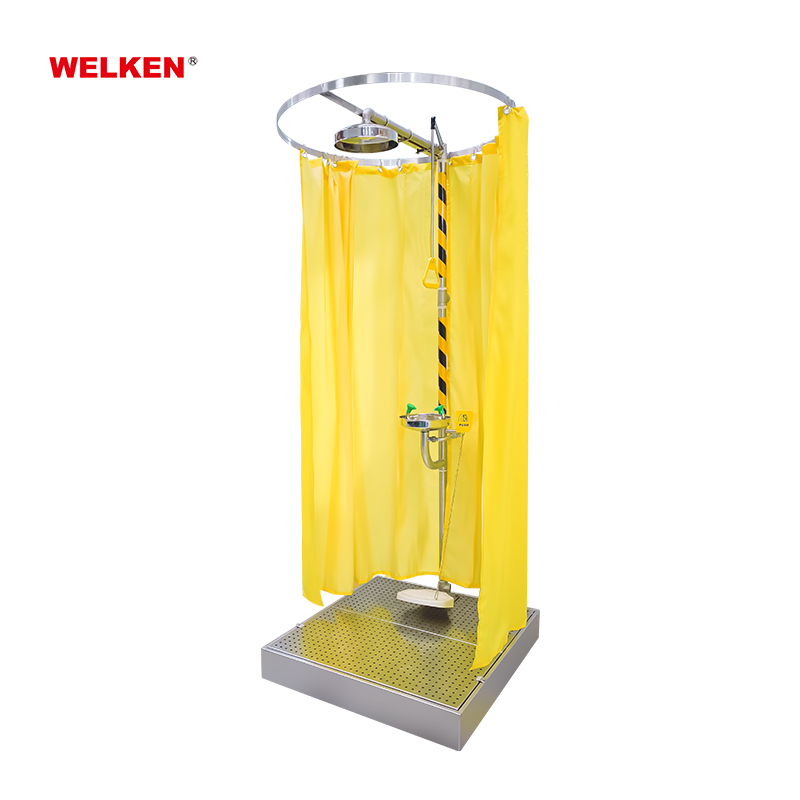
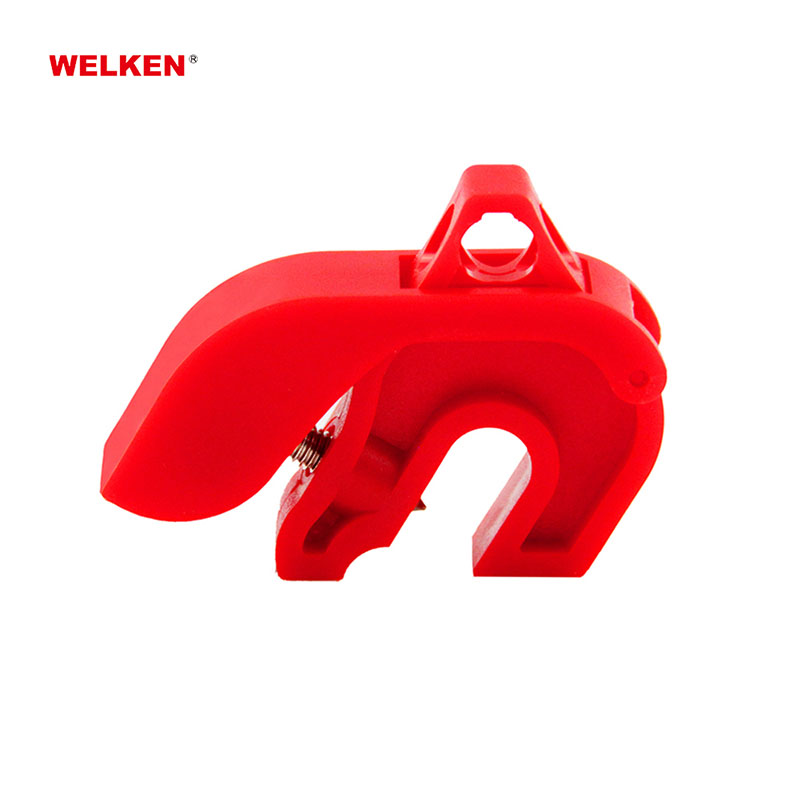
In the rapidly evolving landscape of modern industrial warehousing, the convergence of electrical infrastructure and hazardous material storage presents a unique and highly volatile risk profile. The implementation of a robust Main Circuit Breaker Lockout system is no longer just a standard compliance measure; it is a critical, life-saving protocol, especially when engineered for Hazardous Materials Splash Protection. Industrial warehouses frequently house vast quantities of corrosive liquids, flammable solvents, and reactive chemicals. When routine maintenance or emergency repairs are required on main electrical panels within these zones, standard Lockout/Tagout (LOTO) devices often fall short. They are typically not designed to withstand the aggressive degradation caused by accidental chemical splashes, toxic vapor exposure, or high-pressure washdowns.
The physics of an industrial accident in these environments are unforgiving. A minor leak or a catastrophic splash of a conductive or highly corrosive chemical onto an improperly secured main circuit breaker can bridge electrical contacts, resulting in a devastating arc flash. Furthermore, if the lockout device itself degrades due to chemical incompatibility, the breaker may unexpectedly re-energize while personnel are actively working on the line. This necessitates a paradigm shift in how facility managers and safety engineers approach LOTO in hazardous zones. The integration of advanced polymer sciences, encapsulated steel architectures, and hermetically sealed lockout mechanisms is driving the new standard for industrial warehouse safety.
While OSHA standard 29 CFR 1910.147 dictates the control of hazardous energy, environments prone to chemical splashes require adherence to a matrix of overlapping regulations. NFPA 70E (Standard for Electrical Safety in the Workplace) and specific EPA guidelines for hazardous waste storage facilities demand that isolation devices maintain structural integrity even under chemical duress. A lockout device that melts or embrittles upon contact with sulfuric acid or industrial solvents represents a critical compliance failure and a severe liability.
Understanding the specific operational contexts where splash-proof main circuit breaker lockouts are deployed is essential for selecting the correct safety architecture. The modern industrial warehouse is a complex ecosystem, often compartmentalized into distinct risk zones.
In areas where acids, alkalis, and reactive compounds are decanted or transferred between bulk containers and intermediate bulk containers (IBCs), the risk of pressurized splashing is highest. Main circuit breakers controlling the ventilation systems, transfer pumps, and automated dosing equipment must be isolated during maintenance. Lockout devices here must be constructed from high-grade thermoplastics or coated with chemically inert resins (such as PTFE or specialized epoxies) to prevent the locking mechanism from fusing or dissolving if exposed to a chemical spray.
Modern warehouses rely heavily on AGVs and robotic forklifts. The charging stations for these fleets involve high-amperage direct current (DC) and alternating current (AC) connections, often situated near battery maintenance areas where sulfuric acid and explosive hydrogen gas are present. A lockout on the main breaker for these charging grids must not only prevent unauthorized re-energization but also resist the corrosive mist generated during battery off-gassing and potential liquid acid splashes during battery replacement.
Warehouses storing petrochemicals or volatile organic compounds (VOCs) require explosion-proof electrical fittings. When a main circuit breaker in a Class I, Division 1 or 2 hazardous location needs to be locked out, the LOTO device itself must not generate static electricity or sparks. Furthermore, in cold storage hazardous warehouses (where chemicals must be kept at sub-zero temperatures to remain stable), the lockout device must maintain its impact resistance and not become brittle, all while resisting the splash of antifreeze agents or cryogenic liquids.
Global leading safety product and solution provider dedicated to the research, development, and manufacturing of extreme-environment LOTO systems.
We own complete 3D drawings for every product and have an experienced in-house R&D team. Whether it's a non-standard dimension for a massive industrial breaker or a specific configuration for chemical splash resistance, we engineer solutions that fit with precision and without compromise.
Years of experience translates into mature products, professional application guidance, and solutions that work reliably in different extreme conditions, particularly in hazardous material warehousing and heavy industrial sectors.
Based in Tianjin, we're minutes from one of China's major international ports. This strategic location ensures keeping lead times short and the global distribution process straightforward for critical safety equipment.
Our products are built to international safety standards. Our commitment doesn't end at delivery; we respond to after-sales issues promptly and take full responsibility—because trust is the foundation of every long-term partnership in the safety industry.
The future of Main Circuit Breaker Lockouts for hazardous environments is being shaped by the integration of smart technologies and advanced material sciences. The industrial sector is witnessing a transition from purely mechanical isolation to electro-mechanical and IoT-enabled LOTO systems. Smart padlocks equipped with RFID and Bluetooth technologies allow safety managers to track exactly who locked out a breaker, at what time, and verify the authorization level of the personnel via a centralized digital dashboard. However, deploying these electronic components in hazardous material warehouses requires rigorous intrinsically safe design to ensure they do not become ignition sources.
From a materials perspective, the development of ultra-high-molecular-weight polyethylene (UHMWPE) and graphene-infused polymers is revolutionizing the durability of lockout hasps and breaker covers. These materials offer unprecedented resistance to a broad spectrum of aggressive chemicals, including concentrated sulfuric acid, sodium hydroxide, and various halogenated solvents. Furthermore, they provide excellent dielectric properties, ensuring that even if the breaker enclosure is compromised by a chemical splash, the lockout device itself will not conduct electricity to the worker.
Investing in specialized Main Circuit Breaker Lockouts for Industrial Warehouse Hazardous Materials Splash Protection is not merely a sunk cost for compliance; it is a strategic operational investment. The direct costs of an electrical accident in a hazardous zone are catastrophic, encompassing medical expenses, facility damage, EPA fines for chemical spills triggered by the accident, and OSHA penalties. However, the indirect costs—such as extended production downtime, increased insurance premiums, and loss of corporate reputation—often dwarf the direct costs.
By utilizing lockout devices specifically engineered for splash protection, facilities drastically reduce the risk of "near misses" and equipment failure during maintenance. High-quality, ergonomically designed LOTO equipment also streamlines the lockout procedure, reducing the time it takes for maintenance teams to safely isolate equipment. In a large-scale warehouse where downtime is measured in thousands of dollars per minute, the efficiency gained by using reliable, easy-to-apply, and highly visible lockout devices yields a rapid return on investment. Ultimately, securing the main electrical arteries of a hazardous facility with the correct technology protects every mission and secures the entire supply chain.
Protecting Every Mission, Securing Every Industry. Our lockout and splash protection systems are deployed across the most demanding sectors globally.
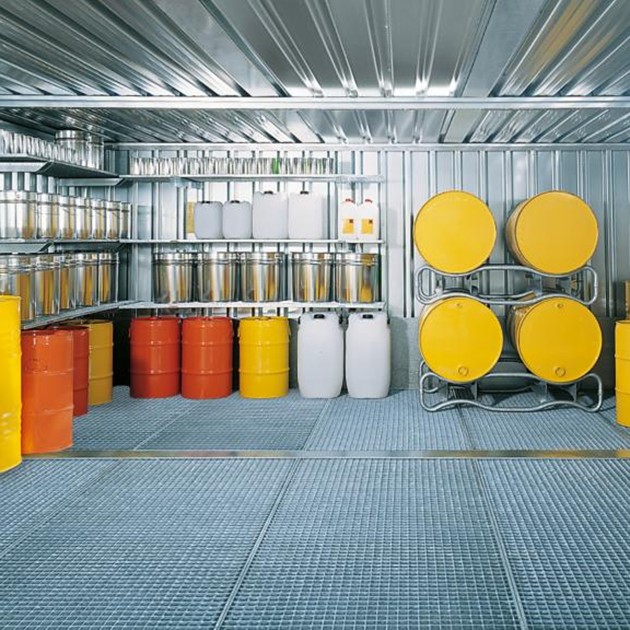
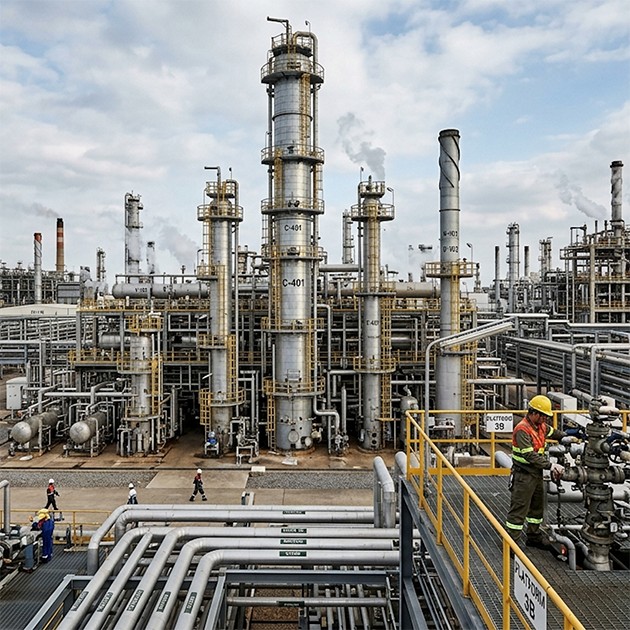
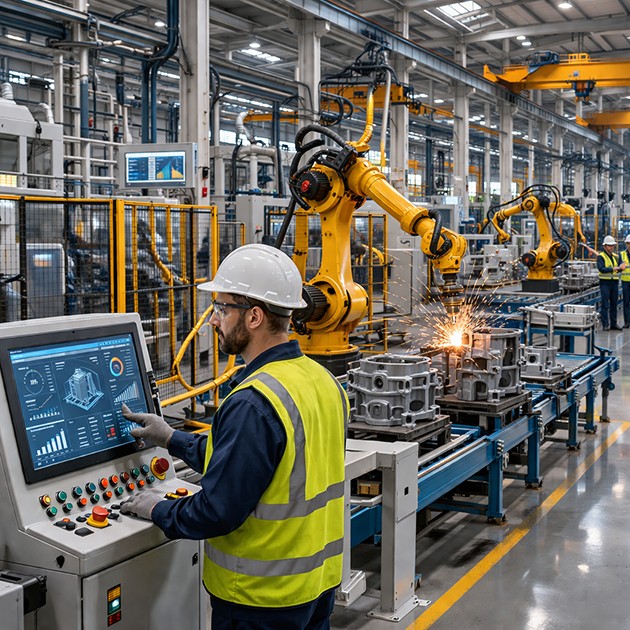
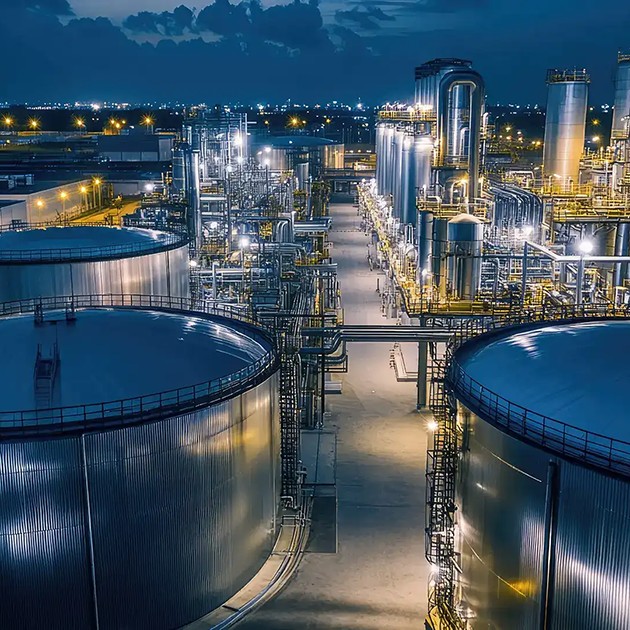
Explore our complete range of circuit breaker and valve lockout devices, engineered for ultimate reliability in hazardous chemical environments.