Leave Your Message
Precision-engineered tools designed to secure hazardous energy and provide immediate chemical decontamination during critical Oil & Gas pipeline maintenance.
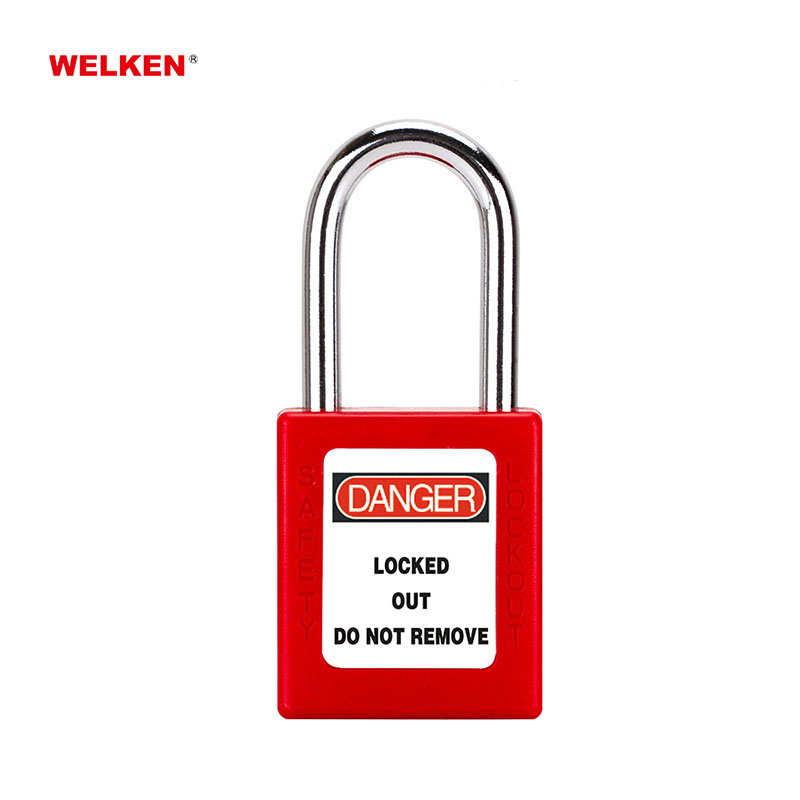
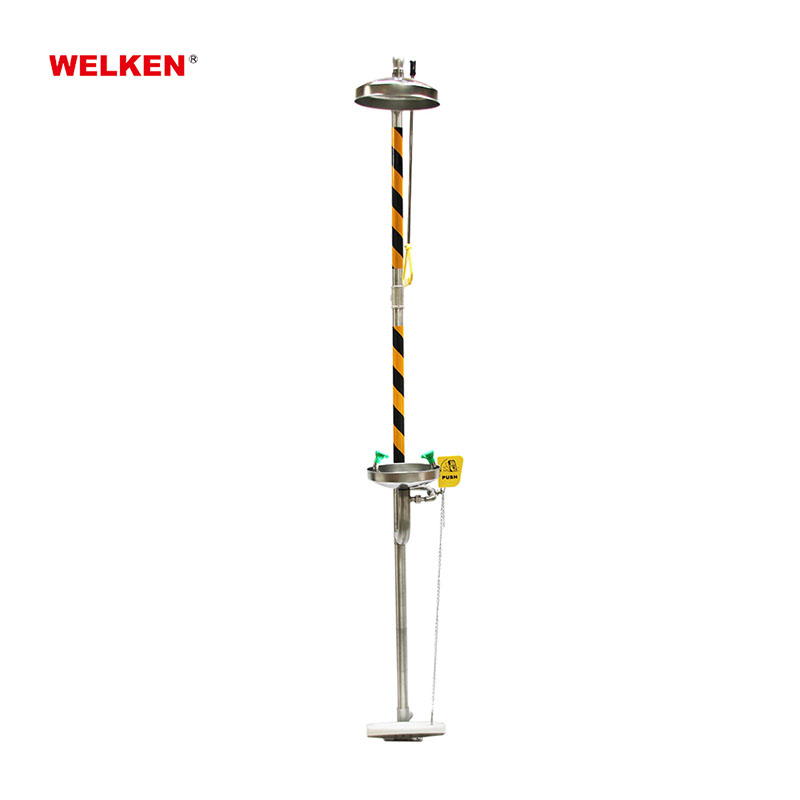
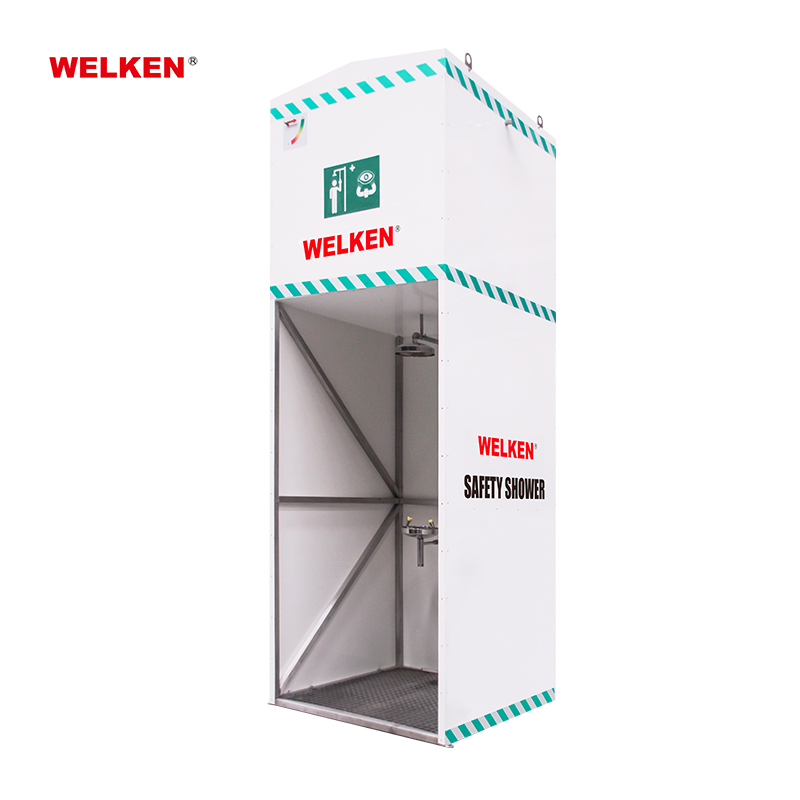
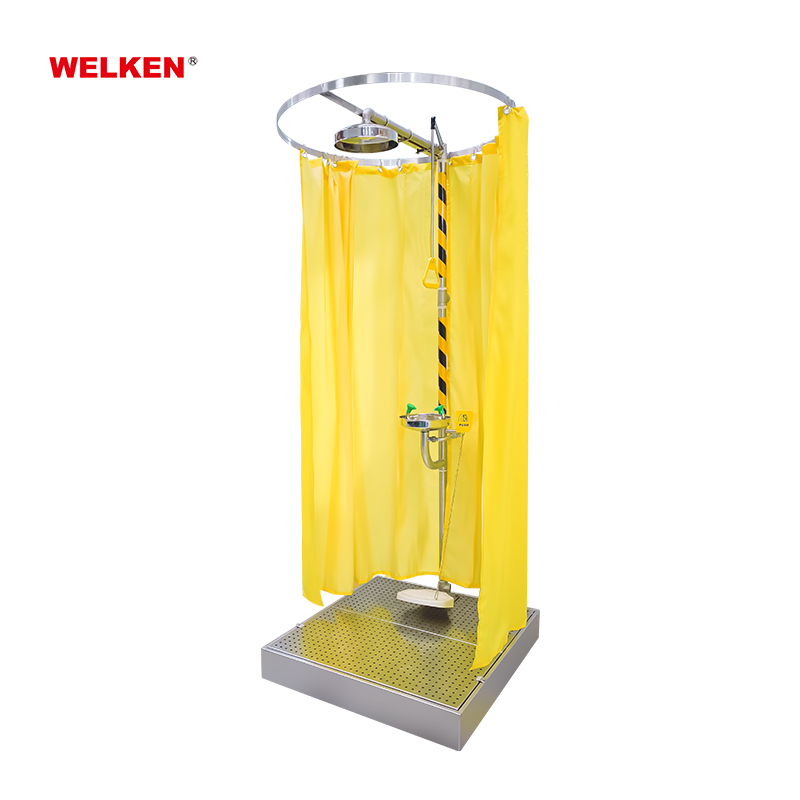
The Oil and Gas (O&G) industry operates under some of the most unforgiving and hazardous conditions on the planet. From upstream extraction to midstream pipeline transportation and downstream refining, workers are constantly exposed to severe risks, including high-pressure blowouts, toxic gas leaks (such as Hydrogen Sulfide or H2S), and corrosive chemical spills. In this high-stakes environment, the implementation of a Laboratory Eyewash For Oil And Gas Pipeline Valve Lockout Operations is not merely a regulatory formality; it is a critical, life-saving infrastructure. The commercial landscape of occupational safety in the energy sector has shifted dramatically over the past decade. Driven by stringent regulations from bodies like OSHA (Occupational Safety and Health Administration) and ANSI (American National Standards Institute), specifically OSHA 1910.147 for the Control of Hazardous Energy and ANSI Z358.1 for Emergency Eyewash and Shower Equipment, companies are investing heavily in integrated safety ecosystems.
Financially, the cost of non-compliance is astronomical, encompassing regulatory fines, increased insurance premiums, and most importantly, the devastating human and financial cost of workplace accidents. Pipeline valve lockout operations are particularly vulnerable. When maintenance crews isolate a segment of a pipeline to repair a valve or clear a blockage, they must achieve zero energy state. However, residual chemicals, pressurized gases, or sudden seal failures can result in unexpected chemical exposure to the face and eyes. Therefore, placing high-grade, laboratory-standard eyewash stations in close proximity to these lockout points is a commercial and operational necessity. The market is witnessing a surge in demand for robust, weather-resistant, and highly visible safety equipment that can withstand the corrosive nature of sour gas and crude oil, ensuring that when a lockout procedure goes wrong, immediate decontamination is just seconds away.
Furthermore, the procurement trends within major energy conglomerates indicate a shift from fragmented safety purchasing to holistic safety solutions. Procurement managers no longer buy padlocks and eyewash stations in isolation. Instead, they seek comprehensive safety architectures where the mechanical isolation tools (LOTO devices) and the emergency response mechanisms (Eyewash stations) are designed to complement each other, sharing identical durability standards, anti-corrosive properties, and visual identification protocols. This integrated approach minimizes downtime during maintenance turnarounds and significantly elevates the overall safety culture of the pipeline operation.
Midstream compressor stations are the beating heart of natural gas pipelines, maintaining the pressure required to move gas over thousands of miles. Maintenance here involves isolating massive gate and ball valves. During a lockout operation, technicians apply heavy-duty steel shackle padlocks and valve covers to prevent accidental actuation. However, the pneumatic systems and chemical injection skids (often using methanol or corrosion inhibitors) present a high risk of pressurized chemical spray. In this scenario, a plumbed or tank-fed laboratory eyewash station must be positioned within a 10-second unobstructed walk from the valve manifold. If a technician experiences a sudden release of methanol to the eyes while bleeding the line, the immediate availability of tepid, aerated water from a foot-controlled eyewash unit can mean the difference between temporary irritation and permanent blindness.
The eyewash units used here must be constructed from 304 or 316 stainless steel to resist the ambient moisture and chemical vapors present in the compressor building. The integration of LOTO and eyewash means that safety audits simultaneously check the integrity of the lockout tags and the flow rate of the eyewash nozzles, treating them as a unified safety checkpoint.
Pipeline "pigging" involves inserting a mechanical device (the pig) into the pipeline to clean it or inspect its internal condition. The pig launchers and receivers are highly hazardous zones. Operators must meticulously follow LOTO procedures to isolate the barrel, depressurize it, and drain toxic condensates before opening the closure door. The sludge removed during pigging often contains concentrated heavy metals, benzene, and naturally occurring radioactive materials (NORM).
Because these operations often occur in remote, harsh environments (from freezing tundras to scorching deserts), standard plumbed eyewash stations are unfeasible. Instead, GRP (Glass Reinforced Plastic) Tank-Fed Safety Showers and Eyewashes are deployed. These self-contained units are heavily insulated and often feature ATEX-certified immersion heaters or chillers to guarantee the water remains tepid (between 60°F and 100°F as per ANSI standards) regardless of extreme external weather. When a worker is exposed to toxic sludge during the opening of a pig receiver, the immediate drenching provided by these specialized units effectively mitigates the severe chemical burn risks associated with pipeline condensates.
The future of occupational safety in the Oil and Gas sector is inextricably linked to digital transformation. The concept of a Laboratory Eyewash For Oil And Gas Pipeline Valve Lockout Operations is rapidly evolving from a passive mechanical system to an active, intelligent node within a facility's Industrial Internet of Things (IIoT) network. One of the most significant development trends is the integration of AI-driven monitoring systems. Traditional safety protocols rely on manual weekly activations to ensure eyewash stations are functioning correctly. Today, forward-thinking manufacturers are embedding smart sensors into the plumbing of eyewash units and the shackles of LOTO padlocks.
For eyewash stations, these IoT sensors continuously monitor water pressure, temperature, and fluid levels (in tank-fed models). If the water temperature falls outside the ANSI-mandated tepid range due to a heater failure, the system instantly sends an alert to the central control room. More impressively, when an eyewash station is activated in an emergency, flow switches trigger immediate alarms, automatically dispatching medical personnel to the exact GPS location of the pipeline valve manifold. This AI-assisted rapid response drastically reduces the time a worker spends without medical attention following a chemical exposure.
Similarly, LOTO operations are becoming "Smart." Electronic padlocks equipped with RFID and Bluetooth technologies allow safety managers to track exactly who locked out a valve, at what time, and for how long. By feeding this data into AI analytics platforms, companies can predict maintenance bottlenecks, optimize turnaround schedules, and ensure 100% compliance with isolation protocols. When a worker approaches a valve to perform maintenance, augmented reality (AR) headsets or ruggedized tablets can display the exact LOTO sequence while simultaneously highlighting the path to the nearest functional eyewash station. This seamless integration of AI technology, advanced materials like GRP and 316 Stainless Steel, and rigorous mechanical engineering represents the zenith of modern pipeline safety, ensuring that every mission is protected and every worker returns home safely.
Global leading safety product and solution provider dedicated to the research and development of advanced pipeline lockout and emergency response systems.

Protecting Every Mission, Securing Every Industry. Our integrated LOTO and Eyewash solutions extend across various critical sectors.