



Leave Your Message
Craftsmanship & Technology: The Precision Behind the Protection
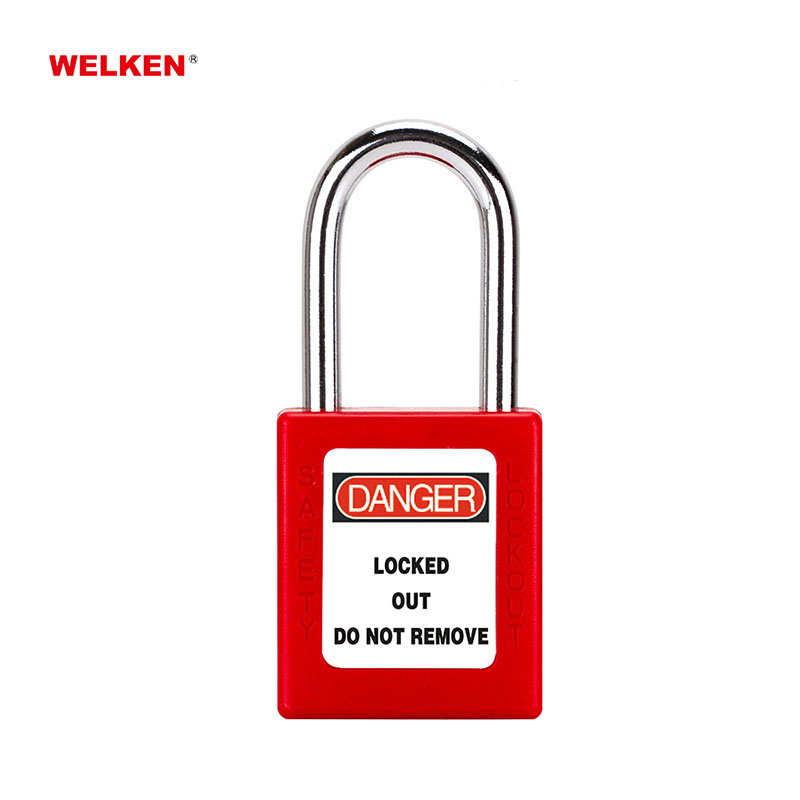
When safety is non-negotiable, the BD-8521 Safety Padlock stands as your first line of defense in chemical plants.
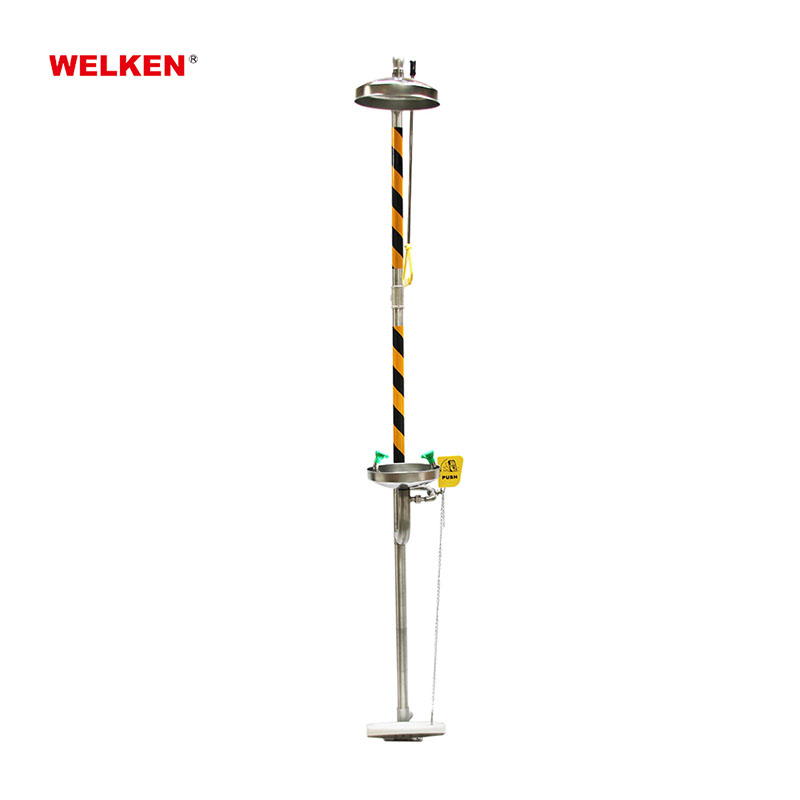
The BD-550A is a premium, high-performance safety solution engineered for immediate emergency response.
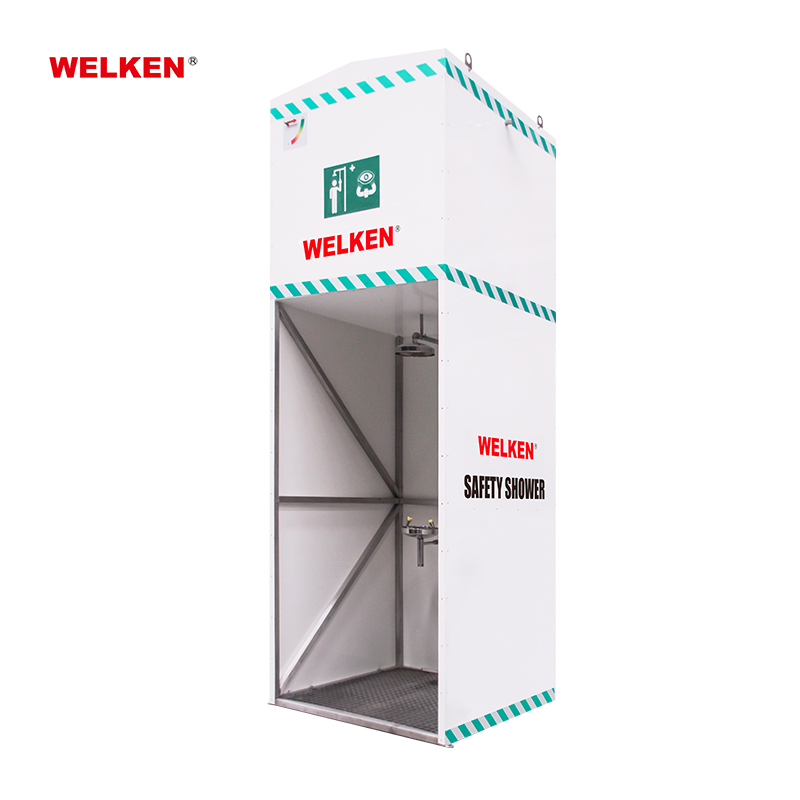
The BD-602B-G is a self-contained, high-capacity emergency cabinet designed for harsh chemical processing environments.
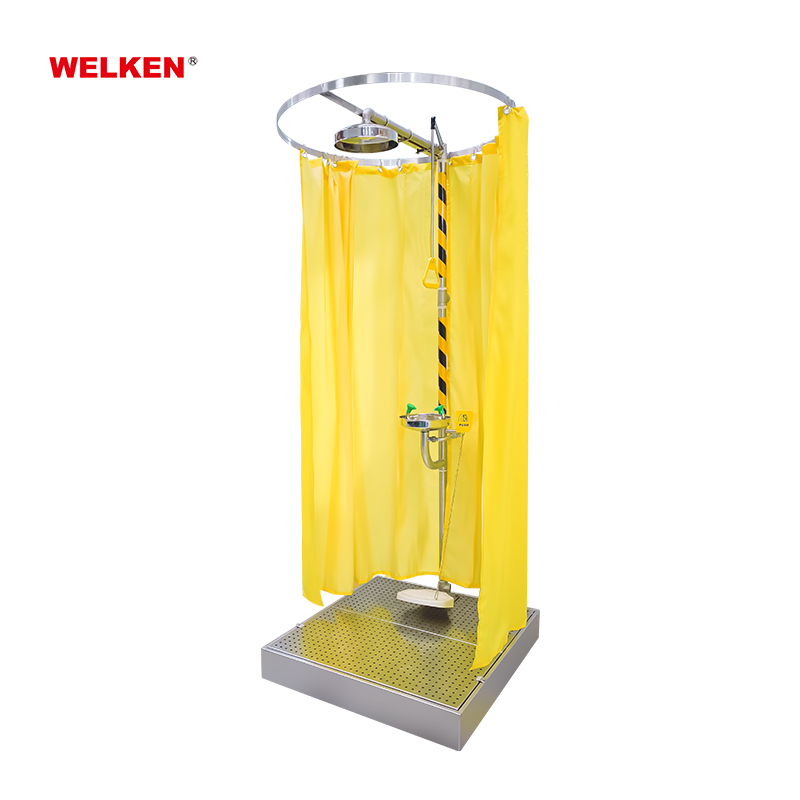
A specialized, high-performance safety station engineered for comprehensive emergency decontamination.
In the high-stakes environment of a chemical processing plant, the margin for error is virtually nonexistent. Every day, technicians, engineers, and plant operators handle a vast array of hazardous substances, ranging from highly corrosive acids like sulfuric and hydrochloric acid to volatile organic compounds (VOCs) and potent caustic bases. Despite the rigorous implementation of Personal Protective Equipment (PPE) protocols, the unpredictable nature of fluid dynamics under pressure, mechanical failures, or simple human error can lead to catastrophic chemical splashes.
This is where the Laboratory Eyewash for Chemical Processing Plant Emergency Eye Wash Stations transitions from a mere regulatory requirement to a critical lifeline. Unlike standard commercial plumbing fixtures, an industrial-grade emergency eyewash station is a highly engineered piece of life-saving equipment. When a chemical breaches a worker's safety goggles, tissue damage begins within milliseconds. Alkalis, for instance, saponify the fatty acids in cell membranes, causing deep, penetrating tissue destruction that standard water flow cannot easily halt. A specialized laboratory eyewash station provides a precisely aerated, continuous flow of tepid water designed to gently but effectively flush hazardous contaminants from the delicate ocular mucosa without causing secondary mechanical trauma to the eye.
The fluid dynamics of these systems are meticulously calibrated. The water must hit the eyes at a specific velocity—strong enough to overcome the natural, involuntary spasm of the eyelids (blepharospasm) that occurs during chemical exposure, but gentle enough to prevent corneal abrasion. Furthermore, the integration of these units directly into the laboratory or processing floor ensures that the universally mandated 10-second (or roughly 55-foot) accessibility rule is flawlessly met, providing immediate localized decontamination before the victim is moved to a larger drench shower.
The commercial landscape for emergency safety equipment in the chemical sector is undergoing a massive transformation, driven by stringent global regulatory frameworks and the escalating financial consequences of workplace injuries. Regulatory bodies such as OSHA (Occupational Safety and Health Administration) under 29 CFR 1910.151(c) and the globally recognized ANSI/ISEA Z358.1-2014 standard dictate uncompromising compliance metrics for chemical plants.
Non-compliance is no longer just a legal risk; it is a profound commercial liability. A single incident of permanent vision loss due to an inadequate or malfunctioning eyewash station can result in multi-million dollar worker's compensation claims, catastrophic OSHA fines, and severe reputational damage to the chemical manufacturer. Consequently, procurement managers and plant safety officers are shifting their purchasing paradigms. The trend has moved away from treating eyewash stations as static, low-bid commodity items toward viewing them as dynamic, vital capital investments.
Modern chemical processing plants are demanding extreme durability. The ambient atmosphere in these facilities is often laden with corrosive vapors that rapidly degrade standard brass or chrome-plated fixtures. As a result, the market has seen a massive surge in the adoption of 316L pharmaceutical-grade stainless steel and Glass Reinforced Plastic (GRP) models, such as the BD-602B-G GRP Tank-Fed Safety Shower. These materials offer unparalleled resistance to chemical pitting and environmental degradation, ensuring that the equipment functions flawlessly even after years of dormant exposure in a harsh petrochemical or pharmaceutical manufacturing environment.
As Industry 4.0 paradigms permeate the chemical manufacturing sector, the traditional, purely mechanical emergency eyewash station is evolving into a smart, IoT-enabled safety node. The integration of Artificial Intelligence and smart sensor technology is revolutionizing how plant managers monitor and maintain their emergency infrastructure.
Historically, the ANSI requirement for weekly activation tests of plumbed eyewash stations was a labor-intensive, manually logged process prone to human error and "pencil-whipping." Today, forward-thinking manufacturers are embedding AI-driven flow sensors and telemetry modules directly into the piping of laboratory eyewash units. When an emergency station is activated, whether for a routine test or an actual emergency, these smart sensors instantly transmit data to a centralized Distributed Control System (DCS) or a cloud-based safety dashboard.
Analyzing the specific deployment of Laboratory Eyewash stations across diverse high-risk industrial zones.
In the core reaction areas where raw chemicals are synthesized, the risk of pressurized line blowouts or flange leaks is at its peak. Here, workers handle substances like concentrated hydrofluoric acid or sodium hydroxide. In these zones, the laboratory eyewash must be coupled with a full-body drench shower (like the BD-550A Plumbed Foot Control Combination unit). The eyewash component requires a foot-treadle activation mechanism. When a worker's hands are covered in corrosive chemicals, or they are temporarily blinded and panicking, the gross motor skill of stepping on a wide foot pedal is much more reliable than attempting to locate and push a hand paddle. Furthermore, these units must feature specialized dust covers that automatically pop off upon water flow, ensuring the aerators aren't contaminated by ambient chemical dust before use.
Unlike heavy petrochemical plants, pharmaceutical labs require cleanroom-compatible safety equipment. A laboratory eyewash in this scenario must not only protect the worker from Active Pharmaceutical Ingredients (APIs) and biological hazards but must also prevent the introduction of contaminants into the sterile environment. Fully enclosed, stainless steel wall-mounted units (such as the BD-550E01) are preferred here. Their crevice-free design allows for rigorous sanitization with harsh cleanroom disinfectants. Additionally, the water supplied to these specific eyewash stations is often purified (RO/DI water) to prevent secondary bacterial infections in the eye, necessitating specialized internal piping that won't leach ions into the purified water stream.
Chemical plants often have sprawling tank farms and remote storage warehouses where laying subterranean tepid water plumbing is economically unfeasible or structurally impossible due to freezing temperatures. In these isolated scenarios, self-contained, gravity-fed, or tank-fed systems like the BD-602B-G GRP Safety Shower become indispensable. These units utilize advanced insulation and internal immersion heaters to maintain tepid water temperatures even in sub-zero winter conditions. They provide the required 15-minute continuous flow without needing a municipal water connection, ensuring that workers inspecting remote valves or conducting chemical offloading from railcars are never out of reach of vital decontamination.
Protecting Every Mission, Securing Every High-Risk Processing Zone.

Global leading safety product and solution provider dedicated to research and development.

We own complete 3D drawings for every product and have an experienced in-house R&D team. Whether it's a non-standard dimension or a specific configuration, we engineer precision solutions.
Years of experience translates into mature products, professional application guidance, and solutions that work reliably in different extreme conditions.
Based in Tianjin, we're minutes from one of China's major international ports. Keeping lead times short and the process straightforward from factory to port.
Our products are built to international standards. We respond to after-sales issues promptly and take full responsibility because trust is the foundation of our partnerships.
Conclusion on Plant Safety: The deployment of a Laboratory Eyewash For Chemical Processing Plant Emergency Eye Wash Stations is fundamentally about preserving human capital and ensuring operational continuity. As chemical processes become more complex and the regulatory environment grows stricter, relying on outdated or poorly maintained safety fixtures is a gamble no modern enterprise can afford. By embracing advanced materials like GRP and 316L stainless steel, integrating AI-driven monitoring technologies, and understanding the specific ergonomic and fluid dynamic requirements of different hazardous zones, chemical plants can create a robust, fail-safe emergency response infrastructure. Investing in top-tier emergency eyewash and shower systems is not just a compliance checkbox; it is a profound commitment to a culture of absolute safety and industrial excellence.