



Leave Your Message
In the highly regulated ecosystem of modern pharmaceutical manufacturing, the safety of personnel is as critical as the purity of the Active Pharmaceutical Ingredients (APIs) being produced. When discussing the Harga Eye Washer Portable for Pharmaceutical Cleanroom Chemical Splash Decontamination, we are fundamentally evaluating the intersection of human safety, stringent regulatory compliance, and cost-effective risk management. Chemical splashes in cleanrooms present a unique challenge: the decontamination equipment must provide immediate, life-saving relief without compromising the sterile integrity of the ISO-classified environment.
The pharmaceutical sector is currently undergoing a massive shift towards modular and flexible manufacturing facilities. Traditional piped-in emergency showers and eye wash stations require extensive plumbing, which inherently introduces risks of bacterial contamination (such as Legionella) in stagnant water lines, and disrupts the airtight seals required for GMP (Good Manufacturing Practice) cleanrooms. Consequently, portable eye wash stations have emerged as the industry standard for agile pharmaceutical environments.
According to the latest OSHA guidelines and the ANSI Z358.1-2014 standard, any facility handling corrosive chemicals must have an eye wash station accessible within a 10-second walk (approximately 55 feet) from the hazard. In pharmaceutical cleanrooms, where operators handle potent acids, bases, and specialized solvents like Isopropyl Alcohol (IPA) and Vaporized Hydrogen Peroxide (VHP) for sterilization, this 10-second rule is non-negotiable. Portable units offer the distinct advantage of being deployable directly adjacent to high-risk zones, such as bio-reactor sampling ports or chemical compounding hoods, ensuring immediate decontamination capabilities.
API compounding represents the highest risk zone for chemical exposure. Operators frequently handle concentrated raw materials that can cause severe ocular burns within seconds of contact. In these Class A/B cleanrooms, fixed plumbing is often restricted to prevent cross-contamination. A high-capacity portable eye washer, such as a 60L stainless steel unit, provides the mandated 15 minutes of continuous tepid water flushing. The portability allows the unit to be repositioned based on the specific batch process being executed, ensuring safety is always within arm's reach.
Maintaining an aseptic environment requires aggressive chemical disinfectants. During the wipe-down phases using sporicidal agents or Vaporized Hydrogen Peroxide (VHP), the risk of accidental splash to the face and eyes spikes significantly. Portable eye washers designed for these areas feature sealed, sterile saline or purified water reservoirs that are resistant to the ambient corrosive sterilization gases. This ensures that when an emergency occurs, the flushing fluid itself is not compromised by the cleanroom's own sterilization protocols.
Personnel moving between different ISO-grade zones pass through airlocks and transit corridors. These transitional spaces are critical control points where accidental spills of transported chemicals can occur. Installing permanent plumbing in every airlock is financially and structurally impractical. Mobile shower and eye wash units mounted on pharmaceutical-grade casters provide a dynamic safety net. They can be rapidly deployed to the site of a spill, providing immediate chemical splash decontamination while emergency response teams secure the area.
At WELKEN, we believe all workers have the right to return home safely. Our journey began in 1998, rooted in a simple, yet profound mission: to manufacture safety equipment that never fails when it matters most. Over two decades, we grow from a normal factory into a National High-Tech Enterprise. In 2007, we took our first steps into the global market, bringing Chinese manufacturing precision to the world. Today, WELKEN is more than just a brand—it is a trusted shield for personnel in over 70 countries, protecting lives from the demanding pharmaceutical cleanrooms to the rugged mines of South America.
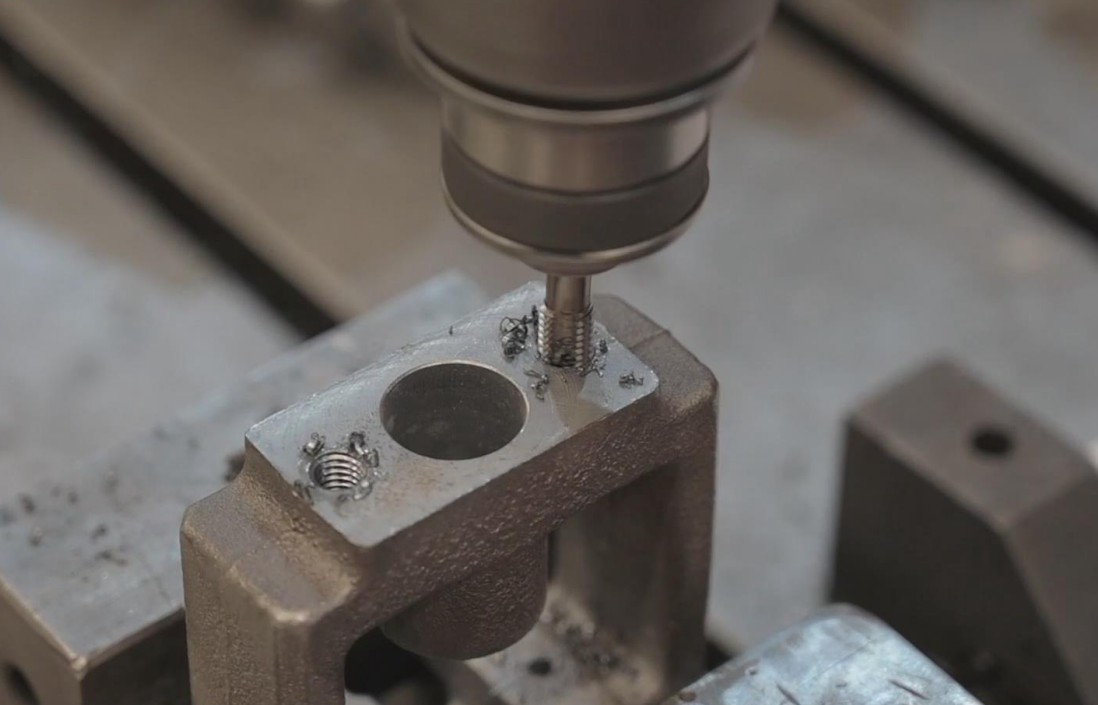
We don’t just manufacture products, we create peace of mind. Our vast expertise lies in a comprehensive unified system where creative design meets industrial compliance. Especially in the realm of pharmaceutical chemical splash decontamination, every valve, nozzle, and reservoir must perform flawlessly under pressure. Our engineering ensures that whether it is a portable unit or a trace-heated combination shower, the delivery of life-saving fluids is instantaneous and perfectly calibrated.
The future of pharmaceutical decontamination is deeply intertwined with technological innovation. We are witnessing the integration of AI and IoT (Internet of Things) into safety equipment. Modern portable eye washers are beginning to feature smart sensors that monitor water levels, fluid temperature, and antibacterial additive efficacy in real-time. If the internal temperature deviates from the tepid range required by ANSI (60°F - 100°F), or if the unit is activated, instant alerts are sent to the central facility management system. Furthermore, advanced materials such as electropolished 316L stainless steel are becoming standard, offering unparalleled resistance to both chemical corrosion and microbial adhesion, ensuring the unit itself does not become a source of cleanroom contamination.
When evaluating the Harga Eye Washer Portable, procurement managers must look beyond the initial purchase price. The true cost of safety equipment in a pharmaceutical setting is measured in its Total Cost of Ownership (TCO) and its efficacy in mitigating liability.
1. Initial Investment vs. Infrastructure Savings: While high-end stainless steel portable units carry a premium initial "harga", they completely eliminate the need for expensive cleanroom plumbing, drainage installation, and the associated facility downtime required for retrofitting fixed stations.
2. Maintenance and Compliance Costs: High-quality portable units feature sealed fluid cartridges or advanced bacteriostatic additives that require replacement only every 6 to 24 months, drastically reducing the weekly testing labor costs associated with plumbed units.
3. The Cost of Failure: The most critical factor in the harga equation is the cost of non-compliance. A chemical splash resulting in permanent ocular damage due to inadequate or malfunctioning equipment leads to devastating human tragedy, massive legal liabilities, regulatory fines, and facility shutdowns. Investing in top-tier, ANSI-compliant portable eye washers is a financially sound insurance policy that protects both the workforce and the enterprise.
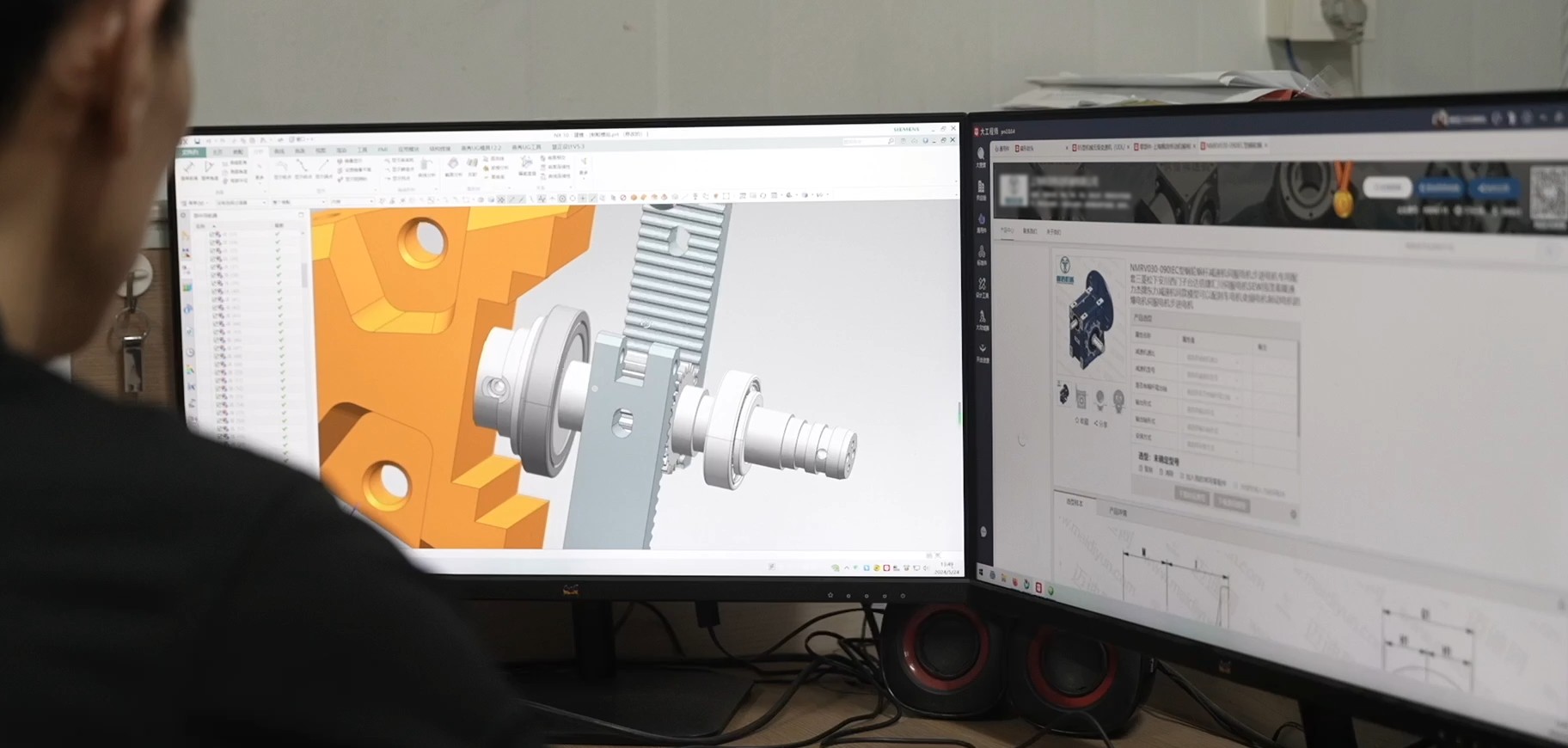
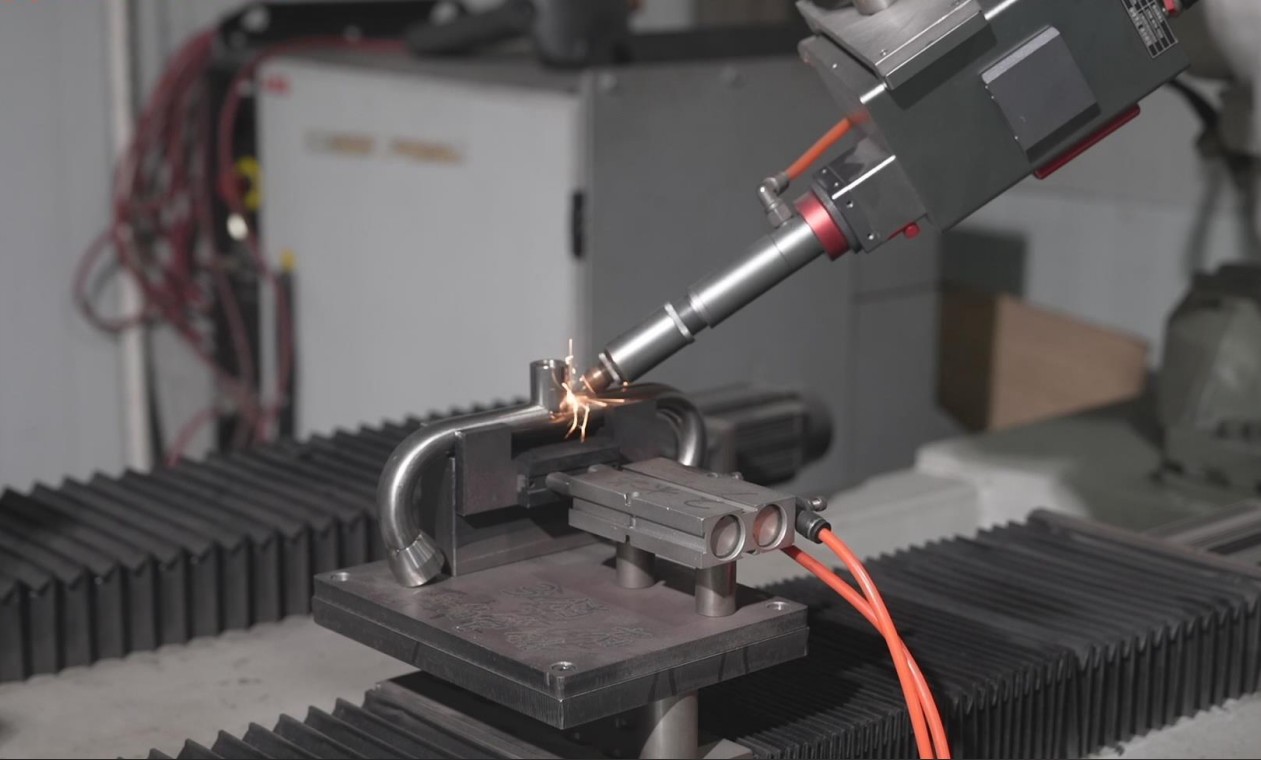
From our specialized mould-making and injection moulding workshops to our advanced CNC machining centers, we are controlling every millimeter of the process. This integration allows us to transform a design into a life-saving equipment with precision. Our technical team is not just experienced; they also bridge the gap between complex safety theories and practical, site-specific applications in demanding environments like pharmaceutical cleanrooms.
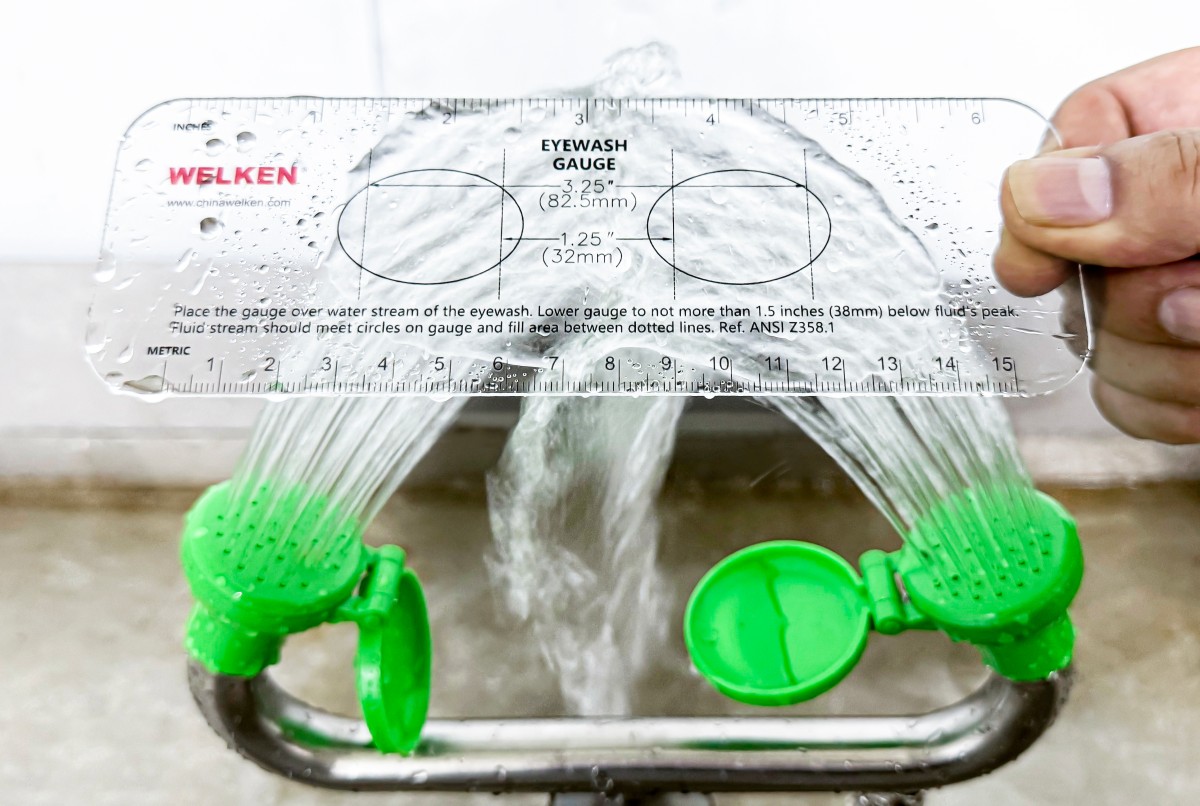
Quality is not a claim, it is a proven fact. Each shower and eye wash station is subjected to pressure, flow, and switch testing to guarantee that it surpasses the ANSI Z358.1-2014 standard before it leaves our factory. This rigorous testing ensures that in the event of a chemical splash, the decontamination process is immediate, consistent, and effective.
Since 2014, WELKEN has been a fixture at the world's leading Occupational Safety exhibitions in A+A Düsseldorf. Our journey doesn't stop in Germany; we actively engage with industry leaders at major occupational health and safety exhibitions across the USA, Mexico, Singapore, Russia, Kazakhstan, Turkey and other countries. We listen to the unique challenges of different markets, allowing us to provide diverse safety solutions rather than just off-the-shelf products.
Explore our full range of emergency chemical splash solutions, engineered for the rigorous demands of pharmaceutical manufacturing and sterile environments.
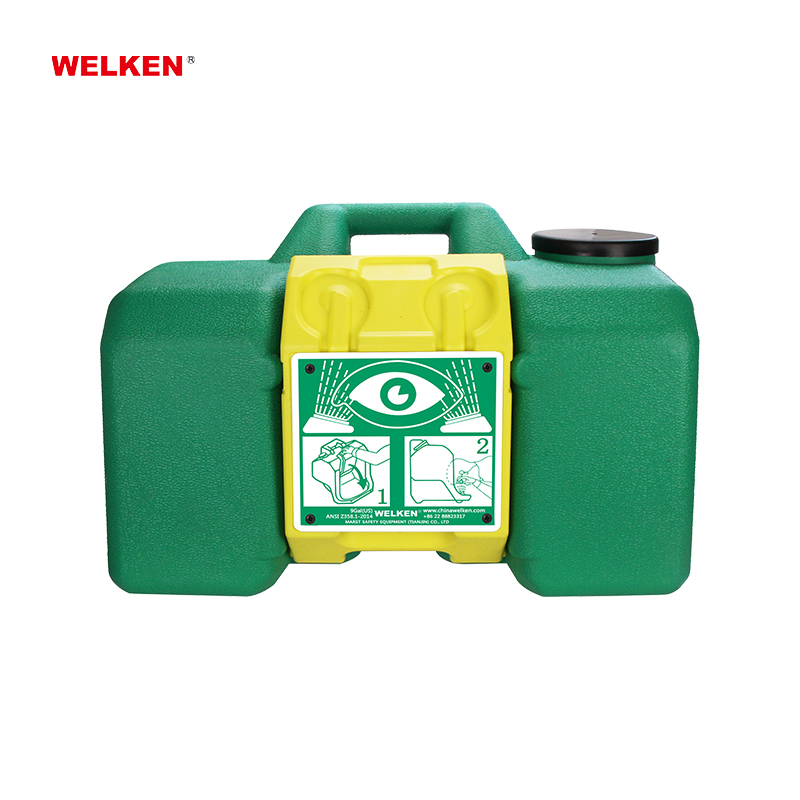 BD-600A (35L) Cleanroom Wall Mounted Decontamination Station
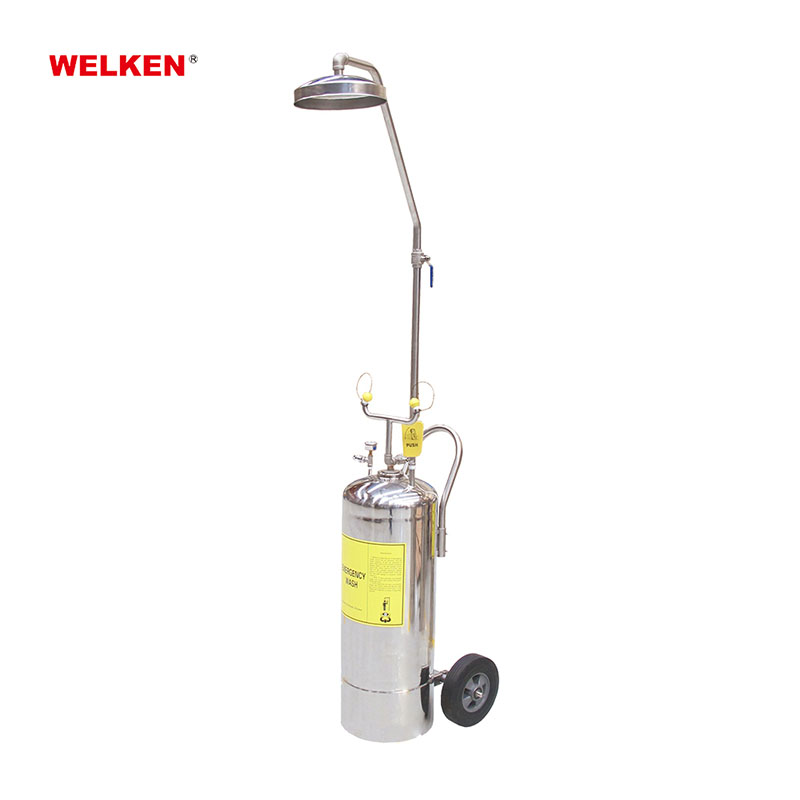 BD-570A Pharma-Grade Mobile Splash Eye Wash Unit
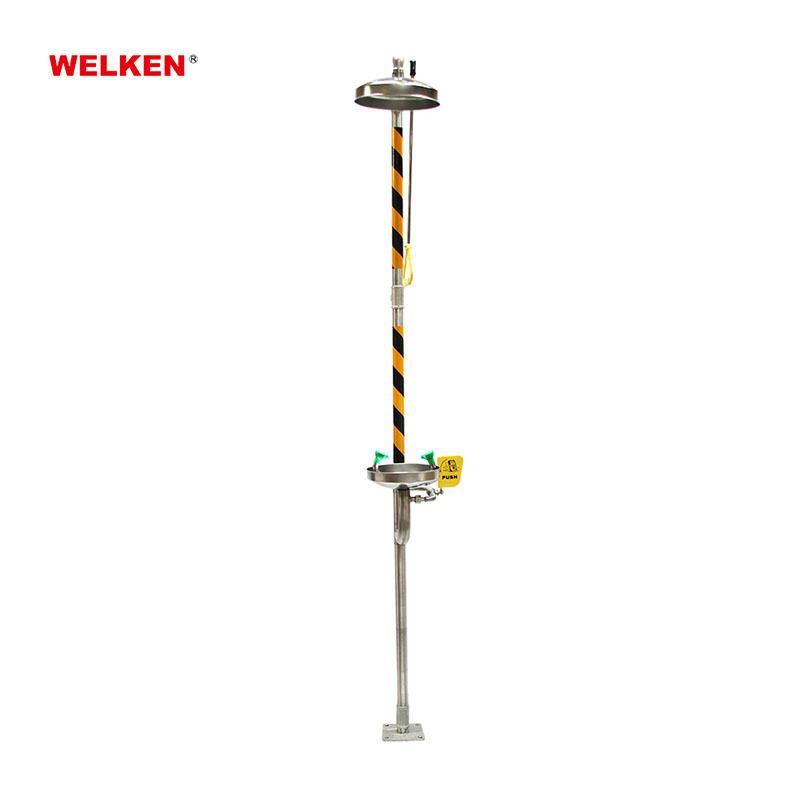 BD-560 Chemical Splash Combination Shower for Labs
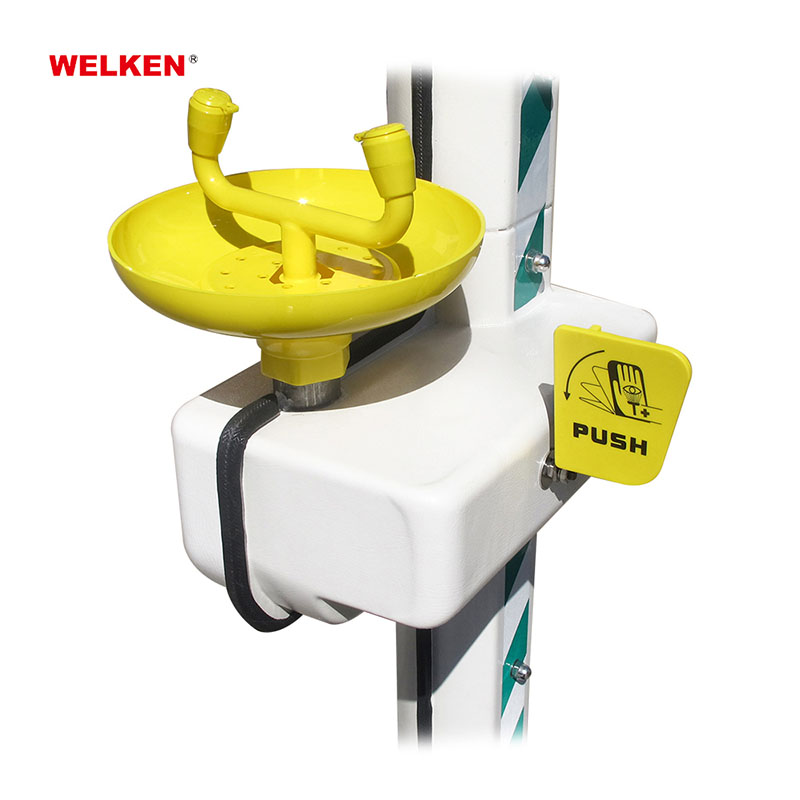 BD-580C Temperature-Controlled Cleanroom Decon Station
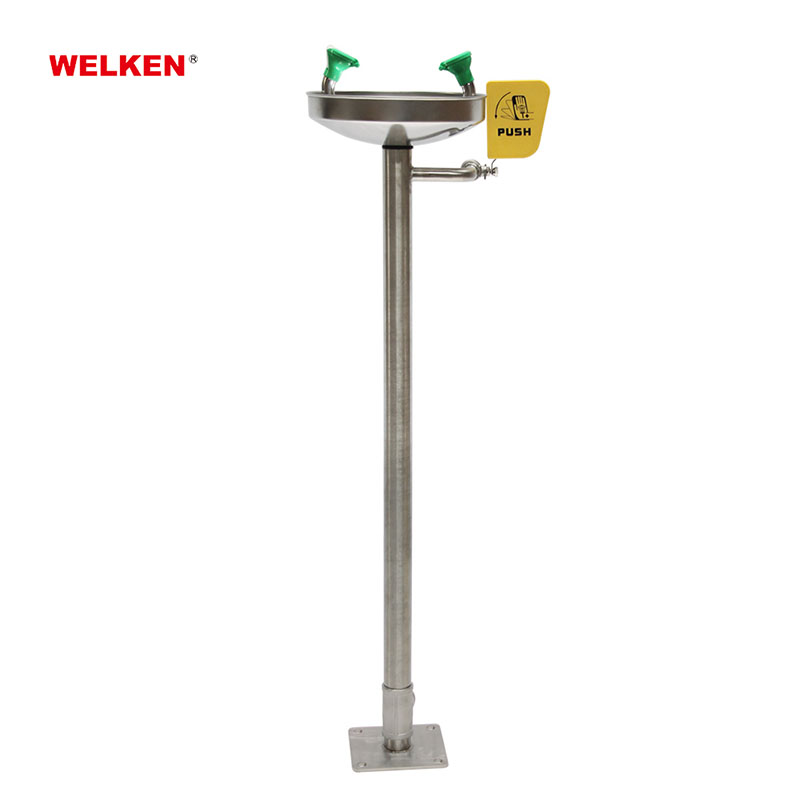 BD-540C Sterile 316L Stainless Steel Pedestal Eye Wash
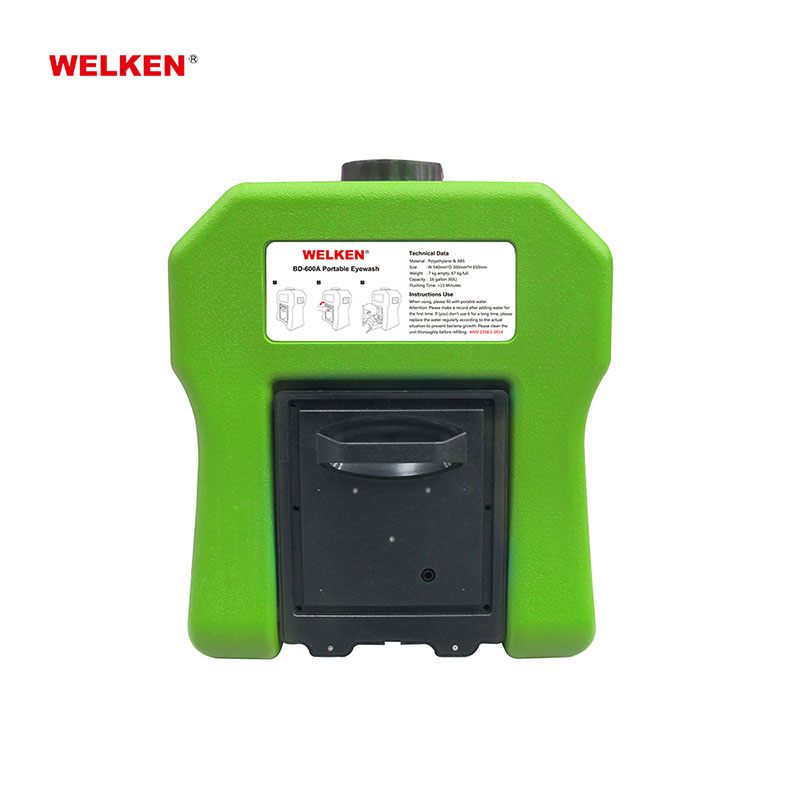 BD-600A 60L High-Capacity Pharma Portable Station
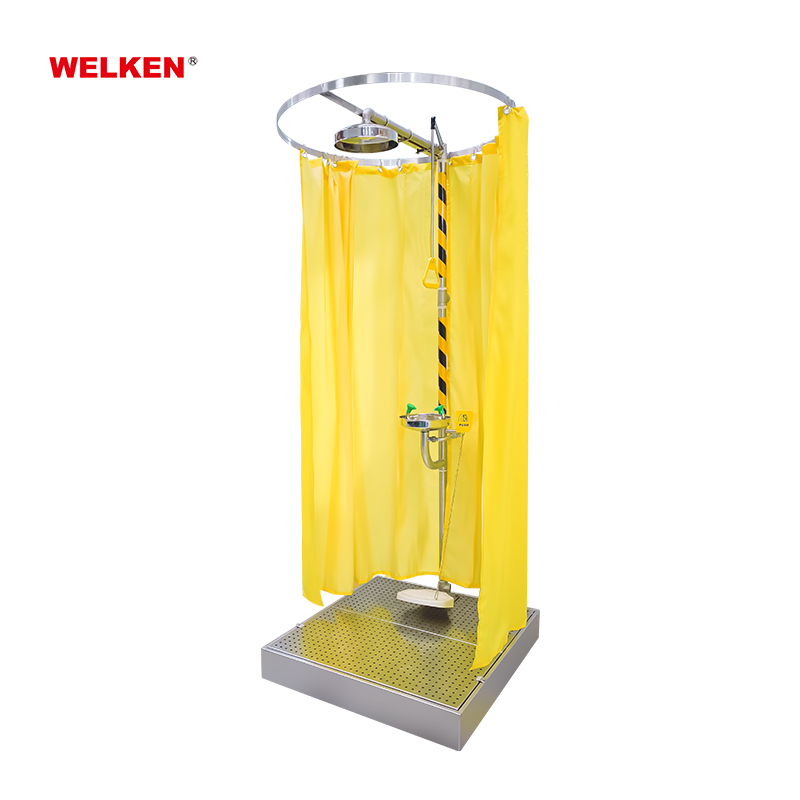 BD-550E01 GMP Compliant Wall Mounted Wash & Shower
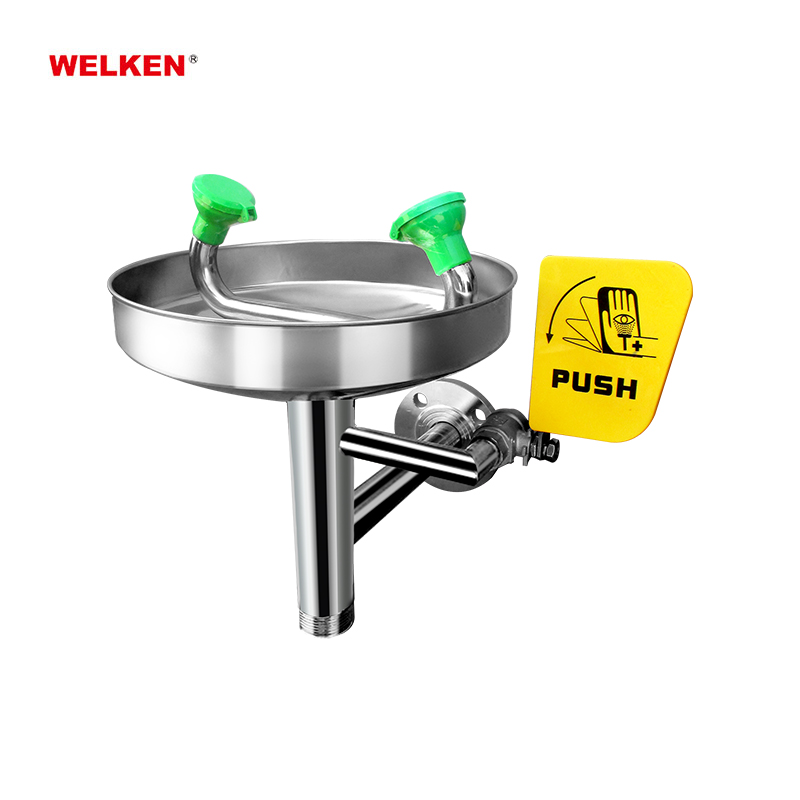 BD-508A API Processing Area Stainless Eye Wash