Leave Your Message
In the modern pharmaceutical industry, cleanrooms are the beating heart of drug manufacturing, biologics processing, and Active Pharmaceutical Ingredient (API) synthesis. These controlled environments, strictly regulated by FDA, EMA, and global GMP guidelines, operate under stringent ISO classification standards (typically ISO 5 to ISO 8). However, the paradox of pharmaceutical manufacturing lies in the inherent danger of the processes: creating life-saving medications often requires the handling of highly corrosive chemicals, potent solvents, strong acids, and caustic bases.
When a chemical splash occurs in a cleanroom, the situation escalates rapidly into a dual-threat scenario. First and foremost is the immediate biological threat to the operator, requiring instantaneous decontamination to prevent permanent ocular or dermal damage. Secondly, there is the severe risk of cleanroom contamination. Traditional plumbed safety showers and eyewash stations introduce an unacceptable risk to these sterile environments: the dreaded "dead leg" in plumbing where stagnant water can harbor biofilms, bacteria, and legionella.
To combat the bio-contamination risks associated with traditional plumbing, the pharmaceutical sector has aggressively pivoted towards the Gravity Fed Eyewash for Pharmaceutical Cleanroom Chemical Splash Decontamination. By utilizing self-contained, gravity-fed systems, facility managers eliminate the need for complex, unsterilizable piping networks within the clean zone. These standalone units can be filled with purified water, sterile saline, or specially formulated neutralizing solutions that align perfectly with the microbiological control limits of the cleanroom.
The commercial demand for these advanced decontamination units has surged globally. As the production of High-Potency Active Pharmaceutical Ingredients (HPAPIs) and personalized gene therapies expands, the need for modular, flexible, and impeccably sterile safety equipment has never been higher. Gravity-fed systems represent a crucial intersection of occupational health and rigorous pharmaceutical quality assurance.
Understanding exactly where and how these gravity-fed decontamination units are deployed provides insight into their indispensable value across various high-tech pharmaceutical manufacturing scenarios.
Buffer preparation rooms are critical nodes in biopharmaceutical downstream processing. Here, operators routinely handle concentrated acids (like Hydrochloric Acid) and bases (like Sodium Hydroxide) to adjust the pH of massive bioreactor batches. A splash in this zone can cause instantaneous chemical burns. A Gravity Fed Eyewash stationed directly adjacent to the compounding hood ensures that the operator has immediate access to a 15-minute uninterrupted flow of sterile flushing fluid, satisfying the ANSI Z358.1-2014 standard without requiring hard-plumbed lines that could compromise the room's VHP (Vaporized Hydrogen Peroxide) decontamination cycles.
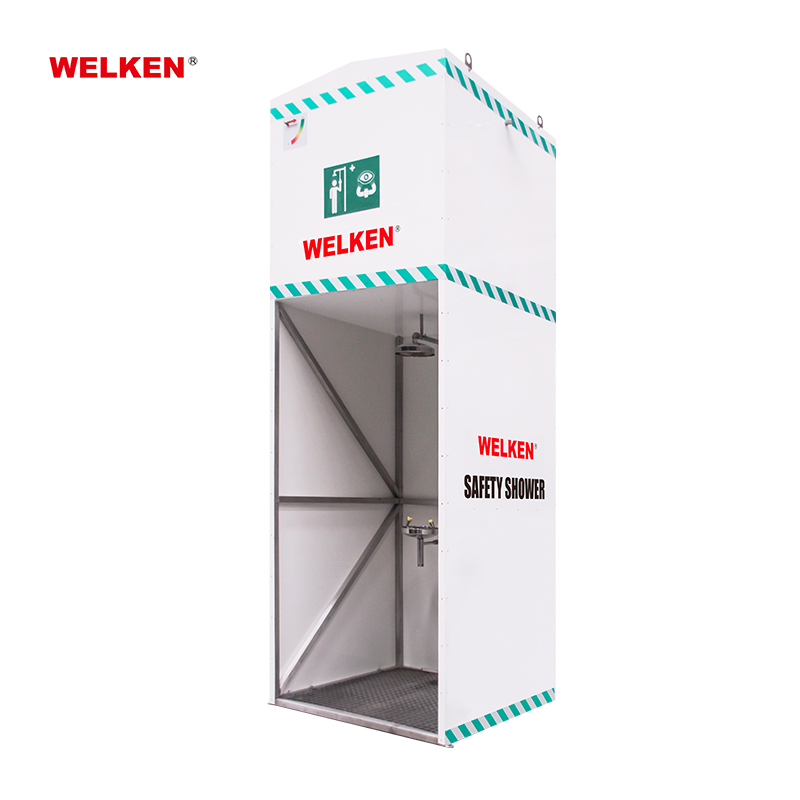
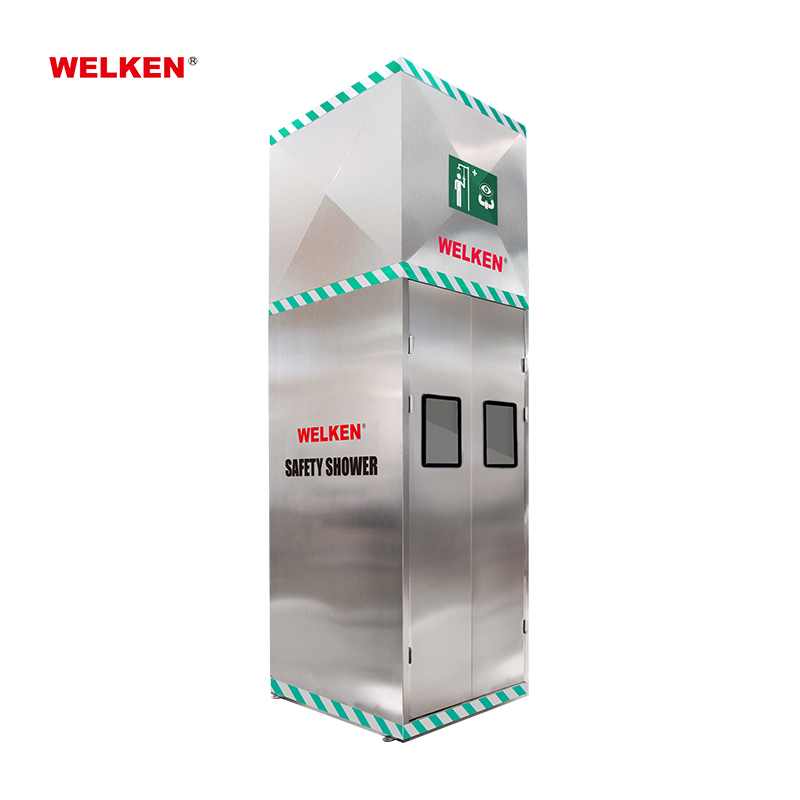
High-Potency APIs, such as those used in oncology drugs, require extreme containment (isolators and glove boxes). However, during maintenance, cleaning, or accidental breach, operators in full PPE (Personal Protective Equipment) are at risk. If a potent chemical breaches the suit or a splash occurs during transfer, immediate localized decontamination is mandatory. Gravity-fed tank showers are ideal here because they can be relocated as the modular suite is reconfigured for different drug campaigns. Their GRP (Glass Reinforced Plastic) or Stainless Steel construction ensures they do not shed particles, maintaining the ISO classification while providing life-saving deluge capabilities.
Airlocks are transition zones where pressure cascades are meticulously maintained. Installing traditional plumbing in these walls is notoriously difficult and often forbidden due to the risk of altering air pressure dynamics or introducing moisture-related microbial growth. Yet, operators carrying chemical samples or waste through these airlocks remain at risk. A compact, gravity-fed eyewash station provides a fail-safe decontamination point. It acts as an independent, self-sustaining safety node that perfectly respects the architectural and HVAC integrity of the pharmaceutical airlock system.
We don’t just manufacture products, we create peace of mind. Our vast expertise lies in a comprehensive unified system where creative design meets industrial compliance.
To ensure that our Gravity Fed Eyewash for Pharmaceutical Cleanroom applications meets the exacting standards of the industry, we have integrated advanced manufacturing protocols. Every unit is a testament to engineering excellence, designed to withstand the harsh sterilization chemicals used in cleanrooms while remaining ready to deploy life-saving water at a moment's notice.
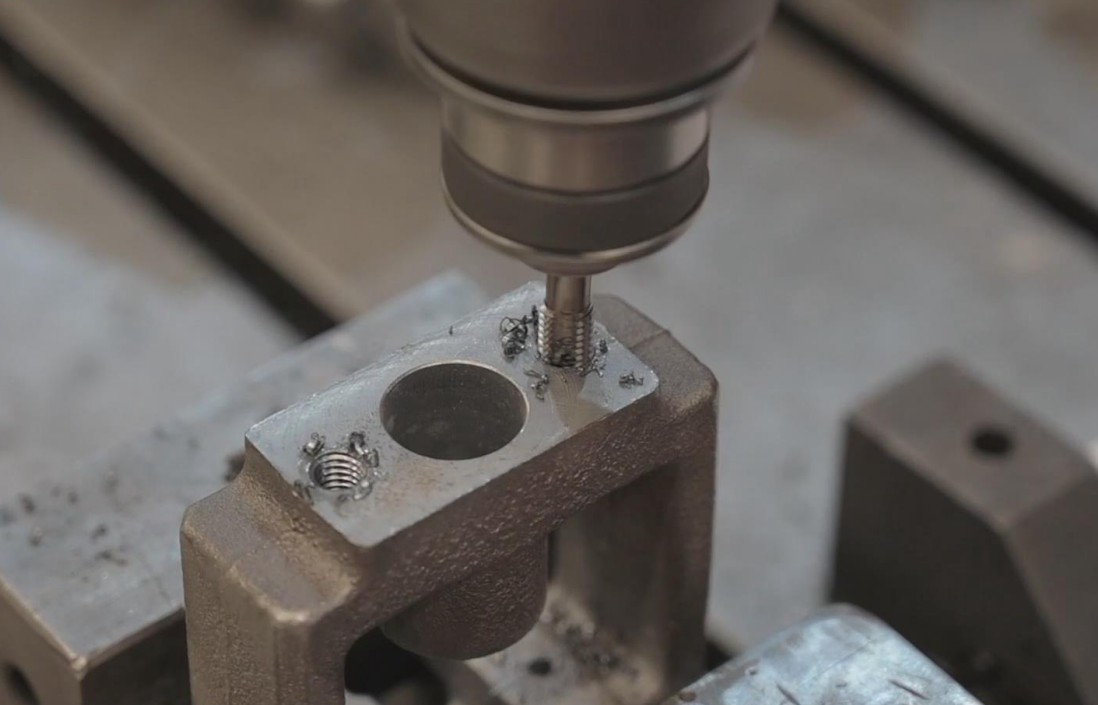
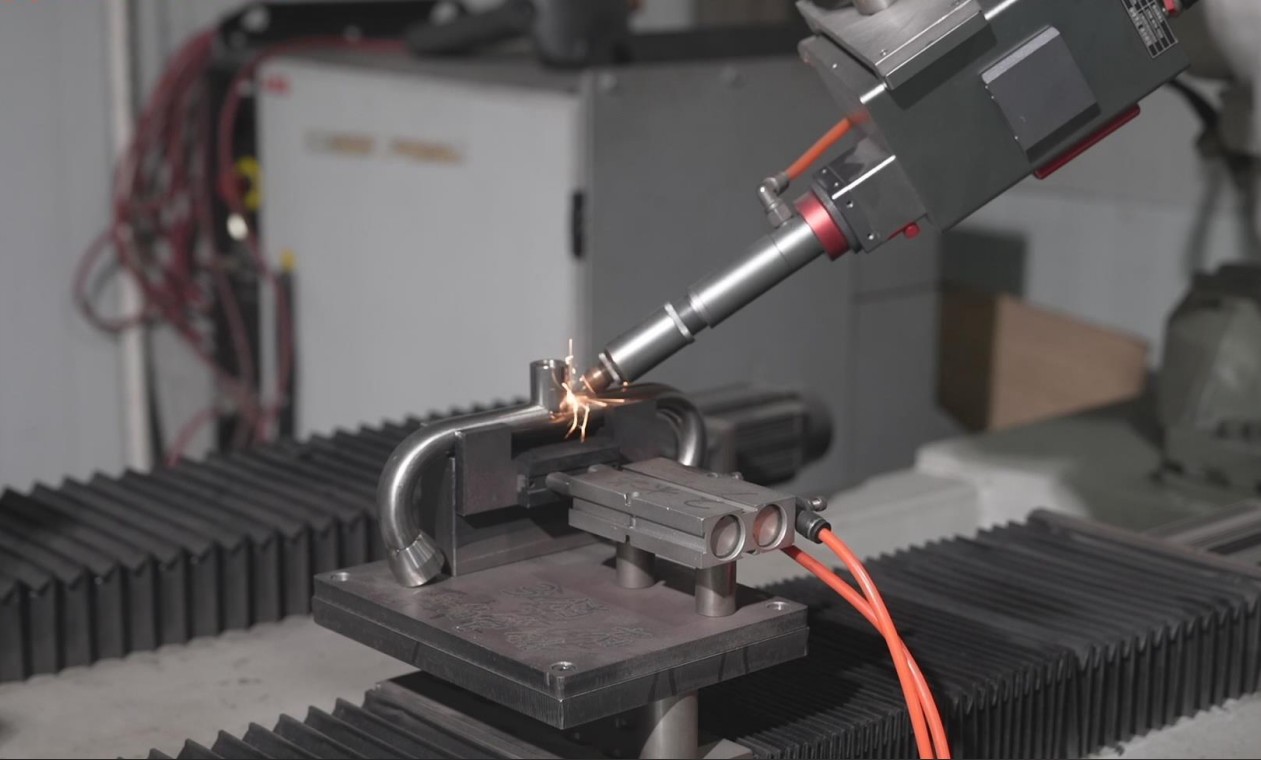
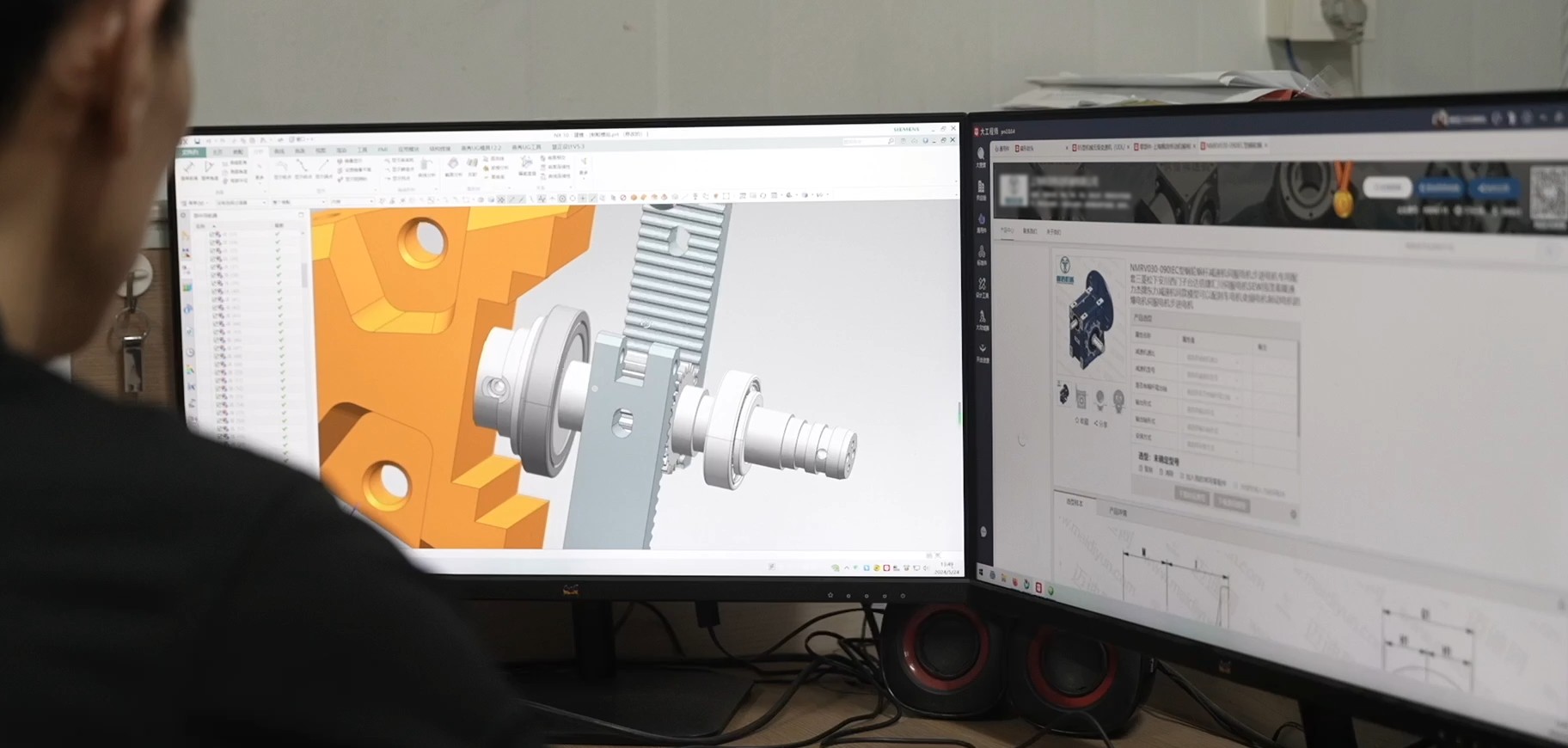
From our specialized mould-making and injection moulding workshops to our advanced CNC machining centers, we are controlling every millimeter of the process. This integration allows us to transform a design into a life-saving equipment with precision.
Our technical team is not just experienced; they also bridge the gap between complex safety theories and practical, site-specific applications. When designing for the pharmaceutical sector, this means understanding the nuances of cleanroom airflow, chemical compatibility, and ergonomic access for gowned personnel.
The future of the Gravity Fed Eyewash for Pharmaceutical Cleanroom Chemical Splash Decontamination lies in smart technology. Modern GMP facilities are transitioning towards Industry 4.0. We are seeing the integration of IoT (Internet of Things) sensors within gravity-fed tanks. These AI-driven sensors continuously monitor water levels, fluid temperature, and fluid expiration dates. If the sterile saline inside the tank approaches its expiry, or if the temperature deviates from the tepid requirements (16°C - 38°C) mandated by ANSI, the system automatically alerts the facility management via a centralized dashboard. This predictive maintenance eliminates human error in safety audits.
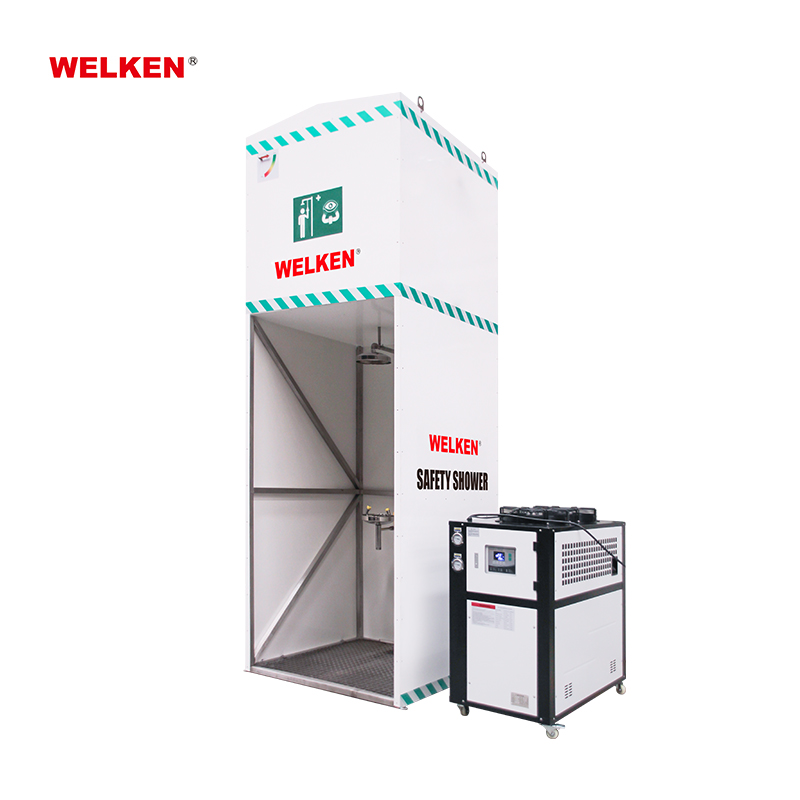
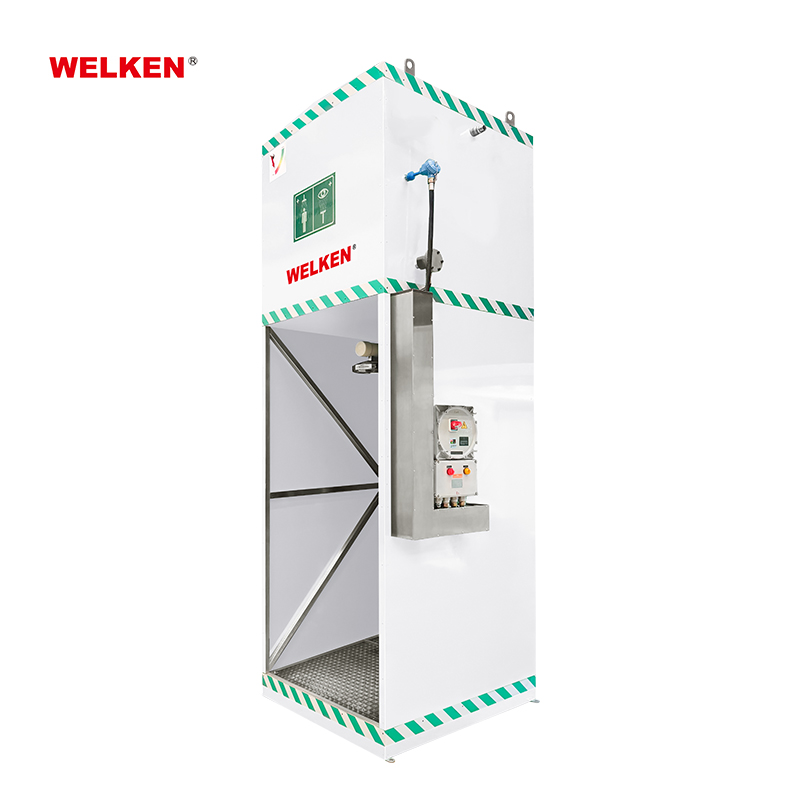
Another massive trend is the evolution of construction materials. Traditional plastics can degrade when repeatedly exposed to UV light or Vaporized Hydrogen Peroxide (VHP) sterilization used in cleanrooms. The latest generation of gravity-fed systems utilizes specialized Glass Reinforced Plastic (GRP) and electropolished 316L Stainless Steel. Furthermore, high-end models now incorporate intrinsically safe cooling and heating systems (like our BD-602B-GH and GC models). In pharmaceutical facilities located in extreme climates, or within specific cold-chain manufacturing zones, these temperature-controlled gravity tanks ensure the decontamination fluid is always at a medically safe, tepid temperature, preventing thermal shock to the victim's eyes.
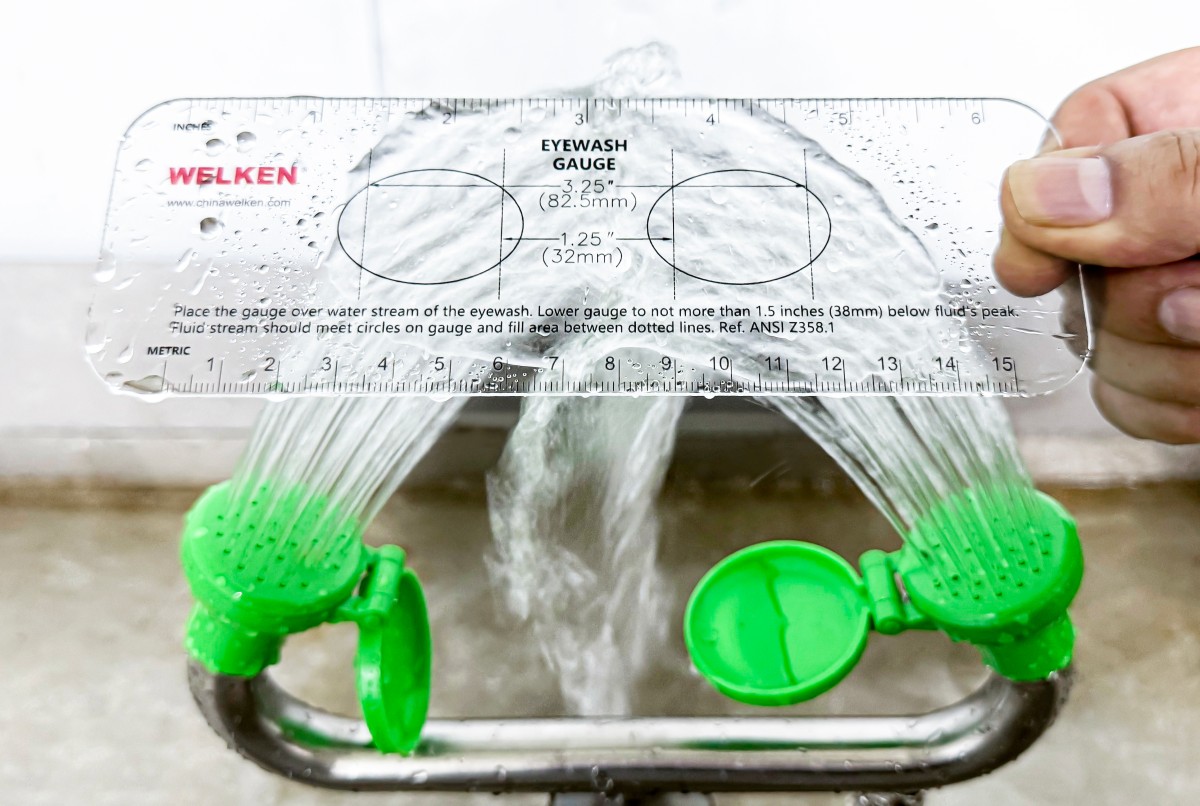
Quality is not a claim, it is a proven fact. Each shower and eye wash station is subjected to pressure, flow, and switch testing to guarantee that it surpasses the ANSI Z358.1-2014 standard before it leaves our factory. In a pharmaceutical cleanroom, where a chemical splash requires exactly 15 minutes of continuous, gravity-fed flushing, this rigorous testing is the difference between a minor incident and a catastrophic injury.
At WELKEN, we believe all workers have the right to return home safely. Our journey began in 1998, rooted in a simple, yet profound mission: to manufacture safety equipment that never fails when it matters most.
Over two decades, we grow from a normal factory into a National High-Tech Enterprise. In 2007, we took our first steps into the global market, bringing Chinese manufacturing precision to the world. Today, WELKEN is more than just a brand—it is a trusted shield for personnel in over 70 countries, protecting lives from the oil fields of the Middle East to the rugged mines of South America, and now, the ultra-sterile pharmaceutical cleanrooms across the globe.
Since 2014, WELKEN has been a fixture at the world's leading Occupational Safety exhibitions in A+A Düsseldorf. Our journey doesn't stop in Germany; we actively engage with industry leaders at major occupational health and safety exhibitions across the USA, Mexico, Singapore, Russia, Kazakhstan, Turkey and other countries. We listen to the unique challenges of different markets, allowing us to provide diverse safety solutions rather than just off-the-shelf products. This global perspective is what drives our innovation in specialized fields like Pharmaceutical Cleanroom Chemical Splash Decontamination.
Explore our full range of Gravity Fed Eyewashes and Safety Showers, engineered for GMP, ISO 5-8 Cleanrooms, and API Manufacturing facilities.