



Leave Your Message
Engineered for rapid response in hazardous material logistics and industrial storage environments.
The modern industrial warehouse has evolved far beyond a simple storage facility. Today, it functions as a highly complex logistical hub, frequently tasked with the handling, transferring, and storing of a myriad of hazardous materials, volatile chemicals, and corrosive substances. As global supply chains continue to expand at an unprecedented rate, the concentration of dangerous goods within centralized warehousing environments has skyrocketed. This rapid escalation brings forth highly stringent regulatory oversight from international organizations such as the Occupational Safety and Health Administration (OSHA) and uncompromising standard-setters like the American National Standards Institute (ANSI).
Within this rigorous commercial landscape, the demand for infallible safety infrastructure is non-negotiable. Gravity fed eyewash stations have decisively emerged as the quintessential solution for these high-risk environments. Unlike traditional plumbed systems, which require extensive and costly pipework, gravity-fed units offer unparalleled flexibility and reliability. They are particularly indispensable in sprawling warehouse complexes where plumbed water is either economically unfeasible to install, prone to freezing, or simply unreliable due to fluctuating municipal water pressures.
From a macro-economic perspective, the cost of non-compliance in the realm of hazardous materials splash protection is astronomical. It is measured not merely in punitive regulatory fines, but in the devastating loss of human capital, catastrophic legal liabilities, and irreparable brand damage. Consequently, forward-thinking industrial enterprises are no longer viewing gravity-fed eyewash systems as a mere regulatory checkbox, but rather as a critical, strategic investment in operational resilience and workforce preservation.
Gravity fed eyewash systems are uniquely designed to adapt to the diverse and dynamic hazard zones found within modern industrial logistics centers.
In designated chemical storage areas, workers frequently handle raw chemical transfers, decanting processes, and bulk liquid mixing. The risk of an accidental splash from corrosive acids or caustic bases is exceptionally high. A gravity-fed eyewash station provides an immediate, 15-minute uninterrupted flow of tepid flushing fluid, allowing workers to neutralize the threat within the critical first seconds of exposure, regardless of the zone's proximity to the main water line.
Material handling equipment is the lifeblood of any warehouse. However, electric forklift battery charging stations present a severe, often overlooked hazard: sulfuric acid. During charging and maintenance, batteries can off-gas or leak highly corrosive battery acid. OSHA strictly mandates that suitable facilities for quick drenching or flushing of the eyes and body be provided within the immediate work area. Gravity fed units are perfectly suited for these isolated charging bays.
Loading docks are high-traffic, high-risk transition zones where hazardous materials are loaded and unloaded from freight trucks. Accidents here—such as dropped drums or punctured IBC totes—happen in a fraction of a second. The portability and self-contained nature of gravity-fed splash protection systems allow them to be strategically positioned directly on the dock platform, ensuring that emergency relief is available exactly where the transit hazard exists.
During peak seasons, industries often utilize temporary structures, overflow tents, or off-grid remote storage yards to house hazardous materials. These areas completely lack traditional plumbing infrastructure. Here, the gravity-fed eyewash station is not just the best option; it is the only viable option to maintain ANSI compliance and protect the workforce in temporary deployment scenarios.
The industrial safety sector is experiencing a technological renaissance. The traditional gravity-fed eyewash station is evolving into a highly sophisticated, AI-enhanced piece of life-saving technology. One of the most prominent development trends is the integration of the Internet of Things (IoT) and smart monitoring systems. Modern industrial warehouses are beginning to deploy smart eyewash stations equipped with sensors that continuously monitor water levels, fluid temperature, and unit activation. Upon activation, these systems can instantly dispatch automated alerts via a centralized warehouse management system (WMS) to emergency response teams, ensuring that medical aid is dispatched the very second a hazardous material splash occurs.
Material science has also propelled the industry forward. The transition from standard plastics to advanced Glass Reinforced Plastic (GRP) and 316L Stainless Steel has drastically increased the lifecycle of these units in highly corrosive environments. These robust materials ensure that the safety equipment remains untainted and fully functional even when exposed to harsh chemical vapors present in the warehouse atmosphere.
Furthermore, extreme climate adaptability has become a critical trend. Industrial warehouses are not always climate-controlled; they exist in environments ranging from the freezing Arctic to the blistering desert. State-of-the-art gravity fed systems now incorporate advanced cooling systems for high-temperature zones and sophisticated heating systems to prevent fluid freezing in sub-zero conditions. This ensures that the flushing fluid always remains "tepid" (between 60°F and 100°F), strictly adhering to ANSI Z358.1 standards and preventing thermal shock to a victim's eyes during an emergency.
At WELKEN, we believe all workers have the right to return home safely. Our journey began in 1998, rooted in a simple, yet profound mission: to manufacture safety equipment that never fails when it matters most.
Over two decades, we grow from a normal factory into a National High-Tech Enterprise. In 2007, we took our first steps into the global market, bringing Chinese manufacturing precision to the world. Today, WELKEN is more than just a brand—it is a trusted shield for personnel in over 70 countries, protecting lives from the oil fields of the Middle East to the rugged mines of South America.
We don’t just manufacture products, we create peace of mind. Our vast expertise lies in a comprehensive unified system where creative design meets industrial compliance.
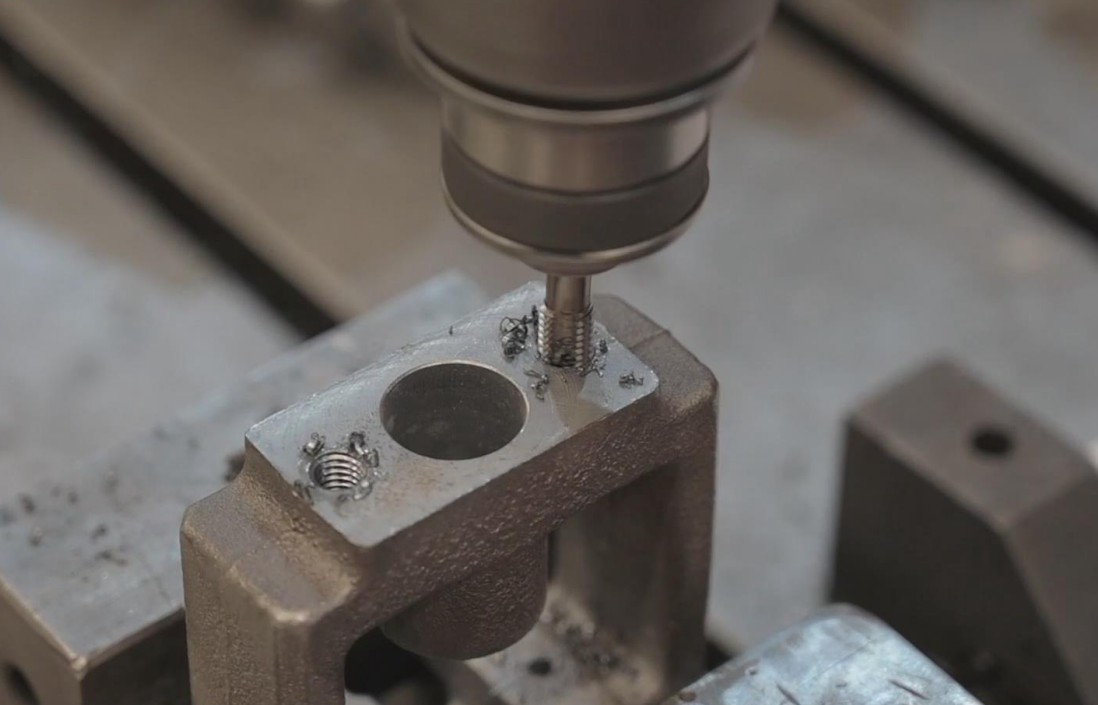
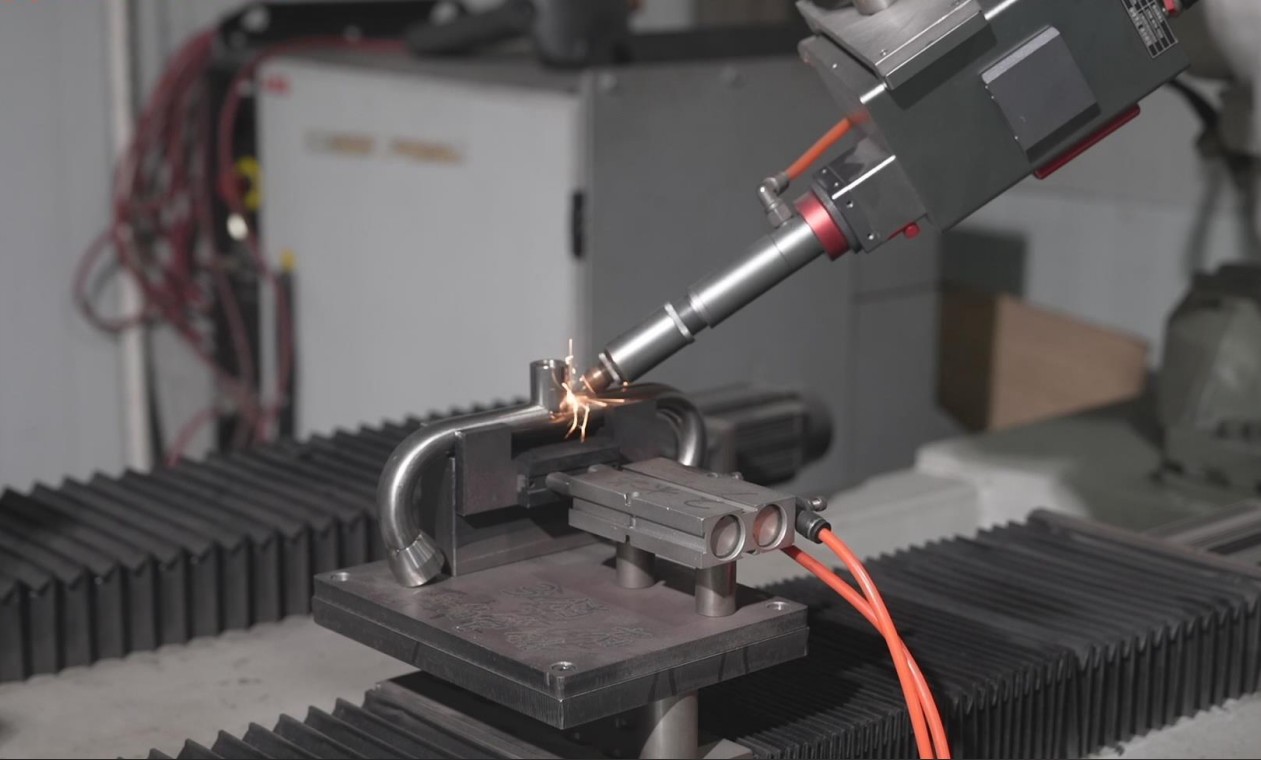
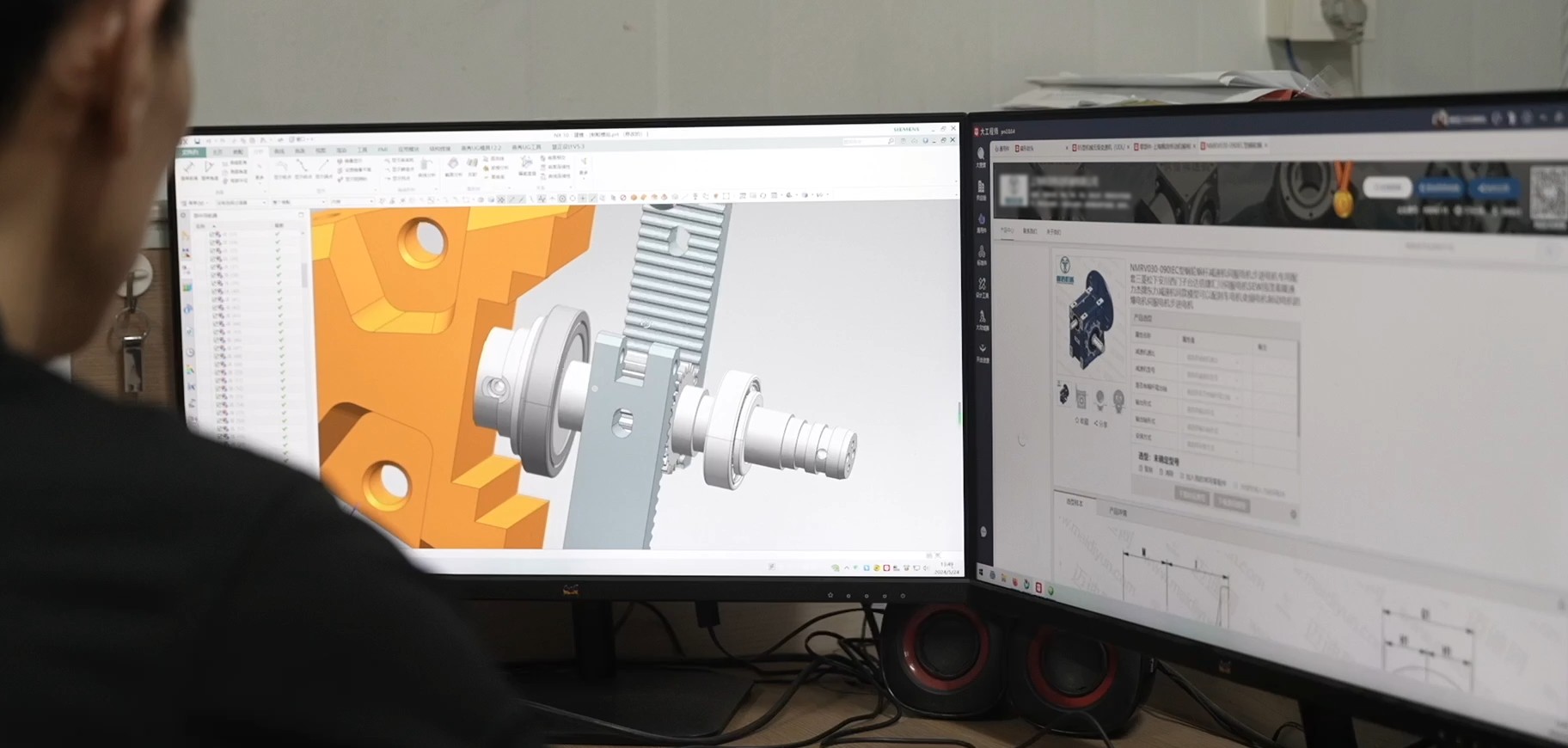
From our specialized mould-making and injection moulding workshops to our advanced CNC machining centers, we are controlling every millimeter of the process. This integration allows us to transform a design into a life-saving equipment with precision.
Our technical team is not just experienced; they also bridge the gap between complex safety theories and practical, site-specific applications.
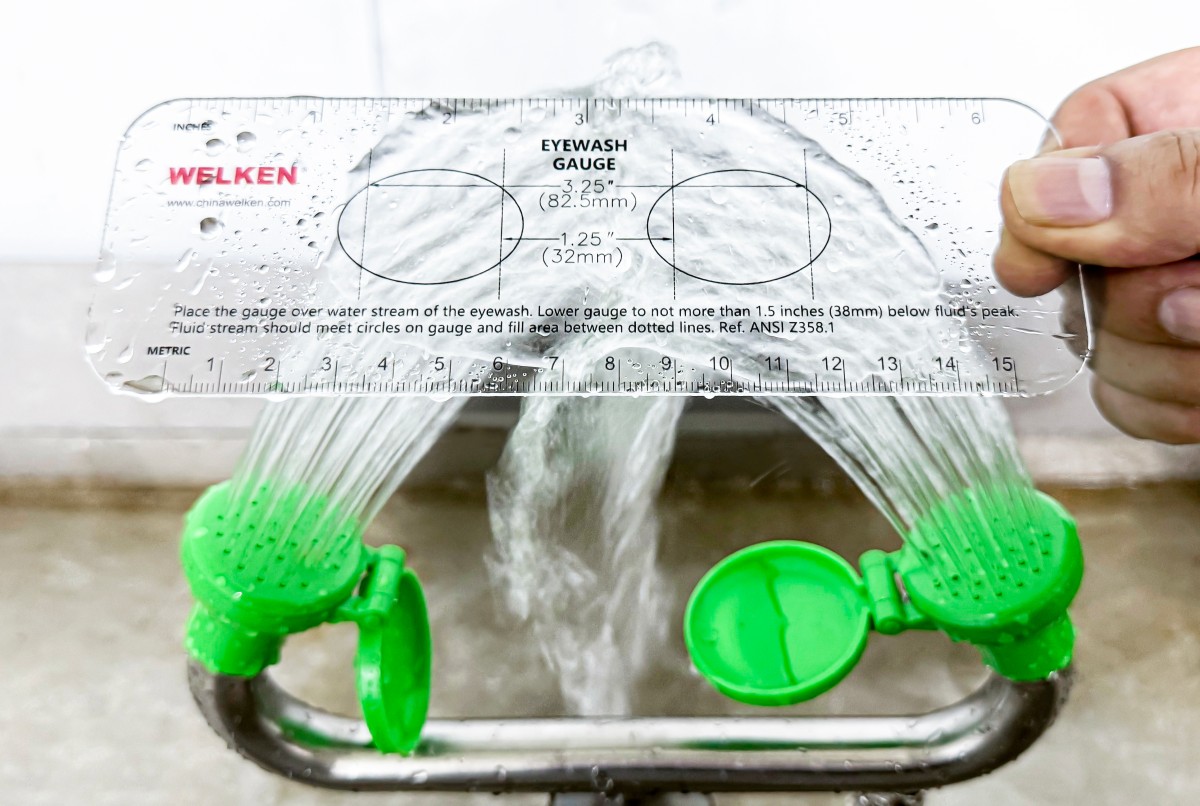
Quality is not a claim, it is a proven fact. Each shower and eye wash station is subjected to pressure, flow, and switch testing to guarantee that it surpasses the ANSI Z358.1-2014 standard before it leaves our factory.
Since 2014, WELKEN has been a fixture at the world's leading Occupational Safety exhibitions in A+A Düsseldorf. Our journey doesn't stop in Germany; we actively engage with industry leaders at major occupational health and safety exhibitions across the USA, Mexico, Singapore, Russia, Kazakhstan, Turkey and other countries. We listen to the unique challenges of different markets, allowing us to provide diverse safety solutions rather than just off-the-shelf products.
Installing a gravity-fed eyewash station is only the first step in establishing a robust hazardous materials splash protection protocol. Rigorous maintenance and strict adherence to placement guidelines are what ultimately save sight and lives. According to ANSI Z358.1-2014, emergency eyewash stations must be located within a 10-second walk (approximately 55 feet) from the hazard. In an industrial warehouse, where aisles can be obstructed by forklifts and pallets, calculating this 10-second trajectory must account for real-world logistical barriers. The pathway must remain consistently clear, well-lit, and marked with highly visible, universally recognized safety signage.
Maintenance of self-contained, gravity-fed units requires a disciplined schedule. Because the water is stagnant, it is highly susceptible to bacterial growth (such as Legionella or Acanthamoeba) which can cause severe secondary ocular infections if flushed into a vulnerable, chemically burned eye. To combat this, warehouse safety officers must ensure that the flushing fluid is treated with an FDA-approved bacteriostatic preservative additive. Even with additives, the fluid must be completely drained, the internal tank sanitized, and the potable water replaced every 90 to 120 days, or as dictated by the manufacturer's specifications.
Furthermore, a weekly visual inspection is mandatory. This inspection verifies that the unit is full, the activation mechanism is intact, and the protective dust covers are securely in place over the spray heads. Comprehensive employee training is equally vital. In the panic of a hazardous chemical splash, a worker's vision is often compromised. Employees must be trained through blindfolded physical drills to navigate from their specific warehouse work zone to the nearest gravity-fed eyewash station using only spatial memory and tactile cues.
Investing in high-tier gravity-fed eyewash stations equipped with GRP tanks, thermal control systems, and durable stainless steel components ensures that when a catastrophic hazardous material splash occurs, the industrial warehouse is perfectly equipped to mitigate the damage instantly, safeguarding the enterprise's most valuable asset: its people.
Explore our full range of splash protection equipment tailored for industrial warehouse safety.
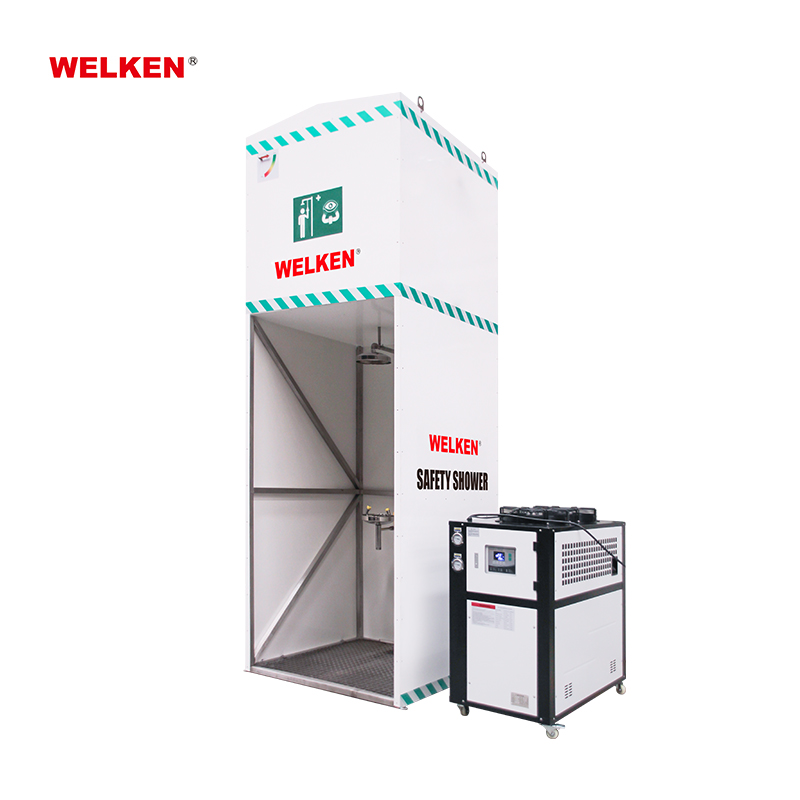 BD-602B-GH Industrial Warehouse GRP Gravity Fed Eyewash & Shower with Cooling
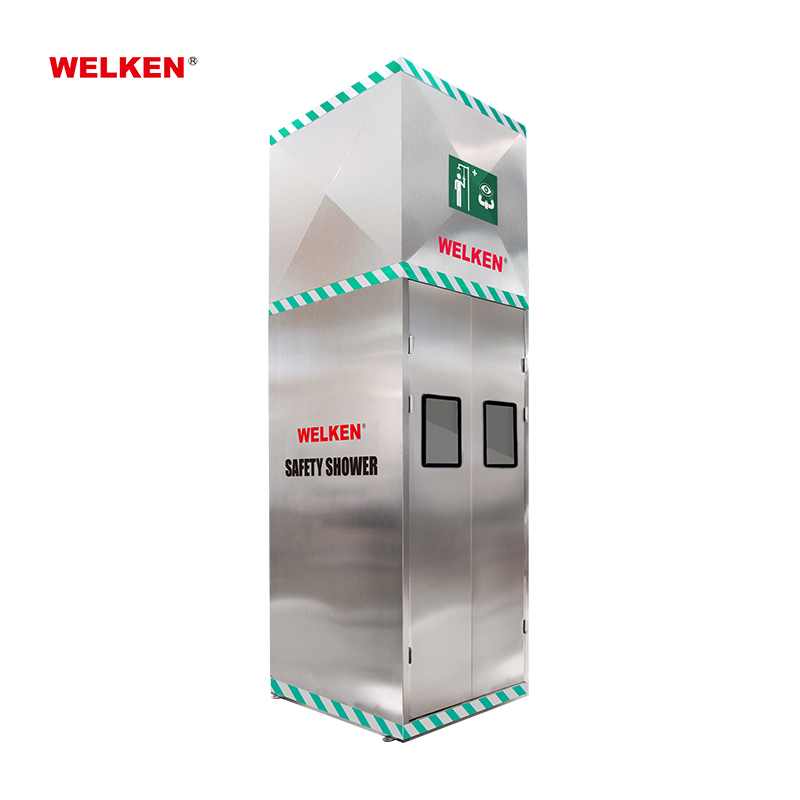 BD-602B-SCD Hazardous Material Splash Protection Stainless Steel Tank-Fed Shower
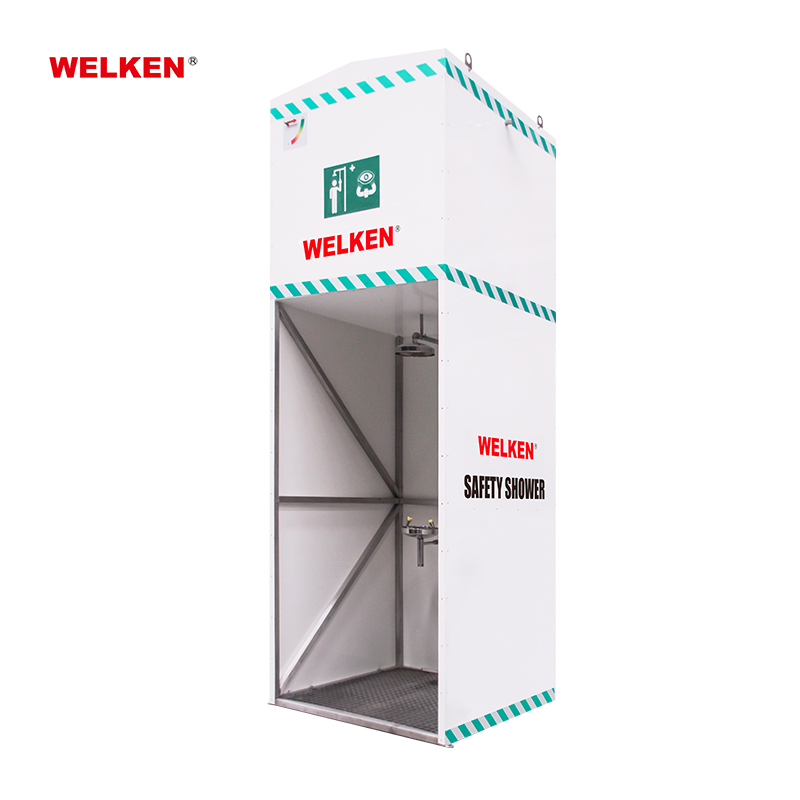 BD-602B-G Warehouse Splash Protection GRP Gravity Fed Eyewash Station
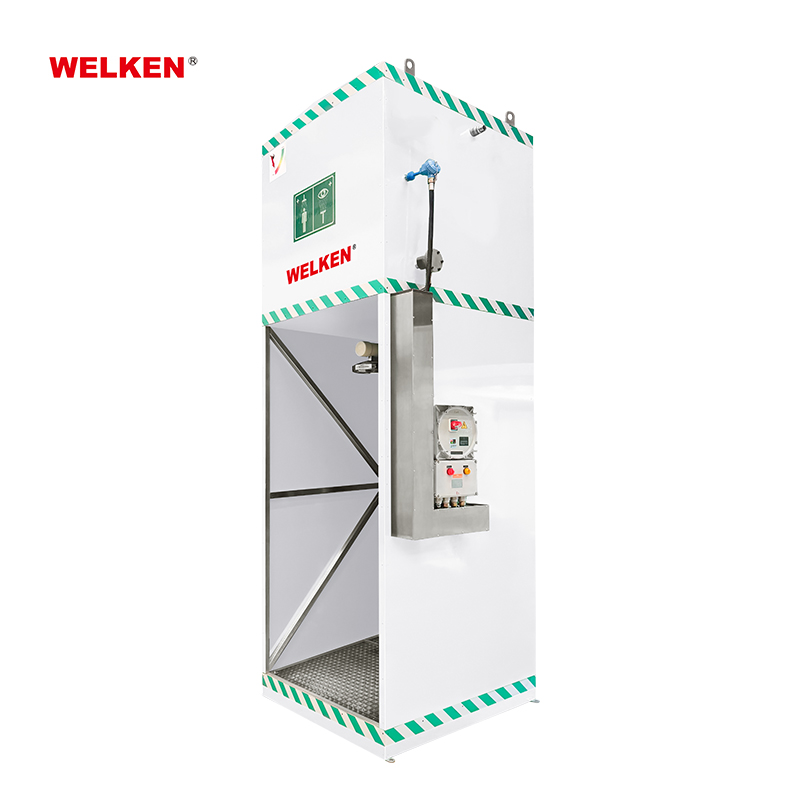 BD-602B-GC Chemical Logistics GRP Tank-Fed Safety Shower with Heating
BD-602B-GH GRP Gravity Fed Eyewash (High Capacity)
BD-602B-SCD Stainless Steel Eyewash for Extreme Cold Storage
BD-602B-G Standard Industrial Warehouse Gravity Fed Eyewash
BD-602B-GC Heated Tank-Fed Safety Shower for Outdoor Logistics