



Leave Your Message
Ensuring compliance with German occupational health guidelines and European safety directives through top-tier measurement and inspection technologies.
As the industrial engine of Europe, Germany maintains some of the most rigorous occupational safety standards globally. From the massive chemical complexes of North Rhine-Westphalia (such as the Leverkusen and Marl Chemical Parks) to the high-tech automotive assembly lines of Bavaria and Baden-Württemberg, the risk of chemical splashes and hazardous exposures demands immediate, fail-safe mitigation systems. First Aid Eyewash stations and emergency showers are not merely safety accessories; they are vital, legally mandated components of the workspace.
Under the German Social Accident Insurance (DGUV Information 213-850) and federal guidelines, companies operating with hazardous materials must provide immediate access to emergency eyewash systems. The primary objective is to dilute and wash away contaminants within the crucial first seconds of exposure, preventing permanent ocular damage or chemical burns.
WELKEN meets this demand by delivering high-precision engineering that aligns seamlessly with German industrial expectations. Our products are engineered to withstand the demanding environments of heavy industry, cleanroom laboratories, and automated manufacturing hubs across Germany.
Understanding the critical regulatory framework governing first aid emergency installations across European and German territories.
In Germany, safety showers and eyewash units must adhere strictly to the EN 15154 standard, which is split into various parts: Part 1 and 2 for plumbed body showers, and Part 3 and 4 for non-plumbed and plumbed eyewash units. Flow rate, spray pattern, and water temperature are highly regulated parameters to ensure safe treatment.
The German Social Accident Insurance (DGUV Rule 109-001 and Information 213-850) stipulates the placement, accessibility, and maintenance testing intervals for emergency eyewash equipment. Inspections must be carried out regularly, demanding accurate tools like testing gauges and kits.
Global manufacturers serving Germany must bridge the differences between ANSI Z358.1 (US Standard) and EN 15154. WELKEN's engineering processes are designed to produce equipment that meets and exceeds both standards, giving multinational companies operating in Germany complete peace of mind.
At WELKEN, we believe all workers have the right to return home safely. Our journey began in 1998, rooted in a simple, yet profound mission: to manufacture safety equipment that never fails when it matters most.
Over two decades, we grow from a normal factory into a National High-Tech Enterprise. In 2007, we took our first steps into the global market, bringing Chinese manufacturing precision to the world. Today, WELKEN is more than just a brand—it is a trusted shield for personnel in over 70 countries, protecting lives from the oil fields of the Middle East to the rugged mines of South America.
We don’t just manufacture products, we create peace of mind. Our vast expertise lies in a comprehensive unified system where creative design meets industrial compliance.
By blending high-grade raw materials with robotic manufacturing precision, we guarantee that every valve, spray head, and pipe fitting performs flawlessly. In Germany's high-tech industrial parks, where quality control is paramount, our commitment to craftsmanship aligns perfectly with local expectations for engineering excellence and long-term durability.
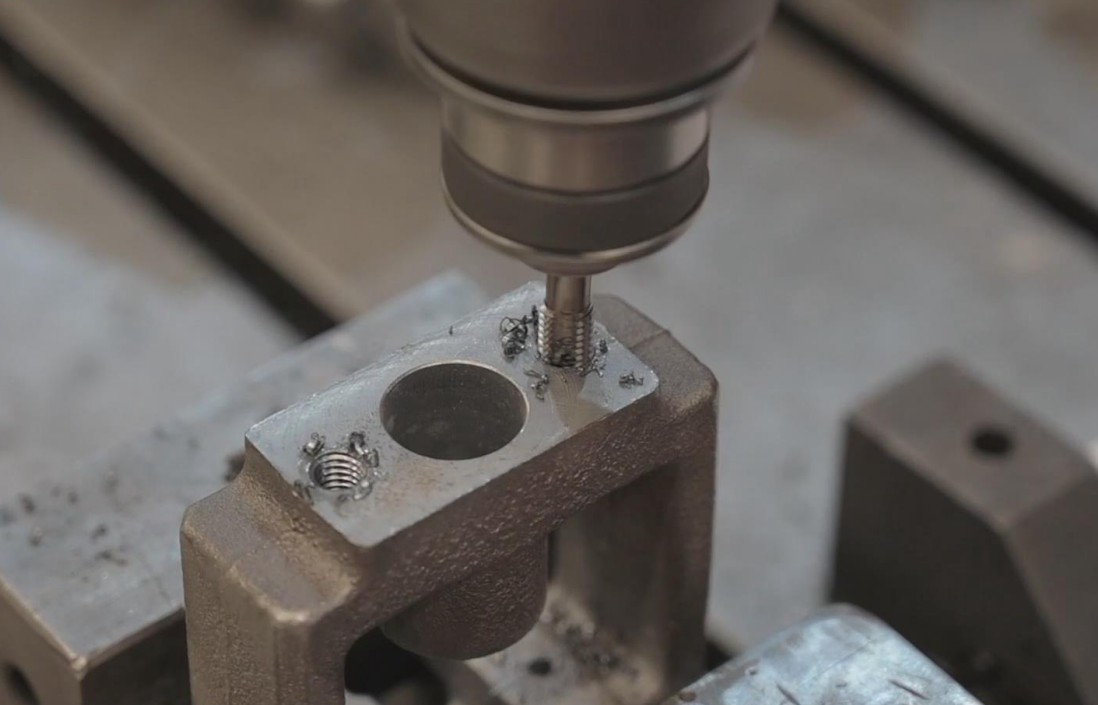
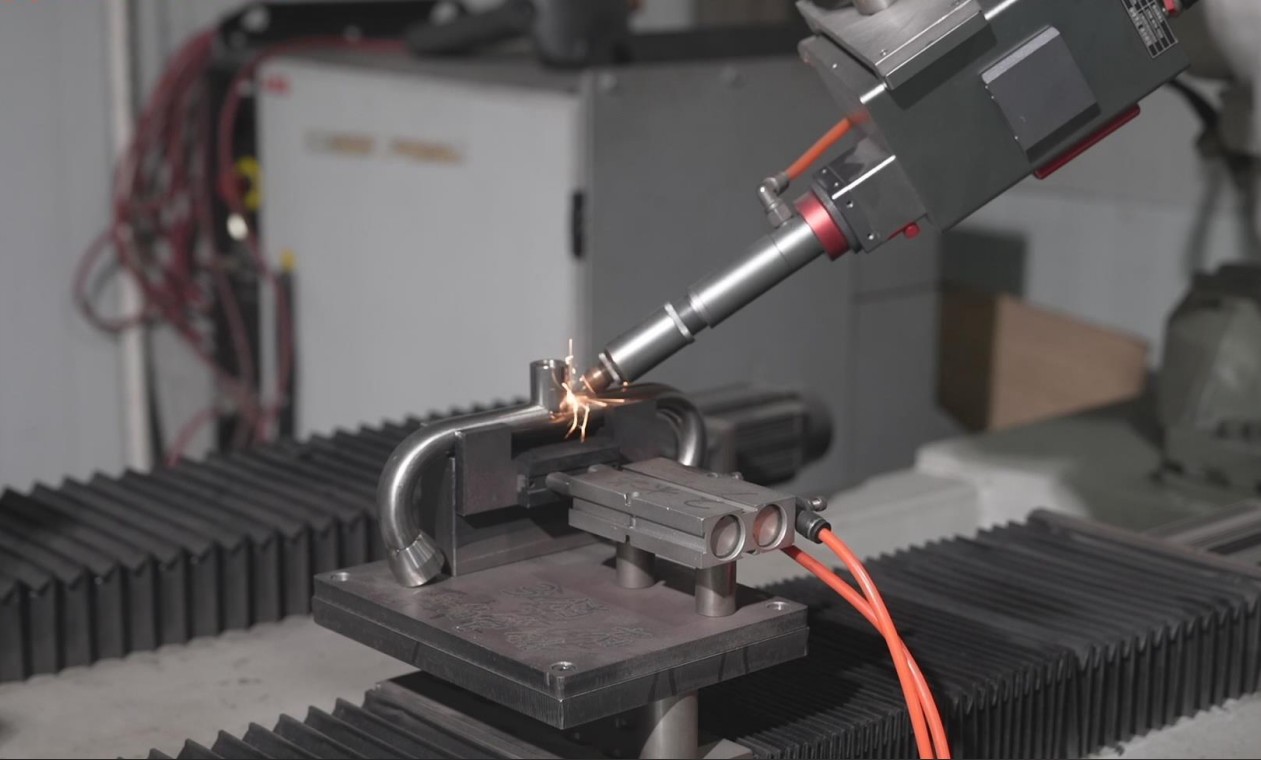
From our specialized mould-making and injection moulding workshops to our advanced CNC machining centers, we are controlling every millimeter of the process. This integration allows us to transform a design into a life-saving equipment with precision.
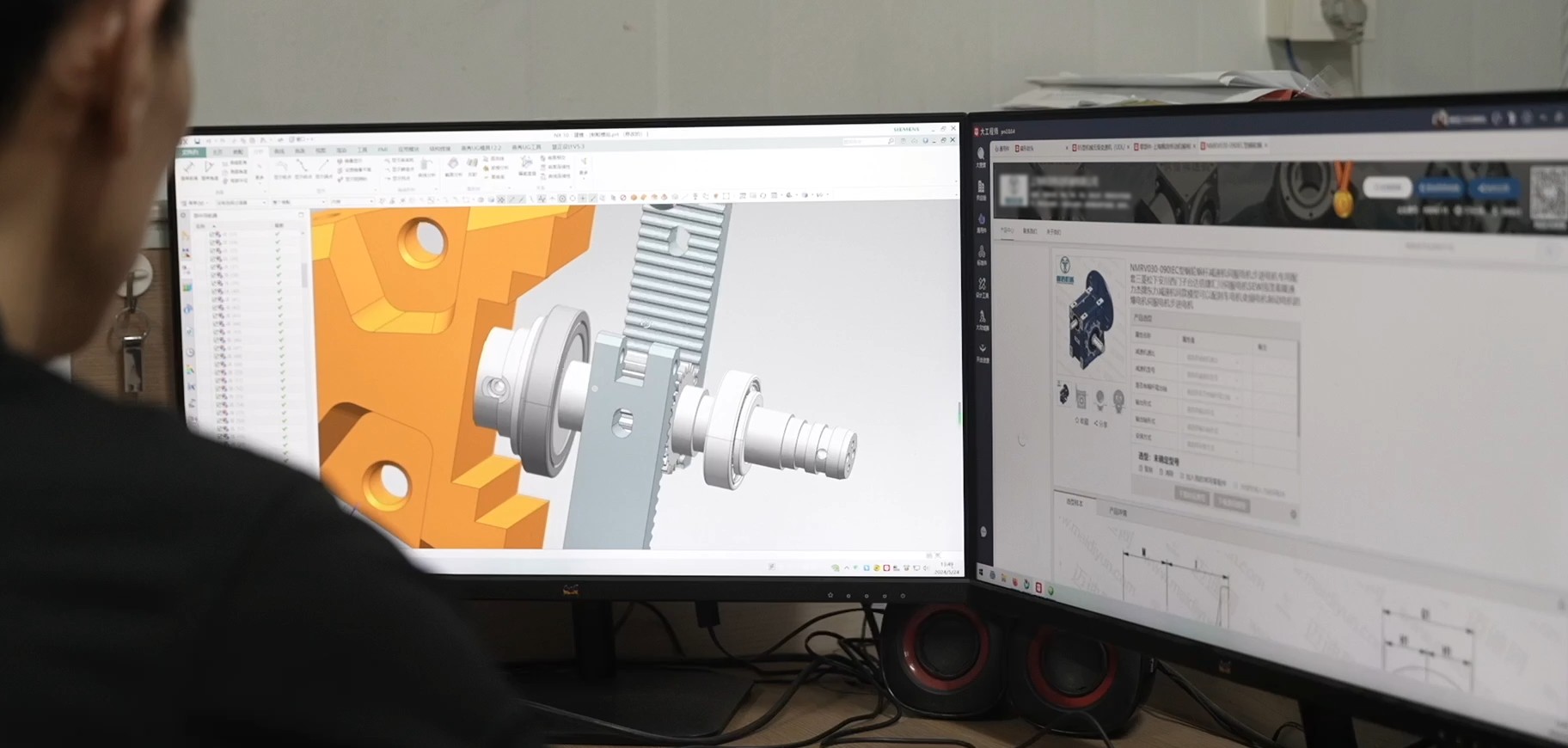
Our technical team is not just experienced; they also bridge the gap between complex safety theories and practical, site-specific applications.
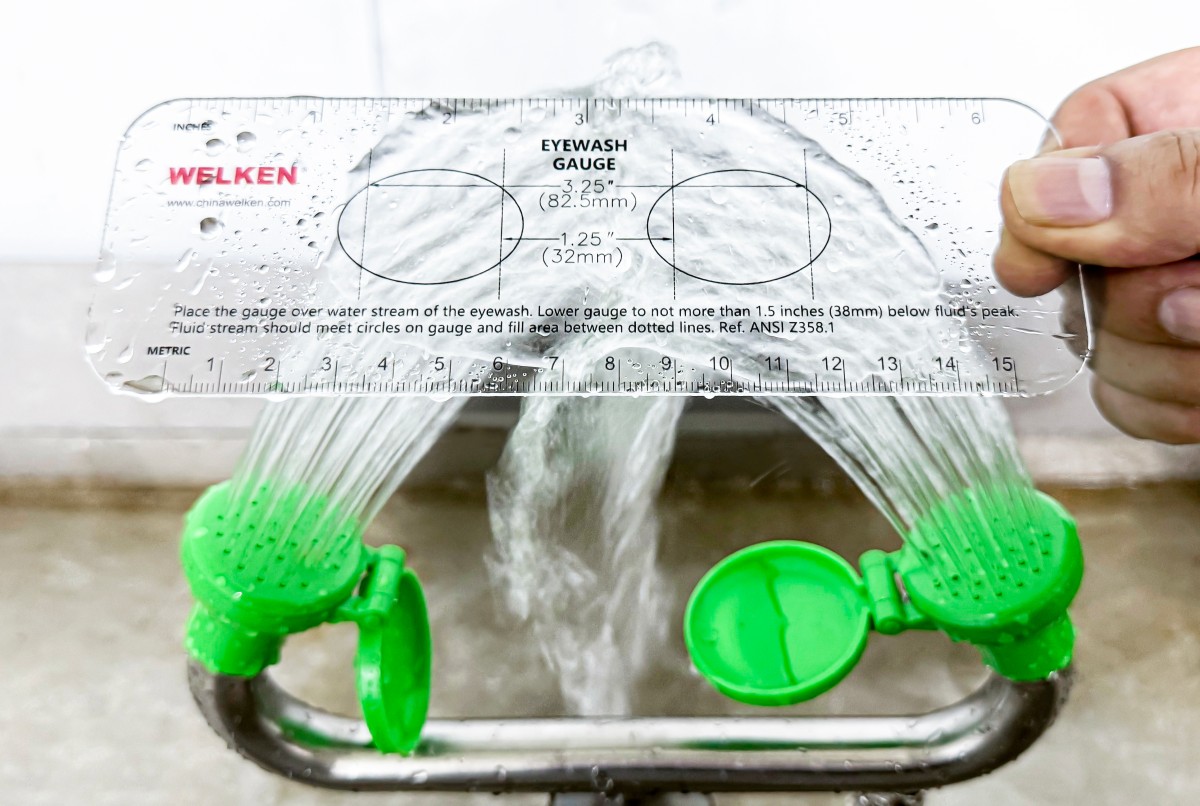
Quality is not a claim, it is a proven fact. Each shower and eye wash station is subjected to pressure, flow, and switch testing to guarantee that it surpasses the ANSI Z358.1-2014 standard before it leaves our factory.
This strict verification regimen ensures that when a worker in a German factory activates a WELKEN eyewash unit, the water pressure, flow pattern, and temperature are perfectly calibrated to flush out toxins safely without causing further injury to delicate ocular tissues.
How Germany's emphasis on digitalization, sustainability, and worker welfare is shaping the future of first aid eyewash technologies.
Germany is at the forefront of the Fourth Industrial Revolution (Industrie 4.0). Safety managers are increasingly demanding eyewash stations integrated with IoT sensors. These smart systems monitor water temperature, pressure levels, and activation status in real-time, instantly transmitting alerts to the central control room when a unit is activated or if maintenance is required.
German winters require exterior safety equipment to be robustly freeze-protected. Trace-heated, insulated, and self-draining eyewash models are essential for outdoor chemical loading docks and water treatment facilities, ensuring operational readiness at temperatures down to -30°C.
Sustainability is a core pillar of German industrial policy. Modern eyewash stations must limit water waste while maintaining the mandatory flow rate (minimum 1.5 liters per minute for eyewashes and 75.7 liters per minute for body showers). Advanced fluid dynamics engineering allows WELKEN to optimize water spray patterns, delivering maximum washing efficiency with minimal waste.
Exposure to aggressive chemical vapors in chemical parks requires the use of high-grade materials. 316 stainless steel, special epoxy coatings, and advanced ABS plastics are standard in our product designs to resist corrosion and prolong product lifespans in harsh German environments.
WELKEN first aid eyewash solutions are designed for Germany’s most critical industrial environments.
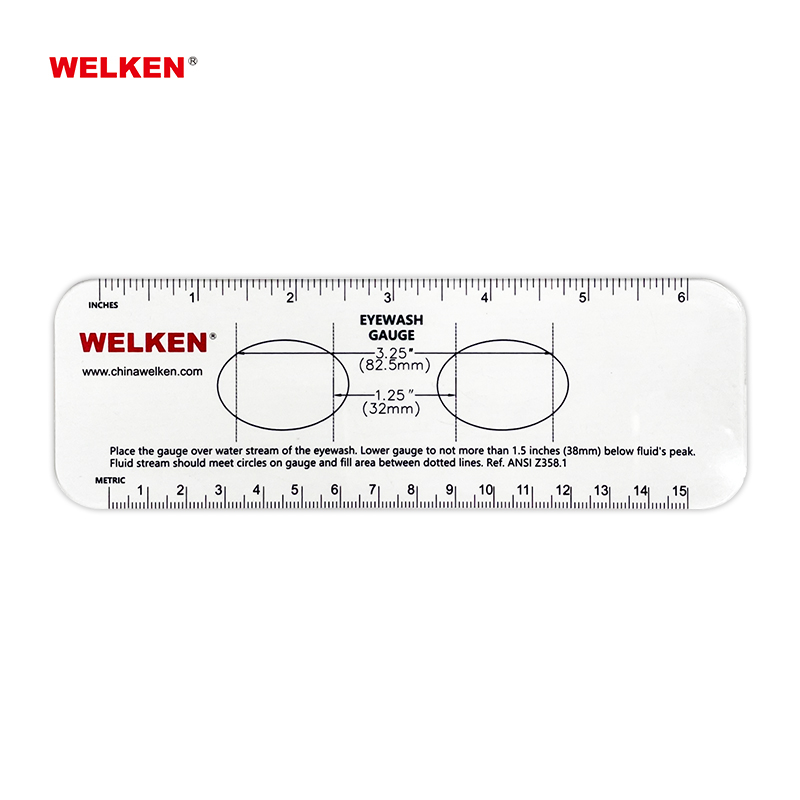
In facilities like BASF Ludwigshafen or the Cologne-Wesseling petrochemical refinery, workers deal daily with highly corrosive acids, bases, and organic solvents. Plumbed combination shower and eyewash stations, calibrated with our BD-501G testing gauge, ensure that any accidental contact is mitigated in seconds.
Germany's shift towards electromobility has led to a boom in battery cell factories (e.g., in Brandenburg, Thuringia, and Saxony). These plants handle hazardous electrolyte solutions and hydrofluoric acid precursors. Specialized eyewash systems are deployed along the assembly lines to protect technicians during battery filling and testing processes.
Academic institutions and pharmaceutical laboratories in Berlin, Munich, and Heidelberg utilize bench-mounted, pull-out eyewash units. Our compact testing kits permit rapid, mess-free weekly testing of flow rates, ensuring compliance with strict laboratory guidelines (DGUV Information 213-850).
Since 2014, WELKEN has been a fixture at the world's leading Occupational Safety exhibitions in A+A Düsseldorf. Our journey doesn't stop in Germany; we actively engage with industry leaders at major occupational health and safety exhibitions across the USA, Mexico, Singapore, Russia, Kazakhstan, Turkey and other countries. We listen to the unique challenges of different markets, allowing us to provide diverse safety solutions rather than just off-the-shelf products.
By participating in Germany's biannual A+A trade fair, we remain closely aligned with European safety advancements, ensuring our product line constantly evolves to meet the next generation of industrial safety challenges.
Browse our comprehensive selection of emergency safety systems and calibration kits serving German industrial operators.
Key information for safety managers, procurement officers, and engineering leads in German industrial facilities.
According to DGUV Information 213-850 and standard operating procedures in German laboratories, emergency eyewash stations must be activated and tested at least once a week. This ensures that the water remains fresh, microbes are flushed out, and the mechanism is fully functional in an emergency. Our BD-501G testing gauge and BD-501K testing kit are specifically designed to facilitate these regular safety audits quickly and accurately.
The water supplied to emergency eyewashes and safety showers must be lukewarm (tepid) to prevent thermic shock or chemical reaction acceleration. DIN EN 15154 recommends a water temperature range between 15°C and 37°C. Temperatures below 15°C can cause hypothermia or prevent a worker from using the station for the full, mandatory 15-minute flushing period.
Yes. WELKEN safety equipment is designed and tested to meet the performance criteria of both the American ANSI Z358.1-2014 and European EN 15154 standards. This dual compliance makes our products highly versatile, especially for multinational companies operating manufacturing hubs in Germany that must satisfy both local European laws and corporate global safety mandates.
If the flow rate is too low, the eyewash will not successfully wash away hazardous chemicals. If it is too high, the pressure can cause physical damage to the cornea and delicate eye tissues. Our BD-501G Eyewash Testing Gauge allows safety officers to verify that the water flow adheres to the recommended parameters, protecting workers from secondary injuries during emergency flushing.