



Leave Your Message
Engineered for rapid deployment in critical logistics and storage environments, our primary first aid eyewash stations provide immediate relief against hazardous material exposure.
Space-saving design ideal for tight warehouse aisles and battery charging zones.
Freestanding unit perfect for open loading docks and chemical mixing areas.
Gravity-fed 16-gallon station for dynamic logistic centers lacking plumbing.
Heat-traced technology designed for cold storage and outdoor receiving bays.
The modern industrial warehouse is no longer merely a static storage facility; it is a dynamic, high-throughput logistical hub. With the exponential growth of global supply chains and e-commerce, warehouses are increasingly tasked with handling a vast spectrum of hazardous materials. From highly corrosive cleaning agents and industrial solvents to the sulfuric acid utilized in massive forklift battery charging stations, the risk of chemical exposure is an ever-present commercial reality.
In these high-stakes environments, a chemical splash to the eyes or face can cause irreversible ocular damage within seconds. The implementation of a reliable First Aid Eyewash For Industrial Warehouse Hazardous Materials Splash Protection system is not just a regulatory mandate by OSHA and ANSI; it is a critical investment in human capital. Workplace injuries resulting from chemical burns lead to devastating personal consequences, exorbitant medical costs, severe OSHA fines, and crippling operational downtime. Proactive safety infrastructure is the bedrock of sustainable industrial operations.
The first 10 to 15 seconds after exposure to a hazardous substance, especially corrosive chemicals, are absolutely critical. Delaying treatment, even for a few seconds, may cause serious injury. This underscores the necessity of strategically placing high-performance eyewash stations throughout the warehouse facility, ensuring that every worker is within a 10-second unobstructed walk from immediate relief.
At WELKEN, we believe all workers have the right to return home safely. Our journey began in 1998, rooted in a simple, yet profound mission: to manufacture safety equipment that never fails when it matters most.
Over two decades, we grow from a normal factory into a National High-Tech Enterprise. In 2007, we took our first steps into the global market, bringing Chinese manufacturing precision to the world. Today, WELKEN is more than just a brand—it is a trusted shield for personnel in over 70 countries, protecting lives from the oil fields of the Middle East to the rugged mines of South America.
Understanding the specific operational flow of a warehouse is paramount when designing a safety infrastructure. A generic approach to First Aid Eyewash For Industrial Warehouse Hazardous Materials Splash Protection often falls short of actual compliance and practical usability during a crisis.
Electric forklifts are the lifeblood of modern warehouses, but their lead-acid batteries present significant hazards. During watering, charging, or equalization, hydrogen gas is emitted, and sulfuric acid can easily splash. Because acid causes immediate protein coagulation in the eyes, an eyewash station must be located immediately adjacent to the charging racks. Plumbed systems with high-visibility ABS plastic bowls are preferred here due to their resistance to acid corrosion.
Food and pharmaceutical distribution centers operate massive cold storage warehouses where temperatures routinely drop below freezing. Standard plumbing will freeze, rendering safety equipment useless and causing pipe bursts. In these scenarios, heat-traced, freeze-proof eyewash stations or specialized gravity-fed portable units with heated jackets are mandatory. They ensure that the flushing fluid remains tepid (between 60°F and 100°F) as required by ANSI, preventing hypothermia during the 15-minute flush.
Warehouses storing paints, solvents, pesticides, or corrosive chemicals must maintain dedicated HAZMAT zones. In the event of a forklift puncturing an IBC tote or a pallet collapsing, workers face massive chemical exposure. These zones require combination drench shower and eyewash stations. The high flow rate (20 GPM for showers, 3.0 GPM for eye/face washes) is necessary to dilute and remove heavy chemical saturation from the entire body and face simultaneously.
In highly automated warehouses utilizing robotics, human intervention is usually limited to maintenance or spill response. When a spill occurs in these dense storage grids, technicians must navigate narrow aisles. Compact, swing-down or wall-mounted eyewash units are ideal here, ensuring they do not obstruct robotic pathways while remaining instantly accessible to human workers responding to chemical leaks.
We don’t just manufacture products, we create peace of mind. Our vast expertise lies in a comprehensive unified system where creative design meets industrial compliance.
By leveraging cutting-edge materials and ergonomic engineering, our First Aid Eyewash solutions stand as the ultimate barrier between industrial hazards and severe injury. Every valve, every nozzle, and every basin is meticulously crafted to ensure instant activation and optimal water flow, reflecting our unwavering commitment to occupational health.
The landscape of industrial safety is rapidly evolving. The integration of the Internet of Things (IoT) and Artificial Intelligence (AI) is transforming passive safety equipment into proactive, intelligent life-saving networks.
Historically, if a worker activated an eyewash station in a remote corner of a massive distribution center, safety managers might not know until minutes later. Today, smart eyewash stations are equipped with flow switches connected to the Warehouse Management System (WMS). The moment the lever is pushed, an instant alert—complete with exact location coordinates—is sent to emergency response teams' mobile devices, ensuring immediate medical backup arrives while the worker is flushing.
One of the most common OSHA violations in warehouses is obstructing the path to an eyewash station with pallets or boxes. New AI-driven camera systems continuously monitor the mandated 55-foot clearance zone around the First Aid Eyewash For Industrial Warehouse Hazardous Materials Splash Protection units. If a forklift drops a pallet in the pathway, the AI immediately flags the obstruction on the manager's dashboard, preventing a compliance violation and ensuring the path is clear for emergencies.
Flushing eyes with freezing cold water for 15 minutes is agonizing and often leads workers to prematurely stop treatment, resulting in severe chemical burns. The industry is trending heavily toward advanced thermostatic mixing valves (TMVs) and point-of-use instantaneous water heaters. These systems guarantee a perfectly regulated tepid water flow (approx. 80°F/26°C), encouraging the victim to complete the medically required 15-minute flush cycle.
As warehouses handle more aggressive chemicals, traditional galvanized steel stations are prone to rapid degradation. The future lies in high-performance polymers, 316L marine-grade stainless steel, and proprietary nano-coatings that repel corrosive vapors. These materials not only extend the lifespan of the equipment but also ensure that the station's internal waterways remain free of rust and bacterial buildup.
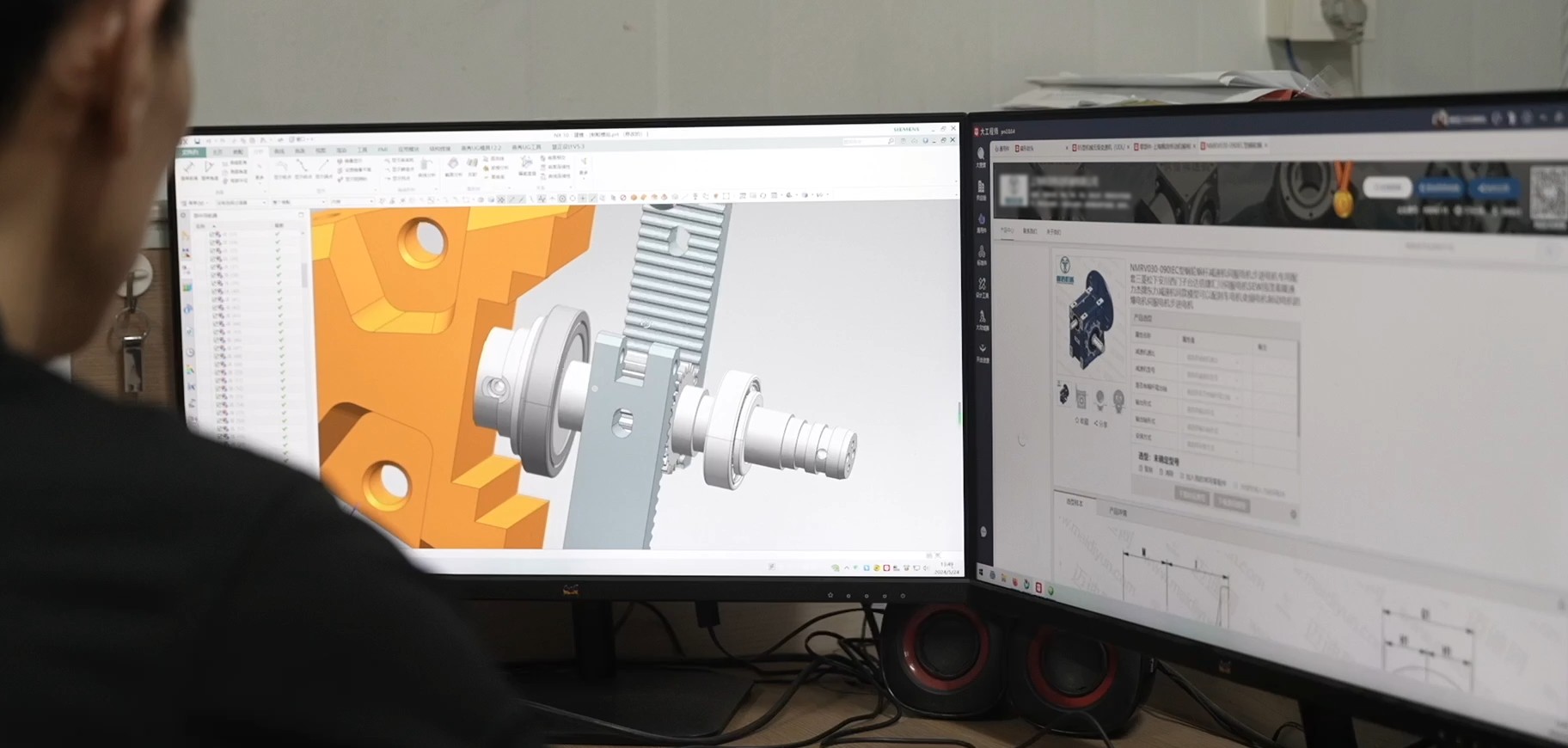
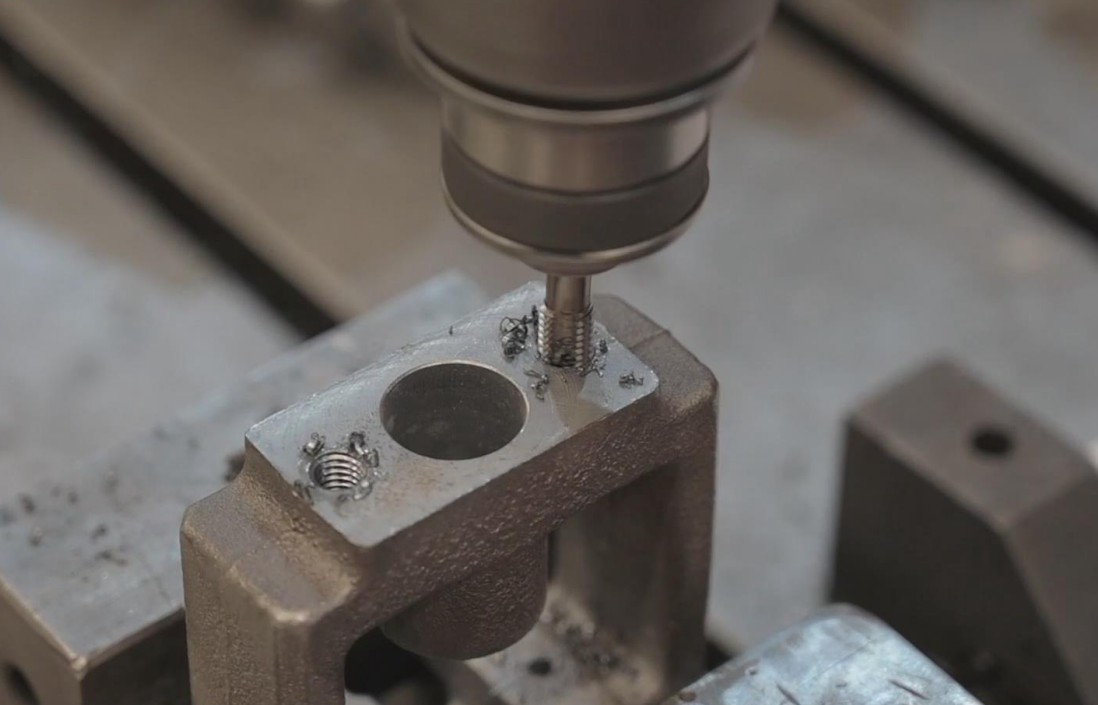
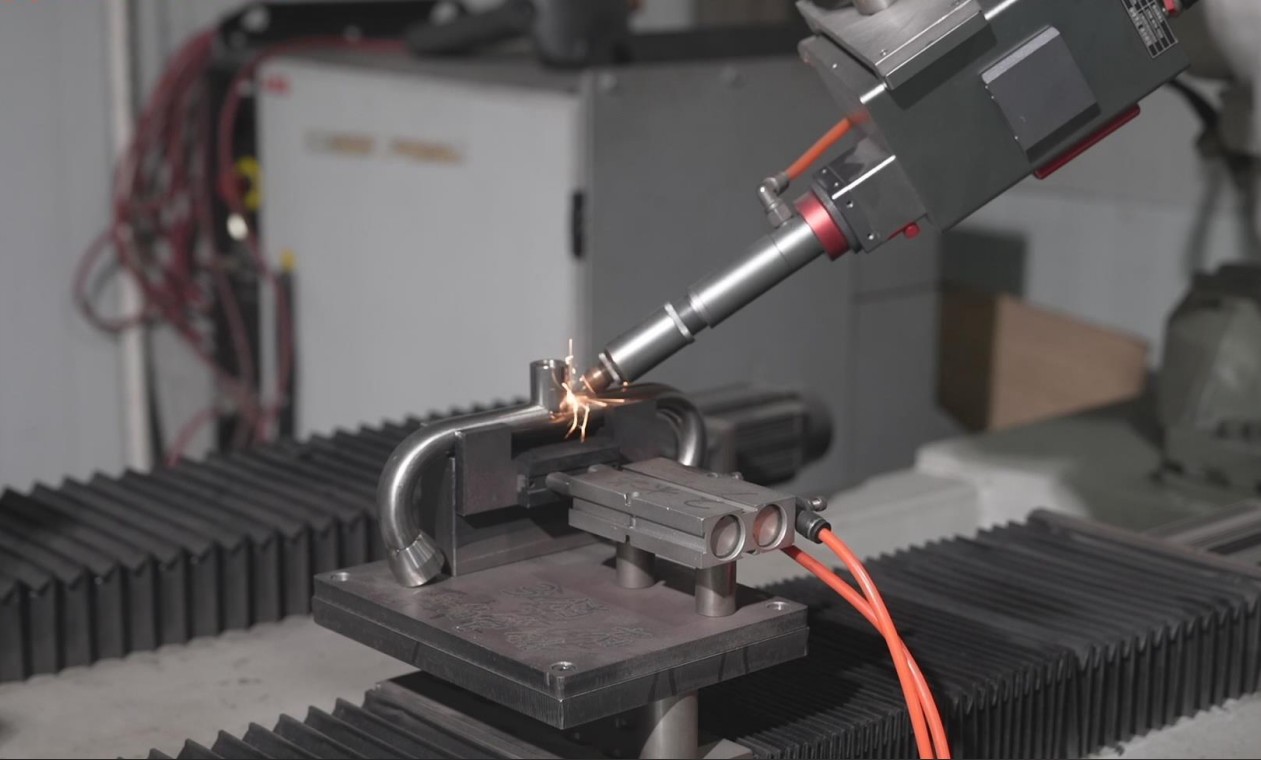
From our specialized mould-making and injection moulding workshops to our advanced CNC machining centers, we are controlling every millimeter of the process. This integration allows us to transform a design into a life-saving equipment with precision.
Our technical team is not just experienced; they also bridge the gap between complex safety theories and practical, site-specific applications.
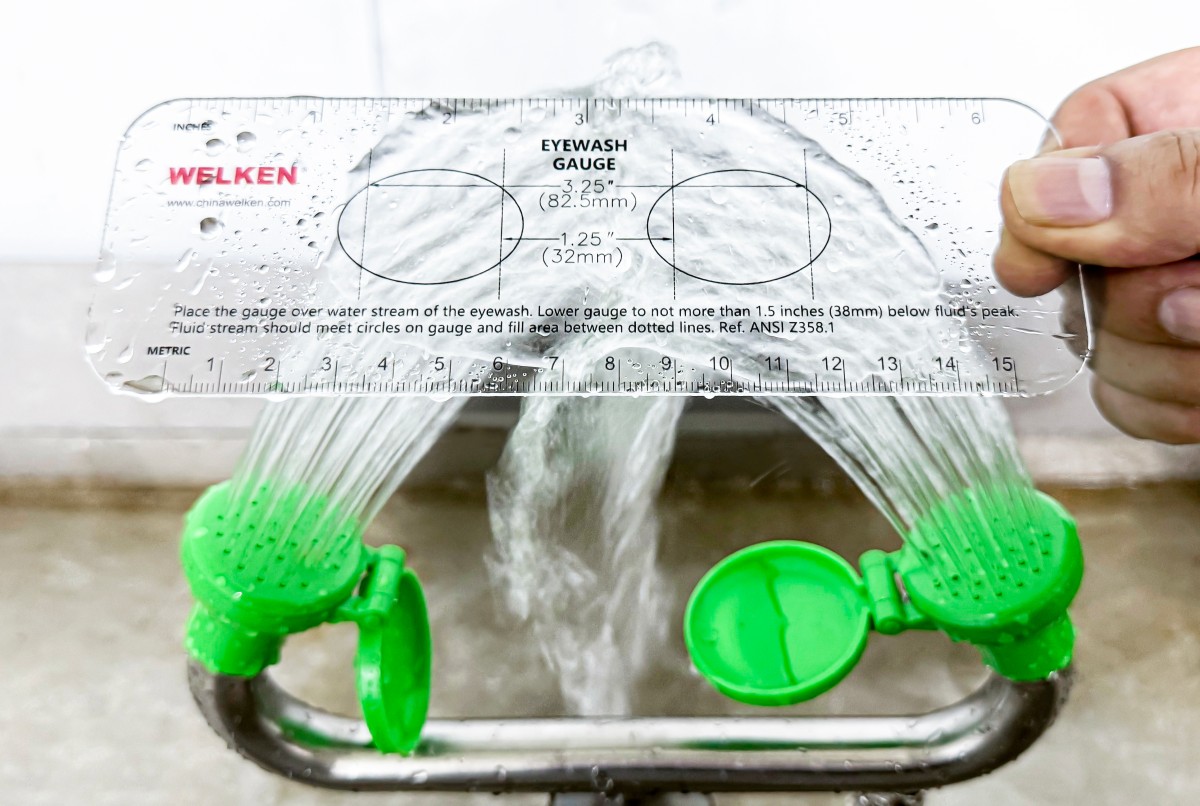
Quality is not a claim, it is a proven fact. Each shower and eye wash station is subjected to pressure, flow, and switch testing to guarantee that it surpasses the ANSI Z358.1-2014 standard before it leaves our factory.
Installing a First Aid Eyewash For Industrial Warehouse Hazardous Materials Splash Protection is only the first step. Ensuring that the installation complies with the American National Standards Institute (ANSI) Z358.1 standard is what truly protects workers and shields the company from liability. Warehouse managers must adhere to strict guidelines regarding placement, flow rates, and maintenance.
According to ANSI Z358.1, eyewash stations must be accessible within 10 seconds of a hazard. In a typical warehouse setting, this equates to approximately 55 feet (16.8 meters) of travel distance. However, for highly corrosive chemicals like battery acid, the station must be located immediately adjacent to the hazard. The path of travel must be on the same level, free of obstructions, and any doors must open in the direction of travel.
A compliant eyewash station must deliver a minimum of 0.4 gallons per minute (GPM) for a full 15 minutes. Eye/face washes must deliver 3.0 GPM, and drench showers require 20 GPM. The flushing fluid must be tepid (60°F - 100°F). The velocity of the water must be controlled to ensure it is soft enough not to cause further mechanical injury to the delicate tissues of the eye.
A neglected eyewash station can become a hazard itself, harboring dangerous bacteria like Legionella or Acanthamoeba in stagnant water lines.
Since 2014, WELKEN has been a fixture at the world's leading Occupational Safety exhibitions in A+A Düsseldorf. Our journey doesn't stop in Germany; we actively engage with industry leaders at major occupational health and safety exhibitions across the USA, Mexico, Singapore, Russia, Kazakhstan, Turkey and other countries. We listen to the unique challenges of different markets, allowing us to provide diverse safety solutions rather than just off-the-shelf products.
Explore our full range of industrial safety equipment, engineered to provide unparalleled protection against hazardous materials in heavy-duty logistics and manufacturing environments.
High-visibility, corrosion-resistant ABS plastic bowl for chemical zones.
304 stainless steel construction for maximum durability in tough environments.
Compact gravity-fed station for mobile warehouse maintenance crews.
Full-body and eye protection for major HAZMAT segregation areas.
Prevents freezing in cold storage facilities down to -40°F.
Swing-down activation for warehouse quality control lab sinks.
Insulated jacketed portable station for outdoor loading docks.
Retrofit sensor kit that alerts WMS immediately upon station activation.