



Leave Your Message
Precision-engineered for immediate response to active pharmaceutical ingredient (API) and harsh solvent splashes in controlled environments.
In the highly regulated landscape of pharmaceutical manufacturing, cleanrooms are the beating heart of production. These environments, classified by stringent ISO and GMP (Good Manufacturing Practice) standards, require meticulous control over airborne particulates, temperature, humidity, and microbial contamination. However, the paradox of these ultra-clean environments is the inherent danger of the materials handled within them. Pharmaceutical technicians routinely work with aggressive chemical agents, concentrated acids, volatile organic solvents (such as isopropyl alcohol and methanol), and highly potent Active Pharmaceutical Ingredients (APIs).
When a chemical splash occurs, the immediate use of an eye wash bottle or station is not just a regulatory requirement; it is the critical barrier between a minor incident and permanent ocular damage. The commercial and industrial status of eye wash bottle use in these environments has evolved significantly. Historically, standard industrial eye wash stations were installed in cleanrooms, but these often posed contamination risks due to stagnant water or non-sterile components. Today, the industry demands specialized solutions: sterile, saline-filled eye wash bottles for immediate localized response, coupled with high-grade stainless steel (304 or 316L) plumbed stations that resist corrosion from harsh cleaning agents like Vaporized Hydrogen Peroxide (VHP) and sporicides.
The global market for occupational safety equipment in the pharmaceutical sector is experiencing exponential growth. Regulatory bodies such as OSHA and the ANSI Z358.1 standard mandate that emergency eye wash facilities must be accessible within 10 seconds of a hazard. In a cleanroom, navigating through airlocks or gowning rooms to reach a decontamination station is not a viable option. Therefore, strategically placing portable, sterile eye wash bottles at individual workstations, backed up by compliant, cleanroom-compatible showers, represents the current gold standard in pharmaceutical occupational safety.
During the synthesis or milling of Active Pharmaceutical Ingredients, workers are exposed to fine, highly reactive powders. A splash or airborne dispersion of API into the eyes can cause severe chemical burns or systemic toxicity. In these scenarios, immediate flushing with an eye wash bottle is crucial to dilute the concentration of the chemical before the worker transitions to a full-capacity plumbed eye wash station for the mandated 15-minute flush.
In R&D laboratories, researchers frequently handle a diverse array of reagents, including biological buffers, concentrated bases (like sodium hydroxide), and acids. Accidental spills during pipetting or transferring liquids can lead to direct ocular exposure. Portable, sterile eye wash bottles provide an instantaneous, first-line defense, allowing researchers to neutralize the threat without breaking the sterile perimeter of the laboratory suite.
The very act of keeping a cleanroom clean is hazardous. Janitorial and maintenance staff use potent disinfectants, sporicidal agents, and VHP to sanitize surfaces. These chemicals are highly irritating to mucous membranes. If a splash occurs during the spray-down process, immediate decontamination is required. Eye wash bottles mounted on cleaning carts or strategically placed on walls ensure that personnel have instant access to relief.
The future of pharmaceutical cleanroom decontamination is rapidly advancing toward intelligent, interconnected systems. One of the most significant development trends is the integration of the Internet of Things (IoT) and AI technology into emergency safety equipment. Modern eye wash stations are being equipped with smart sensors that instantly alert safety managers and medical personnel the moment a station is activated. This AI-driven monitoring ensures that emergency medical response is dispatched in real-time, drastically reducing the response time following a chemical splash.
Furthermore, ergonomic design is taking center stage. In a high-stress emergency, a worker suffering from a chemical burn may struggle with fine motor skills. Next-generation eye wash bottles feature intuitive, one-handed operation mechanisms, allowing the user to twist and flush in a single fluid motion. The fluid dynamics of the eye wash streams are also being optimized to provide a soft, aerated flow that thoroughly cleanses the ocular cavity without driving the chemical deeper into the eye tissue.
In the context of sterile manufacturing, the shift towards single-use, pre-filled sterile eye wash bottles is eliminating the risk of secondary microbial contamination—a critical compliance factor for FDA and EMA audits. These technological leaps ensure that safety equipment is not merely a passive compliance tool, but a proactive, intelligent component of the pharmaceutical manufacturing ecosystem.
At WELKEN, we believe all workers have the right to return home safely. Our journey began in 1998, rooted in a simple, yet profound mission: to manufacture safety equipment that never fails when it matters most. Over two decades, we grow from a normal factory into a National High-Tech Enterprise. In 2007, we took our first steps into the global market, bringing Chinese manufacturing precision to the world. Today, WELKEN is more than just a brand—it is a trusted shield for personnel in over 70 countries, protecting lives from the oil fields of the Middle East to the highly controlled pharmaceutical cleanrooms worldwide.
Since 2014, WELKEN has been a fixture at the world's leading Occupational Safety exhibitions in A+A Düsseldorf. Our journey doesn't stop in Germany; we actively engage with industry leaders at major occupational health and safety exhibitions across the USA, Mexico, Singapore, Russia, Kazakhstan, Turkey and other countries. We listen to the unique challenges of different markets, allowing us to provide diverse safety solutions rather than just off-the-shelf products.
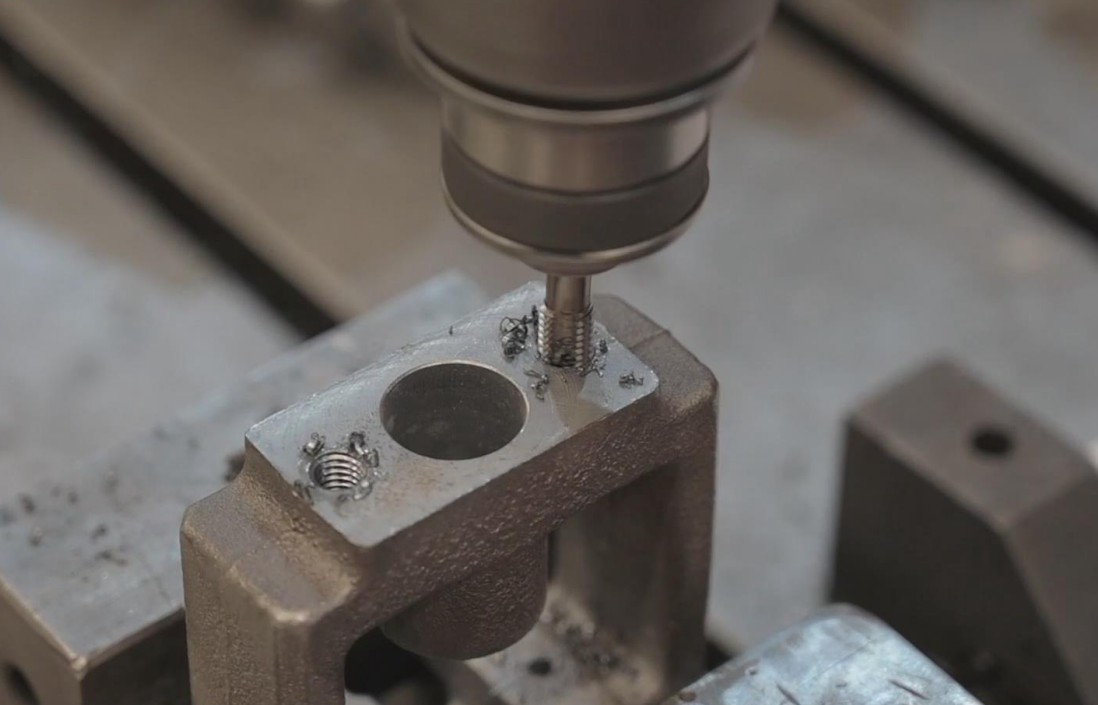
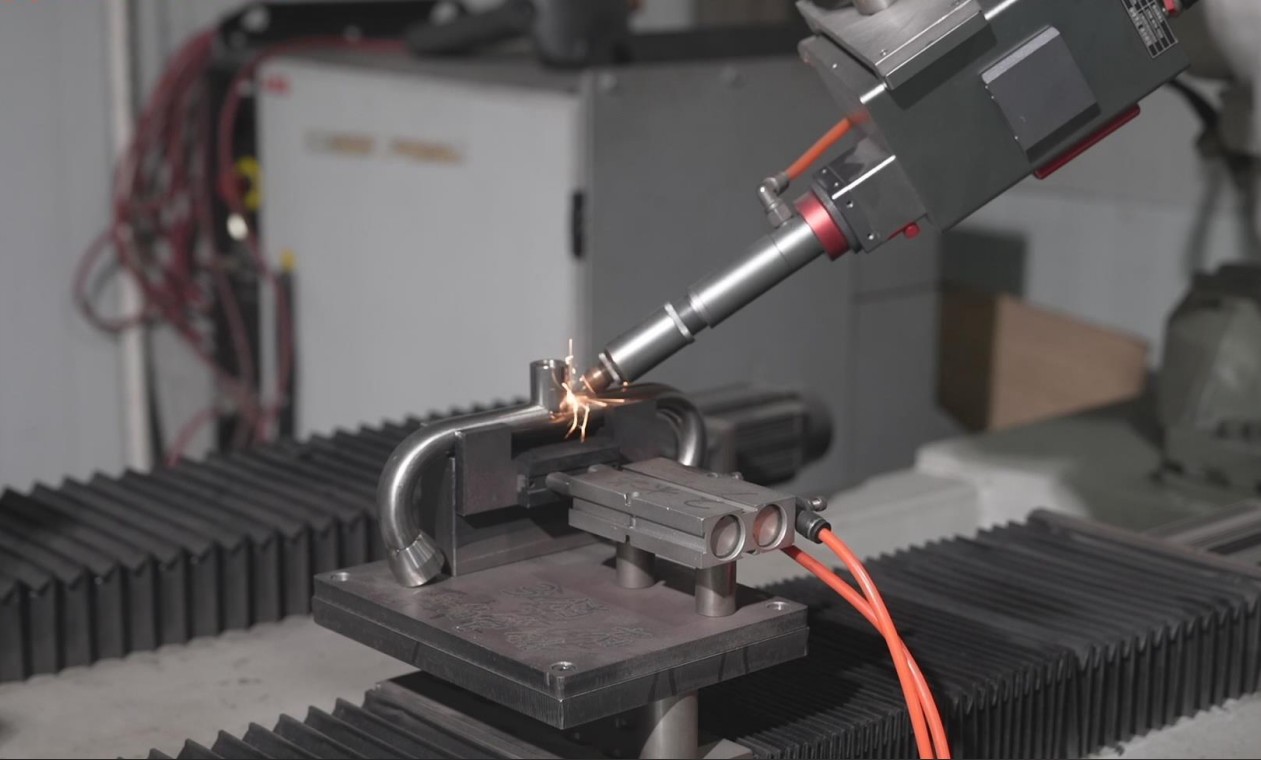
We don’t just manufacture products, we create peace of mind. Our vast expertise lies in a comprehensive unified system where creative design meets industrial compliance.
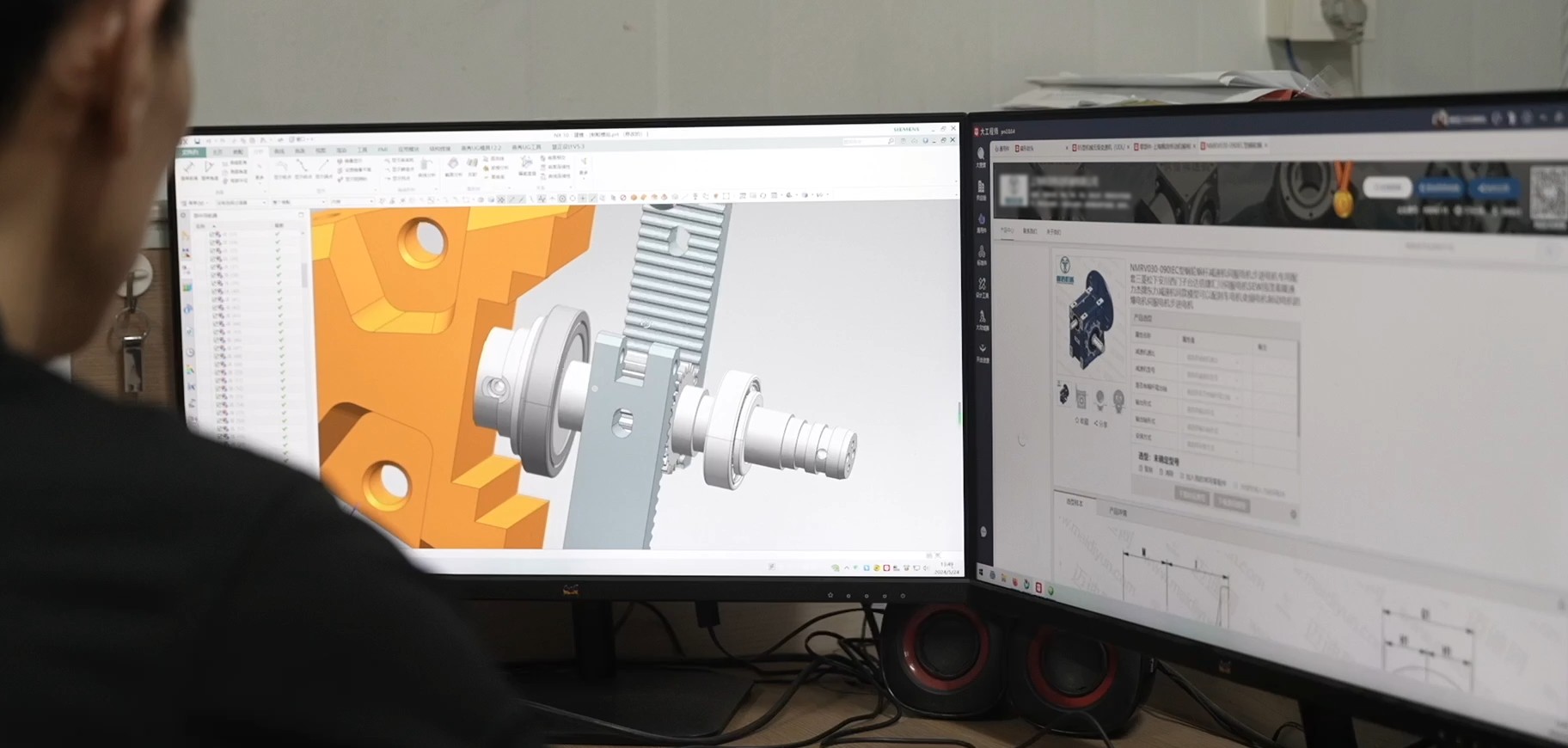
From our specialized mould-making and injection moulding workshops to our advanced CNC machining centers, we are controlling every millimeter of the process. This integration allows us to transform a design into a life-saving equipment with precision. Our technical team is not just experienced; they also bridge the gap between complex safety theories and practical, site-specific applications.
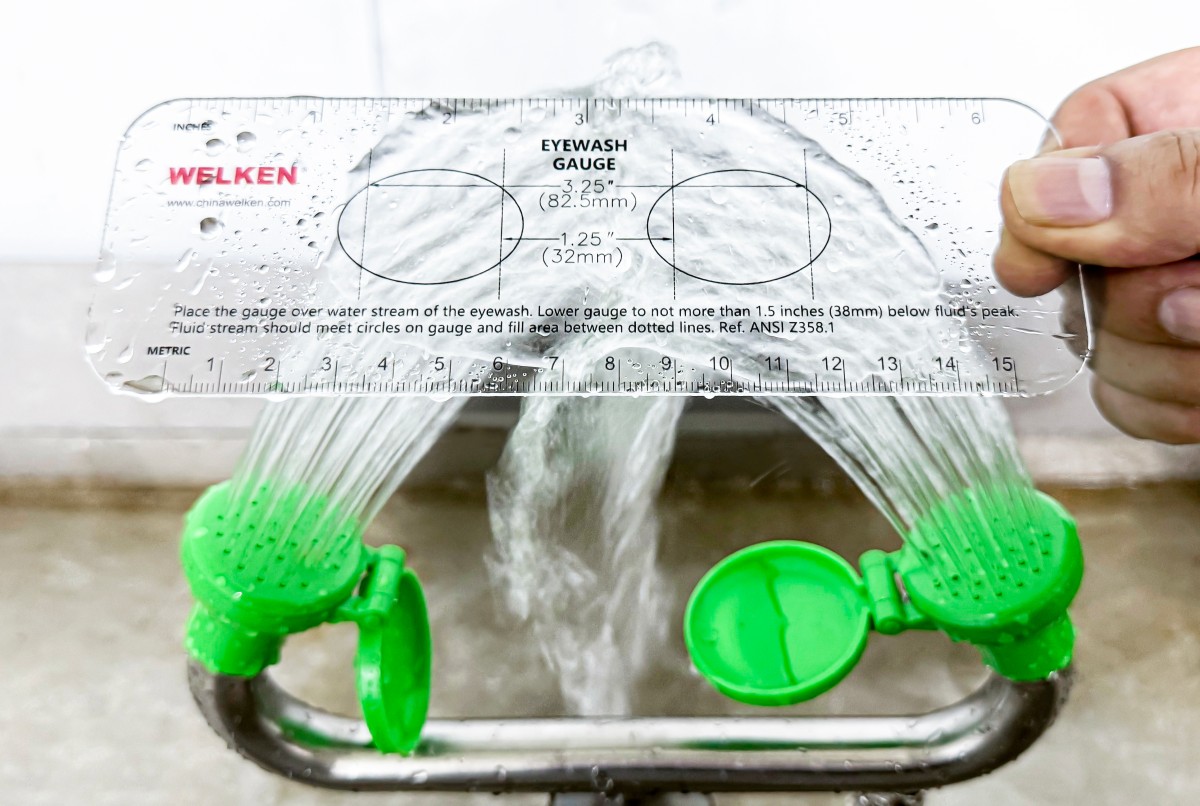
Quality is not a claim, it is a proven fact. Each shower and eye wash station is subjected to pressure, flow, and switch testing to guarantee that it surpasses the ANSI Z358.1-2014 standard before it leaves our factory. This rigorous testing ensures absolute reliability during critical chemical splash emergencies in pharmaceutical cleanrooms.
Explore our full range of ANSI-compliant emergency showers and eye wash stations designed for the pharmaceutical industry.
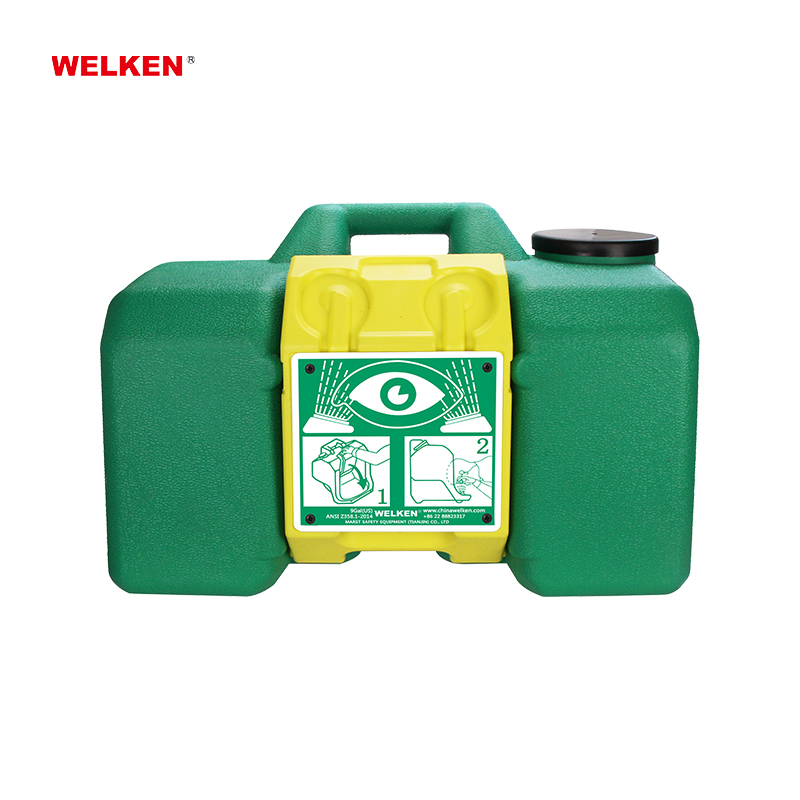 Cleanroom Grade BD-600A (35L) Wall Mounted Portable Eye Wash for Pharma
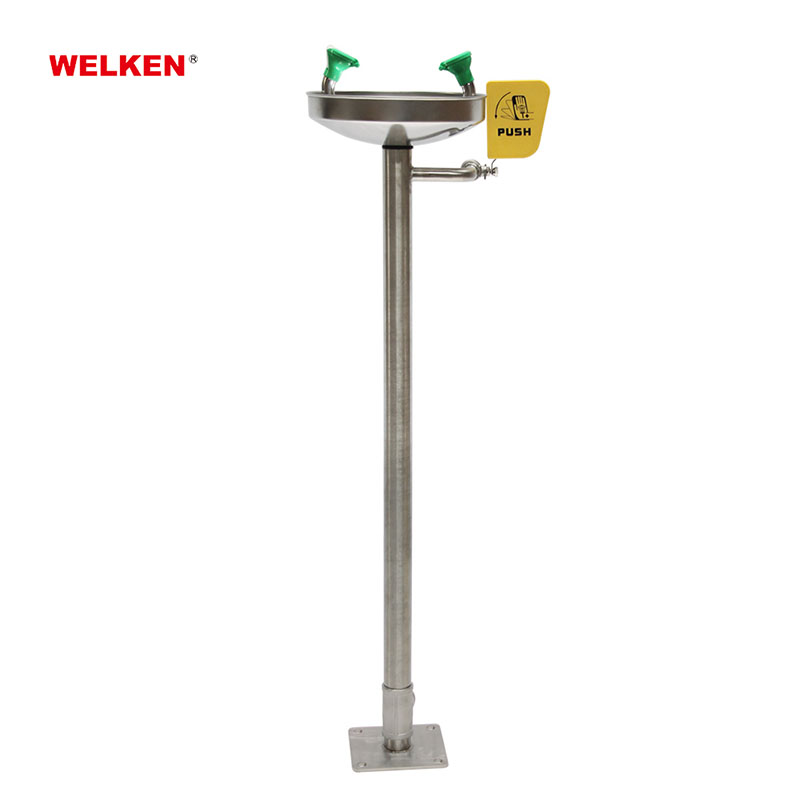 Sterile BD-540C Stainless Steel Pedestal Eye Wash for Chemical Splash
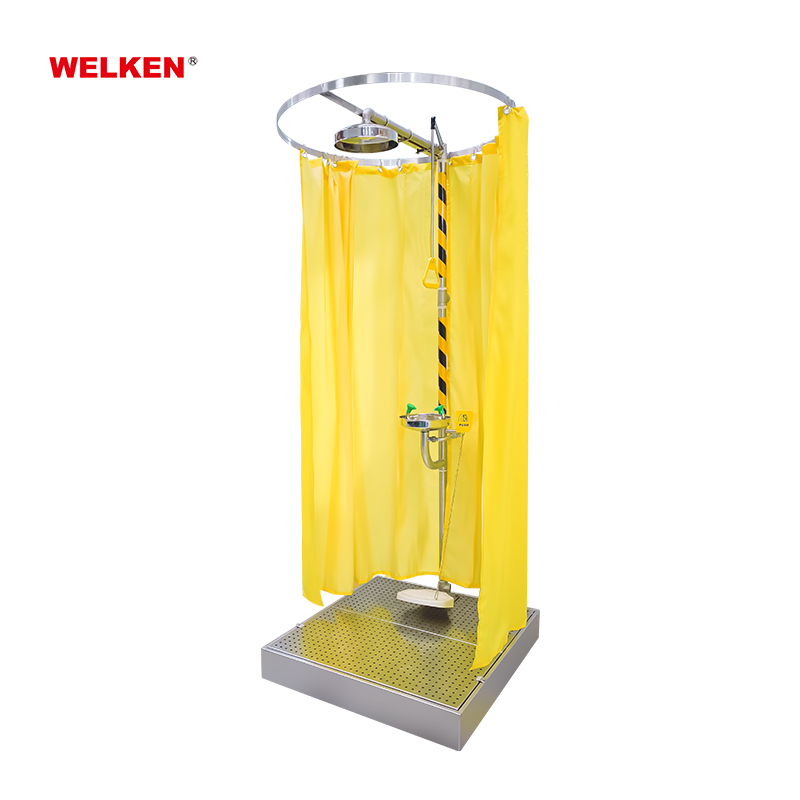 GMP Compliant BD-550E01 Stainless Wall Mounted Eye Wash & Shower
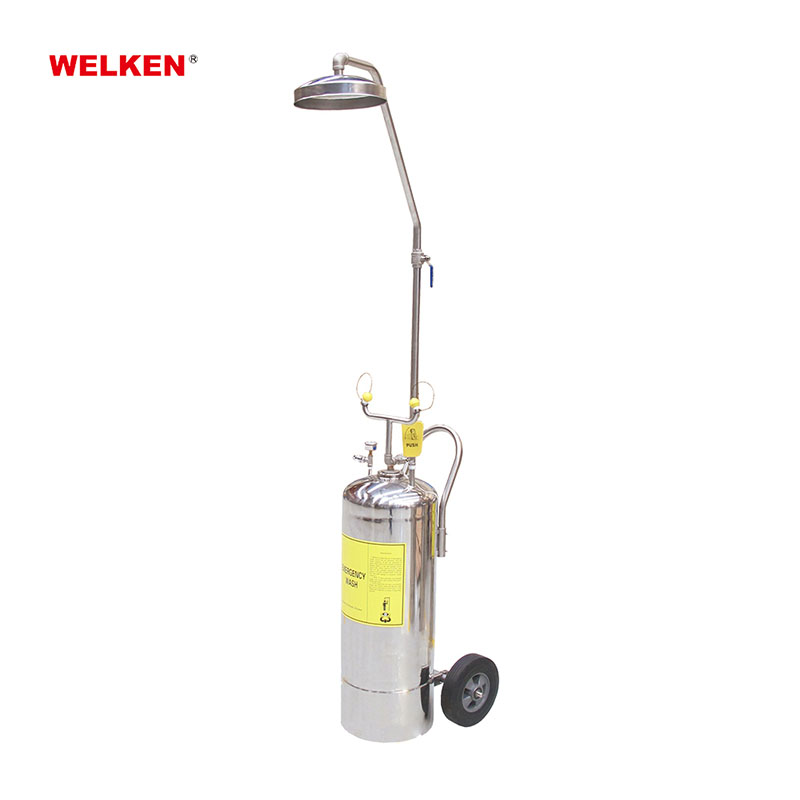 Bio-Lab BD-570A Mobile Portable Shower & Eye Wash Unit
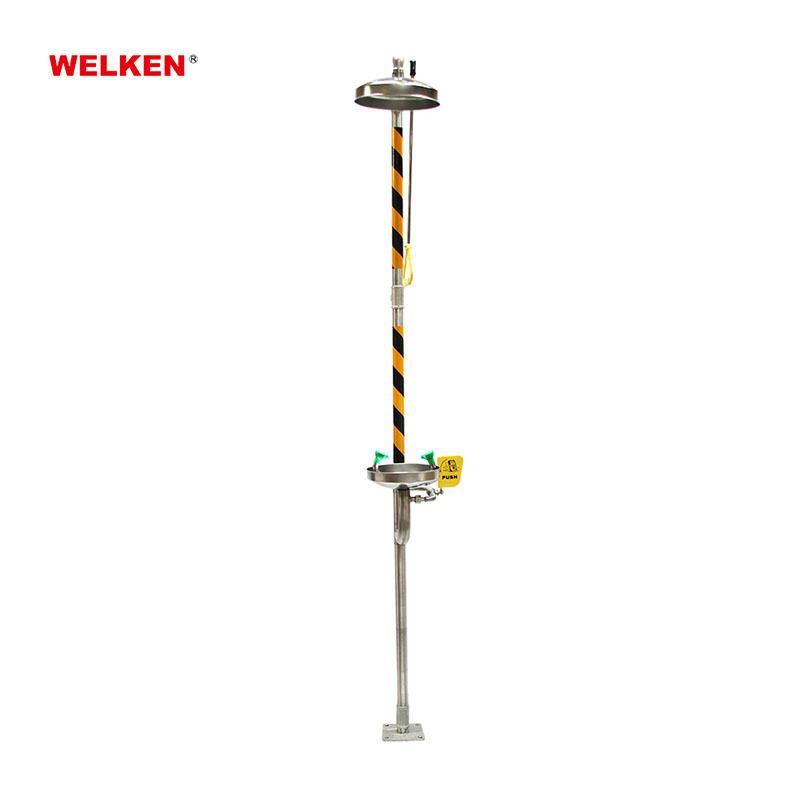 High-Performance BD-560 Decontamination Shower & Eye Wash for API Labs
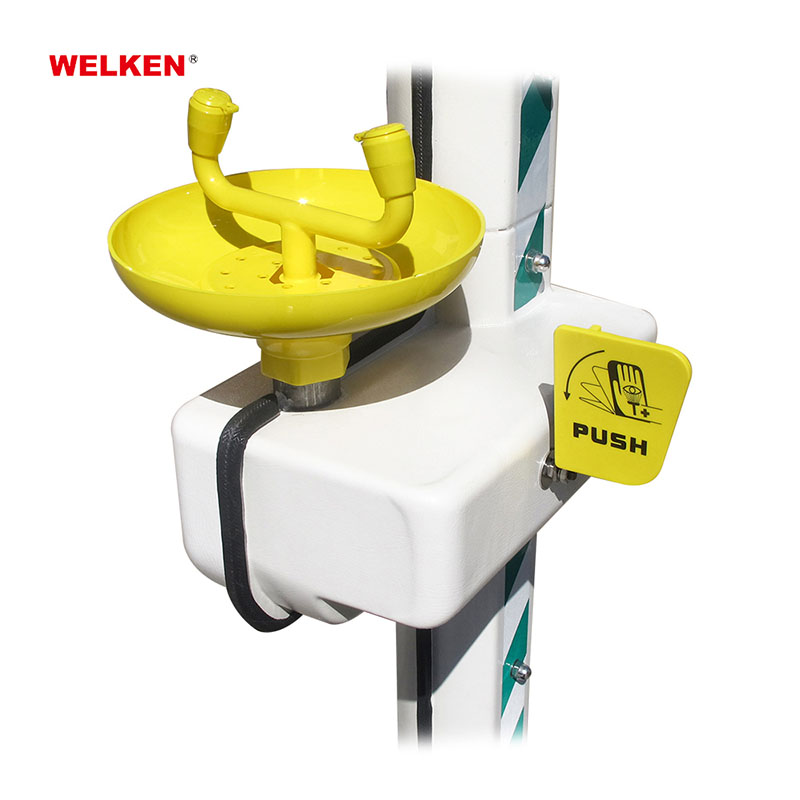 Temperature-Controlled BD-580C Shower & Eye Wash for Pharma Facilities
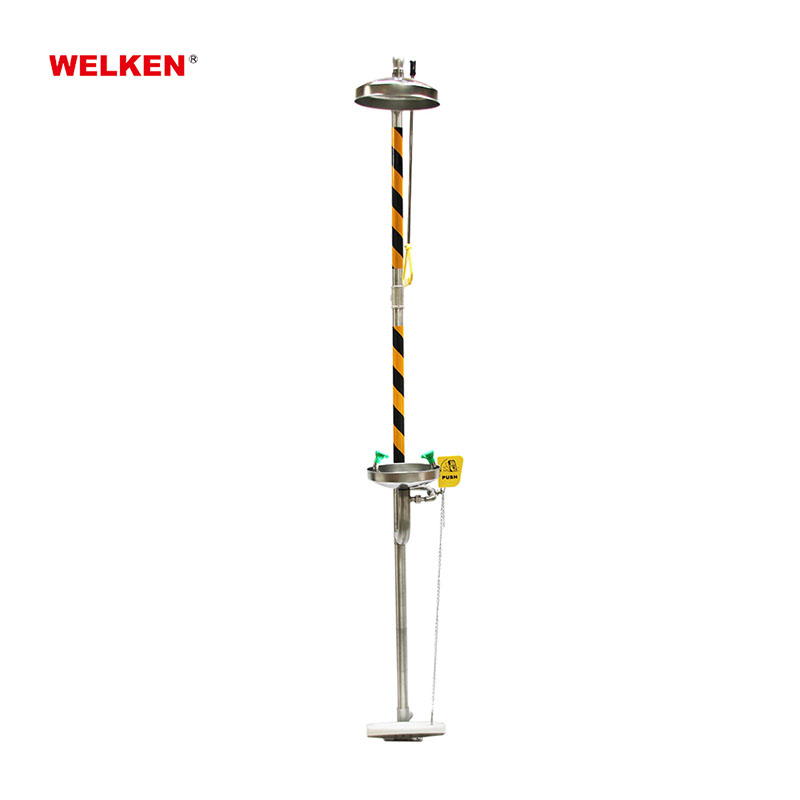 Hands-Free BD-550A Foot Control Shower & Eye Wash for Cleanrooms
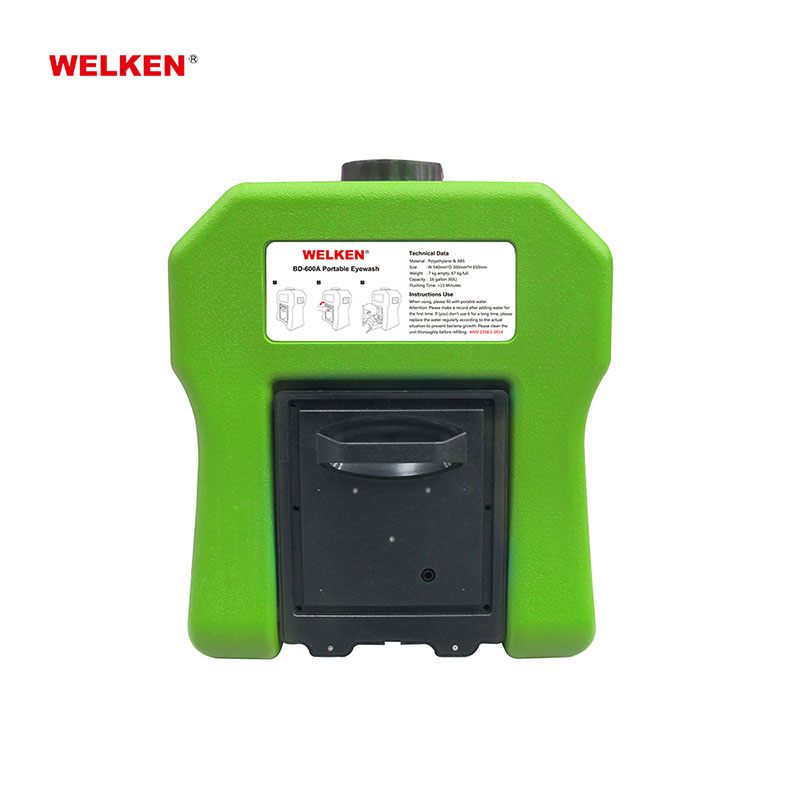 High-Capacity BD-600A 60L Portable Eye Wash for Chemical Spills