Leave Your Message
Craftsmanship & Technology: The Precision Behind the Protection. Engineered for critical safety containment across Australian heavy industry and processing facilities.
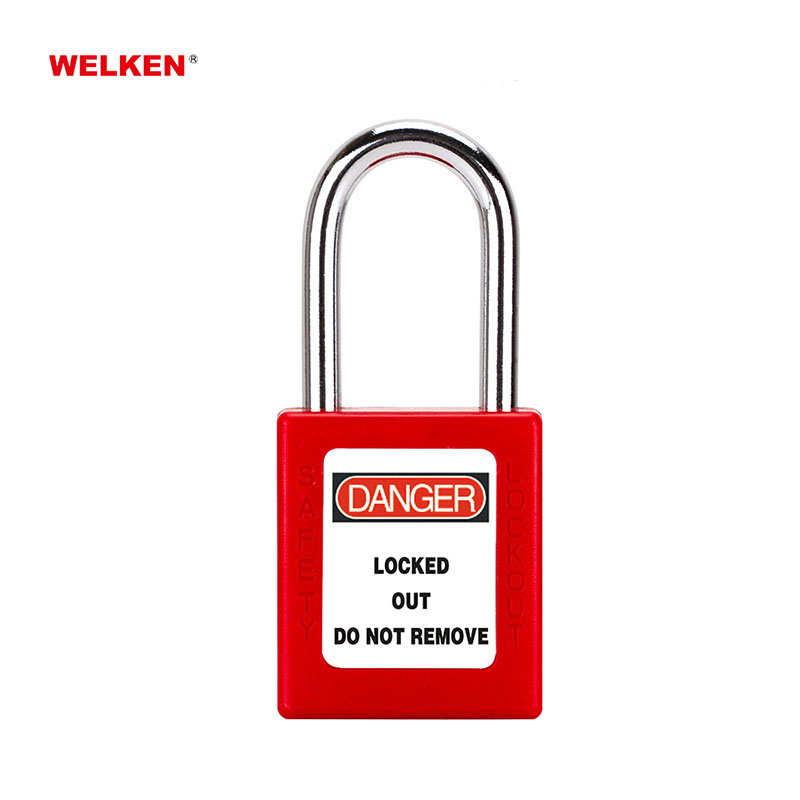
When safety is non-negotiable, the BD-8521 Safety Padlock stands as your first line of defense across Australian electrical isolation and mechanical lockout protocols.
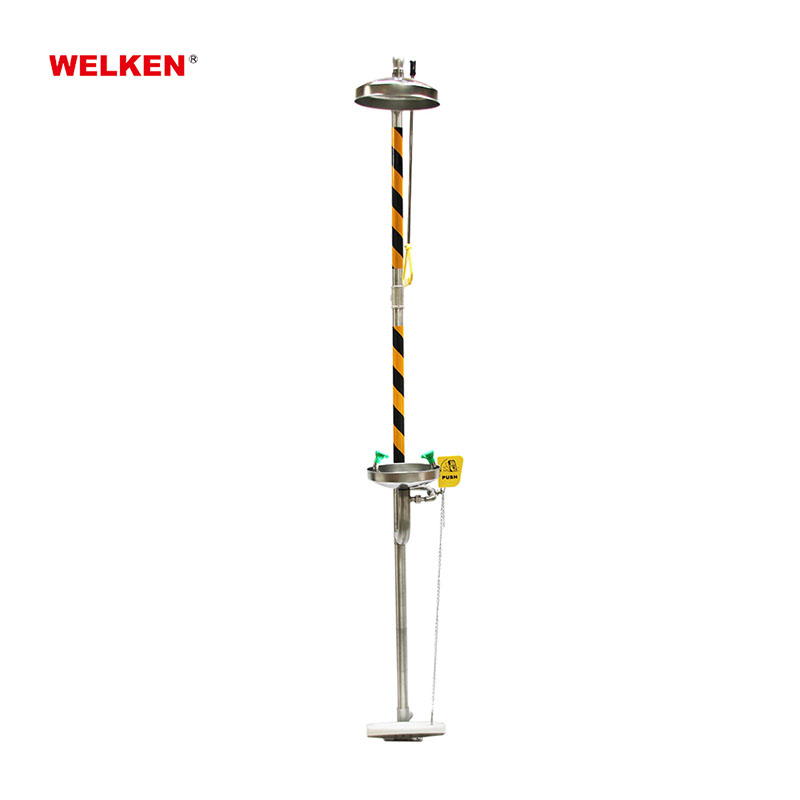
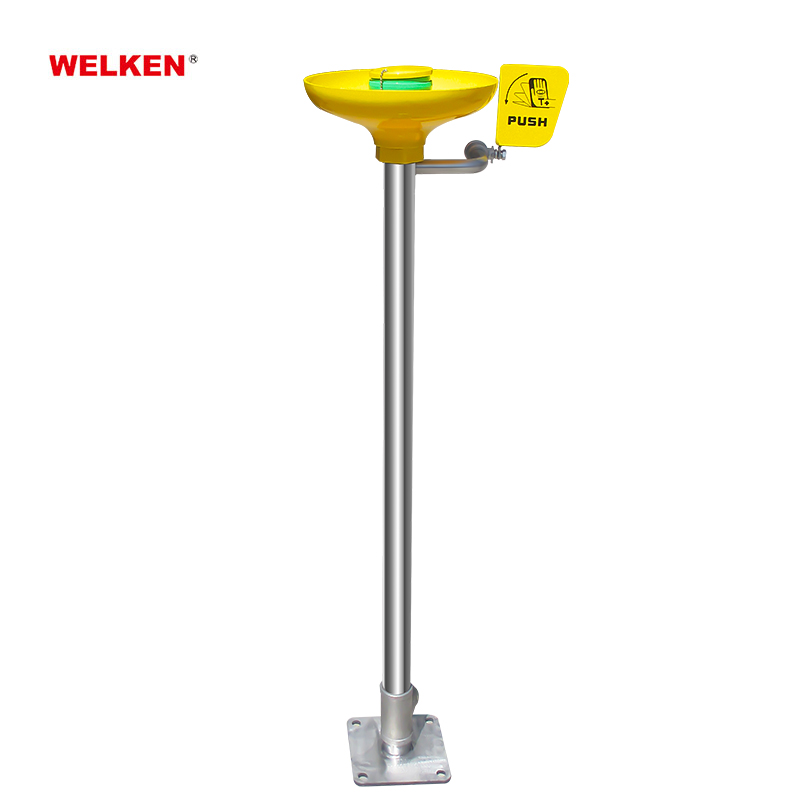
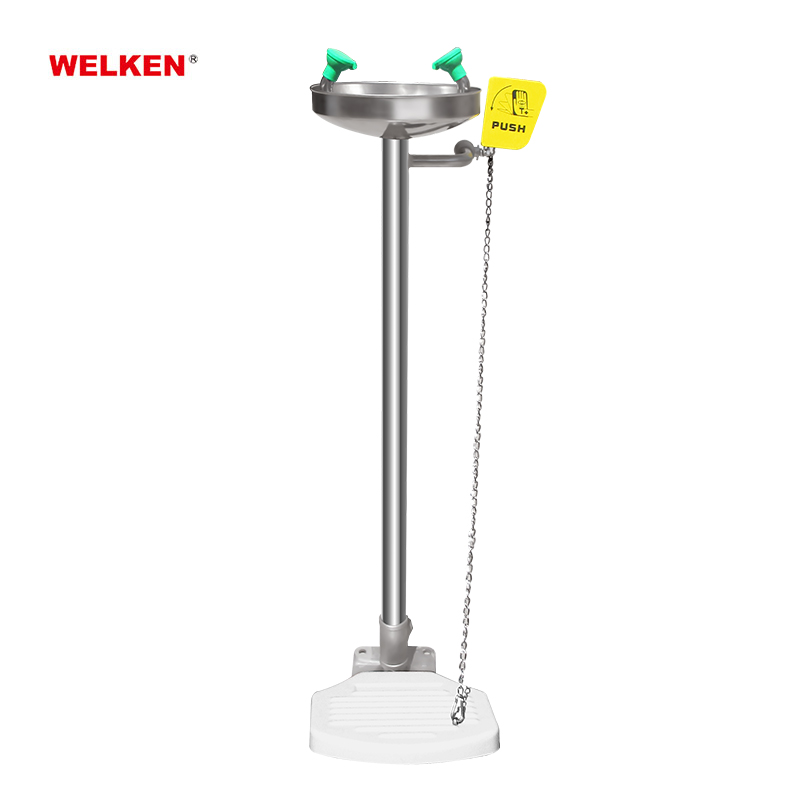
The BD-550A is a premium, high-performance safety solution engineered for immediate emergency response with ergonomic dual-pedal operation.
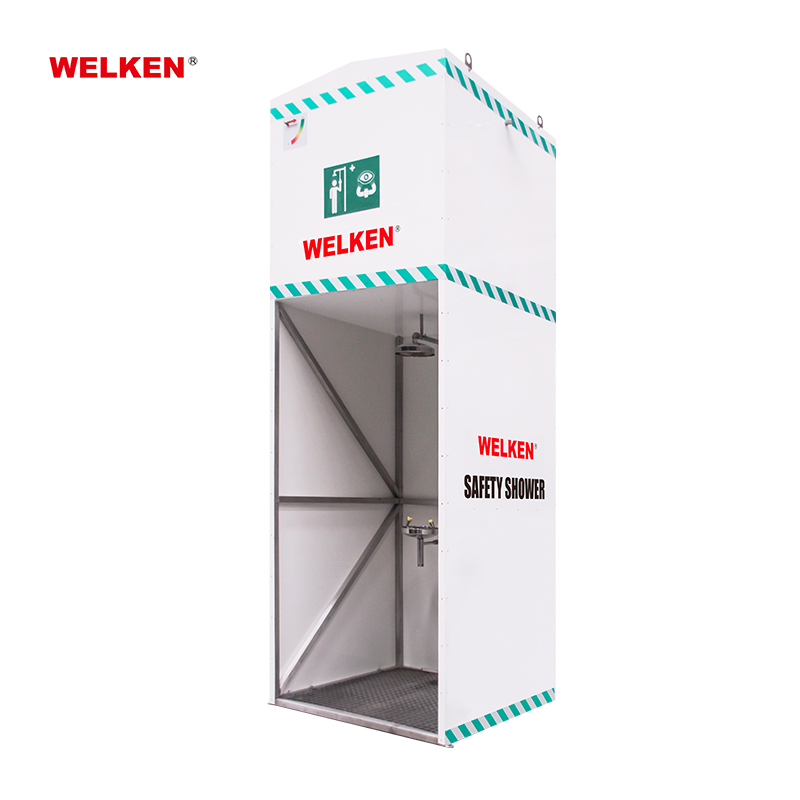
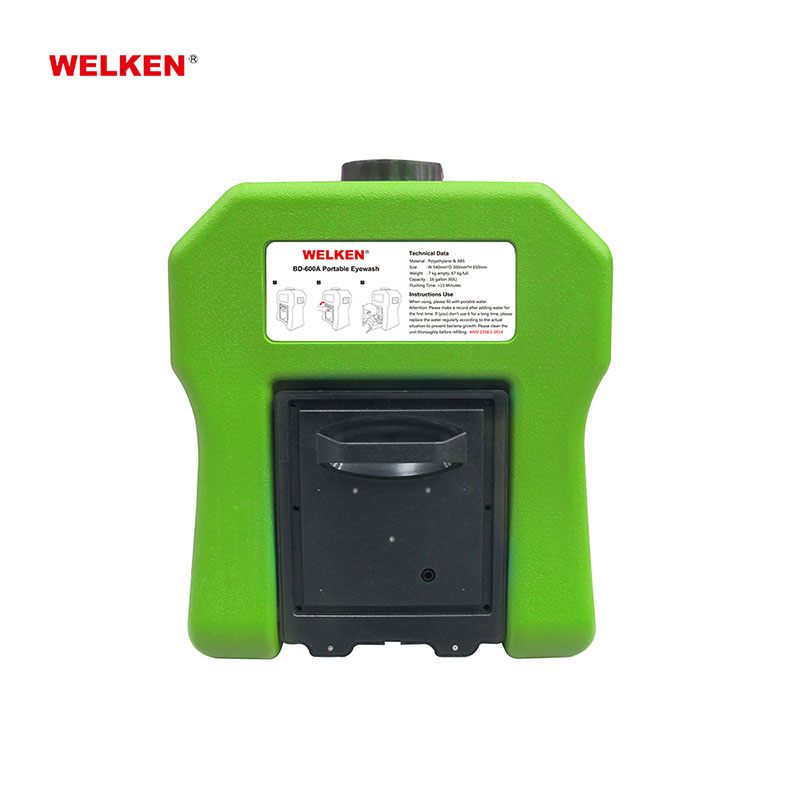
The BD-602B-G is a self-contained, high-capacity emergency cabinet designed for remote Australian mining camps and un-plumbed hazard locations.
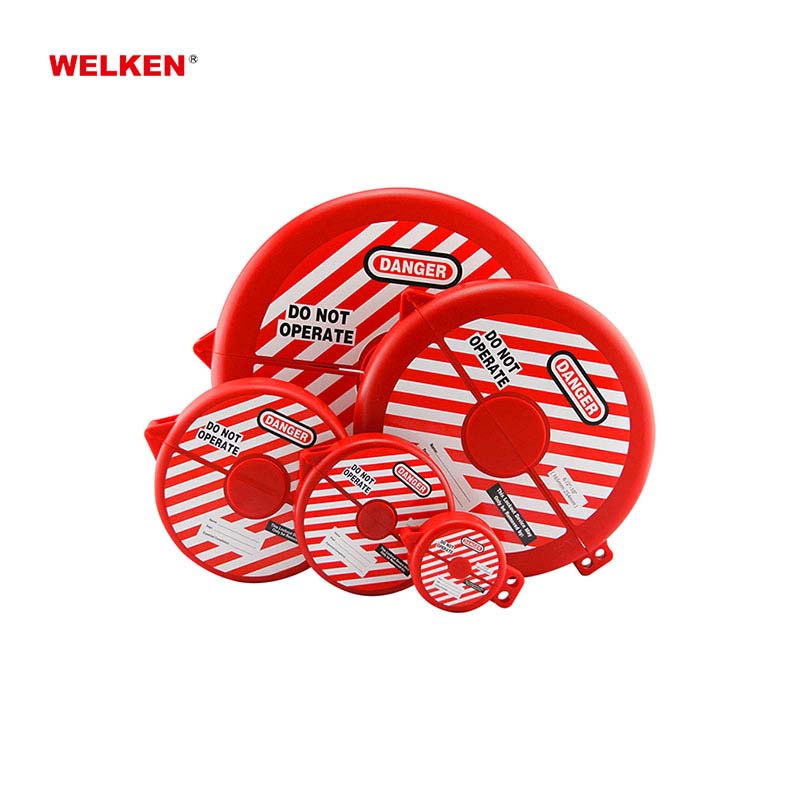
The BD-8231 Gate Valve Lockout is a specialized mechanical blocking device engineered to isolate hazardous pipeline fluids safely during maintenance routines.
Combining advanced photoluminescent polymers with chemical-resistant substrates to guarantee zero-second identification during industrial ophthalmic emergencies.
Standardized emerald-green safety backgrounds, ISO 7010 pictograms, and high-contrast white text formatted to ensure immediate visual recognition across multi-lingual Australian workforce sites.
Treated with proprietary fluoropolymer topcoats that withstand solar ultraviolet degradation, high salinity in maritime ports, and abrasive Pilbara dust storms without fading or peeling.
Class 2 & Class 3 photoluminescent pigments absorb natural and ambient industrial lighting, emitting continuous guidance luminescence during catastrophic power outages and toxic smoke events.
The Australian industrial safety marketplace has undergone a transformative evolution over the past decade. With stringent regulatory enforcement overseen by Safe Work Australia, state-level bodies (WorkSafe WA, SafeWork NSW, WorkSafe Victoria, and Workplace Health and Safety Queensland), and the continuous expansion of resource-intensive sectors, the requirement for clear, uncompromised emergency signage has never been more vital. Eye wash bottle signs and standalone emergency eyewash stations serve as the frontline defense against irreversible ocular chemical burns, particulate abrasions, and caustic contamination.
Under the Work Health and Safety (WHS) Act 2011 and Australian Standards AS 1319-1994 (Safety Signs for the Occupational Environment) alongside AS 4775-2007 (Emergency Eyewash and Shower Equipment), every facility handling hazardous chemicals must guarantee that eyewash bottles and flushing stations are clearly identified with prominent, unobstructed signage that is immediately visible from all operational approach paths.
Australia’s vast geographical footprint presents distinct operational challenges that dictate how eye wash signs and emergency eyewash units are manufactured, specified, and deployed:
In high-stress emergency events involving acidic splatters, ammonia exposure, or airborne caustic reagents, an injured operator suffers from involuntary blepharospasm (reflex eyelid closure) and severe disorientation. The eye wash bottle sign must act as an instinctual beacon:
Leading safety manufacturers targeting the Australian market have shifted from basic screen-printed PVC to advanced high-performance composites engineered for extreme longevity:
Class 2 & Class 3 Photoluminescent Technology: Utilizing strontium aluminate phosphors excited by ambient artificial lighting, these signs store photons and emit high-intensity afterglow for up to 12 hours during catastrophic total plant power failure. This guarantees that workers navigating through blackout conditions can instantly pinpoint the emergency saline rinse stations.
Cross-Linked Polypropylene & Acrylic Polyurethane Overlaminates: Protecting the visual layer against aggressive atmospheric chemicals such as sulfuric acid mists, sodium hydroxide splashes, and industrial degreasers. The top surface resists frequent high-pressure washdowns and sanitization chemicals common in Australian dairy and beverage production.
When selecting eye wash bottle signs and emergency station hardware, procurement teams, EHS directors, and maintenance superintendents must evaluate suppliers against strict criteria: verification of batch consistency, compliance documentation under NATA-accredited test methods, availability of modular bilingual or pictogram-centric formats for culturally diverse workforces, and compatibility with proprietary 500ml and 1000ml sterile saline wash bottle brackets.
Partnering with experienced international manufacturers who maintain integrated R&D engineering facilities, full 3D CAD modeling libraries, and rapid export logistics ensures customized bracket dimensions, specialized freeze-protected enclosures, and tailored corporate branding without compromising on AS/NZS compliance or project delivery schedules.
Protecting Every Mission, Securing Every Industry. Turnkey emergency eyewash identification and hardware designed for Australia's most demanding operational sectors.
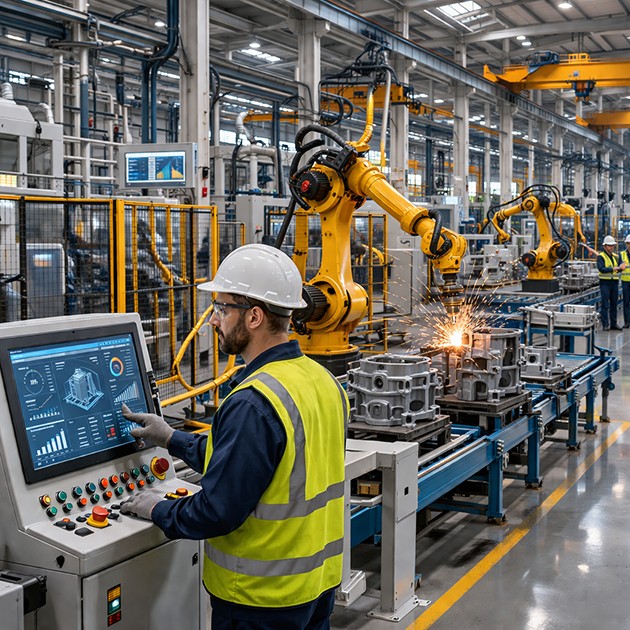
Foundries, steel fabrication mills, and heavy engineering facilities throughout Wollongong, Newcastle, and Geelong requiring immediate particulate flush identification.

Power substations, renewable solar farms, and regional power generation grids with high-voltage battery storage banks requiring acid neutralizing eyewash points.

Tier-1 infrastructure projects across Sydney Metro and Melbourne West Gate Tunnel, utilizing portable, highly visible eyewash signs at cement pouring zones.
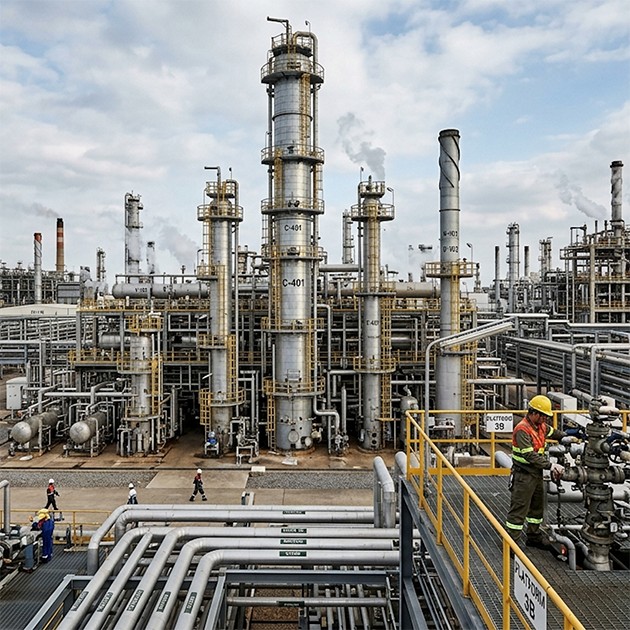
Specialty chemical blending facilities and solvent storage yards demanding corrosion-proof, chemically inert signage with zero sparks risk.
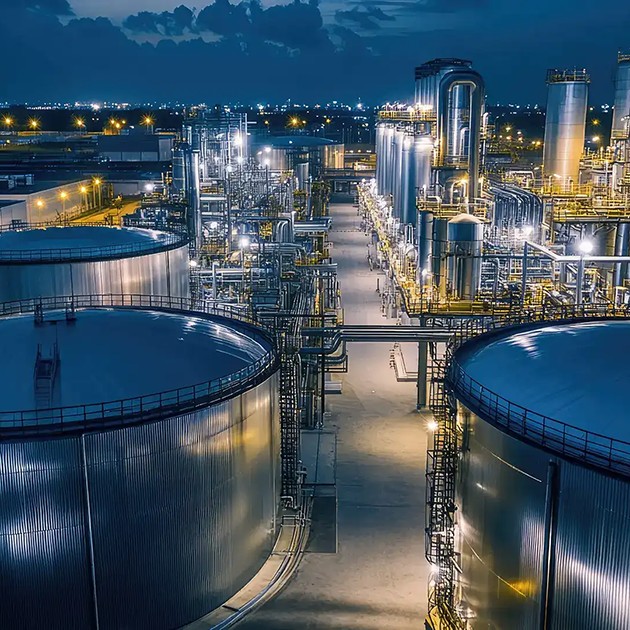
FPSO vessels off the North West Shelf and onshore gathering stations requiring marine-grade stainless signage and explosion-proof wash facilities.
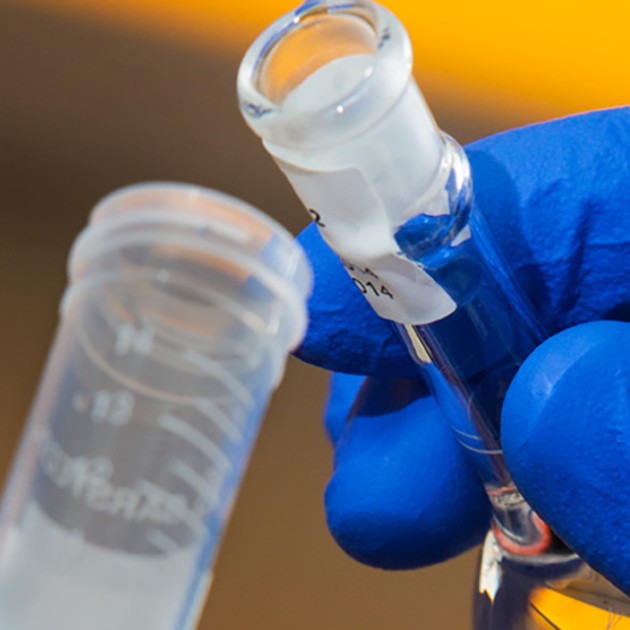
Parkville and Macquarie Park biomedical cleanrooms requiring flush-mounted, non-particulate shedding signage compliant with GMP standards.
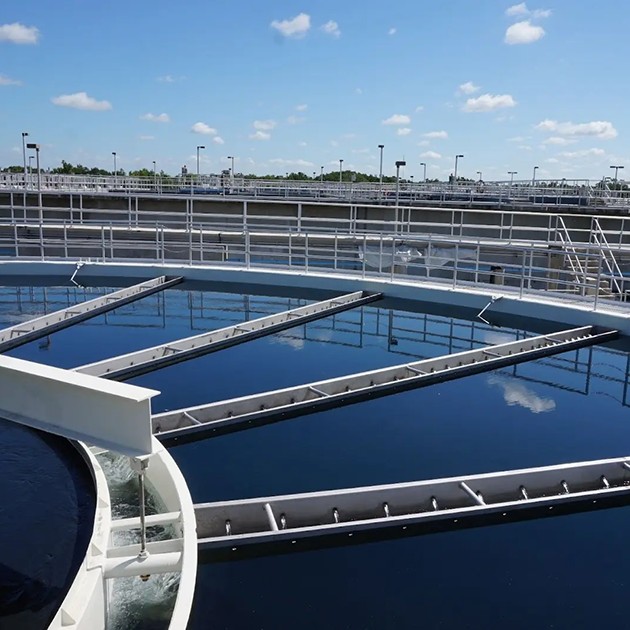
Desalination plants and municipal water purification facilities handling bulk chlorine, sodium hypochlorite, and coagulant chemicals.
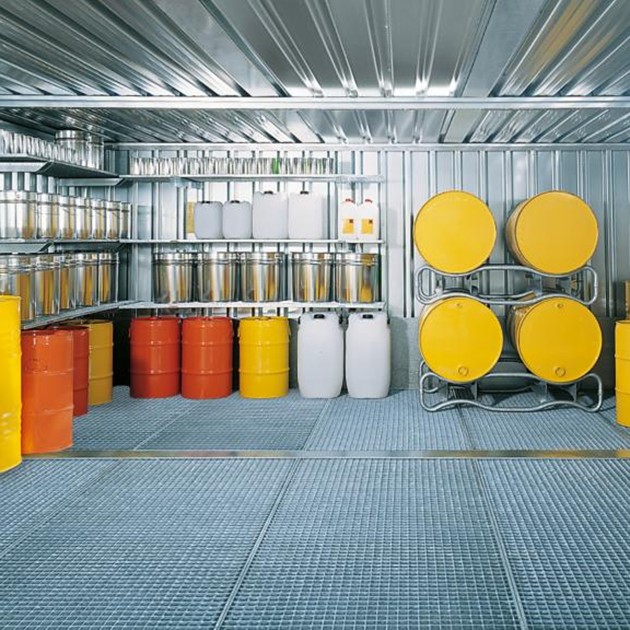
Dangerous goods distribution logistics centers requiring clear aisle-level 3D projection signage pointing to emergency first-aid lockers.
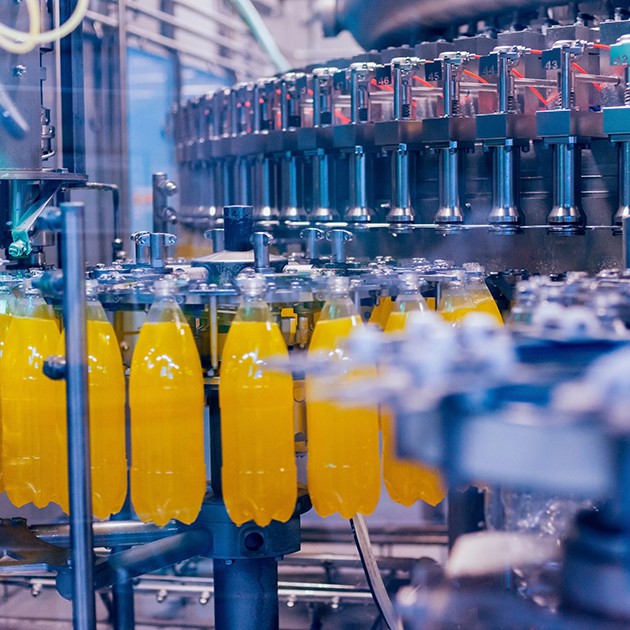
Meat processing abattoirs, wineries in Barossa Valley, and dairy factories requiring IP66 washdown-safe emergency signage.
Global leading safety product and solution provider dedicated to research, engineering innovation, and rapid delivery across the Asia-Pacific region.

We own complete 3D drawings for every product and have an experienced in-house R&D team. Whether it's a non-standard dimension or a specific configuration, we engineer solutions with precision.
Decades of manufacturing mastery translate into field-tested products, professional application guidance, and safety solutions that operate reliably under Australia's most extreme climatic conditions.
Strategically situated minutes from premier international container ports, keeping transit lead times ultra-short and enabling direct-to-site shipments across Sydney, Melbourne, Brisbane, and Fremantle.
Our safety equipment and signage products strictly adhere to international certifications. We deliver end-to-end after-sales support, comprehensive spare parts availability, and transparent warranties.
Essential knowledge for procurement teams, occupational health officers, and safety managers.
Australian Standard AS 1319 specifies that Emergency Information signs must incorporate a safety green background with crisp white pictograms and lettering. The contrast must exceed 75% luminosity to ensure quick identification by individuals under ocular distress.
Per AS 4775 recommendations, eyewash stations and signage must undergo a formal monthly inspection to confirm clean visibility, unbroken bottle security seals, and fluid expiry date validity (typically 2-3 years for sterile sealed saline solution).
Class 3 photoluminescent materials have a higher concentration of phosphors, providing significantly brighter initial candela output and a longer decay duration (up to 12+ hours), recommended for high-hazard underground mining and windowless plant rooms.
Personal eye wash bottles serve as an immediate first-aid supplement within the first 10 seconds of chemical exposure while the worker moves toward a plumbed AS 4775-compliant 15-minute continuous flow station, or as primary units in mobile service vehicles.
Explore our full line of industrial eyewash units, freeze-protected stations, and portable emergency safety equipment engineered for rigorous global and Australian worksite standards.