Leave Your Message
Precision-engineered hardware designed to secure critical valves and protect personnel.
In modern food processing facilities, maintaining a sterile environment while ensuring maximum worker safety is a complex balancing act. The daily operations of these plants involve high-pressure water washdowns, aggressive cleaning chemicals (such as caustic soda and nitric acid used in Clean-In-Place systems), steam lines, and complex valve manifolds. Within this high-risk ecosystem, the integration of an Eye Wash Bottle Sign alongside a robust Pipeline Valve Safety Lockout (LOTO) protocol is not just a regulatory recommendation—it is a critical line of defense against permanent injury and operational downtime.
Food processing plants operate under strict regulatory frameworks enforced by bodies like the FDA, OSHA, and ANSI. While hygiene rules dictate the materials allowed in production zones (typically 304 or 316 stainless steel and food-grade plastics), safety regulations require that emergency response equipment like eye wash stations and lockout devices be highly visible and easily accessible. The presence of clear, durable signage ensures that in the event of a chemical splash, workers can locate eye wash bottles within the critical first 10 seconds to mitigate ocular damage.
Signs and lockout devices must withstand daily exposure to harsh sanitation chemicals, high humidity, and extreme temperatures without degrading or losing visibility.
High-contrast, photoluminescent, or highly visible green/white eye wash signs ensure rapid location of emergency flushing bottles even during power outages or steam leaks.
Integrating LOTO devices on pipeline valves ensures that hazardous fluids cannot be accidentally released while technicians are servicing adjacent machinery.
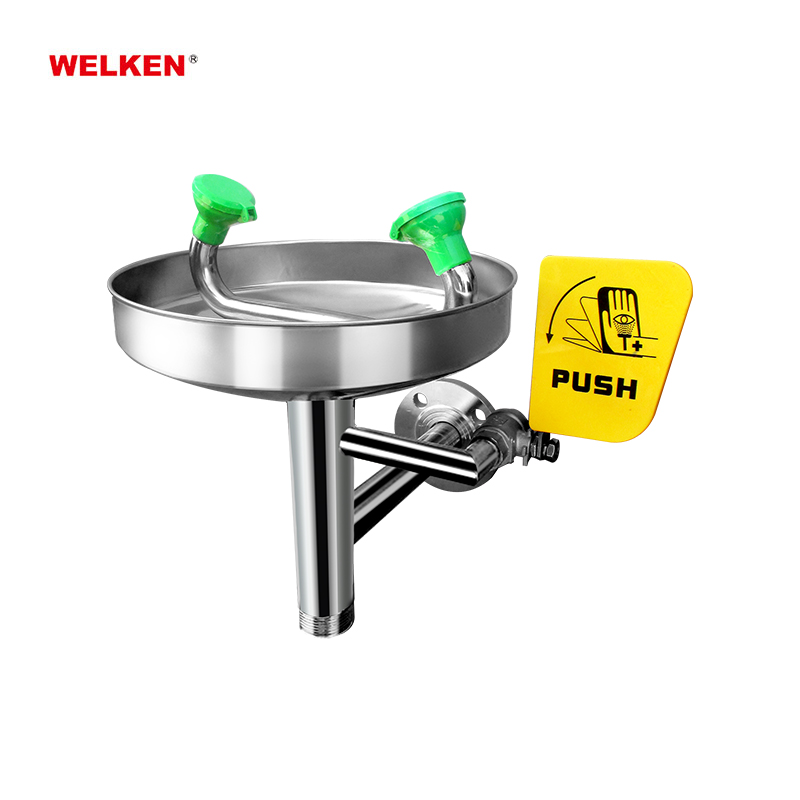
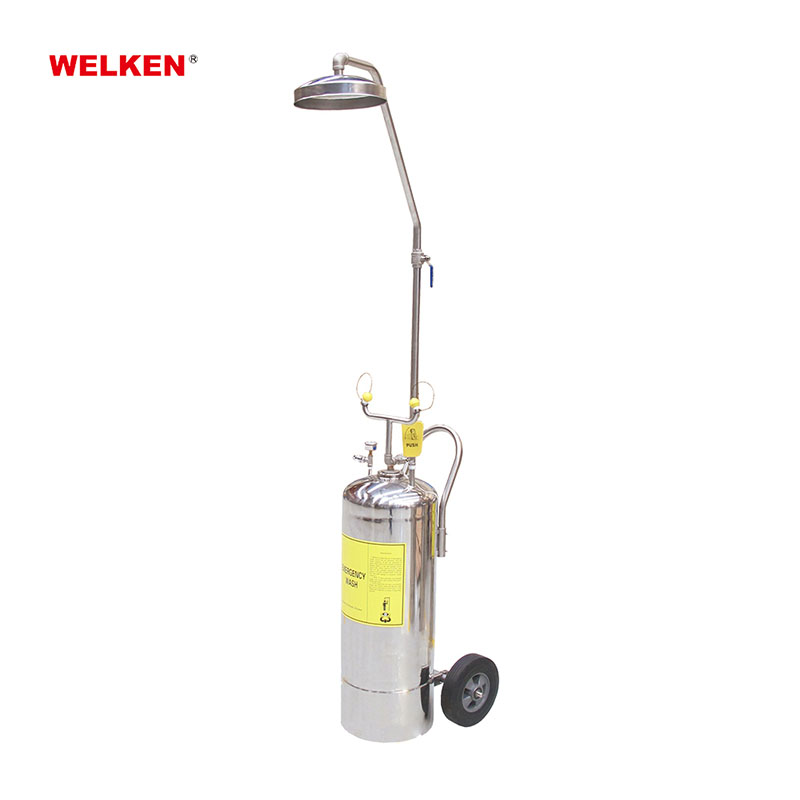
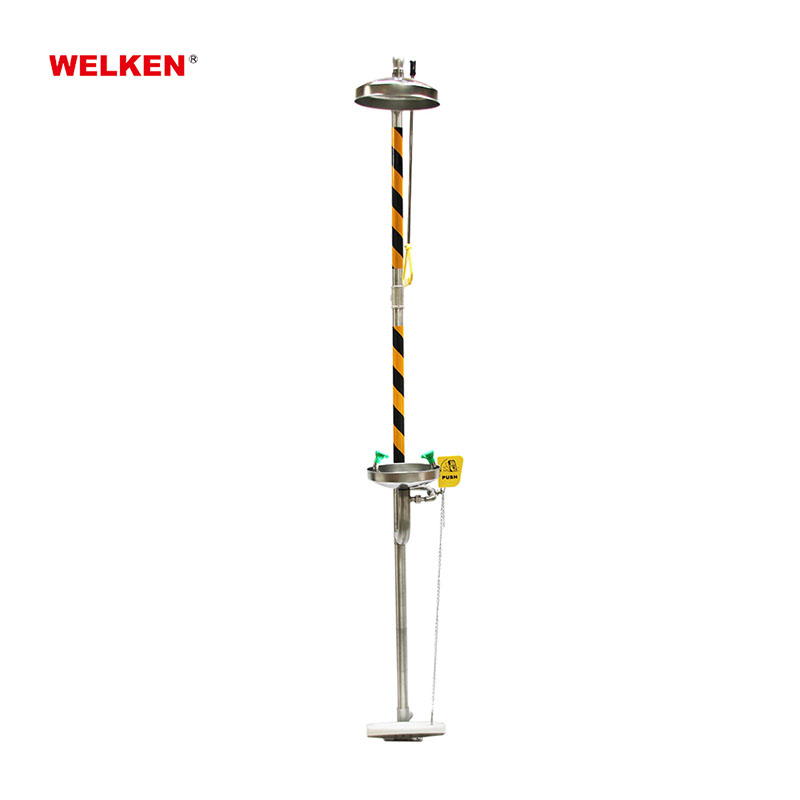
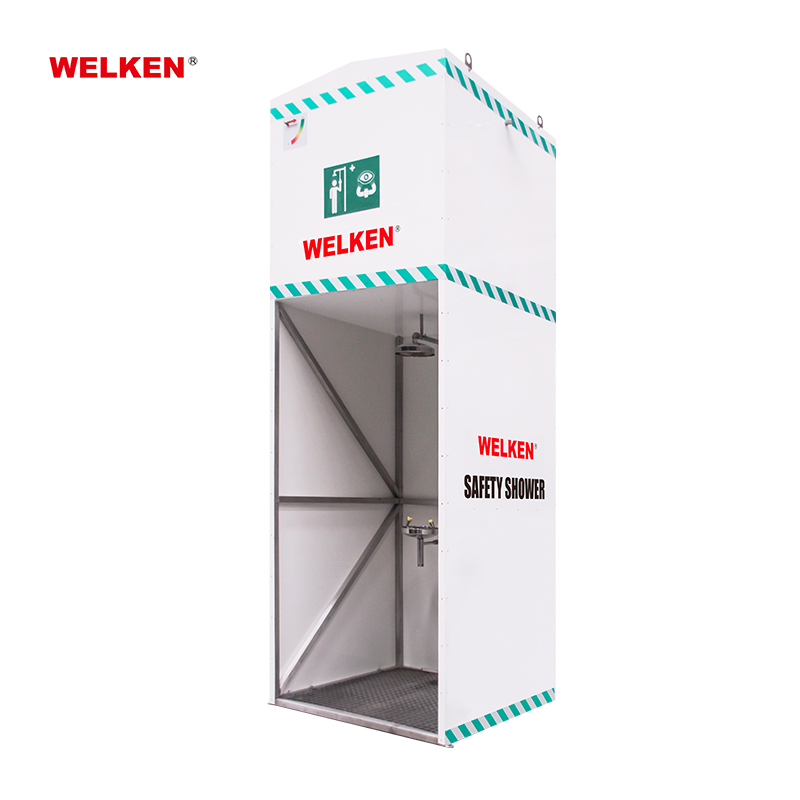
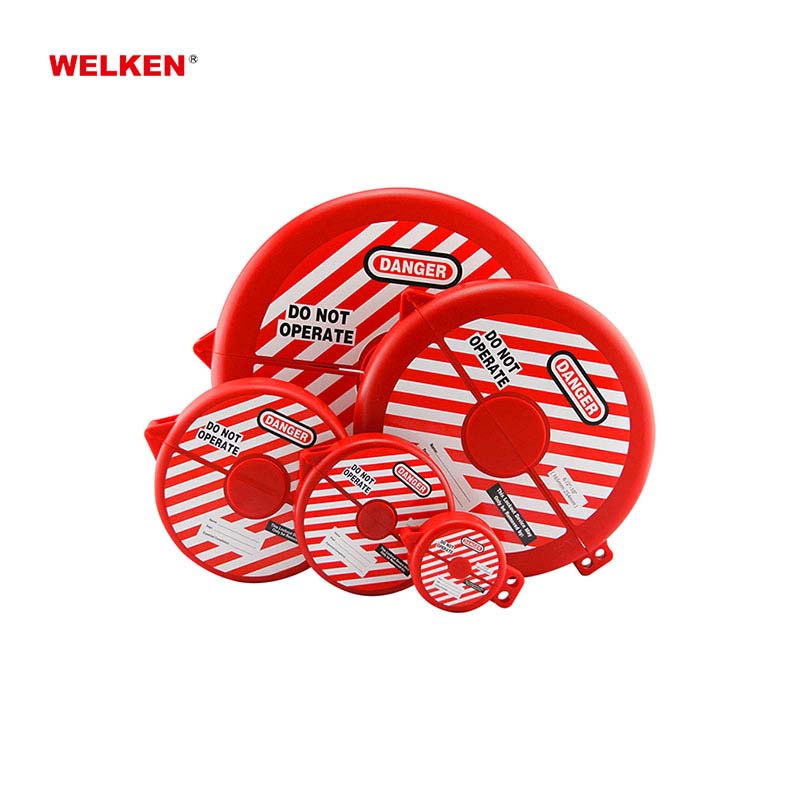
CIP systems automatically circulate cleaning acids, sanitizers, and water through product pipelines without dismantling them. The valves controlling these chemical loops operate under high pressure and temperature. During maintenance or line changeovers, these valves must be mechanically isolated using devices like the BD-8231 Gate Valve Lockout Series. Simultaneously, because of the high risk of chemical spray, an eye wash station equipped with a highly visible Eye Wash Bottle Sign must be positioned directly adjacent to the valve manifold. If a seal fails or a valve is opened prematurely, the technician has immediate visual guidance to reach the emergency eye wash bottle.
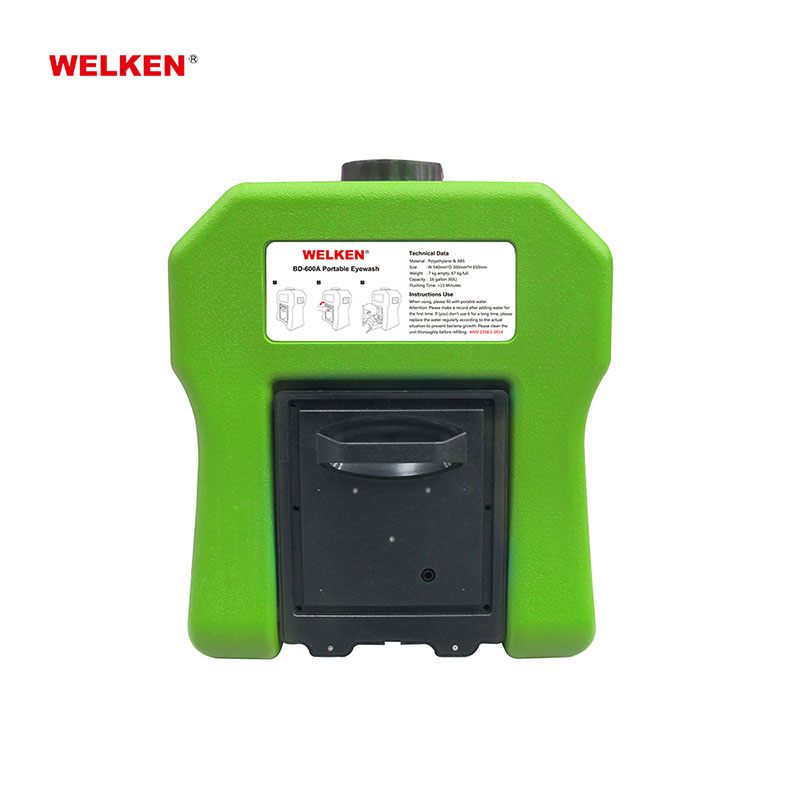
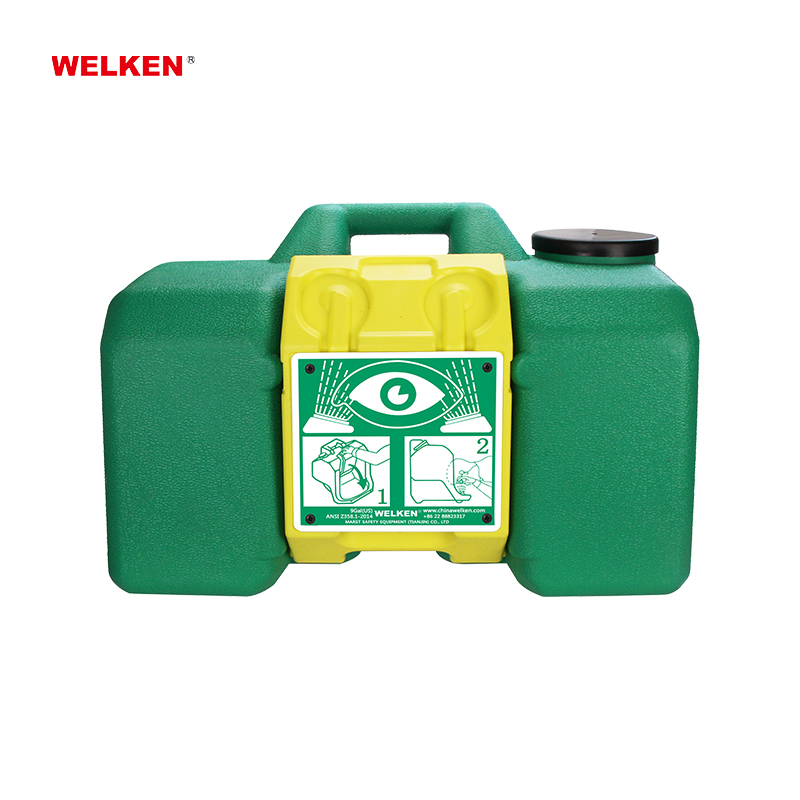
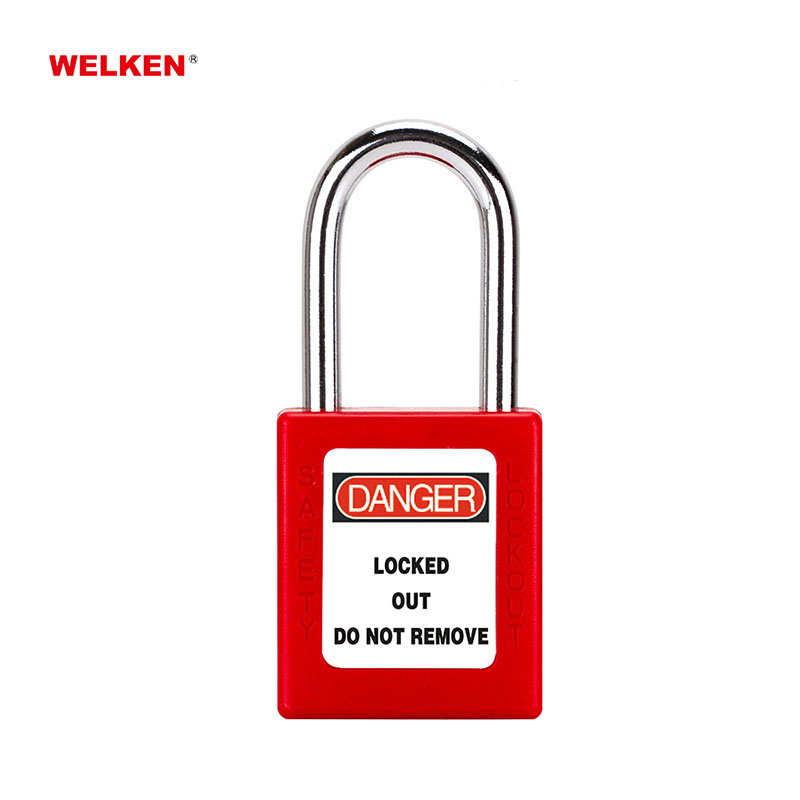
Most large-scale food processing facilities rely on anhydrous ammonia for industrial cooling. Ammonia is highly toxic and corrosive to the skin and eyes. Pipeline valve maintenance in these areas requires absolute safety protocols. Lockout padlocks like the BD-8521 38mm Steel Shackle LOTO Safety Padlock are utilized to lock out ammonia supply lines. Because ammonia leaks can quickly impair vision and cause panic, having secondary portable eye wash bottles clearly marked with bold, photoluminescent signs is vital. Workers must be able to locate these bottles blindly or through heavily fogged safety goggles.
Sanitation teams use high-pressure hot water hoses to clean processing equipment daily. Standard safety signs can easily wash away, peel, or harbor bacteria in these wet environments. Food-grade eye wash bottle signs must be made of non-porous, chemically inert materials (such as high-density polyethylene or sealed acrylic) that do not support bacterial growth. These signs must be securely mounted to structural columns near pipeline valves so they remain visible throughout the intense cleaning cycles.
Compliance in this sector involves aligning multiple safety standards:
The industrial safety sector is experiencing a rapid shift toward smart integration. Modern food processing plants are adopting IoT-enabled lockout systems where padlocks transmit their status (locked/unlocked) to a centralized safety control panel. Similarly, eye wash stations are being fitted with smart sensors that alert plant managers the moment a bottle is removed from its cradle, indicating an ongoing emergency. Furthermore, the materials used for signs are evolving; antimicrobial coatings that prevent mold and biofilm buildup are becoming standard in high-hygiene food zones, ensuring that safety compliance never compromises food safety.
Securing diverse industrial environments with robust safety protocols and hardware.


Why industrial leaders trust us for their critical safety infrastructure.

Complete 3D engineering and custom CAD drawings designed to fit your facility's unique layout and hygiene requirements.
Decades of field experience translating into mature safety products that perform reliably under extreme industrial conditions.
Strategically located near major international shipping hubs, ensuring prompt delivery and minimized project lead times.
Our products comply with global safety standards, backed by responsive post-sales support and technical assistance.
Explore our comprehensive range of industrial eye wash stations and emergency response units.