Leave Your Message
Engineered for critical first-response deployment across Australian academic, mining assay, and biotechnology laboratories.
Navigating AS 4775-2007, Safe Work Australia Codes of Practice, and Immediate Point-of-Hazard Decontamination.
The Australian scientific, clinical, and industrial laboratory sector operates within one of the world's most rigorous occupational health and safety ecosystems. Governed by Safe Work Australia frameworks, state-based Work Health and Safety (WHS) regulations, and Australian Standard AS 4775-2007 (Emergency eyewash and shower equipment), research facilities must balance stringent compliance with physical accessibility. In modern analytical chemistry suites, mineral processing metallurgical labs across Western Australia and Queensland, and biomedical cleanrooms in Melbourne and Sydney, chemical exposure risks remain an ever-present operational threat. When volatile reagents, corrosive acids (such as hydrofluoric, hydrochloric, and nitric acids), or concentrated alkalis splash into the ocular region, the first 10 seconds determine whether a researcher suffers permanent epithelial destruction or achieves complete clinical recovery.
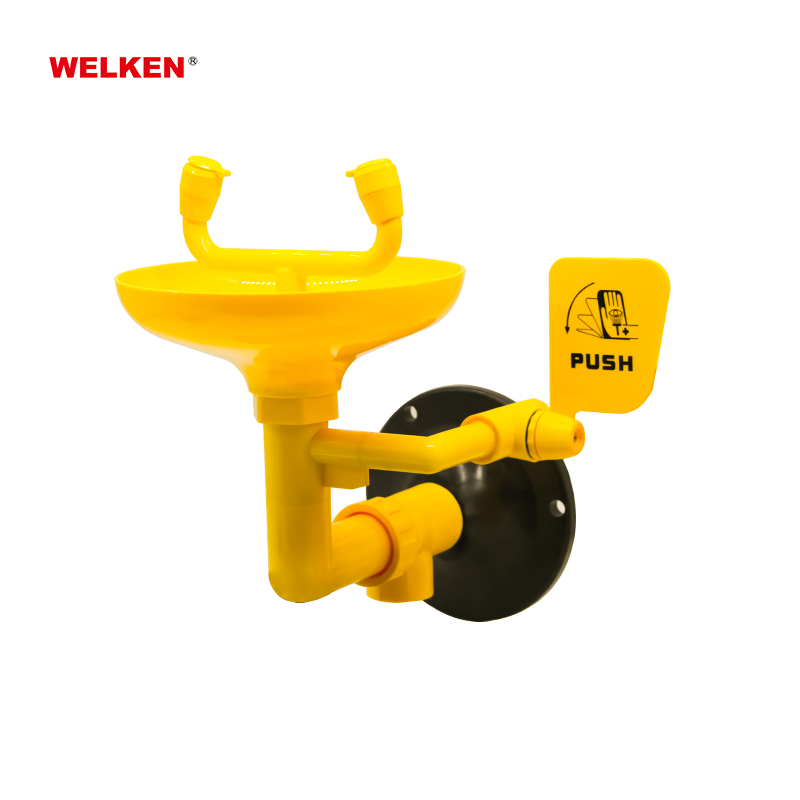
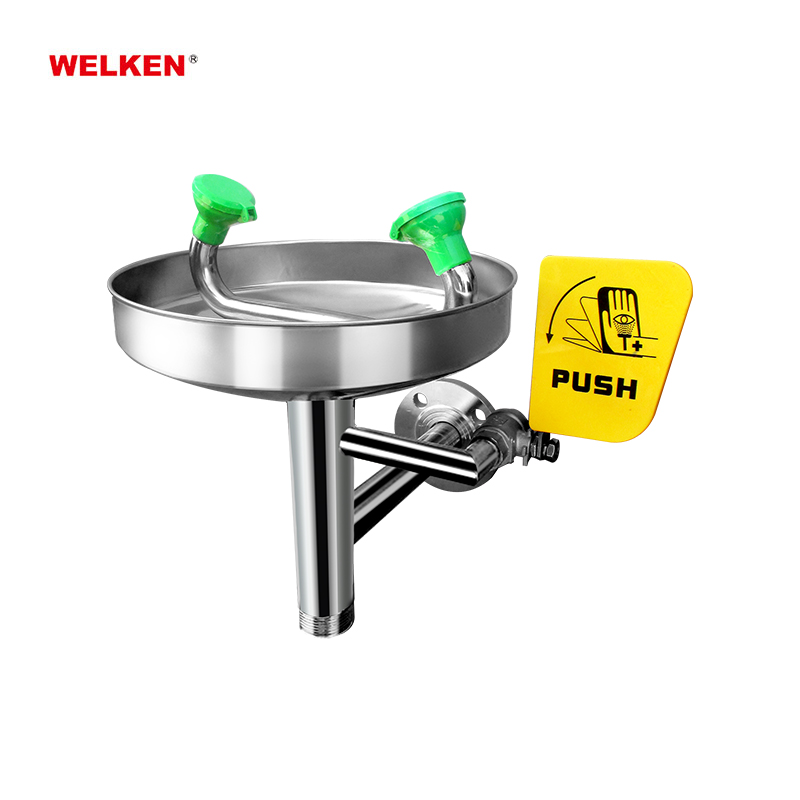
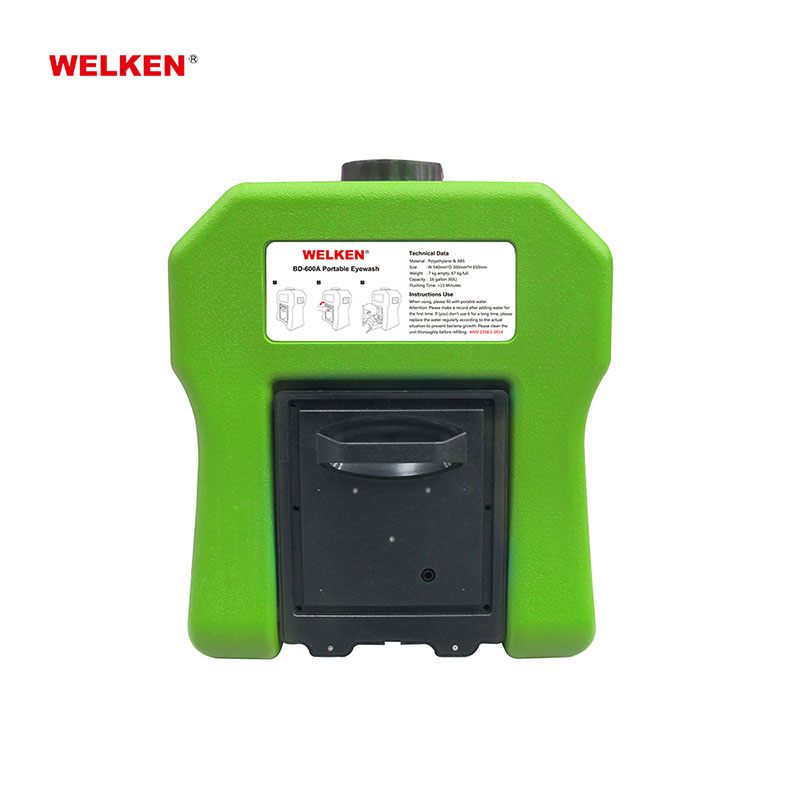
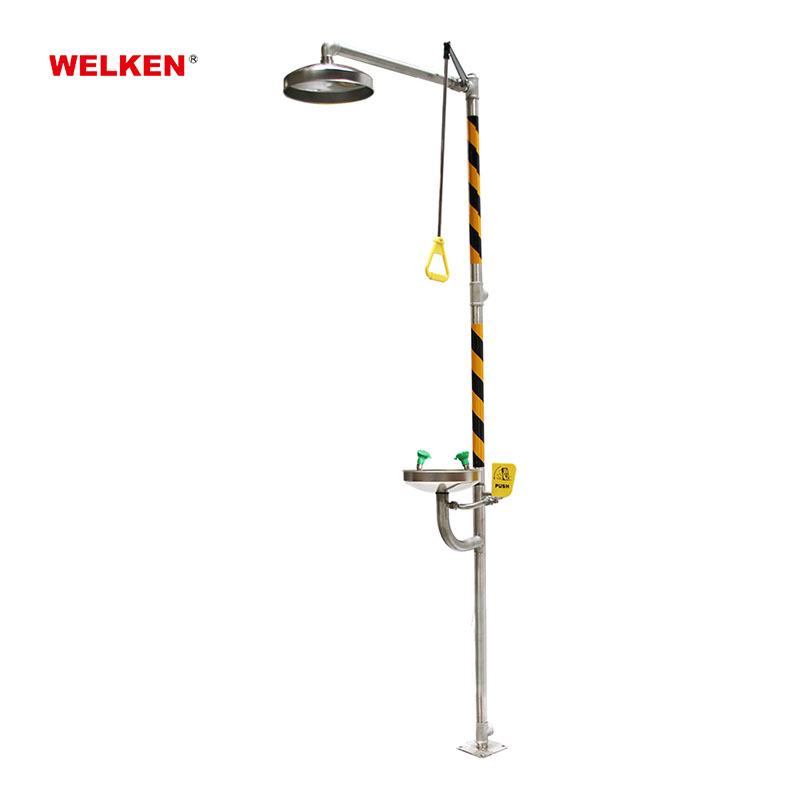
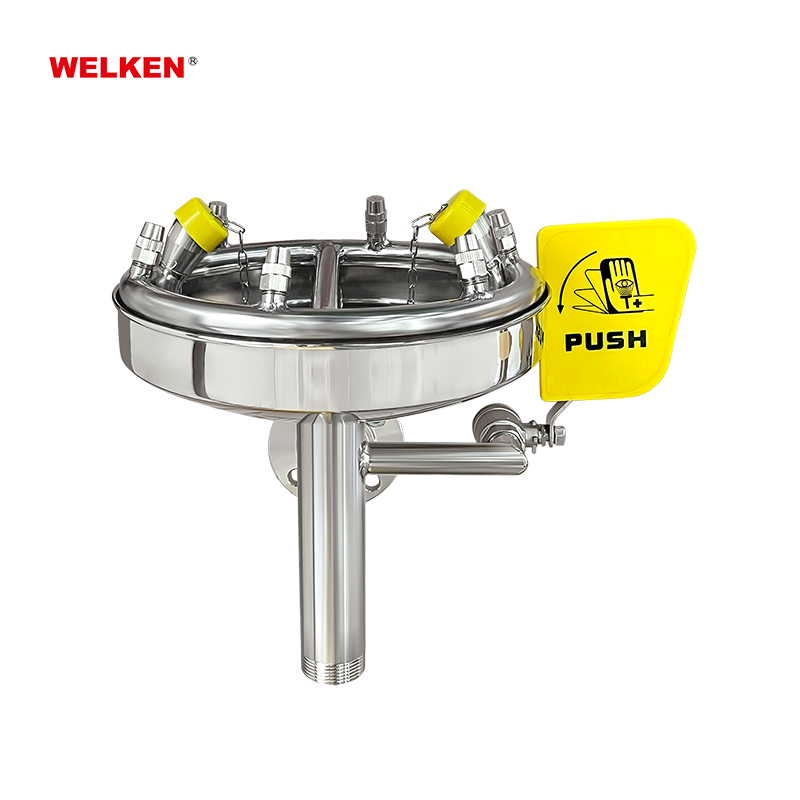
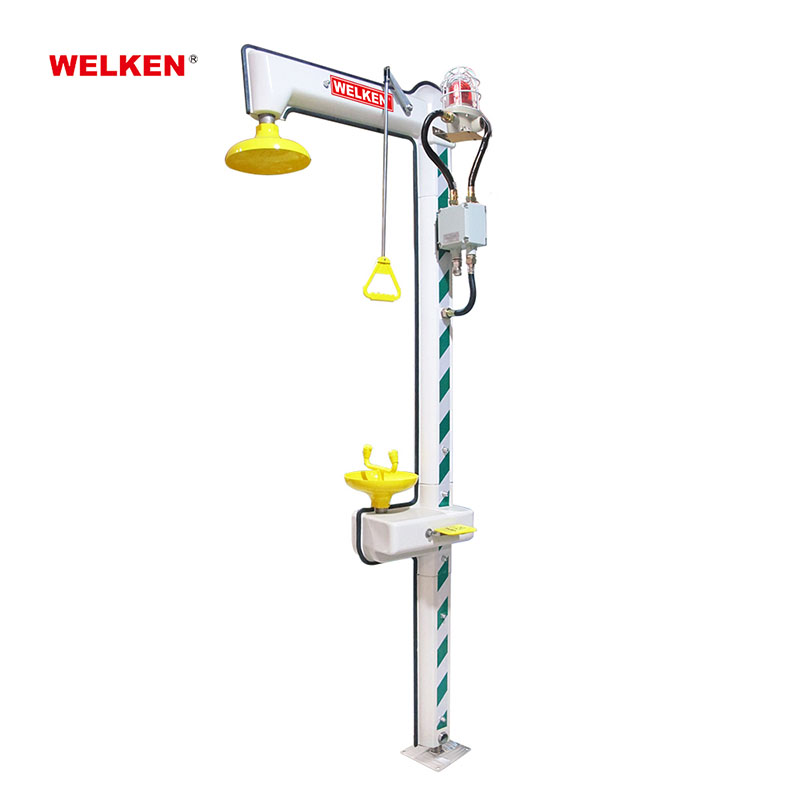
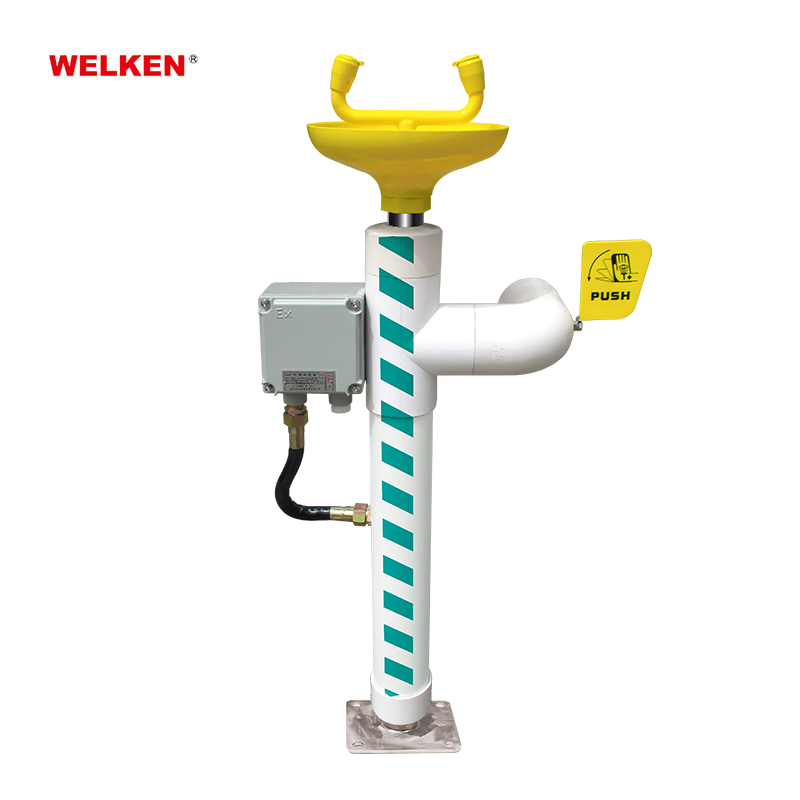
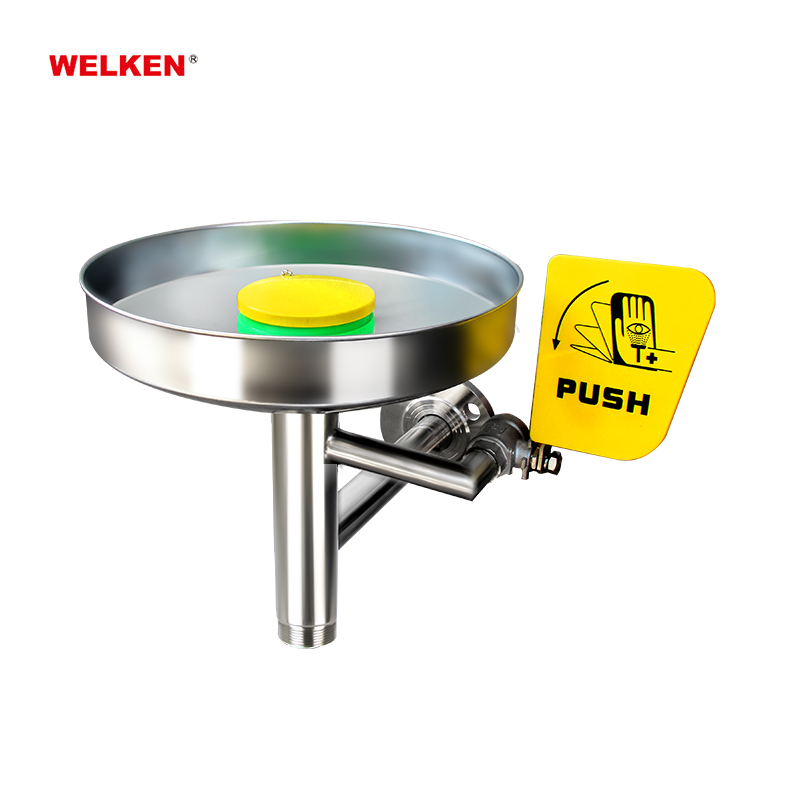
While plumbed emergency eyewash stations and combination deluge showers represent mandatory structural installations under AS 4775, they inherently face physical transit constraints. In sprawling university campuses or compartmentalized biosafety level (BSL-2 and BSL-3) facilities, reaching a plumbed eyewash may require navigating fire doors, secondary containment barriers, and crowded benchtops. This temporal lag gave rise to the indispensable role of the Custom Eye Wash Bottle for Laboratory deployment. Engineered as personal, zero-second response systems, bespoke eyewash bottles bridge the critical physical gap, providing instantaneous neutralizing or isotonic irrigation at the exact point of chemical handling before the worker transitions to a continuous 15-minute plumbed flushing station.
Mounted directly to benchtop reagent racks, laminar flow hoods, and mobile sampling carts to neutralize corrosive splashes immediately, drastically mitigating ocular corneal trauma.
High-contrast bilingual and pictogram labeling featuring emergency operation sequences, Australian Dangerous Goods (ADG) chemical compatibility symbols, and tamper seals.
Blow-moulded ultra-flexible low-density polyethylene (LDPE) bottles integrated with contoured ocular eyecups, laminar flow perforations, and reverse siphon prevention.
The Australian demand for customized laboratory eyewash bottles is characterized by several distinct industrial pillars, each presenting unique chemical hazards and geographic hurdles:
Advanced material science, laminar fluid delivery, and physiological pH restoration mechanisms.
An industrial-grade laboratory eyewash bottle is not merely a plastic squeeze container; it is a precision-engineered medical fluid delivery apparatus designed to clear particulate debris, dilute aggressive compounds, and neutralize electrochemical imbalances without causing mechanical trauma to the sensitive corneal endothelium.
| Engineering Parameter | Standard Commercial Bottle | Custom Australian Laboratory Specification | Operational Benefit |
|---|---|---|---|
| Material Composition | Recycled or Standard HDPE | Virgin Medical-Grade Ultra-Flexible LDPE (BPA/Phthalate Free) | Rapid fluid expulsion with minimal hand force; high chemical resistance |
| Fluid Delivery Mechanism | Simple open spout tip | Contoured Eye Cup with Micro-Perforated Laminar Nozzle | Soft, aerated spray pattern that prevents ocular pressure injury |
| Contamination Protection | Friction slip cap | Snap-on Integral Dust Cover with Tamper-Evident Breakaway Ring | Guarantees solution sterility in high-particulate mining/dusty lab spaces |
| Fluid Siphon Barrier | Open suction tube | Patented One-Way Drainage Valve with Siphon Prevention | Prevents contaminated effluent rinse water from washing back into bottle |
| Solution Options | Empty or Standard Tap Water | 0.9% Sterile Saline or 4.9% Sterile Phosphate Buffer Solution | Isotonic equilibrium or rapid neutralization of strong acid/alkali burns |
| UV Stability Rating | Unrated (degrades in 6-12 mos) | UV8 Stabilized Outer Shell & Bracket Assembly | Maintains polymer ductility under harsh Australian sunlight conditions |
In Australian laboratory specification protocols, custom eyewash bottles are categorized based on their chemical neutralization kinetics. For inert particulates, organic solvent splashes, and biological fluids, Isotonic 0.9% Sodium Chloride is the clinical gold standard. It matches the osmotic pressure of natural human tear film (approx. 290 mOsm/L), preventing cellular swelling (hypotonic lysis) or dehydration (hypertonic crenation) of corneal tissue during prolonged flushing.
Conversely, for aggressive industrial acids (sulfuric, nitric, hydrochloric) and alkalis (sodium hydroxide, potassium hydroxide, ammonia), an advanced 4.9% Sterile Phosphate Buffer Solution is deployed. Pure water or standard saline requires hundreds of liters and up to 20 minutes to restore physiological ocular pH (7.35–7.45) from an extreme alkali burn of pH 12+. An active phosphate buffer neutralizes strong hydronium (H+) or hydroxide (OH-) ions within 15 to 30 seconds through amphoteric chemical buffering, halting the deep saponification of ocular fatty tissues before irreversible blindness occurs.
Craftsmanship & Technology: The Precision Behind the Protection for Australia's Toughest Industrial Environments
Smart monitoring, circular economy polymers, and integrated Australian compliance management.
The Australian laboratory safety landscape is experiencing significant technological transformation. In alignment with modern Industry 4.0 principles and the Australian Government's National Waste Policy Action Plan, safety managers are no longer satisfied with static, unmonitored safety hardware. Four major technological trajectories are redefining the custom laboratory eyewash sector across Australia:
Sterile saline and buffered neutralizing solutions carry finite shelf lives—typically 24 to 36 months when factory-sealed. In sprawling multi-building research institutes like those at the University of Sydney, UNSW, or Monash, manually inspecting thousands of individual bottles creates significant administrative overhead. Modern custom eyewash wall brackets now incorporate passive RFID tags and NFC chips. Facilities teams utilize handheld scanners or automated ceiling-mounted LoRaWAN gateways to audit bottle expiration dates, ambient temperatures, and seal integrity in real-time, feeding records directly into automated safety management systems for NATA (National Association of Testing Authorities) accreditation audits.
With Australian corporations committed to stringent ESG (Environmental, Social, and Governance) targets, laboratories are transitioning away from single-use virgin fossil plastics. Next-generation custom eyewash bottles utilize medical-grade bio-based polymers and circular closed-loop HDPE/LDPE that can be completely re-granulated and repurposed into non-critical industrial items upon solution expiration, drastically cutting Scope 3 carbon footprints without compromising clinical sterility.
Traditional squeeze bottles feature a single nozzle directing liquid to one eye at a time. In chemical splash incidents involving pressurized glassware bursts, bilateral ocular exposure occurs in over 70% of reported clinical cases. Trying to alternate a single bottle between eyes while blinded and in excruciating pain inevitably results in inadequate irrigation volume for both eyes. Australian laboratories are increasingly mandating dual-cup (Duo) custom eyewash heads that simultaneously flush both eyes with synchronized laminar fluid streams, preserving crucial seconds during first-stage treatment.
Given Australia's multicultural scientific workforce, custom bottle production now incorporates universally understood ISO 7010 pictograms and color codes. Bright safety green symbolizes general isotonic eye rinse; vibrant safety blue indicates acid/alkali chemical neutralizer; and alert yellow designates skin decontaminant solutions. This visual taxonomy minimizes operator error when every second counts.
Protecting Every Mission, Securing Every Industry — From Offshore Energy Platforms to Precision Cleanrooms



Global leading safety product and solution provider dedicated to advanced research and development for worldwide laboratories.

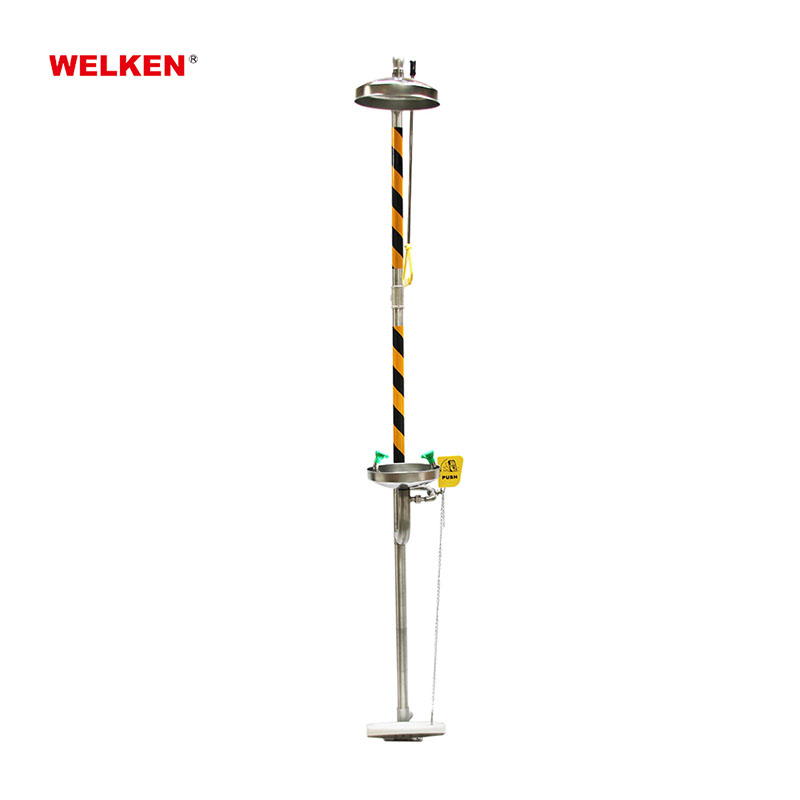
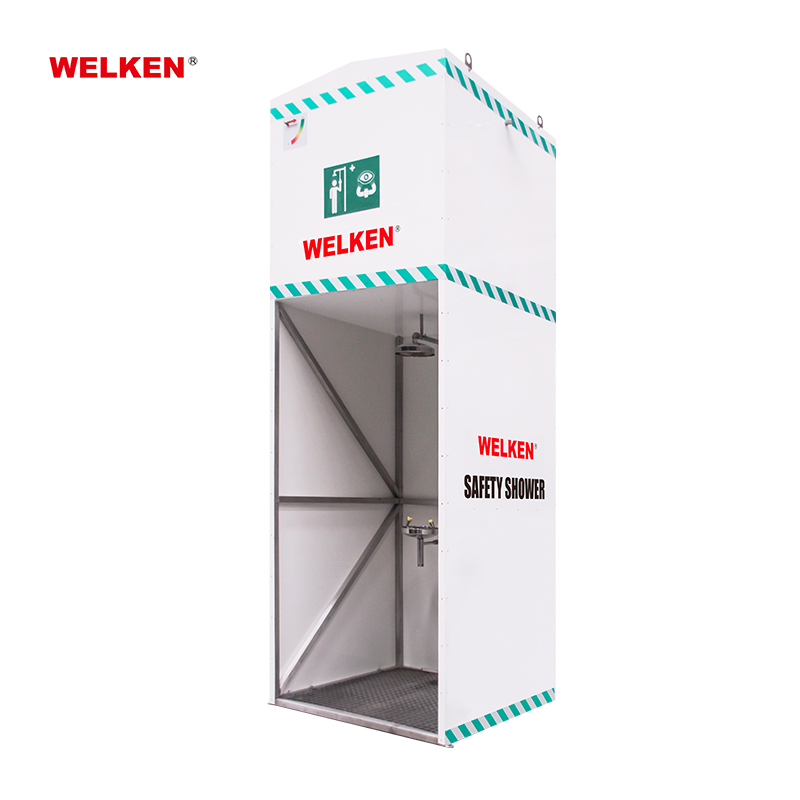
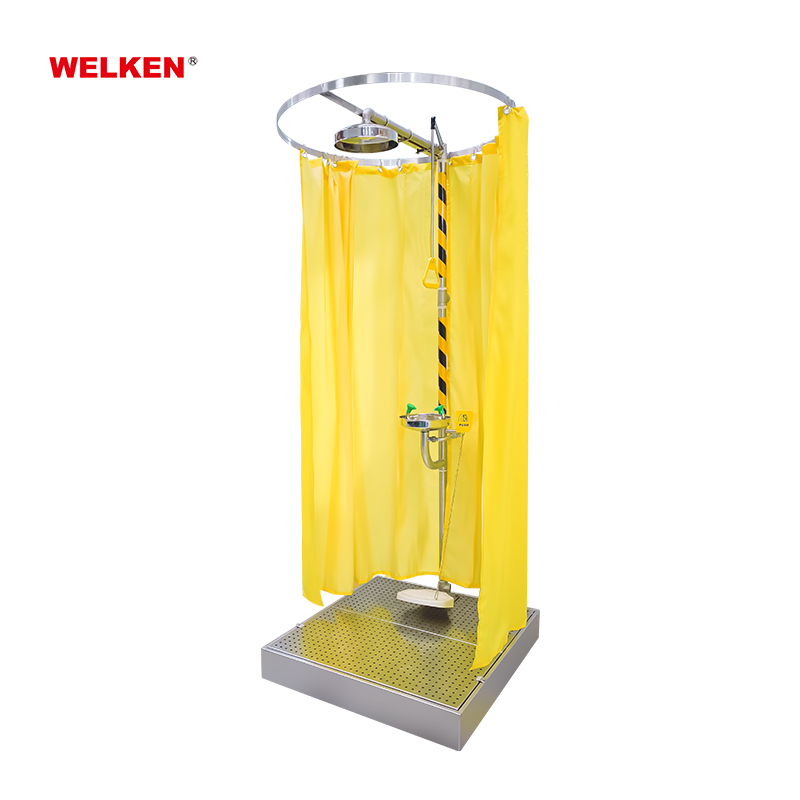
Browse our complete catalog of ANSI and AS 4775 compatible emergency wash, wall-mount, and combination shower installations.