Leave Your Message
When you're choosing an eyewash bottle station, it really pays off to think about emergency readiness—especially in spots where plumbing isn’t available or is a hassle to install. Basically, having sterile rinsing solutions right near your work area means quick response times if dust, chemicals, or debris splash into someone’s eyes. Because, let’s be honest, every second counts in situations like that.
A good station should be easy to spot, clearly labeled, and accessible without having to open a cabinet or dig around. The bottles should stay sealed and within their expiry date, and they need to match the specific hazards workers face—something a safety professional should determine. And don’t forget—regular inspections are key! Regularly checking the solution level, the bottles’ condition, signage, and how easy it is to access all helps prevent delays or hesitation when it matters most.
Now, while an eyewash bottle station is super practical, it’s not a magic fix. These bottles have limited capacity and aren’t meant to replace integral, permanently installed eyewash stations—especially where regulations or risk assessments call for continuous flushing. Plus, if the storage gets messy or bottles are ignored, folks might overlook or skip using them. That’s an important flaw to be aware of.
To make sure you’re really prepared, a reliable safety program should include the right equipment, proper training for workers, clear procedures, and regular documented checks. Always follow the manufacturer’s instructions and current safety guidelines—don’t just go by how things look. In an actual emergency, someone might only have one hand free, poor vision, or very little time to react. Having bottles that are easy to access and use can genuinely make a huge difference.
Ultimately, the best station is one that people can find right away, use correctly without confusion, and trust, especially when everything feels stressful. It’s all about making safety simple, straightforward, and dependable.
What Is an Eyewash Bottle Station?
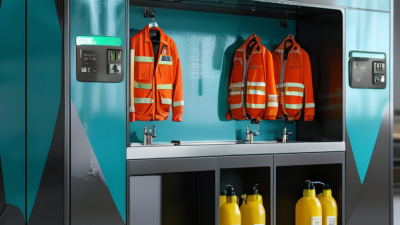
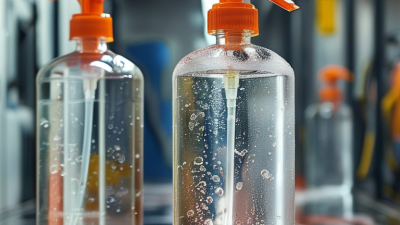
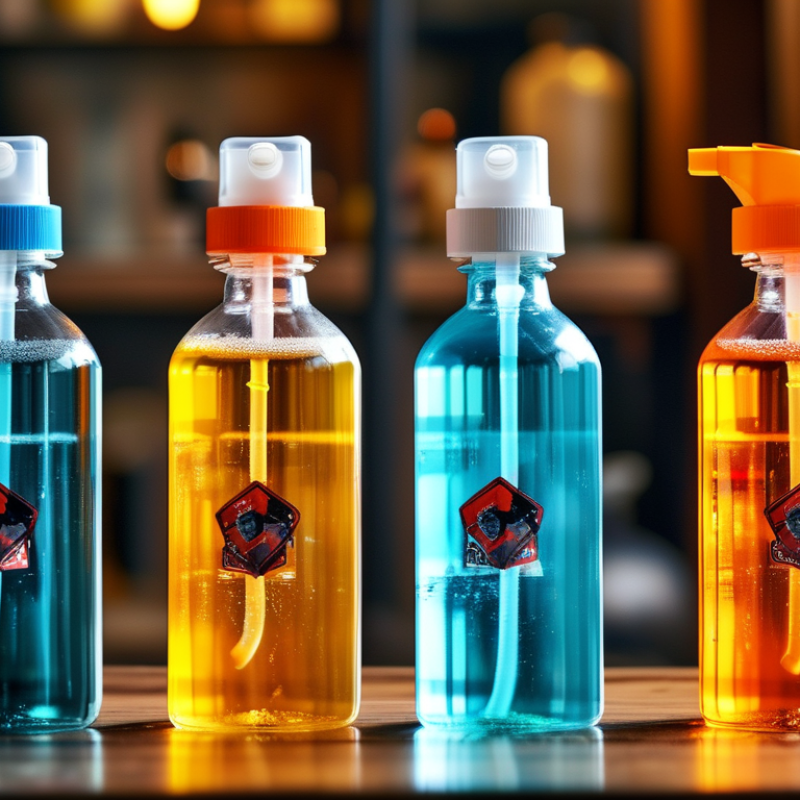
An eyewash bottle station is a compact emergency unit containing sterile rinsing solution. It is designed for immediate flushing after dust, chemicals, or particles reach the eyes. A typical station includes sealed bottles, nozzles, wall brackets, and clear inspection labels. It belongs near chemical work areas, laboratories, workshops, and battery charging points. Placement matters. A worker should reach it within seconds, without opening a cabinet or crossing a spill zone. The Occupational Safety and Health Administration reports that workplace eye injuries cost about $300 million annually in lost productivity, medical treatment, and compensation. That figure shows why early access is not a minor convenience.
The bottles provide first response, but they have limits. The ANSI/ISEA Z358.1 standard describes emergency eyewash performance around a continuous, 15-minute flushing period. Therefore, a bottle station may support immediate irrigation, but it may not replace a compliant plumbed or self-contained eyewash unit where serious exposure is possible. Capacity varies. Check the expiry date, seal, nozzle, solution level, and mounting condition during scheduled inspections. The weak point is easy to miss: a bottle can look prepared while its solution is expired or its cap is blocked. OSHA guidance also stresses suitable facilities for rapid flushing when corrosive materials may contact the eyes or body. In practice, staff need drills, not just equipment. A rushed worker may grab the wrong bottle, close one eye, or stop flushing too soon. That human gap deserves honest attention.
Workplace injuries involving dust, metal particles, or chemical splashes require immediate access to dependable flushing equipment. In environments where hazardous substances are handled, OSHA-focused safety planning and BLS workplace injury data highlight the importance of rapid first aid, clear emergency procedures, and properly positioned eyewash stations. The BD-540C is designed to support these priorities by providing an accessible emergency eye irrigation point for industrial facilities, laboratories, workshops, and processing areas.
Manufactured in China by experienced suppliers, this pedestal-mounted station is constructed from durable 304 stainless steel. The material offers strong resistance to corrosion, wear, and demanding workplace conditions, helping the unit remain reliable through regular use and maintenance. Its instantaneous activation allows affected personnel to begin flushing without delay, helping remove dust, debris, and chemical residue from the eyes while professional medical assistance is arranged when necessary.
For effective workplace safety management, the unit should be installed in a clearly marked, unobstructed location near potential eye hazards. Routine inspections can help confirm that water flow, activation controls, cleanliness, and access remain ready for emergencies. Training employees to recognize the station and use it promptly can further strengthen an emergency response program aligned with OSHA-oriented practices and informed by common injury-prevention needs identified in BLS data.
: It is a compact emergency unit with sealed bottles and sterile rinsing solution. It helps flush dust, chemicals, or particles from the eyes.
Place it near laboratories, workshops, chemical areas, or battery charging points. Workers should reach it within seconds. Avoid cabinets, boxes, tools, and spill paths.
It provides quick flushing support where plumbing is unavailable. The bottles are portable, visible, and simple to replace. Useful, but limited.
Not always. It may support immediate irrigation, but serious exposure may require a compliant emergency unit. Professional medical evaluation may also be necessary.
Emergency eyewash guidance commonly uses continuous flushing for about 15 minutes. A bottle may not contain enough solution for that duration. Check the capacity carefully.
Check the expiry date, seal, nozzle, solution clarity, and bottle level. Also inspect the wall bracket and station visibility. A bottle can look ready while being unusable.
Open the bottle quickly and direct the stream into the affected eye. Keep flushing without stopping too early. Training helps. Panic still happens.
Workers may choose the wrong bottle or close one eye. Someone may ignore a missing bottle because no accident occurred. That weak point deserves attention.
Use clear signs, scheduled inspections, replacement records, and practical drills. Keep the area clean and unobstructed. Equipment alone is not enough.
An Eyewash Bottle Station is a compact emergency solution designed to provide immediate eye irrigation when dust, chemicals, particles, or other irritants enter the eyes. It typically includes accessible bottles filled with sterile eyewash fluid, allowing users to rinse their eyes quickly before professional medical assistance is available. This makes it especially useful in laboratories, workshops, industrial areas, educational facilities, and other environments where eye hazards may occur.
The main benefits include fast access, simple operation, portability, and support for workplace emergency planning. To remain effective, eyewash bottles should be installed in clearly marked, unobstructed locations near potential hazards, while users should receive basic instructions on how to operate them. Regular inspections are essential to check seals, fluid condition, cleanliness, and expiration dates. When selecting an Eyewash Bottle Station, consider the types of hazards present, the number of users, installation space, bottle capacity, visibility, accessibility, and the practicality of ongoing replacement and maintenance.