Leave Your Message
0%

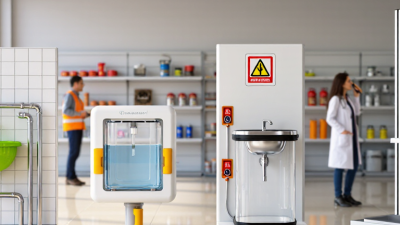
So you're looking for the right Eye Wash supplier in China? It's not just about price tags or pretty product pics. Buyers worldwide need gear they can rely on, paperwork that's clear, and suppliers who actually get workplace safety rules. That's where this guide, 'China Top 10 Eye Wash Suppliers for Global Buyers,' comes in. It highlights manufacturers with real production experience, export know-how, and hands-on product knowledge.

We look at emergency eyewash stations, combo units, portable bottles, and other safety gear. Also material quality, spray performance, drainage, packaging, customization, and after-sales support. The little things count. A stainless steel bowl? It should hold up against corrosion. A pull rod? It should work smoothly even if you're wearing gloves. And product testing plus factory QC should be explained clearly, not just claimed.

The companies picked here might work with labs, factories, construction sites, schools, and chemical plants. Their international order experience can help with specs, shipping docs, installation advice, and replacement parts. Still, no supplier is perfect. Rankings can oversimplify things, because every buyer's needs are different. So check certifications, test reports, production capacity, and current compliance yourself.

Real buying decisions often come down to small stuff. Can the supplier give you a clear flow-rate spec? Is the packaging tough enough for long-distance shipping? Does the sales team actually answer technical questions correctly? Those questions help you tell dependable partners from fly-by-night sellers. The overview below is a practical starting point. But please do your own homework too: site inspections, samples, and confirming requirements with qualified safety pros before you order.
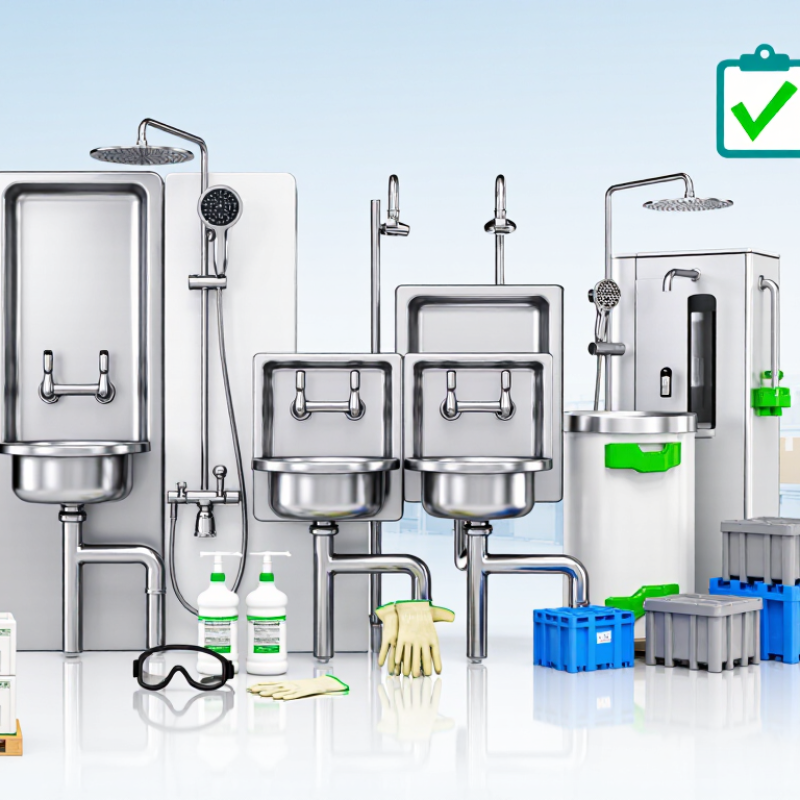
China Top 10 Eye Wash Suppliers for Global Buyers

China’s Eye Wash Supplier Market and Its Role in Global Trade

China’s eye wash supplier market has become an important link in global safety-equipment trade. UN Comtrade data places China among the major exporters of liquid-projecting equipment under HS 8424. However, this code includes more than eye wash units. The market is not perfectly measured. That limitation matters.

Industry assessments published by Grand View Research estimate steady growth in the global emergency eyewash station market, with annual expansion commonly projected around 4% to 6%. Demand comes from laboratories, chemical plants, workshops, and construction sites. Chinese suppliers support this demand with stainless-steel bowls, wall-mounted units, portable bottles, and combined shower stations. Experienced buyers should check flow performance, drainage design, corrosion resistance, and spare-part availability. A low price alone proves little.

Tips: Ask for recent inspection records, material certificates, and test videos showing both outlets operating. Verify compliance with ANSI/ISEA Z358.1 or the buyer’s local standard. The standard generally requires flushing for 15 minutes with tepid water. Suppliers should also explain weekly activation checks and shipment packaging. In practice, cartons may look strong while internal fittings arrive damaged. Photos before dispatch help, but they are not a complete quality system.

Key Product Types Offered by Chinese Eye Wash Manufacturers

China Top 10 Eye Wash Suppliers for Global Buyers

Chinese eye wash manufacturers provide several product types for laboratories, factories, warehouses, and construction sites. OSHA training materials cite more than 1,000 workplace eye injuries daily in the United States, while proper protection could prevent about 90% of them. This risk explains the demand for dependable emergency equipment.

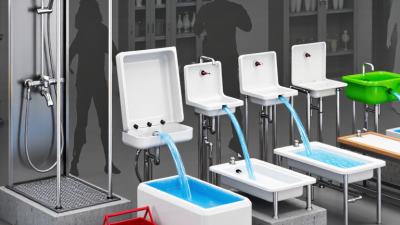
Portable squeeze bottles suit vehicles, remote work areas, and temporary installations. Wall-mounted gravity stations save space and support quick access near chemical handling points. Plumbed eyewash units deliver continuous water and are better for permanent facilities. Many Chinese suppliers also produce combination stations with an eyewash bowl and safety shower. Outdoor models may include insulation or heating cables for cold climates.

An Eye Wash Tap can connect emergency rinsing to a laboratory or industrial sink. However, a tap attachment alone may not satisfy every workplace requirement. Buyers should check ANSI/ISEA Z358.1 or EN 15154 specifications, including a 15-minute flushing period, suitable flow, and tepid water. Stainless steel models resist corrosion, while ABS plastic units reduce cost and weight. One weakness remains: catalog claims can sound exact, but real performance depends on installation, water pressure, drainage, and testing. WHO’s World Report on Vision estimates that at least 2.2 billion people have near or distance vision impairment, reinforcing the need for practical eye protection and rapid response equipment.

China Top 10 Eye Wash Suppliers for Global Buyers - Key Product Types Offered by Chinese Eye Wash Manufacturers

No. Key Product Type Typical Configuration Common Materials Primary Application Relevant Design or Compliance Reference Important Buyer Considerations
1 Wall-Mounted Eye Wash Station Wall bracket, bowl, spray head assembly, push plate or pull handle, and connection to a potable-water supply. 304 stainless steel, 316 stainless steel, ABS plastic, or coated carbon steel. Laboratories, workshops, schools, clinics, and indoor industrial work areas. ANSI/ISEA Z358.1 design criteria are commonly used for emergency eyewash equipment. Check mounting height, pipe connection size, water pressure, bowl dimensions, and accessibility from the hazard area.
2 Deck-Mounted Eye Wash Compact eyewash unit installed on a countertop or laboratory bench, usually with a single activation handle. Stainless steel, brass with protective coating, ABS, and chemical-resistant elastomers. Laboratories, medical facilities, cleanrooms, and areas with limited wall space. Often specified against ANSI/ISEA Z358.1 performance and activation requirements. Verify countertop thickness, hole pattern, water inlet position, drainage arrangement, and compatibility with laboratory chemicals.
3 Pedestal or Floor-Mounted Eye Wash Freestanding vertical column with a wide bowl, twin spray heads, foot pedal or hand activation, and floor anchoring. 304 or 316 stainless steel, galvanized steel, and epoxy-coated steel. Manufacturing plants, chemical processing facilities, warehouses, and outdoor or open-floor work zones. ANSI/ISEA Z358.1 is a common procurement reference; local plumbing codes may also apply. Assess floor stability, anchor-bolt layout, drainage, corrosion resistance, and protection from forklift traffic.
4 Combination Safety Shower and Eye Wash Emergency shower head mounted above an eyewash bowl with a shared water supply and separate activation controls. Stainless steel, galvanized steel, brass, ABS, and corrosion-resistant spray components. High-risk chemical, pharmaceutical, metal-finishing, battery, and industrial processing sites. ANSI/ISEA Z358.1 is widely referenced for both emergency shower and eyewash performance. Confirm simultaneous-flow capacity, supply-pipe sizing, drainage, installation clearance, and freeze protection where required.
5 Portable Gravity-Feed Eye Wash Self-contained tank with an integrated eyewash nozzle, activation mechanism, wall bracket, and refill opening. High-density polyethylene, polypropylene, stainless steel hardware, and medical-grade seals. Temporary work sites, remote locations, construction zones, and areas without a permanent water connection. Many models are designed with reference to ANSI/ISEA Z358.1; certification status must be verified for each model. Review tank capacity, required flushing duration, solution shelf life, refill procedure, temperature range, and inspection schedule.
6 Portable Pressurized Eye Wash Sealed pressure vessel with a fill port, pressure gauge, eyewash hose or spray head, and carrying or mounting handle. Stainless steel or coated steel pressure vessel, polyethylene components, and chemical-resistant tubing. Mobile maintenance teams, transportation facilities, field service operations, and locations with intermittent water access. Pressure-vessel safety requirements and ANSI/ISEA Z358.1 performance criteria may both be relevant. Check pressure rating, relief-valve design, charging method, inspection requirements, portability, and approved flushing solution.
7 Heated or Freeze-Protected Eye Wash Plumbed eyewash equipped with heat tracing, insulated piping, thermostatic control, or an integrated heated enclosure. 316 stainless steel, insulated stainless tubing, weather-resistant enclosures, and industrial heating elements. Cold-climate factories, outdoor storage yards, oil and gas facilities, mining sites, and winter construction projects. ANSI/ISEA Z358.1 may be used together with applicable electrical, plumbing, and freeze-protection requirements. Confirm operating temperature range, heater wattage, thermostat settings, electrical protection, insulation, and maintenance access.
8 Stainless Steel Laboratory Eyewash Compact bench, wall, or sink-mounted configuration with fine spray control and a corrosion-resistant bowl. 304 stainless steel for general use; 316 stainless steel for stronger chemical and chloride resistance. Research laboratories, universities, testing centers, hospitals, and pharmaceutical production areas. ANSI/ISEA Z358.1 is commonly specified; laboratory plumbing and hygiene requirements may also apply. Evaluate weld quality, polishing, spray-pattern uniformity, chemical compatibility, drain connection, and cleaning access.
9 Outdoor and Corrosion-Resistant Eye Wash Weather-resistant freestanding or wall-mounted unit with protective coating, dust covers, signage, and optional insulation. 316 stainless steel, powder-coated steel, UV-resistant plastics, and corrosion-resistant fasteners. Marine terminals, chemical storage areas, wastewater plants, mining operations, and outdoor manufacturing sites. ANSI/ISEA Z358.1 may be combined with site-specific environmental, marine, and corrosion-control specifications. Consider salt spray, ultraviolet exposure, dust, rainfall, drainage, visibility, vandal resistance, and seasonal temperature changes.
10 Dual-Head Hose or Handheld Eye Wash Flexible hose with a dual-head spray assembly, squeeze handle, wall holder, and optional dust caps. ABS or polypropylene spray heads, EPDM or silicone seals, stainless steel fittings, and reinforced hose. Laboratories, dental facilities, workshops, production lines, and localized chemical-handling stations. Performance and activation should be reviewed against ANSI/ISEA Z358.1 and the buyer’s local requirements. Check hose length, spray-head ergonomics, backflow prevention, mounting position, flow control, and resistance to the handled chemicals.
Note: Product availability, configuration, certification, and customization options vary by manufacturer and model. Buyers should request current technical drawings, test reports, material certificates, and compliance documentation before purchase.

How to Evaluate China’s Top Eye Wash Suppliers

Evaluating China’s top eye wash suppliers requires more than comparing prices. Start with product purpose, user environment, and expected shelf life. A reliable supplier should explain its formulation, filling process, and quality controls in clear language. Ask for batch records, ingredient specifications, and recent testing reports. Vague answers deserve caution.

Inspect the manufacturing site when possible, either in person or through an independent audit. Look for clean filling areas, sealed packaging, calibrated equipment, and trained operators. Check whether each bottle carries a lot number, expiry date, volume, and storage guidance. Request samples from different production batches. Small details matter. Caps should close evenly, labels should remain readable, and the liquid should appear consistent.

Supplier experience also shows in practical communication. Test how quickly the team answers technical questions, handles a damaged carton, and confirms lead times. Review production capacity, minimum order quantities, export experience, and shipping protection. I once focused too heavily on unit cost and overlooked weak carton design. The cheaper shipment created extra inspection work. That mistake still influences my checklist. A supplier may present polished certificates, but current evidence matters more than attractive promises. Compare documents with sample results, factory observations, and references from similar buyers. Leave room for uncertainty, especially when a supplier cannot explain a specification without changing the subject.

Quality Standards and Certifications for International Buyers

When comparing China’s top 10 eye wash suppliers, international buyers should examine quality evidence, not catalogue claims. A reliable Eye Wash Kit should include clear flow testing, corrosion-resistant materials, and stable spray patterns. Ask for recent inspection reports, batch records, and product drawings. Photos alone are not enough.

Certification must match the product and destination market. ISO 9001 shows a controlled quality management system, but it does not prove every product is safe. ISO 13485 may apply when the product falls within a medical device scope. Buyers should also review EN 15154 or ANSI/ISEA Z358.1 test compliance, where relevant. CE marking requires careful verification, including the applicable European rules and technical file. Certificates should show the manufacturer, model, test date, and issuing body. Some documents look official but lack traceable details. That deserves a second review.

Tips: Request a sample before signing a large order. Measure water flow with a simple timer and container. Check the sealing cap, drain area, labels, and carton strength. Confirm whether spare parts are available. Audit the factory’s calibration records if possible. A supplier may pass one inspection yet show weak packaging control later. This is why independent testing and a written acceptance checklist remain valuable. Small details matter, especially when equipment sits unused for months.

Comparing Supplier Capabilities, Pricing, and Customization Options

China Top 10 Eye Wash Suppliers for Global Buyers

Comparing Supplier Capabilities, Pricing, and Customization Options

A capable Eye Wash Unit supplier should explain flow rate, bowl depth, pipe material, and drainage design clearly. In practical sourcing, stainless steel 304 is common for indoor stations, while coated steel may suit controlled budgets. Ask for factory photographs, inspection records, and a sample before approving bulk production. A sample often reveals weak welds or stiff handles.

Pricing changes with material thickness, valve quality, packaging, and order volume. A basic wall-mounted unit may cost less, but freestanding models usually require stronger frames and larger shipping cartons. Request separate prices for the product, spare parts, testing, and delivery. This prevents a low factory quote from hiding later expenses. Confirm minimum order quantities and sample charges in writing.

Customization can include warning labels, mounting plates, pipe lengths, colors, and private packaging. Strong suppliers provide drawings before production and accept measurable revisions. They should also explain pressure testing and final inspection procedures. Some suppliers respond quickly but offer limited engineering support. Others design well but move slowly. Neither option is perfect. A careful buyer should compare response quality, not only price. I would also recheck every specification after translation, because a small wording error can change the finished unit.

China Top 10 Eye Wash Suppliers for Global Buyers

Comparing supplier capabilities, pricing, and customization options through objective ANSI/ISEA Z358.1 performance benchmarks

15 min Minimum continuous flushing duration
10 sec Maximum distance from the hazard area
60–100°F Required tepid-water temperature range
ANSI/ISEA Common compliance reference for buyer evaluation

The chart shows the minimum flow requirements used as a factual baseline when comparing shortlisted suppliers. A plumbed eyewash station requires at least 0.4 gallons per minute, while an eye/face wash unit requires at least 3.0 gallons per minute. Pricing and customization should be evaluated after confirming compliance, materials, certification documents, delivery time, private-label support, and installation requirements.

Import, Inspection, and Distribution Considerations for Global Buyers

Selecting China’s top 10 eye wash suppliers requires more than comparing prices. Global buyers should examine factory audits, export experience, testing records, and spare-parts support. ISO 9001 certification helps, but it does not prove product performance. Request batch numbers, material declarations, and recent inspection reports. A stainless-steel basin should have smooth welds, protected spray heads, and a clearly marked activation handle.

ANSI/ISEA Z358.1 requires emergency eyewash equipment to provide flushing for at least 15 minutes. Inspectors should test water flow, spray coverage, drainage, and activation time. Test a sample after long-distance transport. Vibration can loosen fittings. This is often missed. Product photographs are not enough. I would also check whether the Eye Wash Sink remains usable with gloves and limited visibility. Local workplace rules may require additional features, so buyers should confirm requirements before shipment.

Import planning needs equal attention. Use current HS classifications, commercial invoices, packing lists, and certificates of origin. ITC Trade Map and UN Comtrade can help compare China’s recent export patterns, but trade data may group different products together. Do not treat a high shipment value as proof of quality. The World Bank’s 2023 Logistics Performance Index gave China a score of 3.7 out of 5, yet inland delivery delays can still affect project schedules. Select suppliers with reinforced packaging, moisture protection, and documented pre-shipment inspection. For distribution, keep replacement valves and spray heads locally. A low purchase price can become expensive after one missing component.

FAQS

What quality evidence should international buyers request from an eye wash supplier?

Request recent inspection reports, batch records, product drawings, and flow-test results. Photos alone are weak evidence. Check traceability.

Which certifications and safety documents deserve review?

Match each document to the product and destination market. Review quality-system certification, medical-device certification, and applicable safety testing. Verify the manufacturer, model, test date, and issuing body. A certificate without traceable details needs another review.

How can buyers test water flow before placing a large order?

Order a sample. Use a timer and container to measure water flow. Observe spray stability, the sealing cap, and the drain area. Simple testing helps, but it is not a complete laboratory assessment.

Which materials and construction details should buyers compare?

Check stainless steel grade, coated metal suitability, bowl depth, pipe material, weld quality, and frame strength. Touch the handle. It should move smoothly. A sample may reveal problems hidden in catalogue images.

How should buyers compare supplier pricing fairly?

Request separate prices for the unit, spare parts, testing, packaging, and delivery. Compare material thickness and order volume. A low quote may hide later expenses. The cheapest option is not always the clearest one.

What customization options are practical for international orders?

Ask about warning labels, mounting plates, pipe lengths, colors, and private packaging. Require production drawings before approval. Recheck translated specifications. Tiny wording errors can change the finished unit.

What factory checks are useful before signing a purchase agreement?

Review calibration records, final inspection procedures, factory photographs, and packaging controls. Confirm spare-part availability, sample charges, and minimum order quantity. One inspection is not enough. No checklist is perfect.

Why should packaging receive separate attention?

Strong cartons protect larger freestanding units during shipping. Check carton strength and internal protection. A supplier may pass product inspection yet show weak packaging control later. That risk is easy to underestimate.

Conclusion

China has become an important source of Eye Wash products for global buyers, supported by a broad manufacturing base, competitive pricing, and flexible production capabilities. Chinese manufacturers commonly offer portable eye wash bottles, wall-mounted stations, laboratory units, emergency drench systems, and customized solutions for industrial, medical, educational, and commercial environments. Their ability to produce different materials, capacities, operating methods, and packaging formats allows buyers to match products with specific workplace and distribution requirements.

When evaluating suppliers, international buyers should review manufacturing experience, quality-control procedures, product testing, certifications, and compliance with relevant destination-market standards. A careful comparison should also consider pricing, minimum order quantities, lead times, customization options, spare parts, and after-sales support. Import planning is equally important, including documentation, product inspection, packaging protection, shipping arrangements, customs requirements, and local distribution. By assessing supplier capabilities comprehensively rather than focusing only on price, buyers can establish reliable sourcing partnerships and obtain safe, consistent, and commercially suitable Eye Wash solutions.
Ethan

Ethan

Ethan is a dedicated marketing professional at Marst Safety Equipment (Tianjin) Co., Ltd., where he plays a pivotal role in advancing the company's mission to protect individuals through high-quality personal protective equipment (PPE). With a strong focus on research and development, Ethan......
Previous How to Choose Emergency Eyewash Equipment for Global Buyers?