Leave Your Message
0%

For buyers around the world, a Plug Valve Lockout Device isn’t just a plastic cover thrown over a valve. It’s really a clear barrier that keeps stored energy away from anyone operating the equipment. OSHA’s standard on controlling hazardous energy—29 CFR 1910.147—is still the main reference point here. When OSHA talks about lockout/tagout procedures, they mention that following proper protocols can prevent roughly 120 deaths and 50,000 injuries every year. In fact, the U.S. Bureau of Labor Statistics reported over 5,200 fatal work-related injuries in 2023. That really puts the importance of choosing the right device into perspective—so, it’s about making sure the device actually fits the valve, not just looking like it does. It’s gotta work properly, not just look compliant at first glance.

This guide walks through ten common types of lockout devices. We’re talking about different sizes and styles for quarter-turn, rising-stem, flanged, and even some specialty plug valves. We look at adjustable covers, universal lockouts, cable systems, chain setups, handle clamps, and custom-made enclosures. Plus, we check important stuff like whether the lockout aligns with the lock-hole, how much space the jaw has, if it can stand up to corrosion, handle extremes of temperature, and if the tag remains visible. HSE’s HSG253, which covers safe isolation of plant and equipment, really emphasizes the importance of verified isolation, controlled release, and clear labels. You’ll also find useful guidance in API 6D and ASME B16.34, which give additional insight into valve design and pressure boundaries—helpful when choosing the right gear based on actual field conditions.

Say, in a refinery, you might need a stainless steel cable wrapped around a busy actuator. At a water treatment plant, a small, simple clamp for a handwheel might do the trick. It’s those little details that matter—material compatibility, who’s allowed to access the device, and emergency procedures can all tilt the decision one way or another. There’s no one-size-fits-all answer, and not every claim can be taken at face value—especially for extreme temperatures or corrosive environments. Buyers should really compare drawings, look at test results, and ensure their suppliers can trace the products back to the source before making a decision. Doing your homework turns a simple catalog pick into a safer and smarter purchase.
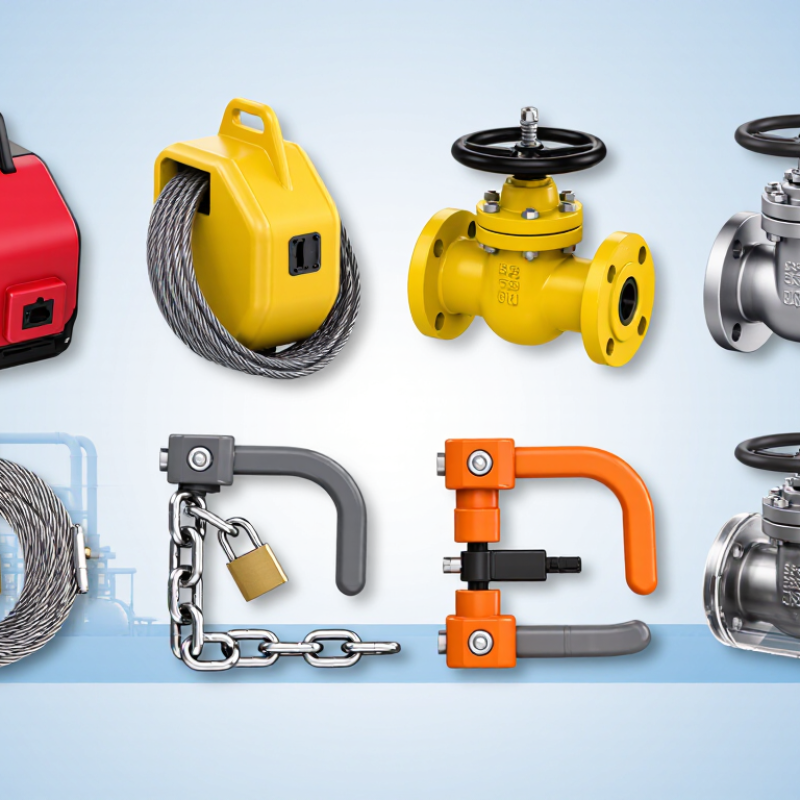
Top 10 Plug Valve Lockout Device Types for Global Buyers?

What Is a Plug Valve Lockout Device and Why Is It Needed?

What Is a Plug Valve Lockout Device and Why Is It Needed?

A Plug Valve Lockout device secures a plug valve’s handle so it cannot be turned during maintenance or cleaning. Many plug valves use a quarter-turn action. A worker may mistake a closed handle for a safe system, even when pressure or hazardous material remains inside. A fitted lockout device holds the operating position and provides a point for a personal safety padlock. It makes the isolation visible. It does not prove the line is depressurized.

The need is measurable. OSHA’s Control of Hazardous Energy guidance estimates that compliance with lockout/tagout requirements could prevent 120 fatalities and 50,000 injuries each year. These figures cover hazardous energy control broadly, not plug valves alone. Still, they show why a small locking step matters. Before work begins, workers should identify every energy source, isolate the valve, apply locks, and verify the safe condition using the site’s procedure.

Fit matters in the field. Valve handles differ in shape, travel, and clearance, while dirt or corrosion can make a device sit poorly. A lockout that looks secure but shifts under pressure is not enough. Check compatibility with the specific valve, confirm the handle cannot move, and test the isolation through approved verification steps. One detail is easy to miss: a locked valve can still leak. Use the device as part of a complete energy-control procedure, not as a substitute for it.

How Plug Valve Lockout Devices Work Across Valve Designs

Plug valve lockout devices prevent the handle or stem from turning during maintenance. The right design depends on the valve’s shape, travel, and available clearance. A quarter-turn plug valve may accept a cover that encloses its handle, while other models need an adjustable clamp or cable restraint. Some devices block the stem directly. Others secure the operating lever against a fixed point. Fit matters. A loose device can leave room for movement, especially on crowded pipework where nearby fittings limit access.

Before selecting a device, identify the valve type and check its dimensions against the lockout instructions. Confirm that the device cannot be removed or shifted while locked, and verify the valve remains in the intended position. That detail is easy to miss.

A plug valve lockout controls mechanical movement; Electrical Plug Lockout devices address electrical plugs and do not secure a valve handle.

During installation, inspect the stem, handle, and mounting surface for wear or obstruction. If the device rocks, binds, or fails to engage fully, stop and reassess the fit. Real installations are not always tidy, and a model that works on a bench may not clear nearby pipework.

The Top 10 Plug Valve Lockout Device Types Explained

Plug valve lockout devices vary because handles, stems, and body clearances differ. A compact handle cover encloses a small lever. An adjustable lever clamp grips different handle widths. A wrench-head lockout blocks operation where a removable wrench turns the stem. An enclosed handle housing shields the control from accidental movement. A universal rotary device uses adjustable arms to restrain the handle. Check the valve’s travel before choosing one.

Other options address less common layouts. A cable lockout passes through or around suitable operating points. A multi-valve cable setup secures several controls during one maintenance task. A plug-style sleeve fits over selected stem or handle shapes. A custom-sized lockout can suit unusual dimensions, but requires careful measurement. A hasp-compatible device allows multiple workers to attach personal locks. Fit matters more than the product name. Still, naming can be messy. With Plug Lockout Tagout procedures, verify that the device prevents movement without damaging the valve, and confirm the isolated equipment cannot be restarted. A slight mismatch can leave a gap, so inspect the installed device before work begins.

Top 10 Plug Valve Lockout Device Types for Global Buyers

A practical comparison of common device categories by functional adaptability.

The 1–5 adaptability index is a qualitative comparison, not a standardized test, market ranking, or manufacturer specification. Higher scores indicate broader potential fit across handle or valve configurations. Confirm device compatibility with the valve’s dimensions, operating method, and lockout procedure before use.

Key Differences in Compatibility, Materials, and Operating Methods

Plug valve lockout devices differ in fit, material, and how they secure the handle. A clamp-style device grips the lever, while a cable model can loop through several points when space is limited. Some covers enclose the handle and accept a lock; others block movement with a pin or adjustable arm. Check the valve’s handle shape, travel range, and clearance before selecting a type. A device that fits a round handle may not fit a long, flat lever.

Materials matter in damp, dusty, or washdown areas. Reinforced polymer is light and resists many common chemicals, while metal options can handle rougher impacts but may corrode if poorly suited to the environment.

Lockout Tagout Plug Locks should be evaluated for the plug valve’s actual dimensions and the site’s lockout procedure, not just a catalog photo. Fit can be surprisingly awkward. Trial fitting helps reveal interference with nearby pipes or guards.

Tips: Confirm the valve is in the required safe position, then test that the device prevents operation. Keep the key or lock arrangement consistent with site procedures. Record any mismatch; small gaps deserve a second look.

Global Safety Standards for Plug Valve Lockout Equipment

Top 10 Plug Valve Lockout Device Types for Global Buyers?

Global Safety Standards for Plug Valve Lockout Equipment

Plug valve lockout devices must prevent the handle from turning and keep the valve in its isolated position. There is no single global certification covering every plug valve lockout device. ISO 14118:2017 addresses prevention of unexpected machine start-up, including hazards from stored energy. Buyers should check how local rules apply alongside this international reference.

The ILO’s 2023 report, A Call for Safer and Healthier Working Environments, estimates nearly 3 million work-related deaths and 395 million nonfatal work injuries worldwide each year. Those figures underline why isolation procedures need practical, verifiable controls. A device should fit the valve’s handle and stem, resist the site’s chemicals, and remain identifiable during maintenance. Test the fit on the actual valve. Catalog dimensions can mislead.

Requirements vary by jurisdiction. In the United States, OSHA’s control-of-hazardous-energy rule, 29 CFR 1910.147, requires employers to establish energy-control procedures; it is not a universal product approval. Global buyers should confirm local obligations, training needs, and compatibility with their written lockout process. A sturdy clamp may still fail if workers can bypass it. That detail deserves review.

How Buyers Can Select and Source the Right Device Worldwide

Plug valve lockout devices differ in how they fit the handle, stem, or operating area. A buyer should identify the valve type, handle dimensions, and available clearance before comparing options. A device that looks suitable in a catalogue may not fit a crowded pipe rack. Measure the handle width and note nearby obstacles. Photos can help suppliers assess fit, but measurements are more reliable.

For worldwide sourcing, send suppliers the valve model, dimensions, material requirements, and expected temperature range. Ask for drawings, installation instructions, and sample units when practical. Check that packaging protects small parts during long-distance shipping, and confirm lead times and replacement-part availability. Request written confirmation of compatibility. This step can feel tedious, but it may prevent delays on site. Requirements vary by facility, so involve the people who will install and maintain the device.

Tips: Test the lockout on an isolated, non-operational valve before purchase approval. Keep a record of the measured fit and any installation issues. One detail is easy to miss: gloves can make a tight-fitting device harder to handle.

Top 10 Plug Valve Lockout Device Types for Global Buyers? - How Buyers Can Select and Source the Right Device Worldwide

# Device Type Typical Application How It Prevents Operation Key Selection Checks Sourcing Considerations
1 Plug valve handle lockout Manual plug valves with a removable or fixed lever handle. Encloses or blocks the handle so it cannot be turned; a lock secures the device in place. Check handle length, width, thickness, travel path, and available clearance around the valve. Request a dimensional drawing and confirm compatibility with the actual valve and handle assembly.
2 Universal adjustable handle lockout A range of lever-operated plug valves with differing handle dimensions. Adjustable jaws or a movable blocking section restrain the handle in the required safe position. Compare the device's adjustment range with measured handle dimensions and valve orientation. Confirm adjustment instructions, lock-hole size, material, and compatibility with local padlocks.
3 Adjustable cable lockout Valves with unusual shapes, restricted access, or multiple handles requiring restraint. A cable is routed through or around suitable points and tightened with a lockable body to limit movement. Check cable length, flexibility, resistance to the work environment, and whether the routing prevents movement in both directions. Ask for cable construction and usable length; verify the arrangement on the specific valve before purchase.
4 Lockout for removable valve handles Plug valves designed with a removable operating handle or wrench. Secures the removed handle or covers the operating stem or drive point to deter reattachment or operation. Confirm the handle is intended to be removable and identify the stem or drive geometry and any exposed edges. Check the valve manufacturer's operating arrangement and obtain a fit test for the stem or handle interface.
5 Custom-fabricated handle restraint Non-standard, large, or site-specific plug valve handles not covered by off-the-shelf devices. A purpose-designed bracket or guard immobilizes the operating member and provides a lockable point. Supply accurate measurements, photographs, valve orientation, operating travel, and required lockout position. Agree on drawings, material, corrosion protection, testing, and replacement-part availability before production.
6 Multi-person lockout hasp with restraint device Manual plug valves where several workers need to apply personal locks. The restraint secures the handle; a hasp allows multiple authorized workers to attach individual padlocks. Verify the restraint is suitable for the valve and the hasp accommodates the required number and size of locks. Check lock-hole diameter, hasp capacity, corrosion suitability, and site lockout procedures.
7 Lockable guard or enclosure Exposed manual operating mechanisms that can be enclosed without obstructing nearby equipment. A secured cover restricts access to the handle or operating point. Check enclosure dimensions, ventilation or drainage needs, visibility of valve position, and safe access for maintenance. Specify indoor or outdoor exposure, temperature range, corrosion conditions, and mounting requirements.
8 Gearbox or handwheel lockout Gear-operated plug valves with a handwheel or gearbox input. A compatible restraint blocks movement of the handwheel or access to the gearbox operating input. Measure handwheel diameter and thickness, assess gear orientation, and check access and clearance. Confirm device suitability for the specific gearbox arrangement; do not assume a handwheel device fits every geared valve.
9 Electrical isolation lockout for actuated valves Electrically actuated plug valves where the actuator could move the valve during service. A suitable lockout secures the electrical isolating device; the actuator's stored energy and control circuits must also be addressed. Identify the correct energy-isolating point and follow the equipment's electrical isolation and verification procedures. Select for the actual disconnect or breaker design and applicable site regulations; a valve handle lockout alone is not electrical isolation.
10 Pneumatic or hydraulic energy isolation lockout Plug valves operated by pneumatic or hydraulic actuators. A compatible lockout secures the energy-supply isolation point; pressure must be relieved and stored energy addressed as required. Identify supply type, isolation valve or disconnect, pressure-release method, and actuator fail position. Confirm the device fits the installed isolation point and establish a procedure for verifying zero energy before work.

Buyer note: Device fit depends on the valve, operating mechanism, installation clearance, and site lockout procedure. Verify dimensions and energy-isolation requirements before ordering; a mechanical handle restraint does not replace isolation of electrical, pneumatic, hydraulic, or process energy where required.

FAQS

What is a plug valve lockout device?

It secures a plug valve handle, preventing unwanted turning during maintenance or cleaning. Many plug valves use quarter-turn movement.

Why is this device needed?

It helps prevent accidental valve operation while workers inspect or service equipment. The locked position also makes isolation visible.

Does a locked valve prove the line is safe?

No. A locked valve does not prove depressurization or complete isolation. Workers must verify the safe condition through approved procedures.

What should workers do before applying the device?

Identify every energy source, isolate the valve, apply personal locks, and verify the system condition. Follow the site’s energy-control procedure.

How can buyers check whether a device will fit?

Measure the handle width, operating travel, and nearby clearance. Check pipes, brackets, corrosion, and other obstacles around the valve.

Are catalogue pictures enough for choosing a device?

No. A pictured device may fail in a crowded pipe rack. Measurements and photographs provide better fit information.

What information should buyers send to suppliers?

Provide the valve model, dimensions, materials, temperature range, and clearance details. Request drawings, instructions, samples, and written compatibility confirmation.

What should be checked after installation?

Confirm the handle cannot move and inspect the device for shifting. Test isolation using approved verification steps. Gloves may make tight devices harder to handle.

What common mistake should users avoid?

Do not treat the lockout as a complete safety system. A locked valve can still leak, and fit checks are easy to skip.

Conclusion

A Plug Valve Lockout Device helps secure a plug valve in a designated position during maintenance or other controlled work, reducing the risk of unintended operation. Different valve designs call for different lockout approaches, so devices may vary in their fit, adjustment range, materials, and method of attachment. This overview explains how lockout equipment works with common plug valve configurations and introduces ten device types, from adjustable covers and clamp-style units to models designed for particular valve shapes or operating handles.

Choosing the right device involves checking valve dimensions, operating method, installation conditions, durability needs, and compatibility with the site’s established safety procedures. Buyers should also review applicable safety standards and documentation for their region, verify fit before purchase, and consider supply, replacement, and support needs when sourcing internationally. A careful comparison helps organizations select practical equipment that suits both the valve and the work environment.

Lila

Lila

Lila is a dedicated marketing professional at Marst Safety Equipment (Tianjin) Co., Ltd., where she plays a pivotal role in promoting the company’s commitment to personal safety through innovative protective equipment. With a deep understanding of the products offered, Lila excels in highlighting......
Previous China Top Lockout Hasps Manufacturers for Global Buyers