Let’s be real—choosing among China’s top 10 Eyewash Bottle Station suppliers isn’t just about comparing prices or staring at catalog photos. You need a partner who actually knows what they’re doing: real, hands-on manufacturing experience, consistent quality control, a support team that actually gets back to you, and documentation that doesn’t leave you guessing. You know, the International Labour Organization’s 2023 estimates are pretty sobering—around 2.93 million work-related deaths every year, plus another 395 million non-fatal occupational injuries worldwide. Those numbers really make you stop and think. Even if you’re just running a small lab or workshop, this is exactly why emergency response equipment shouldn’t be an afterthought. It deserves a proper look, honestly.
Honestly, standards matter—probably more than we like to think. OSHA's 29 CFR 1910.151(c) is pretty direct: you need suitable facilities to quickly flush hazardous substances from your eyes and body. And then there's ANSI/ISEA Z358.1-2014, which goes into a lot more detail about eyewash performance, accessibility, flow, and testing. So in this piece, I'll be comparing ten suppliers from China using those practical criteria. When we're checking out a product, we tend to obsess over the little things—like how varied the range is, bottle capacity, whether you can actually get replacements, what materials they're using, certifications, their export track record, and honestly, how responsive customer service is. And yeah, small details really do matter.
Just because a bottle is sealed doesn't mean it's automatically a reliable eyewash station. Things like the cap, nozzle, wall bracket, expiry label, and even the operating instructions can make or break it in a real emergency. Sure, market reports from Grand View Research and other industrial safety studies show there's steady demand for workplace safety equipment, but that growth doesn't prove every supplier is dependable. Worth remembering, right? A slick website can still hide lousy after-sales support or inconsistent batches. So yeah, this ranking is a solid place to begin—not the final word on what to buy. Before you place an order, definitely double-check current certs, run some sample tests, look into production records, and make sure you know the local installation rules. And honestly, even this review can’t keep up with every shift happening on factory floors. That’s a real limitation, and I don’t think we should just gloss over it.
China Top 10 Eyewash Bottle Station Suppliers?
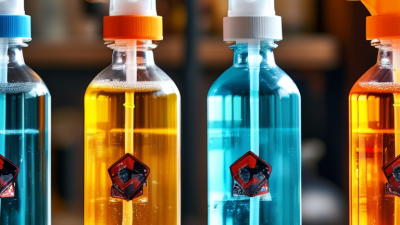
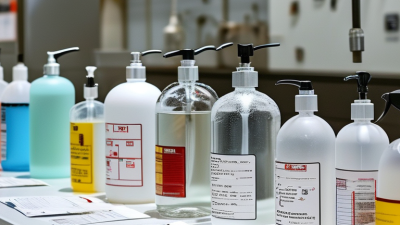
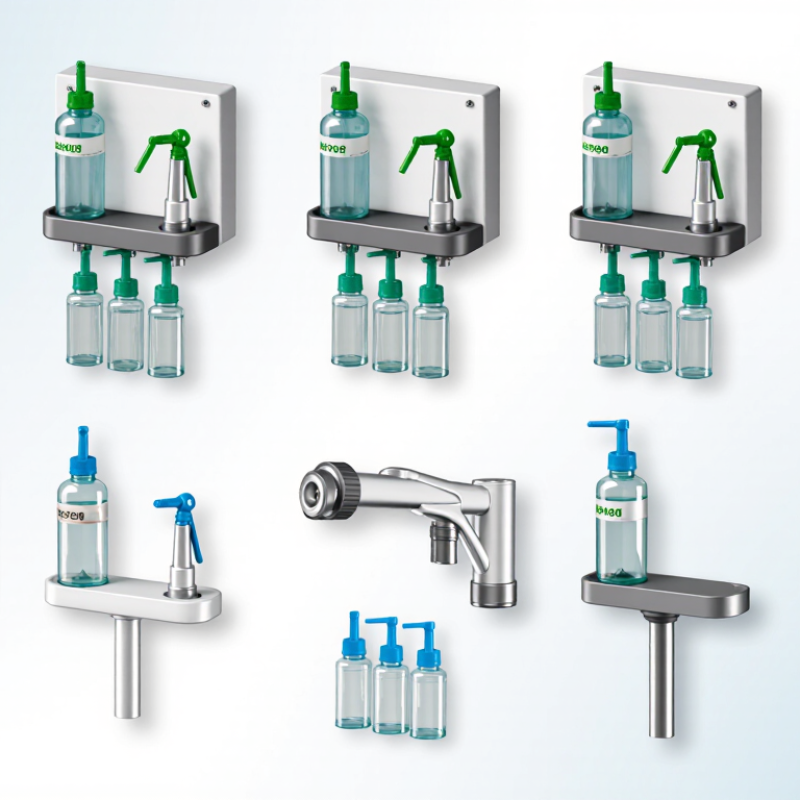
An Eye Wash Bottle Station provides immediate irrigation after dust, chemicals, or fine particles reach the eyes. It usually contains sealed sterile solution, wall brackets, protective caps, and clear instructions. A worker pulls the bottle, opens the cap, and directs the nozzle toward the affected eye. Keep the eyelids open.
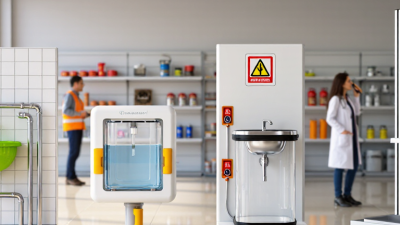
Speed matters. OSHA educational materials estimate about 1,000 workplace eye injuries occur daily in the United States. The CDC and NIOSH also report that many injuries involve chemical splashes, flying particles, or inadequate protection. A bottle station should stand near the hazard, remain visible, and stay reachable within seconds. A blocked cabinet is not useful.
Portable bottles can support first response, especially in laboratories, workshops, and temporary work areas. However, they may not replace a compliant plumbed or self-contained eyewash station when serious exposure risks exist. ANSI/ISEA Z358.1 guidance emphasizes accessible equipment and continuous flushing for at least 15 minutes. Check expiry dates, seals, temperature, and mounting height during routine inspections. Do not rely on appearance alone. In practice, forgotten inspections remain a common weakness. Supplier selection should include solution sterility, tamper evidence, replacement availability, training materials, and documented quality controls. Some details are easy to overlook.
China’s top Bottle Eye Wash Station suppliers should be judged by safety evidence, not catalog appearance. A suitable unit should deliver clean flushing fluid quickly and continuously. It should also provide gentle flow without damaging the eyes. Workplace assessments commonly use a 15-minute flushing period as a practical benchmark. Confirm the current Chinese national standards, industry rules, and local inspection requirements before purchasing.
The station needs clear instructions, durable labels, and easy access within the hazard area. Its bottle seals should remain intact during storage. Check the production date, expiry date, replacement process, and batch traceability. Materials must resist leakage, cracking, and common workplace chemicals. Supplier documents should include flow testing, material information, quality inspection records, and installation guidance. A low price is not proof of compliance.
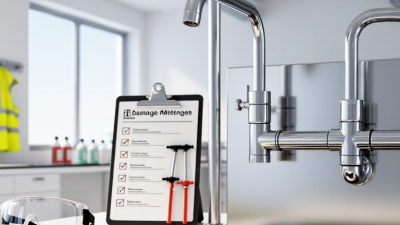
Tips: Keep stations visible and unobstructed. Train workers to use them with both eyes open. Inspect bottles regularly, especially after heat exposure or transport. A checklist helps, but it can still miss poor placement or expired fluid. Reassess the site after equipment changes. That small step is often forgotten. Also, do not treat a Bottle Eye Wash Station as a substitute for hazard control, protective equipment, or emergency medical care.
| No. | Evaluation Dimension | Recognized Safety Benchmark | Recommended Requirement for Bottle Stations | Supplier Verification Evidence |
|---|---|---|---|---|
| 1 | Product Classification | ANSI/ISEA Z358.1 distinguishes emergency eyewash equipment from ordinary first-aid products. | The product description should clearly state whether the unit is a supplemental eyewash bottle station or a complete emergency eyewash system. | Technical datasheet, intended-use statement, and installation instructions. |
| 2 | Emergency Response Time | ANSI/ISEA Z358.1 requires emergency eyewash equipment to be reachable within approximately 10 seconds from a hazard. | Place the bottle station on a clearly marked, unobstructed route near the chemical or particulate hazard. | Site layout, accessibility assessment, and installation photographs. |
| 3 | Flushing Duration | ANSI/ISEA Z358.1 uses a minimum 15-minute flushing duration for compliant emergency eyewash equipment. | Bottle capacity should be assessed against the required response duration. A small bottle must not be represented as a replacement for a 15-minute plumbed or self-contained eyewash. | Usable volume calculation, flow-rate test, and product capacity certificate. |
| 4 | Flushing Fluid Quality | Eyewash fluid should be potable-quality water or a manufacturer-approved preserved solution suitable for eye irrigation. | Use sealed, sterile or preserved fluid with a clearly defined formulation, lot number, and expiration date. | Safety data sheet, microbiological test report, and fluid specification. |
| 5 | Fluid Temperature | ANSI/ISEA Z358.1 identifies tepid flushing fluid as approximately 16–38°C (60–100°F). | For stored bottles, the supplier should define allowable storage temperatures and protect the solution from freezing, overheating, and direct sunlight. | Storage-temperature range, stability data, and packaging validation report. |
| 6 | Activation and Usability | Emergency eyewash equipment should activate quickly and remain usable without requiring complex manual operation. | The bottle should open or activate easily with one hand, have an intuitive dust cap, and permit use while the user’s eyes are held open. | Human-factors test, activation-force test, and user instructions. |
| 7 | Nozzle and Spray Pattern | ANSI/ISEA Z358.1 requires eyewash streams to irrigate both eyes simultaneously without causing additional injury. | The nozzle should provide a gentle, broad, continuous stream and protect the outlet from contamination when not in use. | Flow-pattern photographs, spray test records, and nozzle material specifications. |
| 8 | Shelf Life and Expiry Control | Stored eyewash solutions require manufacturer-defined expiration controls and routine inspection. | Each bottle should show the manufacture date, expiration date, batch or lot number, and replacement instructions. | Shelf-life test report, label artwork, batch-traceability procedure, and inspection checklist. |
| 9 | Materials and Chemical Compatibility | Materials in contact with flushing fluid should not adversely affect fluid quality or user safety. | Bottle, cap, nozzle, and seal materials should resist leakage, cracking, and chemical migration under specified storage conditions. | Material declarations, migration testing, leak testing, and chemical-compatibility data. |
| 10 | Labeling, Training, and Maintenance | Emergency eyewash equipment should be identified, maintained, inspected, and supported by user instructions. | Provide bilingual English-Chinese labels where appropriate, visible emergency signage, inspection frequency, replacement guidance, and user training materials. | User manual, inspection log template, training records, and product-label compliance review. |
Important compliance note: Eyewash bottles are generally supplemental first-response equipment. They should not automatically be treated as substitutes for a compliant plumbed-in or self-contained emergency eyewash station where the hazard assessment, applicable Chinese regulations, or project specifications require 15 minutes of continuous flushing.
When evaluating Chinese eyewash bottle station suppliers, begin with product evidence, not a polished catalog. Ask for material specifications, bottle capacity, nozzle design, shelf life, and filling instructions. A reliable supplier should provide batch records, leak-test results, and clear production photographs. Request a sample before discussing large orders. Turn the bottle upside down over clean paper. Small drops reveal weak seals quickly.
Check whether the supplier controls raw materials, assembly, cleaning, and final inspection in-house. Ask for documented testing methods and reports from qualified independent laboratories. A certificate without a defined scope proves little. Visit the factory, or arrange a live video inspection of the production line. Look for labeled storage areas, inspection stations, and traceable batch codes. These details show practical experience, not just sales expertise.
Communication also matters. The supplier should answer technical questions directly and explain limits without exaggeration. Confirm packaging strength, storage conditions, replacement parts, and after-sales response times. Compare several quotations, but do not choose by price alone. A cheaper station may use thinner plastic or inconsistent seals. Even a successful sample can differ from mass production, so approve a pre-shipment inspection plan. I would record every requirement in writing, because memory becomes unreliable when specifications change.
Comparing Chinese suppliers means looking beyond bottle capacity and price. Check fluid compatibility, expiry tracking, mounting stability, refill availability, and clear inspection instructions. A station beside a laboratory sink should be reachable without moving boxes or opening a cabinet. Small details matter. Ask suppliers for dated test records, material specifications, and written guidance on replacement intervals. Some product pages remain vague about these points, so request documents before ordering.
Use recognized safety requirements as a practical benchmark. OSHA’s 29 CFR 1910.151(c) requires suitable flushing facilities where corrosive materials may injure employees’ eyes or body. ANSI/ISEA Z358.1-2014 specifies a 15-minute flushing duration for compliant eyewash equipment, with a minimum flow of 0.4 gallons per minute for eyewash units. Bottle stations may provide immediate first aid, but their capacity and design can limit flushing time.
Not a complete substitute.
Compare each supplier’s stated use case, test evidence, and support for maintenance; then verify that the selected equipment fits the site’s hazard assessment.
Teams sometimes overlook refill logistics. That can weaken an otherwise sound setup.
When comparing China’s top 10 eyewash bottle station suppliers, look beyond catalog photos. A useful profile explains whether the company manufactures equipment or sources it from other factories. It should also describe bottle capacity, wall-mount options, refill access, and materials that tolerate routine cleaning. Small details matter. Ask for clear product drawings and instructions, not just a polished sales sheet.
Capabilities are easier to assess when suppliers describe their inspection process. For example, do staff check bottle seals, brackets, and labels before packing? Can they provide sample units, spare parts, and stable packaging for long-distance shipping? An Eye Wash Bottle may look simple, yet confusing instructions or a loose wall bracket can undermine practical use. Request current product-specific certificates and test reports, then confirm what models and features each document actually covers. A certificate alone is not proof that every item in a catalog meets the same specifications.
Supplier profiles should also state production lead times, customization limits, and how quality issues are handled. Ask whether the quoted schedule includes inspection and export packing. Compare written answers with sample products where possible. Some profiles leave gaps. That is worth noting, rather than assuming the missing information is harmless. A careful shortlist records verified capabilities separately from claims still awaiting evidence.
Comparing quotes for a Bottle Eye Wash requires more than checking the lowest price. Ask each supplier for material specifications, bottle capacity, spray performance, packaging details, and production lead time. Request the same information in writing. Otherwise, comparisons become unreliable.
A practical buyer should examine samples before placing a large order. Check the bottle thread, cap seal, nozzle alignment, and wall bracket strength by hand. Ask whether production follows documented quality procedures. Request recent inspection records, test results, and clear photos from the actual factory floor. Also verify the supplier’s export experience, response speed, warranty terms, and replacement policy. A polished catalog proves very little. I have seen attractive samples hide weak packaging, so verification should continue until shipment.
Tips: Build a simple comparison sheet. Include unit price, tooling cost, minimum order quantity, shipping terms, delivery time, and after-sales support. Ask for a pre-production sample when possible. Confirm whether the quoted price includes labels, cartons, and protective inserts. Keep every promise in email. Do not guess. A supplier who avoids precise answers may create delays later. However, communication alone is not proof; independent inspection can reveal problems that a remote conversation misses. Mistakes still happen, even with experienced buyers. That is why a small trial order may be wiser than a rushed bulk purchase.
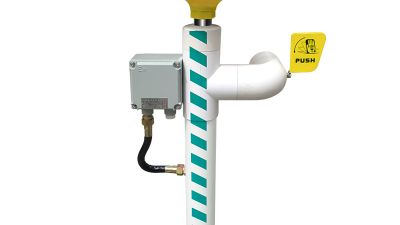
The BD-540D freeze-protected eyewash station is designed to provide dependable emergency rinsing in cold climates, outdoor work areas, unheated buildings, and cold-storage facilities. Its pedestal-mounted structure offers convenient access, while the high-visibility yellow ABS bowl and spray heads help workers locate the unit quickly during an emergency. The corrosion-resistant materials also support long-term use in demanding industrial environments.
A key feature is its self-regulating heat-tracing system, which is wrapped around the internal pipework and protected by a durable PVC cover. This design helps prevent frozen valves, blocked pipes, and delayed activation when temperatures fall below freezing. By keeping the water supply fluid, the BD-540D can deliver an immediate and effective eyewash response in harsh winter conditions. Sourced from experienced China manufacturers, it is suitable for facilities seeking a practical cold-weather safety solution with consistent performance and dependable construction.
It holds sealed solution for rinsing eyes after dust, fine particles, or chemical splashes. Most stations include bottles, protective caps, and instructions.
Pull the bottle, open its cap, and aim the nozzle toward the affected eye. Hold the eyelids open while rinsing. Act quickly.
Keep it visible and close to the hazard. Workers should reach it within seconds, without moving boxes or opening a cabinet.
Not always. Bottles can provide immediate first aid, but limited capacity may not support continuous flushing for 15 minutes. Assess site hazards carefully.
Check expiry dates, seals, storage temperature, mounting height, and replacement supplies. A bottle can look fine while its seal has weakened.
Ask for material specifications, batch records, leak-test results, shelf-life details, and documented quality controls. A certificate without a clear scope proves little.
Turn it upside down over clean paper. Watch for small drops that may reveal a weak seal. A sample still may not match bulk production.
Compare solution compatibility, packaging strength, refill availability, inspection instructions, and after-sales response times. Cheap plastic can be a false saving.
Expired bottles or missing replacements can weaken an otherwise sound setup. Teams sometimes overlook refill logistics. That detail deserves attention.
This guide explains what an Eyewash Bottle Station is, how it may be used for immediate eye rinsing, and why it should be selected and maintained as part of a broader workplace safety plan. It outlines the key safety standards and product features buyers should review in China, including usability, capacity, materials, labeling, and relevant documentation. It also presents a practical framework for assessing suppliers, from manufacturing capability and quality controls to certifications and after-sales support.
A concise comparison of ten supplier options helps readers understand the market and identify candidates for further review, without treating any listing as an endorsement. The guide also describes how to compare quotations and verify a supplier before ordering by checking product specifications, sample quality, documentation, delivery terms, and service commitments.