Leave Your Message
0%

Choosing the right scaffolding tag is a practical decision, not a simple color selection. A Schaffolding Tag should communicate whether a scaffold is ready, restricted, or awaiting inspection. It must be clear from ground level. Workers should understand it within seconds.

Experienced site teams examine the scaffold before relying on its tag. They check the base plates, platforms, guardrails, access points, braces, and connections. They also consider recent changes, strong winds, dropped materials, and nearby construction activity. A tag may look correct, yet the structure may have changed after inspection. That detail is easy to miss.

Tag colors and meanings can differ between sites, suppliers, and safety systems. Never assume that a green tag always means unrestricted use. Confirm the site procedure, manufacturer guidance, and applicable local requirements. The inspection date, inspector’s name, scaffold identification, and load information should remain readable. Faded ink is a small warning.

A reliable tagging process needs competent inspection and consistent records. Supervisors should remove or update tags when a scaffold is altered, damaged, or exposed to unusual conditions. Workers should stop and report uncertainty rather than guess. That habit protects everyone.

No tag can repair a weak scaffold.

This guide explores how to compare tag types, verify their information, and match them with actual site conditions. It also considers a common weakness: teams may trust the tag more than the inspection behind it. Good practice requires both.

How to Choose the Right Scaffolding Tag?

What Is a Scaffolding Tag and Why Does It Matter?

How to Choose the Right Scaffolding Tag?

A scaffolding tag is a visible safety record attached to a scaffold access point. It shows whether the structure has been inspected and what conditions apply. A clear tag can communicate inspection status, inspection date, inspector details, and access limits. It turns a hidden technical check into information workers can see before climbing.

In practical site work, the tag must remain readable in rain, dust, and strong sunlight. It should fit securely into its holder without blocking nearby warnings. Many systems use different colors for safe, restricted, or prohibited access. However, color alone is unreliable. Workers may have poor visibility, color-vision differences, or limited lighting. Use clear words and simple symbols as well. Keep the message short.

Details matter.

Choose a tag that matches your inspection process and scaffold design. The writing area should support frequent updates without becoming crowded. The material should resist tearing, moisture, and accidental removal. A competent inspector should complete the tag after checking platforms, guardrails, access points, stability, and visible damage. If conditions change, the status must change too. A tag does not make an unsafe scaffold safe. I have seen workers glance at a familiar color and miss a restriction, which is an uncomfortable reminder that design cannot replace judgment. Keep inspection records separately, and train workers to read the full tag before use.

How to Identify the Tagging Requirements for a Scaffolding Project

Choosing the right scaffolding tag starts with identifying the project’s tagging requirements. Review the scaffold type, work height, access points, expected load, weather exposure, and inspection frequency. Each tag should show the scaffold ID, location, inspection date, inspector, permitted load, and current status. OSHA estimates that about 2.3 million construction workers use scaffolds, while scaffold accidents cause roughly 4,500 injuries and 50 deaths annually. These figures show why unclear status information creates real risk. Under OSHA 29 CFR 1926.451, a competent person must inspect scaffolds before each work shift and after events that may affect structural integrity.

A field-ready Pvc Tag should remain readable near dusty platforms, wet ladders, and vibrating equipment. Check resistance to ultraviolet light, rain, abrasion, and cleaning chemicals before selecting the material. Do not assume one color system works everywhere; workers may interpret colors differently across projects. Use plain status wording, such as “Do Not Use,” and place the tag where workers naturally enter. A QR code can support digital records, but it should not replace visible information. That is an easy mistake when teams depend too heavily on phones.

Tips: Ask the competent person to approve the data fields before printing. Test one tag outdoors for a full work cycle. Record inspection times clearly. Reconsider any field that workers routinely ignore. A small blank space for restrictions may prevent a serious misunderstanding.

How to Choose the Right Scaffolding Tag? - How to Identify the Tagging Requirements for a Scaffolding Project

Tagging Requirement Information to Display When It Applies Example Tag Entry Verification Point
Scaffold identification Unique scaffold or location identification number Every scaffold that requires inspection, handover, or controlled access Scaffold ID: SC-024 The ID matches the site register, drawing, or handover record
Current status Clear status such as Safe for Use, Restricted Use, or Do Not Use Whenever workers need a quick visual indication of access conditions Status: SAFE FOR USE The status reflects the latest competent-person inspection
Inspection date and time Date of the latest completed inspection and, where required, time After erection, alteration, relocation, or an event that could affect integrity; periodic intervals are set by the applicable jurisdiction Inspected: 19 Oct 2026, 08:30 The inspection is within the required interval for the project location
Next inspection or review Next scheduled inspection date or review trigger Projects using scheduled inspection controls or local regulatory requirements Review due: 22 Oct 2026 The planned date is consistent with the site inspection procedure and local rules
Load class or maximum load Permitted duty rating, maximum platform load, or load class When the scaffold is designed for a defined working load or has material-storage limits Maximum platform load: 2.0 kN/m² The displayed limit agrees with the design, manufacturer instructions, or engineering calculations
Restrictions and special controls Limits on access, weather, incomplete areas, loading, sheeting, or modifications Whenever normal use is limited or additional controls are required Restriction: No material hoisting from platform Restrictions are visible, specific, and communicated during the site briefing
Competent inspector details Inspector name, initials, signature, or traceable authorization number Where inspection records must identify the person who assessed the scaffold Inspector: J. Smith / ID 047 The inspector is qualified or authorized under the applicable site and legal requirements
Defect and isolation status Defect reference, isolation date, and instruction not to use When the scaffold is incomplete, damaged, altered without approval, or otherwise unsafe DO NOT USE — Guardrail repair required The scaffold is physically controlled against unauthorized access until released
Handover reference Handover certificate, inspection record, drawing, or permit reference Large, complex, engineered, or multi-trade scaffolding projects Handover record: HO-1186 Supporting documentation is available to supervisors and inspectors
Environmental review Weather or site-event review, including high winds, impact, flooding, or ground movement After severe weather, an impact, extended inactivity, or another event that may affect stability Post-wind check completed: 19 Oct 2026 The scaffold was re-inspected before being returned to service

Note: Tag colors, inspection intervals, load classifications, and required fields vary by jurisdiction and project procedure. Confirm the final tag format against the applicable regulations, scaffold design, and site safety plan.

Which Scaffolding Tag Type Fits the Worksite Conditions?

Choosing the right scaffolding tag starts with the worksite, not the color chart. A dry indoor project may suit a Paper Tag, especially when supervisors inspect access points each shift. The tag should show inspection time, inspector identity, load limits, and current status. Keep it readable. Small handwriting becomes dangerous during a rushed morning briefing.

Outdoor sites need stronger resistance to rain, dust, sunlight, and repeated handling. A laminated tag or rigid tag holder usually performs better than unprotected paper. Wet surfaces, mud, and poor lighting can hide critical warnings. OSHA estimates that scaffold-related incidents cause about 4,500 injuries and 50 deaths annually in the United States. That figure supports a simple rule: select a tag that remains visible throughout the shift, not only during inspection.

Harsh sites require closer matching. Coastal work, chemical exposure, and freezing temperatures can damage ordinary materials. Use a weather-resistant system, then check its condition during every inspection. A damaged tag must never be treated as reliable evidence. Tags communicate status; they do not replace competent-person inspections or safe access controls. This distinction is often missed. The U.S. Bureau of Labor Statistics recorded 1,069 fatal falls to a lower level in 2022, showing why visual warnings deserve serious attention. A Paper Tag can work well, but only under suitable conditions. That limitation deserves honest review.

How to Choose the Right Scaffolding Tag?

Which scaffolding tag type fits the worksite conditions? This decision matrix reflects common site-control practices: green indicates inspected and approved use, yellow indicates restricted or conditional use, and red indicates that the scaffold must not be used.

Select the tag based on the scaffold’s current inspection status and physical condition. Tag colors and wording should always be aligned with the applicable regulations, competent-person inspection process, and the worksite’s written control procedure.

How to Check Tag Details for Accuracy and Compliance

Choosing the right scaffolding tag begins with accurate information, not color or appearance. A Tower Tag should identify the scaffold location, inspection status, load class, and permitted use. Check the tag against the actual structure. Count working platforms. Look for missing guardrails, altered braces, damaged boards, and unstable bases. A clean tag means little if the scaffold has changed since inspection.

Record the inspection date and time clearly. Confirm the inspector is competent and authorized under site procedures. Compare the tag with the inspection register, drawings, and current work plan. The load rating must match stored materials, workers, and equipment. Do not guess. If handwriting is unclear, stop and request a replacement tag. Small errors can create large decisions. Check any expiry or reinspection interval required by local rules and project controls. Weather exposure also matters. High winds, impact, or unauthorized changes may require another inspection.

On a busy site, I have seen teams trust familiar colors too quickly. That habit is convenient, but it is not reliable. One tag showed the correct date but the wrong elevation. We corrected it before work started. The mistake was simple. The lesson was not. Photograph the tag and scaffold when records require visual evidence. Note who checked it and what was verified. Recheck after relocation, modification, or a heavy delivery. A tag should support a decision, not replace a physical inspection. If details conflict, treat the scaffold as unverified until a qualified person resolves the discrepancy.

Where and How Should Scaffolding Tags Be Displayed?

How to Choose the Right Scaffolding Tag?

Where and How Should Scaffolding Tags Be Displayed?

Scaffolding tags should sit at every normal access point, not in a supervisor’s office. Place them beside ladders, stair towers, gates, and entry platforms. Workers should read the tag before stepping onto the scaffold. It must remain visible from standing height. Keep it away from mud, stored materials, and loose sheeting. A hidden tag is almost the same as no tag.

Use a clear status system. A green tag can indicate approval for use, while a red tag should prevent access. A yellow tag may show restrictions, such as incomplete decking or limited loading. Local procedures must define each color.

OSHA 29 CFR 1926.451 requires scaffold inspections before every work shift and after events affecting structural integrity. UK HSE guidance recommends inspections every seven days, after severe weather, and after major alteration. These requirements show why the inspection date matters more than decoration.

Tips: Add the inspector’s name, inspection date, load limits, and scaffold identification number. Use large lettering. Protect paper tags with weather-resistant holders. BLS reported 885 fatal workplace injuries involving falls, slips, and trips in 2023. Visibility deserves serious attention. Still, a tag alone cannot make a scaffold safe. I have found that teams sometimes trust color too quickly. Recheck the platform, guardrails, ties, and access route before entry.

How to Update, Remove, and Maintain Scaffolding Tags Safely

How to Choose the Right Scaffolding Tag?

A scaffolding tag should show whether a platform is safe, restricted, or unavailable. Choose a Ladder Tag that is clear, durable, and easy to read from ground level. The tag must match your site’s inspection procedure, not replace it. A competent person should inspect the scaffold after erection, alteration, severe weather, or impact. Record the date, findings, and responsible inspector. Small details matter, especially when several platforms share one access point.

Update the tag immediately after any structural change, missing guardrail, damaged board, or unsafe access route. Remove an old tag before attaching a new one, so workers cannot mistake outdated information. If the scaffold becomes unsafe, mark it clearly and prevent access until repairs are verified. Never remove a warning tag simply because work is urgent. I have seen teams delay updates during busy shifts; that habit creates confusion and weakens trust. The process is useful, but it is not flawless.

Tips: Keep spare tags in a dry container. Use waterproof writing. Check tags during every shift briefing. Clean dust from the tag surface. Replace faded or torn tags. Keep inspection records nearby, but do not attach loose paperwork to the scaffold. Assign one trained person to control tag changes. Review the system after an incident or near miss, even when no injury occurs. That extra review may reveal unclear wording, poor tag placement, or a gap in worker training.

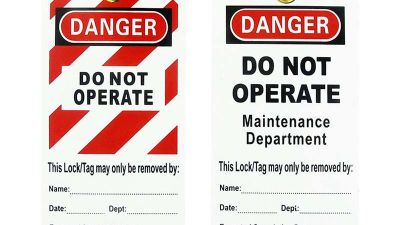
BD-8611 PVC “DO NOT OPERATE” Safety Warning Tag: Enhancing Workplace Safety and Equipment Control

The BD-8611 PVC “DO NOT OPERATE” Safety Warning Tag is an essential communication tool for industrial Lockout/Tagout procedures. Designed to be used with safety padlocks, it delivers an immediate and highly visible warning that equipment is under maintenance and must not be operated. Its clear message helps prevent accidental activation, supports safer maintenance practices, and improves awareness among employees, contractors, and visitors working near isolated machinery.

Made from durable, premium-grade PVC, the tag is built to withstand demanding workplace conditions. Its material resists moisture, strong sunlight, abrasion, and routine mechanical wear, helping the warning remain readable throughout extended use. The lightweight design allows for convenient attachment to padlocks, isolation points, valves, switches, and other equipment controls. By providing a consistent visual indication of restricted operation, the BD-8611 helps organizations maintain better equipment control and reinforce safe communication across busy industrial environments.

FAQS

How should I choose a scaffolding tag for indoor work?

Use a clear paper tag in dry indoor areas. Record the inspection time, inspector, load limit, and status. Small handwriting can cause dangerous confusion.

What type of tag suits outdoor scaffolding?

Choose a laminated tag or rigid holder. It should resist rain, dust, sunlight, and repeated handling. A wet tag is not reliable.

What details must appear on a scaffolding tag?

Include the scaffold location, identification number, inspection date, inspector, load class, and permitted use. Keep every detail easy to read.

Where should scaffolding tags be displayed?

Place tags at normal access points. Suitable locations include ladders, stairs, gates, and entry platforms. Workers should see the tag before climbing.

What should the scaffold status colors mean?

Site procedures should define each color. One color may show approval, another may show restricted use, and another may prohibit access. Never guess.

How can workers verify a tag’s accuracy?

Compare the tag with the actual scaffold and inspection records. Check platforms, guardrails, braces, boards, bases, and access routes. A clean tag proves little alone.

When should a scaffold receive another inspection?

Reinspect after relocation, modification, severe weather, strong impact, or heavy deliveries. Local rules may also require scheduled inspections. Conditions change quickly.

What should workers do if tag information conflicts?

Treat the scaffold as unverified. Stop access and ask a qualified person to resolve the discrepancy. Do not guess.

Can a scaffolding tag replace a physical inspection?

No. A tag communicates status, but it cannot confirm structural safety. I once trusted a familiar color too quickly. That assumption was wrong.

Conclusion

Choosing the right Schaffolding Tag is an essential part of managing a safe and organized scaffolding project. A tag communicates the current inspection status, permitted use, load or access information, and any restrictions that workers need to understand before using the structure. The selection process should begin by identifying the project’s tagging requirements, worksite conditions, scaffold type, environmental risks, and the level of detail needed for daily operations.

Before installation, every tag should be checked for accurate identification, inspection dates, responsible personnel, and clear safety instructions. Tags should be placed at visible access points, such as entrances, ladders, or stair towers, so workers can review them easily. They must be updated whenever the scaffold is modified, damaged, inspected, or released for use. When a scaffold is no longer suitable or has been dismantled, its tag should be removed promptly. Regular checks help keep information current, prevent confusion, and support safer scaffold management throughout the project.

Ethan

Ethan

Ethan is a dedicated marketing professional at Marst Safety Equipment (Tianjin) Co., Ltd., where he plays a pivotal role in advancing the company's mission to protect individuals through high-quality personal protective equipment (PPE). With a strong focus on research and development, Ethan......
Previous Best Safety Eye Wash Suppliers in China How to Choose?