Leave Your Message
0%

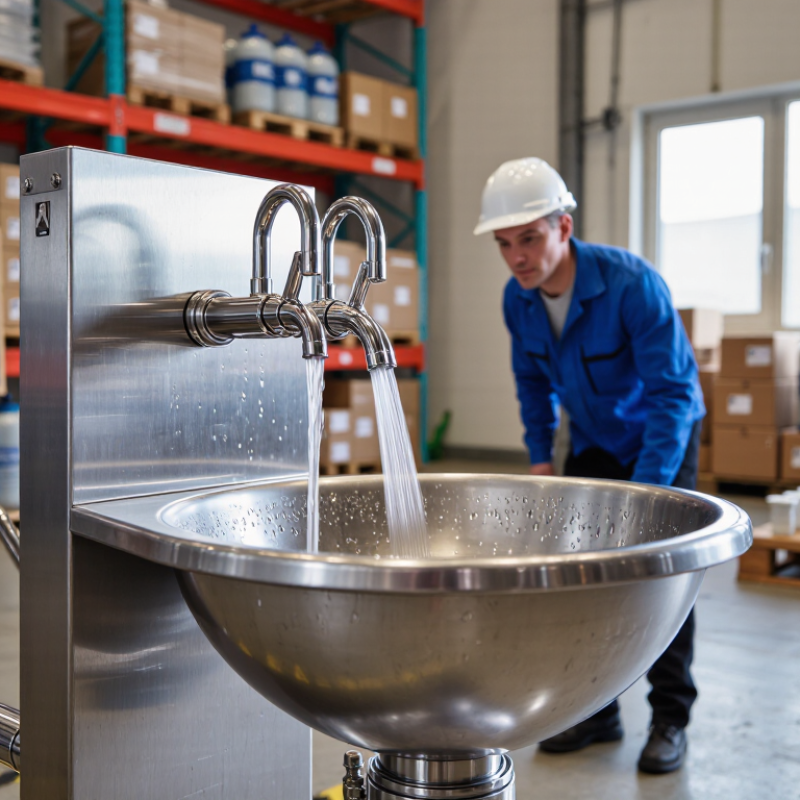
Look, picking the best Safety Eye Wash supplier in China isn't just about comparing prices and pretty product photos. In a real workshop, an emergency unit has to react fast, keep a steady water pattern going, and still work when people are stressed. A bad bowl design, a weak spray, or a clogged nozzle? That can cost serious time. And honestly, those details are really easy to miss when you're buying online.

Reliable suppliers tend to give you the full picture: technical specs, factory photos, quality records, and clear installation guidance. You want companies that can show real manufacturing experience, stable export service, and testing for flow, materials, drainage, and corrosion resistance. Stainless steel can be a good fit for chemical plants, labs, and outdoor production areas. ABS models can work well in controlled indoor spaces. But material choice should match the actual workplace—not just the lowest quote.

A professional supplier should walk you through maintenance intervals and replacement parts before you sign anything. Ask how the Safety Eye Wash holds up after long storage, low temperatures, or repeated use. Request samples when you can. A sample usually tells you more than a shiny catalog. Check the spray height, activation handle, bowl depth, weld quality, and water connections by hand.

Some buyers get a little too focused on certifications. That's understandable, but certificates alone can't prove dependable daily performance. Factory audits, user feedback, and responsive after-sales support matter too. Suppliers like Ningbo Bestway Sanitary Ware and Shanghai J&J may come up during your research, but every claim still deserves verification. No supplier is perfect. Careful comparison can help you catch weak assumptions before they turn into expensive mistakes.
Best Safety Eye Wash Suppliers in China How to Choose?

What Makes a Reliable Safety Eye Wash Supplier in China?

What Makes a Reliable Safety Eye Wash Supplier in China?

Workplace injuries make emergency equipment a purchasing priority. The U.S. Bureau of Labor Statistics reported 2.6 million nonfatal workplace injuries and illnesses in private industry during 2023. A reliable Chinese supplier should connect this risk with practical product performance, not only attractive pricing.

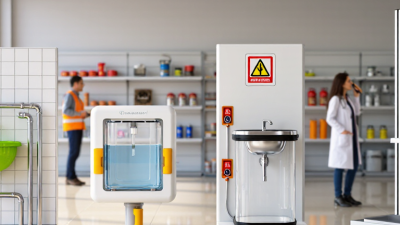
During a factory audit, inspect the Safety Eye Wash Station before reviewing certificates. Check whether both nozzles deliver a balanced stream without sharp pressure. ANSI/ISEA Z358.1-2014 (R2020) specifies continuous flushing for at least 15 minutes and tepid water between 16°C and 38°C. Ask for flow-rate records, material test results, and production inspection photos. Stainless steel quality matters near chemical storage areas. Weak welds can create leaks.

Traceability matters more than polished brochures. The supplier should identify raw-material batches, inspection dates, and replacement-part availability. It should also provide installation drawings, maintenance instructions, and clear testing procedures. ISO 9001 certification helps, but it does not automatically prove emergency performance. That is easy to overlook.

Request a sample unit when possible. Test the pull handle with gloves. Open the dust covers repeatedly. Confirm that the drain design does not flood the floor. Suppliers that answer technical questions with vague promises deserve caution. Some buyers, including experienced ones, focus too heavily on export history. A long export record can still hide inconsistent inspection. Reliable communication, documented testing, and responsive after-sales support reveal more.

Best Safety Eye Wash Suppliers in China: How to Choose?

A reliable safety eye wash supplier should be evaluated against recognized safety requirements, product performance, documentation, and long-term service capability. The chart uses a practical 100-point screening model based on considerations commonly associated with ANSI/ISEA Z358.1, OSHA 29 CFR 1910.151(c), and the EN 15154 series.

The percentages represent recommended evaluation weights rather than market-share data. Buyers should verify test reports, flow performance, material specifications, quality records, traceability, spare parts availability, and technical support before placing an order.

Which Types of Emergency Eye Wash Stations Do You Need?

Which Types of Emergency Eye Wash Stations Do You Need?

Choosing an emergency eye wash station starts with the hazard, not the catalogue. OSHA 29 CFR 1910.151(c) requires suitable facilities where corrosive materials may contact workers’ eyes or bodies. ANSI/ISEA Z358.1-2014 recommends flushing for at least 15 minutes, with tepid water between 60°F and 100°F. That means a small bottle may help during the first seconds, but it should not replace a full station.

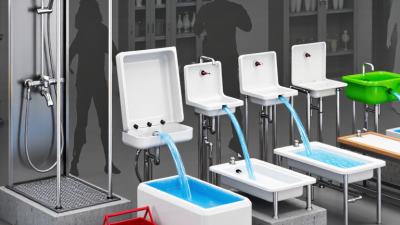
For laboratories and production areas, a plumbed eye wash is usually the strongest choice. It provides continuous water and supports weekly activation checks. A combination shower and eye wash suits locations where chemicals may reach both the face and skin.

Self-contained units work better where plumbing is unavailable, but their tanks need scheduled cleaning, refilling, and temperature control. Portable stations can support temporary work zones. They still require disciplined inspection.

Personal eye wash bottles are useful for vehicles, storage cabinets, and remote tasks. They are supplementary equipment, not the main response system. NIOSH eye-safety guidance has long cited about 2,000 workplace eye injuries daily in the United States, showing why convenience should not drive selection. A practical error is placing a station behind a locked door. Workers may lose critical seconds searching for access.

Keep the route visible, unobstructed, and reachable within about 10 seconds, as recommended by ANSI guidance. Recheck the plan after chemicals, room layouts, or staffing change. It is easy to install equipment and still miss the real hazard.

How to Check Supplier Certifications and Product Quality

Best Safety Eye Wash Suppliers in China: How to Choose?

When evaluating a China-based supplier, check certifications before comparing prices. Ask for the certificate number, issuing organization, validity period, and covered product models. A logo on a brochure proves little. The certification should match the exact Safety Shower and eye wash equipment you plan to buy.

Request test reports for water flow, activation time, basin drainage, and corrosion resistance. Confirm whether testing followed recognized requirements, such as ANSI/ISEA Z358.1, when applicable to your site. For stainless steel units, inspect the material grade and surface finish. A clear product sample can reveal rough welds, blocked spray outlets, or weak handles faster than photographs.

Reliable suppliers should provide factory inspection records, batch traceability, installation instructions, and responsive technical support. Ask for videos showing the unit opening smoothly with one hand. Check whether the water stream reaches both eyes evenly. A practical factory visit may also reveal storage problems or inconsistent assembly. That matters.

Experience has taught buyers not to trust polished documents alone. Certificates can be genuine but outdated, incomplete, or unrelated to the delivered model. I would compare a sample, a recent inspection report, and the supplier’s answers to the same technical questions. Some suppliers may overlook small details, including missing dust covers or poor drainage. Those imperfections deserve attention before a purchase order is signed.

How to Compare Prices, Customization, and Minimum Order Quantities

Choosing the best safety eyewash supplier in China requires more than comparing unit prices. OSHA 29 CFR 1910.151(c) requires suitable flushing facilities near corrosive exposure risks. ANSI/ISEA Z358.1 also recommends a continuous 15-minute water flow. NIOSH reports that about 2,000 U.S. workers suffer job-related eye injuries requiring medical treatment daily. These figures make compliance and reliability more important than a cheap quotation.

Ask suppliers for separate prices covering the frame, bowl, valves, testing, packaging, and delivery. A Mobile Self Contained Safety Shower with Eye Wash may cost more initially, but it can reduce plumbing work at remote sites. Customization also affects price. Stainless steel, special coatings, bilingual labels, drain changes, and private packaging usually increase production time. Request drawings before approval. Tiny details matter.

Minimum order quantity deserves careful review. Some factories accept one sample, while customized orders may require 20 or 50 units. Compare the sample fee, tooling charge, replacement parts, and inspection cost. During supplier checks, I examine spray patterns, pull-rod movement, weld quality, and water-flow records. I once focused too heavily on the lowest price. That was a mistake. A cheaper valve can create maintenance costs later. Ask for material certificates, test videos, inspection reports, and clear warranty terms before selecting a supplier.

What to Ask About Manufacturing, Testing, and Quality Control

Choosing a reliable safety eye wash supplier in China requires more than comparing prices. Ask how the unit is manufactured, assembled, and inspected. A professional supplier should explain material grades, welding methods, pipe cleaning, and corrosion protection. Request production photos, batch records, and a sample before placing a large order.

Testing details matter. Ask whether each Lab Safety Eye Wash is checked for flow rate, spray pattern, drainage, valve response, and leak resistance. The supplier should provide clear test procedures and dated inspection records. Confirm that emergency operation is possible within seconds, even when users wear gloves. Independent laboratory reports can add confidence, but verify their scope and validity.

Tips: Ask for a factory video call. Watch the testing process. Check nozzle covers, pull handles, labels, and packaging. Confirm the inspection frequency, rejected-unit process, and replacement policy. Do not accept vague answers. A supplier may show a polished sample while production quality varies. That risk deserves attention. No factory is perfect, and I would question any supplier claiming zero defects. Strong quality control includes corrective actions, traceable batches, and final checks before shipment. Also ask how instructions are translated and protected during transport. Small details often reveal manufacturing discipline.

How to Evaluate Shipping, Support, and After-Sales Service

Best Safety Eye Wash Suppliers in China: How to Choose?

When evaluating safety eyewash suppliers in China, shipping deserves careful attention. Ask for clear lead times, loading dates, and transport responsibilities. Confirm whether units are packed in reinforced cartons with moisture protection. A damaged bowl or cracked pipe can delay installation and create extra costs. Request photos of packed goods before shipment. Check export documents, product specifications, inspection records, and spare-parts availability. A low quote may look attractive, but unclear freight terms can erase the saving.

Support should be practical, not merely polite. Test how quickly the supplier answers technical questions before placing an order. Can they provide installation drawings, replacement guidance, and operating instructions in understandable English? Ask whether remote video support is available during commissioning. After-sales service should include a defined response time, warranty conditions, and a process for reporting leaks or missing parts. In my experience, vague promises often become slow email exchanges. That is a warning sign. A reliable supplier should also explain maintenance intervals and recommend suitable replacement components.

Tips: Request a sample inspection before bulk production. Compare shipping terms on the same basis. Keep written records of every promise. Ask for a small spare-parts kit. Also, review the supplier after one delivery, not only after the sales meeting. Mistakes happen, and honest correction matters more than perfect marketing.

Best Safety Eye Wash Suppliers in China: How to Choose? — How to Evaluate Shipping, Support, and After-Sales Service

Evaluation Area Key Evaluation Dimension Recommended Benchmark Evidence to Request Weight Score
(1–5)
Product Safety & Compliance Applicable safety standards The product should be assessed against the standards and regulations applicable in the destination market, such as ANSI/ISEA Z358.1 or relevant EN requirements. Current test reports, declarations, certification scope, and standard revision dates. 18% ___
Flushing performance Confirm that the selected model can provide the required flow, coverage, and operating duration under the applicable standard. Flow-rate test data, operating instructions, and installation requirements. 12% ___
Materials and corrosion resistance Materials should match the installation environment, including indoor, outdoor, humid, chemical, or low-temperature conditions. Material specifications, surface-treatment details, chemical-compatibility information, and temperature limits. 8% ___
Ease of activation and maintenance The unit should be easy to activate quickly and should allow routine inspection, cleaning, replacement, and testing. User manual, maintenance schedule, spare-part list, and installation drawings. 7% ___
Traceability and quality control Each production batch should be traceable through inspection records, product identification, and documented quality procedures. Quality-control plan, inspection checklist, batch records, and sample product markings. 5% ___
Shipping & Fulfillment Production lead time The supplier should provide a written lead-time range for samples, standard orders, and customized orders instead of using one general estimate. Order timeline, production schedule, capacity confirmation, and delay-escalation process. 8% ___
Incoterms and landed-cost clarity The quotation should clearly identify the agreed Incoterms® rule, named place, freight responsibility, insurance, customs duties, and destination charges. Itemized quotation, commercial invoice sample, packing list, and responsibility matrix. 7% ___
Export packaging Packaging should protect eyewash units from impact, moisture, contamination, and deformation during international transport. Packaging specification, carton dimensions, pallet information, drop-test results, and product photos before shipment. 5% ___
Shipping documentation Documents should be complete, consistent, and available before dispatch to reduce customs and receiving delays. Commercial invoice, packing list, certificate of origin where required, shipping marks, and tracking information. 4% ___
Delivery reliability Evaluate the supplier’s ability to communicate schedule changes and maintain agreed dispatch dates over several orders. Anonymized on-time-delivery records, shipment history, and corrective-action examples. 4% ___
Technical Support Pre-sales technical response Technical questions should receive clear, documented answers within one business day as a practical service target. Response-time commitment, technical contact details, product drawings, and application guidance. 5% ___
Installation guidance Instructions should cover water connection, drainage, accessibility, testing, signage, and site-specific precautions. Installation manual, dimensional drawings, connection requirements, and commissioning checklist. 4% ___
Spare-parts availability Common replacement parts should be identifiable and available for the expected service life of the equipment. Parts catalogue, stock policy, prices, interchangeability information, and recommended maintenance kit. 4% ___
Communication capability The supplier should provide consistent communication in the buyer’s working language and maintain one accountable contact person. Support channels, escalation contacts, written communication samples, and service coverage hours. 3% ___
After-Sales Service Warranty terms Warranty duration, exclusions, claim procedure, transport responsibility, and remedy options should be stated in writing before purchase. Signed warranty policy, claim form, response process, and examples of covered components. 6% ___
Defect and replacement process The supplier should define how defects are reported, assessed, replaced, repaired, or credited, including evidence requirements. RMA procedure, response-time target, replacement lead time, and corrective-action template. 5% ___
Complaint resolution A documented corrective-action process should identify root cause, containment, corrective action, and verification of effectiveness. Sample 8D or corrective-action report with confidential information removed. 4% ___
Long-term product support Confirm continued access to manuals, replacement parts, technical updates, and compatible components after the initial order. Product-discontinuation policy, parts-support period, revision-control process, and notification procedure. 4% ___
Total Weighted Score 100% ____ / 5.00
Scoring Guide: 5 = Fully documented and verified; 4 = Meets requirements with minor gaps; 3 = Acceptable but requires additional verification; 2 = Significant concerns; 1 = No reliable evidence or does not meet the requirement.
Practical Decision Rule: Prioritize verified compliance, reliable delivery documentation, technical responsiveness, and a written warranty process. Do not approve a supplier solely on price, catalogue photos, or unverified certification claims.

FAQS

What should I compare besides the unit price?

Compare the frame, bowl, valves, testing, packaging, delivery, and spare parts separately. A cheap quotation may hide later maintenance costs. Price is only one piece.

How does customization affect the final cost?

Stainless steel, special coatings, bilingual labels, drain changes, and private packaging can increase production time. Request drawings before approval. Small details matter.

What minimum order quantity should I expect?

Some suppliers accept one sample, while customized orders may require 20 or 50 units. Confirm sample fees, tooling charges, and inspection costs. Ask clearly.

Is a mobile unit suitable for remote worksites?

A self-contained mobile unit can reduce plumbing work at remote locations. It may cost more initially. Check tank capacity, mobility, water flow, and refill procedures.

What product details should I inspect before bulk production?

Inspect spray patterns, pull-rod movement, weld quality, and water-flow records. Request material certificates and test videos. Do not rely on photographs alone.

Which shipping details require written confirmation?

Confirm lead times, loading dates, freight responsibilities, and export documents. Ask for reinforced cartons with moisture protection. Request packing photos before shipment.

What support should a supplier provide after purchase?

The supplier should provide installation drawings, operating instructions, replacement guidance, and remote video support. Ask about response times and warranty conditions. Vague promises worry me.

How can I judge whether the supplier is reliable?

Test response speed before ordering. Request inspection reports, spare-parts availability, and a small replacement kit. Review performance after delivery, not only during sales discussions. Mistakes happen. Honest correction matters.

Conclusion

Choosing the best Safety Eye Wash supplier in China requires careful evaluation of reliability, product range, quality, and service. A dependable supplier should offer suitable emergency eye wash stations, including wall-mounted, portable, floor-mounted, and combination units, based on your workplace risks and installation conditions. Buyers should verify relevant certifications, material quality, product durability, and testing procedures before placing an order. It is also important to compare prices, customization options, production capacity, and minimum order quantities to ensure the supplier fits your budget and purchasing plan.

Before making a decision, ask about manufacturing processes, inspection standards, pressure testing, and quality control records. Shipping arrangements, packaging, delivery schedules, technical support, spare parts, warranty terms, and after-sales service should also be clearly confirmed. By comparing suppliers systematically and requesting complete documentation and samples, businesses can reduce purchasing risks and select a professional partner capable of providing consistent, safe, and dependable emergency eye wash solutions.
Lila

Lila

Lila is a dedicated marketing professional at Marst Safety Equipment (Tianjin) Co., Ltd., where she plays a pivotal role in promoting the company’s commitment to personal safety through innovative protective equipment. With a deep understanding of the products offered, Lila excels in highlighting......
Previous What Is an Industrial Lockout Device and How Does It Work?