Leave Your Message
0%

Picking the right Safety Padlock? Honestly, it’s not just a small purchasing decision. It can affect your energy-control procedures, how visible workers are, and who’s accountable day to day. And think about it—a padlock hanging beside a noisy machine still has to be easy to spot, tough enough to last, and simple to use even with gloves on.

So Dr. David Michaels—former Assistant Secretary of Labor for Occupational Safety and Health—put it pretty simply: “A safety procedure works only when people can follow it in practice.” And honestly, that’s the mindset you want when you’re choosing any Safety Padlock. Stuff like color, key control, shackle material, body strength, and environmental resistance? It all matters. A red nylon lock might be just right for an indoor electrical cabinet, while a stainless-steel model will probably hold up better in washdown areas or outdoor exposure.

Details matter.

I mean, they really do.

That’s why experienced safety teams don’t just rely on what the product says — they watch how workers actually use their locks. Do people carry them through tight aisles? Can a supervisor tell who owns one from a few meters away? And what about the key mechanism — does it start jamming after dust, oil, or just repeated handling? Product claims alone can’t answer any of that. Field trials can.

So you've got companies like Master Lock, Brady Corporation, and ABUS making all kinds of designs. But here's the thing: no single brand just magically works for every workplace. Yeah, that's a tough pill to swallow. Even a pricey lock can still flop if its dimensions don't match up with an isolation point—or if its color system leaves employees scratching their heads.

So, this guide is all about those practical decisions. We'll look at things like workplace hazards, lockout procedures, climate, maintenance, and staff training. And no, the point isn't to find the flashiest Safety Padlock. It's to pick one that workers can recognize, trust, and actually use correctly—every single time.
How to Choose the Best Safety Padlock for Your Business?

What Is a Safety Padlock and Why Does Your Business Need One?

How to Choose the Best Safety Padlock for Your Business?

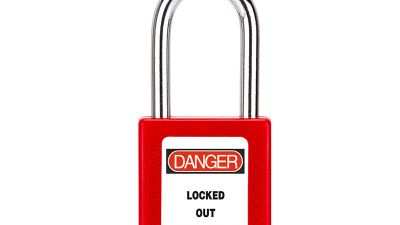
A safety padlock is a personal lock used to isolate hazardous equipment during maintenance. It helps prevent accidental startup while a worker is repairing a machine. Unlike ordinary locks, it usually has a highly visible color and a dedicated identification area. Some models include a Non-conductive Safety Padlock for work near electrical equipment. Selection should begin with the hazard, not appearance. Check the shackle material, body strength, key control, and resistance to dust, moisture, and chemicals. A lock that jams beside a noisy press is not reliable protection.

Tips: Match each lock to one worker. Use clear labels. Keep spare keys controlled. Inspect locks before every shift. Replace cracked bodies or bent shackles immediately. Train employees with a real isolator, not only a handbook. During inspections, confirm that the lock remains attached to the correct energy-isolation point. Bright colors help, but color alone cannot prevent mistakes. It is an easy detail to overestimate.

A strong workplace system also needs consistent procedures and records. Supervisors should verify that employees understand when to apply, remove, and report a safety padlock. The best choice may differ between a dry workshop and a humid processing area. Test samples in actual conditions before purchasing in bulk. Even experienced teams can miss small problems, such as labels fading under oil or keys becoming difficult to separate. That feedback deserves attention.

Assessing Workplace Hazards and Lockout/Tagout Requirements

How to Choose the Best Safety Padlock for Your Business?

Assessing Workplace Hazards and Lockout/Tagout Requirements

Choosing a safety padlock should begin with the hazard, not its color or price. Walk through each machine and identify electrical, hydraulic, pneumatic, thermal, and mechanical energy. Record where isolation points are located. Note cramped spaces, outdoor exposure, oil, dust, and moisture. These details affect the lock’s body, shackle length, and corrosion resistance. A long shackle may fit one valve but create a snagging hazard elsewhere. Nonconductive materials can reduce electrical contact risks, but they do not replace proper isolation.

Lockout/tagout procedures should define who may apply, remove, and verify each lock. Every authorized worker needs a uniquely identified lock and key. Group maintenance may require a lockbox or hasp system, with one personal lock per worker. Choose locks that tolerate the site’s temperature and chemicals. Check that labels remain readable after repeated handling. Do not assume one model suits every department. During periodic reviews, compare the lock with real work conditions, not just purchasing specifications. An imperfect checklist can miss stored pressure or a hidden energy feed. Revise it after near misses, equipment changes, and worker feedback. A competent safety professional should confirm the selection against applicable regulations and the company’s written procedure.

How to Choose the Best Safety Padlock for Your Business?

Assess workplace hazards and lockout/tagout requirements before selecting padlocks. Higher-priority hazards generally require stronger control procedures, clearly identifiable locks, and durable equipment suitable for the work environment.

The screening scores use a practical 1–5 risk-priority scale based on energy severity, unexpected-start potential, and isolation complexity. Electrical and mechanical energy commonly receive the highest priority because they can cause fatal shock, crushing, entanglement, or unexpected movement. Final padlock selection should follow a documented site-specific hazard assessment and applicable lockout/tagout requirements.

Choosing the Right Safety Padlock Material and Construction

Choosing a safety padlock starts with material, not color. OSHA estimates that effective lockout/tagout practices prevent about 120 workplace deaths and 50,000 injuries annually. That figure makes construction a practical risk-control decision.

A durable lock needs a strong body, protected cylinder, and a shackle suited to its environment. Hardened steel resists cutting and impact. Stainless steel performs better around moisture, salt, and cleaning chemicals. Nylon can reduce electrical-conductivity concerns, but it still needs careful inspection in wet conditions. A Non-conductive Nylon Long Shackle Safety Padlock can fit crowded panels, disconnects, and elevated isolation points. Check its temperature range, UV resistance, and shackle clearance before ordering.

Small details matter. The keyway should resist dust and ice. Drainage holes can limit trapped water. A captive-key design may prevent accidental re-energization during maintenance. OSHA’s lockout/tagout standard, 29 CFR 1910.147, requires authorized employees to control hazardous energy, not merely attach a visible lock. The U.S. Bureau of Labor Statistics recorded 5,283 fatal work injuries in 2023, reinforcing the need for disciplined controls.

Field trials reveal uncomfortable assumptions. A lock may fit the catalog photograph but fail with gloves. Nylon may look suitable until sunlight, oil, or repeated impacts expose weaknesses. Test sample locks on actual equipment, record failures, and ask maintenance workers what the specification missed.

Comparing Keyed, Keyless, and Master-Keyed Locking Systems

Choosing the best safety padlock begins with understanding how your team works. A keyed system is simple, familiar, and dependable in dusty environments. It suits small teams with stable responsibilities. However, lost keys create delays and replacement costs. Keep a controlled key register, and inspect cylinders after heavy use.

Keyless locks reduce key management problems. Combination models work well when several trained employees need access. Electronic models can offer access records, but batteries and weather exposure require regular checks. A forgotten code can stop work quickly. Keep emergency procedures clear, but avoid sharing codes openly near equipment.

Master-keyed systems provide layered control across large facilities. An operator can open one assigned lock, while a supervisor can access several work areas. This structure supports maintenance planning and accountability. Yet, one master key creates a serious concentration of risk. Store it securely and limit possession. In my field inspections, teams often compare purchase price first and overlook glove use, cold weather, and cleaning routines. That is an imperfect method. Test each option on actual gates, panels, and lockout points before approving it.

Checking Compliance, Visibility, Durability, and Environmental Resistance

Choosing the best safety padlock starts with the actual work environment. Compliance should match your site rules, equipment procedures, and applicable safety requirements. A lock may look suitable but still fail an internal inspection. Check key control, employee training, and documented lockout procedures together.

Visibility matters during crowded maintenance work. Bright colors help workers identify personal locks quickly. A clear identification label can prevent confusion between similar locks. The shackle size also deserves attention. The 76mm Non-conductive Nylon Long Shackle Safety Padlock suits applications requiring extended reach and electrical insulation. Confirm that its dimensions fit the isolation point before purchasing. Measure twice.

Durability depends on daily handling, not only laboratory claims. Look for a strong body, a corrosion-resistant shackle, and a mechanism that operates smoothly with gloves. Dust, rain, cleaning chemicals, and temperature changes can shorten service life. Nylon can resist many harsh conditions, but it is not indestructible. Inspect locks for cracks, faded labels, stiff keys, or damaged shackles. Replace questionable units. Even experienced teams miss small defects during busy shutdowns. That is a weakness worth acknowledging. Select a lock that remains visible, identifiable, and dependable throughout its expected service period.

Matching Padlock Features to Your Industry and Daily Operations

Choosing the best safety padlock starts with your workplace, not a product catalog. A maintenance crew near electrical panels may need a 38mm Non-conductive Plastic Safety Padlock to reduce conductive risks. Its lightweight body also helps technicians carrying several locks between work areas. However, confirm the lock suits the equipment, exposure, and site procedures before purchase.

Daily operations reveal practical differences. Outdoor teams need corrosion-resistant materials, visible colors, and drainage that prevents water buildup. In dusty workshops, a covered keyway can reduce contamination. A wide shackle may fit thick isolation points, while a compact design works better inside crowded control cabinets. Test the lock while wearing gloves. A smooth key action matters when hands are cold or dirty.

I once favored heavy locks because they felt stronger. That choice slowed inspections and frustrated workers. Strength alone is not enough. Match the body size, shackle clearance, key control, and identification system to the task. Color coding can separate departments, but it should not replace written procedures. Check every lock during routine inspections for cracks, stiff shackles, faded labels, or missing keys. Some teams overlook these small signs until a lock fails during urgent maintenance.

China BD-8521 38mm Steel Shackle LOTO Padlock: Industrial Safety Solutions from Factory Suppliers

The BD-8521 38mm steel shackle LOTO padlock is designed for demanding industrial safety applications where reliable equipment isolation is essential. Its durable construction supports daily use in manufacturing plants, workshops, warehouses, and maintenance areas. The strong steel shackle helps resist physical wear, while the compact body is easy to handle and suitable for securing energy-isolation points, control cabinets, valves, and other authorized lockout locations.

Factory suppliers in China can provide this padlock as a practical solution for organized Lockout/Tagout procedures. Its clear identification options help workers distinguish assigned locks, and the key management system supports controlled access across individual workstations and multi-department facilities. The design also allows safety teams to establish consistent procedures for maintenance and servicing tasks, reducing the risk of accidental equipment activation. With dependable performance, straightforward operation, and flexible application, the BD-8521 padlock helps facilities strengthen workplace protection and maintain orderly safety practices.

FAQS

How should a workplace identify the right safety padlock?

Start with each machine’s hazardous energy sources. Check electrical, hydraulic, pneumatic, thermal, and mechanical energy. Record every isolation point. Inspect cramped spaces, oil, dust, rain, and moisture. The environment decides the lock’s material and shape.

Why does the shackle length matter?

Measure the valve, disconnect, or control point before ordering. A long shackle may reach an elevated isolation point. It can also create a snagging hazard nearby. Test clearance with gloves. Catalog measurements can mislead.

Which lock materials suit different work environments?

Hardened steel handles impact and cutting attempts. Stainless steel suits moisture, salt, and cleaning chemicals. Nylon can reduce conductivity concerns near electrical equipment. Each material still needs inspections. No material is perfect.

What features help locks perform outdoors?

Choose corrosion-resistant construction and visible colors. Drainage holes can limit trapped water. A protected keyway helps resist dust and ice. Check ultraviolet exposure and temperature limits. Rain changes everything.

How can a company manage locks during group maintenance?

Use a lockbox or hasp system for multiple workers. Each authorized worker should attach one uniquely identified personal lock. Procedures must define who applies, removes, and verifies locks. Shared keys create confusion.

What should workers check before buying a safety padlock?

Test sample locks on actual equipment. Try them while wearing gloves. Check key movement, shackle clearance, labels, and body size. Review resistance to oil, sunlight, chemicals, and repeated handling. Ask maintenance workers what specifications missed.

Can color coding replace written lockout procedures?

No. Colors can separate departments or work teams. They cannot identify every responsibility or energy source. Use unique markings, controlled keys, and written instructions. Color is only a visual aid.

How often should safety padlocks be inspected?

Inspect them during routine workplace reviews. Look for cracks, stiff shackles, faded labels, missing keys, and corrosion. Recheck them after equipment changes or near misses. An imperfect checklist may miss stored pressure. Revise it when workers report problems.

Conclusion

Choosing the best Safety Padlock begins with understanding the risks in your workplace and the lockout/tagout procedures needed to protect employees from unexpected equipment startup or hazardous energy release. A suitable padlock should be clearly identifiable, easy to manage, and reserved for safety-related use. Consider the working environment when selecting its material and construction, especially if the lock will face moisture, chemicals, dust, extreme temperatures, or frequent handling.

Your choice of locking system should also reflect daily operations. Keyed locks may provide straightforward control, while keyless options can simplify access management, and master-keyed systems may support authorized supervision when carefully administered. Before purchasing, evaluate compliance requirements, visibility, durability, corrosion resistance, and the number of employees or machines involved. Finally, match features such as color coding, labeling, shackle size, and body design to your industry’s hazards and workflow. The right Safety Padlock can strengthen hazard control, improve accountability, and make safety procedures more consistent.

Lila

Lila

Lila is a dedicated marketing professional at Marst Safety Equipment (Tianjin) Co., Ltd., where she plays a pivotal role in promoting the company’s commitment to personal safety through innovative protective equipment. With a deep understanding of the products offered, Lila excels in highlighting......
Previous How to Choose the Right Scaffolding Tag?