Leave Your Message
0%

Picking out the right Eyewash Kit isn’t just a quick shopping decision – it’s a smart, practical move for your workplace. You really gotta think about what stuff you deal with, where you work, and how fast folks need to respond. For example, a small lab might just need some sealed, sterile bottles right next to a bench, while a bigger manufacturing area could call for a plumbed-in station that’s easy to access and provides a steady flow of solution. The little details matter a lot here.

This guide is based on real safety practices, manufacturer recommendations, and advice from qualified safety pros. It walks you through how to compare portable and fixed systems, check if the solution’s still good to use, and consider things like temperature, visibility, and maintenance. A good eyewash station should be easy to get to in seconds—think about someone in gloves or protective gear needing quick access. It also needs to support effective flushing for the time specified by the manufacturer and safety guidelines.

But hey, don’t be lulled into thinking a clean-looking cabinet means it’s ready. Expired fluid, blocked access, bad signage, or an empty log book can totally undermine your safety efforts. Sometimes, folks pick a kit because it’s convenient instead of the most suitable option — that’s something to really think about. Regular checks, keeping records, staff practicing how to use it, and a solid plan for replacements all help ensure your eyewash station stays reliable when you need it.

Before making a final call, it’s a good idea to review the latest product info and chat with qualified safety experts. Remember, having the right eyewash kit ready to go is crucial for quick action, but it’s not a substitute for prevention, proper training, and good personal protective equipment. Safety is all about being prepared, not just having the right gear on paper.
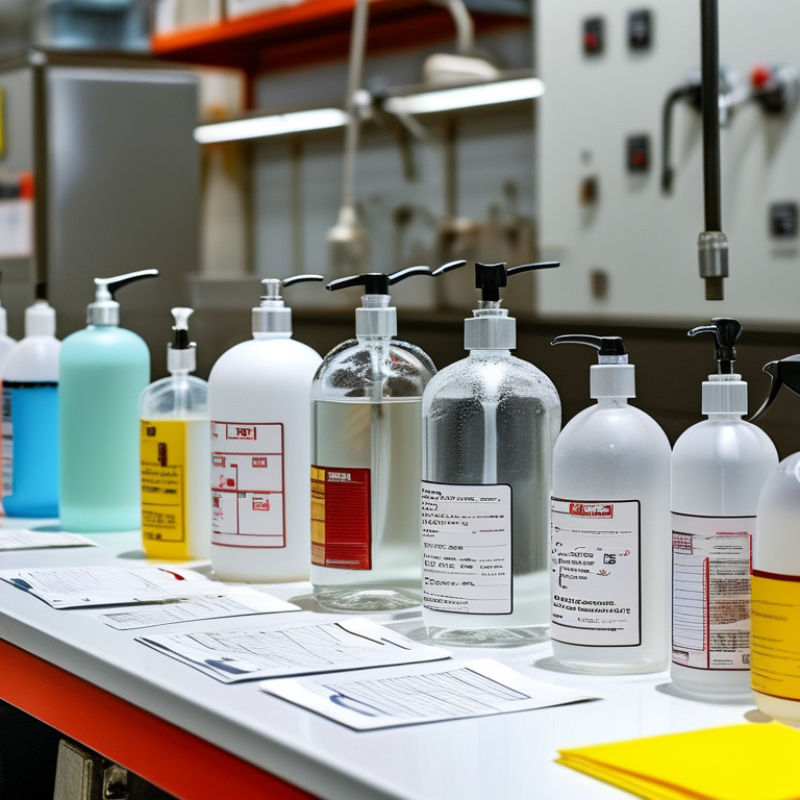
How to Choose the Right Eyewash Kit for Your Workplace

Identify Workplace Hazards and Eyewash Requirements

How to Choose the Right Eyewash Kit for Your Workplace

Identify workplace hazards before selecting an eyewash station. CDC/NIOSH estimates that about 2,000 U.S. workers suffer job-related eye injuries requiring medical treatment each day. Chemical splashes, metal particles, dust, and contaminated liquids create different risks. Review safety data sheets, chemical storage areas, laboratories, workshops, and maintenance tasks. Ask where exposure could happen within seconds.

OSHA requires suitable emergency facilities where workers may contact corrosive materials. ANSI/ISEA Z358.1 guidance recommends flushing both eyes for at least 15 minutes. It also specifies accessible equipment, tepid water, and a flow rate near 0.4 gallons per minute. A Portable Eyewash Kit may suit mobile work, remote areas, or temporary tasks. However, sealed fluid cartridges require expiry checks, temperature control, and clear replacement records. Accessibility matters more than appearance.

Test the route physically. Can an injured worker reach the unit within ten seconds, without opening a door or moving equipment? Check nozzle covers, water clarity, pressure, and signage during inspections. A common mistake is choosing a compact unit without confirming its flushing duration. It looks efficient. It may not be sufficient. Hazard assessments should be reviewed after new chemicals, processes, or work locations are introduced. CDC/NIOSH injury data supports urgency, but local exposure conditions must guide the final selection.

Determine the Appropriate Eyewash Kit Type

Choosing the right eyewash kit starts with the workplace hazard, not the product name. Identify chemicals, dust, metal particles, and their possible contact routes. A plumbed eyewash station suits areas with reliable water access and frequent exposure risks. It needs steady flow, clear access, and regular flushing. Keep it visible and reachable within the required response distance.

A self-contained eyewash station works where plumbing is unavailable. Its reservoir must provide enough flushing time and remain clean. Check the fluid’s replacement date before each inspection. Portable eyewash bottles can support immediate response during transport or temporary work, but they may not replace a full station. Small bottles are easy to carry. They also run out quickly.

Use an Emergency Shower and Eyewash Testing Kit to check flow, spray patterns, temperature, and activation. Test the unit according to workplace procedures and applicable safety requirements. Record the date, condition, and corrective action. I once saw a station blocked by stored cartons; it passed a flow check but failed the real access test. That detail changed our inspection routine. A kit may look suitable on paper, yet poor lighting, freezing temperatures, or limited space can make it unreliable. Review those conditions before choosing the final type.

How to Choose the Right Eyewash Kit for Your Workplace

Determine the Appropriate Eyewash Kit Type

Primary emergency eyewash equipment should provide a continuous, gentle flushing stream for at least 15 minutes. Choose a plumbed unit when a reliable water supply is available, or a self-contained unit where permanent plumbing is impractical. Personal eyewash bottles are intended for immediate supplemental first aid and should not replace primary eyewash equipment.

Reference basis: OSHA 29 CFR 1910.151(c) and ANSI/ISEA Z358.1 performance criteria. Verify local requirements and conduct a workplace hazard assessment before selecting equipment.

Evaluate Water Supply, Flow, and Flushing Duration

How to Choose the Right Eyewash Kit for Your Workplace

Evaluate Water Supply, Flow, and Flushing Duration

Start with the water supply. A plumbed unit needs clean, drinkable water and reliable pressure. A self-contained unit needs a sealed tank, clear expiry information, and a protected location. Check the distance from chemical handling areas. Workers should reach the eyewash quickly, without opening doors or moving around equipment.

Flow matters as much as availability. The streams should rise gently and rinse both eyes at the same time. Strong pressure can increase injury, while weak flow may not remove contaminants effectively. Use an Emergency Eyewash Testing Kit to check stream height, alignment, and water clarity. Place a container underneath during testing. This prevents a slippery floor and reveals blocked outlets.

Flushing duration requires careful planning. Many workplace safety programs specify at least 15 minutes of continuous rinsing, but local requirements may differ. Choose enough tank capacity or plumbing support to maintain flow throughout that period. Tepid water is usually more tolerable than very cold water, especially during a long rinse. Record test dates, water temperature, flow observations, and corrective actions. Weekly activation can expose stagnant water or clogged openings. It may feel excessive. Skipping one inspection can still leave a serious weakness. Review the setup after layout changes, because a once-accessible unit can become difficult to reach.

Check Compliance With Safety Standards and Regulations

Choosing an eyewash station kit starts with the hazards, not the product label. OSHA 29 CFR 1910.151(c) requires suitable flushing facilities where corrosive materials may contact the eyes or body. The ANSI/ISEA Z358.1 standard adds practical benchmarks: activation within one second, unobstructed access, tepid water, and continuous flushing for at least 15 minutes. It also recommends locating equipment within a 10-second travel distance. Local rules may be stricter.

Industry data shows why these details matter. The Occupational Safety and Health Administration estimates that workplace eye injuries cost about 300 million dollars annually in medical care, compensation, and lost productivity. The National Safety Council also reports that preventable workplace injuries create substantial economic losses each year. These figures are broad, not eyewash-specific, but they expose a common weakness: compliance is often treated as paperwork instead of emergency readiness.

Tips: Match the eyewash station kit to chemicals listed in your safety data sheets. Measure the walking route with doors, stairs, and stored boxes included. Test plumbed units weekly, inspect self-contained units according to their instructions, and document every check. Keep water between 60°F and 100°F when the standard applies. Train workers to hold their eyelids open during flushing. I have seen clean-looking stations fail because a pallet blocked access. A checklist can miss that. Recheck the route after every layout change.

Assess Installation, Accessibility, and Workplace Conditions

Choosing an eyewash kit starts with the workplace, not the product catalogue. OSHA 29 CFR 1910.151(c) requires suitable flushing facilities where workers may contact corrosive materials. ANSI/ISEA Z358.1-2014 (R2020) recommends access within 10 seconds, on the same floor, with no obstacles. A closed door, stacked cartons, or a slippery threshold can turn “nearby” into dangerously slow.

Check the water supply, temperature, drainage, lighting, and inspection routine. The standard specifies flushing for 15 minutes, with eyewash flow of at least 1.5 litres per minute. Tepid water is recommended, generally between 16°C and 38°C. Portable units may suit temporary work areas, but they need protected storage and scheduled replacement. Plumbed systems need testing and maintenance. BLS reported 2.6 million nonfatal workplace injuries and illnesses in private industry during 2023. That figure covers many hazards, yet it reinforces one point: emergency equipment cannot be treated as decoration.

Tips: Walk the actual route with your eyes closed briefly, then remove that experiment. Look for barriers instead. Test activation with one hand. Mark the floor clearly. Train every shift, including contractors. A checklist helps, but it can miss real behavior. If workers cannot reach the kit quickly while wearing gloves or carrying tools, reassess the location. Record inspections, water condition, access problems, and corrective actions. Small details matter.

Plan Maintenance, Training, and Regular Inspections

Choosing the right eyewash kit starts with the chemicals, dust, and work conditions in your facility. A portable unit may suit a temporary station, while a fixed system fits areas with frequent exposure risks. Review the safety data for each substance before selecting flow, capacity, and placement. Keep the eyewash reachable within seconds, not hidden behind stored materials.

Maintenance must be planned, not remembered. Assign one trained employee to check the unit each week. Inspect the nozzle covers, fluid level, seals, and surrounding access. Look for cloudy liquid, cracked containers, blocked openings, or expired solution. Record every inspection with the date, findings, and corrective action. Replace contaminated or expired fluid immediately. A missed check can leave a clean-looking kit unusable.

Training should include a hands-on demonstration. Employees need to know how to open the unit, hold their eyes open, and flush continuously according to site procedures. Practice with clean water only. Keep instructions beside the station in clear language. New workers should receive training before entering the work area, and refresher sessions should follow process changes or near misses. People forget under pressure. That is a planning weakness, not a personal failure. Supervisors should test response time during drills and ask workers what might delay them. Sometimes the real problem is a blocked path or an awkward lid. Fix those details before an emergency exposes them.

How to Choose the Right Eyewash Kit for Your Workplace - Plan Maintenance, Training, and Regular Inspections
Workplace Situation Recommended Eyewash Type Key Selection Data Installation and Access Requirements Maintenance Plan Training Plan Inspection and Testing Schedule Priority
Small chemical storage area Self-contained portable eyewash station Use a unit containing at least 15 minutes of flushing fluid when a plumbed station is not practical. Select a sealed, preservative-treated solution where appropriate. Position close to the hazard, clearly marked, unobstructed, and reachable without passing through the contaminated area. Check fluid level, seal condition, nozzle covers, cleanliness, and expiration date. Replace solution according to the product instructions and immediately after use. Train employees during induction and whenever chemicals, equipment, or procedures change. Demonstrate how to open the unit and keep both eyes open during flushing. Perform a documented visual inspection at least weekly. Activate and inspect the unit according to the manufacturer's instructions and the applicable workplace standard. High
Laboratory or chemical preparation room Plumbed, hands-free eyewash station Choose a unit capable of delivering a continuous, gentle flushing stream for at least 15 minutes. Use dust covers that do not obstruct activation. Install on the same level as the hazard, with an unobstructed route that can normally be reached within 10 seconds. Place visible identification signage above the station. Keep the bowl and spray heads clean. Protect the water supply from contamination and repair leaks, blocked nozzles, or damaged activation valves promptly. Provide practical demonstrations on activation, flushing duration, removing contact lenses while flushing, and reporting the incident. Activate the station weekly to verify operation and flush stagnant water. Complete a documented annual performance assessment, including flow, temperature, accessibility, and cleanliness. High
Large production or processing area Plumbed combination eyewash and emergency shower Select a combination unit when corrosive, toxic, or irritant materials could affect both the eyes and body. The eyewash should provide at least 15 minutes of flushing capability, and the shower should deliver a broad, effective water flow. Locate near the hazard with a clear, unobstructed route. Do not place equipment behind locked doors, inside obstructed rooms, or where a spill could block access. Inspect the shower head, eyewash spray heads, pull handles, signage, drainage area, and water supply. Keep the surrounding floor dry and free of stored materials. Conduct hands-on drills at induction and at scheduled intervals. Employees should practice removing contaminated clothing and using the shower and eyewash without delay. Activate the unit weekly and record the result. Arrange a documented annual assessment to verify required flow, accessible operation, temperature, signage, and overall condition. High
Remote maintenance or field-work location Portable sealed eyewash bottle or cartridge station Choose a sealed, ready-to-use unit with sufficient fluid volume for the expected exposure risk. Use additional containers when one unit cannot provide the planned flushing duration. Keep the unit in a marked, weather-protected location near the work. Ensure it remains accessible during temporary operations and vehicle movements. Check the expiration date, seal, container condition, temperature exposure, and fluid clarity before each work period. Replace damaged or expired units immediately. Brief workers before the task begins. Explain the location, opening method, emergency communication process, and the need to seek medical evaluation after exposure. Inspect before each shift or field deployment and document weekly checks when the unit remains at the site. Follow the manufacturer's replacement interval. High
Low-volume, non-corrosive chemical handling Portable station supported by a nearby plumbed station Use the portable unit for immediate first response only. Provide a compliant plumbed station whenever the hazard assessment indicates a continuing risk or frequent chemical use. Place the portable unit within the work zone while maintaining a clear route to the primary station. Do not treat a small bottle as a substitute for a full-duration flushing station where one is required. Check the portable unit's expiry and seal, and maintain the plumbed station according to its weekly activation schedule. Teach employees the difference between immediate first aid and the continuing flush required at a compliant emergency station. Inspect the portable unit weekly and activate the plumbed station weekly. Record corrective actions and close them promptly. Medium
Outdoor or winter environment Heated, insulated, or temperature-controlled eyewash system Select equipment suitable for the site's temperature range. The flushing fluid should be comfortable and safe for prolonged use; avoid freezing conditions that can make the station unavailable. Protect the station from freezing, direct contamination, and vehicle impact while keeping it highly visible and accessible. Inspect heaters, insulation, thermostatic controls, pipework, and freeze-protection measures. Remove ice, snow, dirt, and other obstructions. Include cold-weather access, shutdown procedures, emergency communication, and alternative arrangements in seasonal training. Perform weekly operational checks and additional checks after severe weather. Complete an annual documented assessment before the cold season. High
General workplace with occasional minor irritants Wall-mounted plumbed eyewash or suitable portable station Base the selection on the chemical risk assessment, exposure quantity, distance to the hazard, water availability, and expected response time. Keep the station visible, well lit, unobstructed, and located near the hazard. Use clear signage and maintain a route that does not require a key or special access. Clean all contact surfaces, verify protective caps and activation handles, and keep inspection and repair records. Provide initial training, refresher instruction after incidents or changes, and simple location reminders during toolbox talks. Conduct weekly visual checks and activate plumbed equipment weekly. Review the complete emergency equipment program at least annually. Standard
All workplaces Documented eyewash management program Maintain an inventory showing equipment type, location, hazard served, flushing medium, capacity, installation date, and replacement date. Reassess locations after layout changes, new chemicals, process changes, incidents, or changes in staffing and access conditions. Assign a responsible person, keep spare parts and replacement fluid available, and record defects, repairs, and completion dates. Train all potentially exposed employees before assignment. Keep attendance records and verify competence through demonstrations or drills. Use weekly inspection records, annual program reviews, and immediate post-use inspections. Correct blocked access or failed equipment before work resumes. High
Planning reference: For hazardous-material exposure, eyewash and emergency-shower equipment is commonly selected and maintained against applicable workplace regulations and recognized emergency equipment standards. A typical program includes a clear route, immediate access, weekly activation checks for plumbed units, documented annual performance assessments, employee training, and replacement of expired or contaminated flushing fluid.

FAQS

What hazards should I identify before choosing an eyewash kit?

Check for chemical splashes, metal particles, dust, and contaminated liquids. Review safety data sheets and maintenance tasks.

How quickly should workers reach emergency eyewash equipment?

Workers should reach it within about ten seconds. The route must stay clear, even during an emergency.

How long should both eyes be flushed?

Flush both eyes continuously for at least fifteen minutes. Keep the eyelids open during flushing.

What water temperature is generally recommended?

Use tepid water, commonly between 60°F and 100°F. Water that feels painfully hot or cold may discourage flushing.

Where should an eyewash station be placed?

Place it near the hazard, without locked doors, stairs, pallets, or stored boxes blocking access. Appearance matters less.

What should inspections include?

Check nozzle covers, water clarity, pressure, signage, and accessibility. Test plumbed units weekly and record every inspection.

Are portable eyewash kits suitable for every workplace?

They may suit mobile work, remote areas, or temporary tasks. Confirm flushing duration, fluid expiry, temperature control, and replacement records.

Why can a compact eyewash unit be a poor choice?

Small equipment may look efficient but provide insufficient flushing time. I might overlook this during a rushed purchase.

When should the hazard assessment be reviewed?

Review it after adding chemicals, changing processes, or moving work areas. A new layout can quietly create a blocked route.

What training should workers receive?

Teach workers to activate the unit quickly and hold their eyelids open. Practice matters. Reading instructions alone may not be enough.

Conclusion

Choosing the right Eyewash Kit begins with a careful review of the hazards present in your workplace, such as chemicals, dust, debris, or other substances that may harm the eyes. Consider where exposure could occur, how quickly emergency rinsing must be available, and whether a portable, self-contained, plumbed, or combination unit is most suitable. The kit should provide a reliable water supply, a comfortable flow, and enough flushing time to support immediate first aid while professional assistance is arranged.

Before installation, verify that the selected equipment meets applicable workplace safety requirements and is clearly accessible from hazardous areas. Assess temperature, lighting, floor space, drainage, and protection from contamination to ensure the unit remains usable in real conditions. Regular maintenance is equally important: inspect water quality, nozzles, seals, signage, and activation mechanisms according to a documented schedule. Employees should receive practical training so they know when and how to use the Eyewash Kit, report problems, and respond quickly during an emergency.
Ethan

Ethan

Ethan is a dedicated marketing professional at Marst Safety Equipment (Tianjin) Co., Ltd., where he plays a pivotal role in advancing the company's mission to protect individuals through high-quality personal protective equipment (PPE). With a strong focus on research and development, Ethan......
Previous Why Choose an Eyewash Bottle Station?