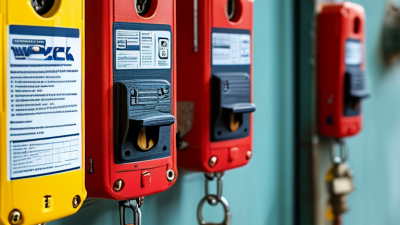
When it comes to global buyers looking for China-based Lockout Hasps, you can't just focus on price and delivery times. A good hasp needs to fit the lock perfectly, handle being used repeatedly, and stay clear enough to read even in a bustling maintenance area. Imagine a technician working on a machine next to a noisy production line — a loose hinge or a locking hole that's too tight can turn what should be a quick job into a frustrating delay. It’s the little details that really matter.
Now, let’s talk about the risks involved. According to OSHA, proper lockout/tagout procedures prevent roughly 120 deaths and 50,000 injuries every year in the U.S. Their standard, 29 CFR 1910.147, lays out what’s needed to control dangerous energy during maintenance or repairs. While these stats aren’t a worldwide forecast, they do highlight why buyers need to pay close attention to the materials used, dimensions, quality of workmanship, and inspection records — not just what the catalog promises. So, it’s a good idea to ask manufacturers for detailed specs and some real product samples.
And hey, if someone quotes a specific expert or source, make sure to verify it before you share or publish. Since no particular quote was included here, it’s best not to attribute it to anyone inaccurately. That's just good practice. Instead, this guide leans on OSHA’s official data and standards. When comparing Lockout Hasps suppliers from China, it’s smart to look at things like their product selection, customization options, quality control processes, and how ready they are to export. Remember, no single checklist will tell you exactly which supplier is right — always double-check their specs against your own equipment needs and procedures.
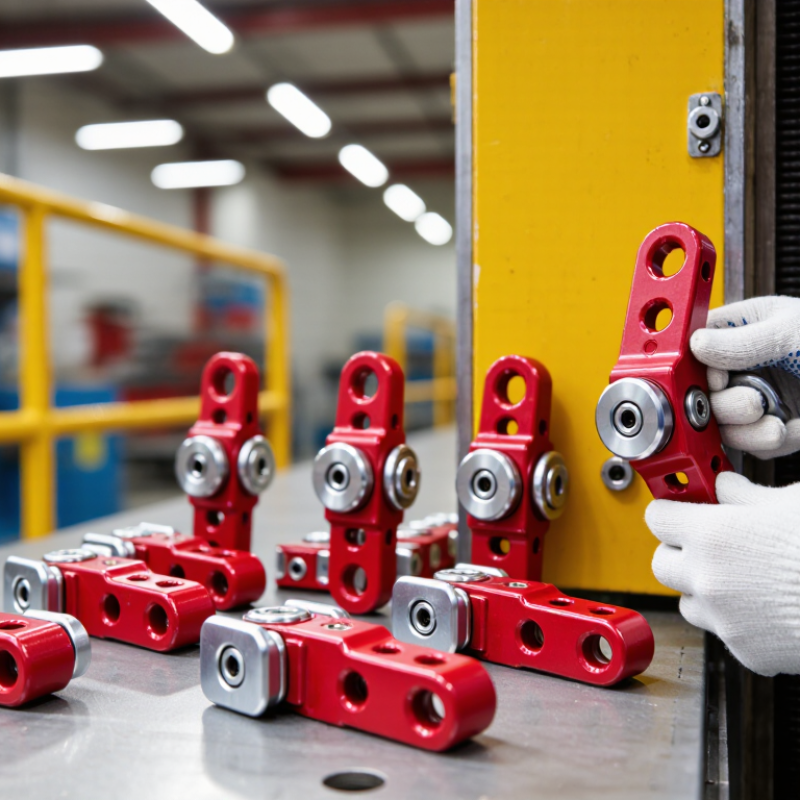
A lockout hasp lets several workers secure one energy-isolating point with separate padlocks. During maintenance, a technician may place a hasp through a switch or valve lockout device, then attach a personal lock. The equipment cannot be returned to service until every worker removes their own lock. Small component. Serious responsibility.
OSHA estimates that effective lockout/tagout practices could prevent about 120 fatalities and 50,000 injuries each year. Its Control of Hazardous Energy guidance underscores the value of controlling hazardous energy during servicing. A hasp supports that process, but it does not isolate energy by itself. Workers still need to follow site procedures and verify that equipment is de-energized.
For buyers assessing hasps, check the jaw opening, lock-hole capacity, material, and fit with the isolation devices used on site. A steel hasp may suit a tough maintenance area; corrosion-resistant material can be useful around moisture. In practice, a poor fit can slow a job or invite a workaround. That detail deserves more attention than it often gets.
Designing Steel Lockout Hasps starts with the points where people, locks, and equipment meet. Engineers choose a body thickness and jaw opening that fit the intended isolation point without excessive movement. Hole diameter and spacing matter too. If holes are too tight, workers may struggle to attach their padlocks while wearing gloves. Too much clearance can let the hasp shift.
Manufacturing usually involves cutting or stamping the metal, forming the jaw, and finishing sharp edges. A protective coating helps limit corrosion, but it must not interfere with the fit of the hasp or its moving parts. Small details count. A rough edge can snag a glove. A crooked hole can complicate use. Dimensional checks, coating inspections, and practical fit tests help catch these issues before shipment. Samples should be tested with commonly used lock sizes, not just measured on a bench. That step is easy to overlook. There is a trade-off: thicker metal may feel more robust, yet can add bulk in crowded work areas. Manufacturers need to check the design against real attachment points and revise it when field feedback reveals a poor fit. No design is perfect on paper.
China’s lockout hasp manufacturing landscape is part of a much larger industrial network. UNIDO’s International Yearbook of Industrial Statistics 2024 estimates China produced about 31.8% of global manufacturing value added in 2022. The National Bureau of Statistics reported that China’s manufacturing value added grew 6.1% in 2024. These figures describe the broader base, not lockout hasps alone.
For buyers, that base can mean access to metal stamping, machining, surface finishing, and export logistics within one sourcing region. Yet a dense supplier network does not guarantee consistent parts. Check how smoothly the hinge moves, whether the jaw closes fully, and whether punched edges feel rough. Ask for samples from the same production process intended for an order. Small details matter.
Multi-Person Lockout Hasps also need practical checks: can several padlocks fit without crowding, and does the hasp remain easy to handle with gloves? Specifications and inspection records help compare suppliers, but paperwork cannot replace a physical fit test. And comparisons get messy. Product-level public data is limited, so buyers should avoid treating national manufacturing statistics as proof of an individual factory’s quality.
For global buyers, a hasp is a small part with a critical job: it must keep equipment isolated while several workers attach personal locks. OSHA’s Lockout/Tagout eTool estimates that effective lockout/tagout practices prevent about 120 fatalities and 50,000 injuries each year in the United States. That figure makes material quality and fit more than purchasing details. Safety Lockout Hasps should be checked against the buyer’s applicable requirements, including OSHA 29 CFR 1910.147 where relevant and ANSI/ASSP Z244.1 as a consensus reference. Standards differ by market, so confirm scope rather than assuming one certificate covers every destination.
Ask suppliers for material specifications, corrosion-test methods, load-test records, and inspection criteria. Check that the jaw fits the intended isolation point and that each hole accepts the specified lock shackle without forcing it. Inspect edges for burrs, rivets for movement, and coatings for missed areas. Request traceable batch records and a sample from routine production, not only a specially prepared sample. Small details matter.
A sample can look sound and still conceal inconsistent production. That is easy to miss. Buyers should compare measured thickness and opening dimensions across several units, then verify results against the approved drawing. Review corrective-action records for recurring defects, too; a polished inspection report alone is not proof of stable quality. The check takes time, but replacing poorly fitting hasps on site takes longer.
When evaluating Chinese lockout hasp manufacturers, start with the product’s construction, not the catalog photos. Ask for material specifications, jaw dimensions, coating details, and samples from current production. A hasp should close smoothly and resist twisting during a practical fit check. Small gaps matter.
Check whether the supplier can explain how it controls incoming materials, forming, finishing, and final inspection. Request inspection records for dimensions and surface defects, then compare them with the sample you received. If you need Aluminum Hasps, confirm the alloy and intended use; “aluminum” alone does not describe strength or corrosion performance. Ask how the hasp performs in damp storage or around common workplace chemicals. Get the answer in writing.
Communication is evidence, too. A reliable manufacturer should respond clearly to technical questions and flag limits instead of promising everything. Discuss sample approval, production lead times, packaging, and how defects are handled. If possible, review the production area or arrange an independent inspection before a large order.
One visit is not proof of consistent quality. I have seen polished samples create confidence too quickly; a sample cannot show whether every production batch will match. Ask how batches are identified and what records remain available.
Sourcing lockout hasps from China starts with the hazard, not the catalogue. Record how many workers may need to attach personal locks, the isolation points involved, and the operating environment. A maintenance room with oily gloves needs different handling details from a dry assembly line. OSHA estimates that effective control of hazardous energy prevents about 120 fatalities and 50,000 injuries each year in the United States. That figure makes fit and function more than purchasing details. It is an estimate, not a guarantee for any one workplace.
Send suppliers a written specification covering shackle diameter, number of lock openings, body material, corrosion exposure, and dimensions. Request drawings, material information, and samples; test the sample with the actual locks and gloves used on site. Small mismatch, big headache. Ask for inspection records and agree on acceptable defects before production. Then confirm packaging, shipment terms, lead time, and export documents in writing. Have a customs broker check the product classification and import requirements for your destination; requirements vary by country. OSHA’s 29 CFR 1910.147 is a useful U.S. reference for hazardous-energy control, but it does not replace local rules or a site-specific risk review. I would not skip the first article inspection, even when the sample looks right. A polished sample can hide inconsistent production.
Compare how many of the two main customs-clearance obligations—export and import clearance—the seller is responsible for under each rule. Use the agreed Incoterm when requesting quotes and planning your import.
Score: number of clearance obligations assigned to the seller, from 0 to 2. Under EXW, the buyer handles export clearance; under DDP, the seller handles both export and import clearance. FOB and CIF apply only to sea and inland-waterway transport. Source: ICC Incoterms® 2020 rules.
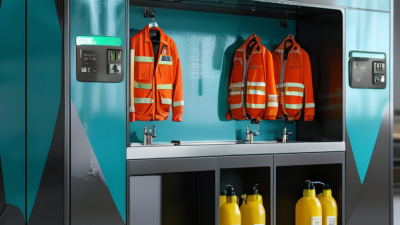
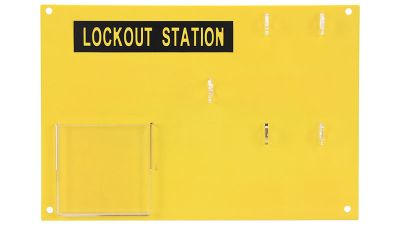
A compact ABS safety lockout station can make Lockout/Tagout (LOTO) procedures easier to carry out consistently. Wall mounting keeps locks, hasps, and tags visible and accessible near the work area, reducing time spent searching for equipment during maintenance. Use clearly designated storage positions and keep the station stocked with the devices required for the machinery and tasks at your site. Before work begins, employees should follow their established energy-control procedure, apply the appropriate devices, and verify that hazardous energy has been isolated. The station supports this process; it does not replace training, machine-specific procedures, or verification.
The value of organized LOTO equipment is underscored by the U.S. Occupational Safety and Health Administration (OSHA), which estimates that effective lockout/tagout practices can prevent about 120 fatalities and 50,000 injuries each year. To help make equipment available when needed, assign responsibility for checking the station, replacing missing or damaged items, and keeping supplies in their designated places. A durable, compact ABS board can provide a practical storage point for these essentials, especially where floor space is limited. Regularly review the station’s contents against your facility’s energy-control procedures so workers can find the right equipment promptly and follow a consistent shutdown routine.
It lets several workers attach personal padlocks to one energy-isolating point. Equipment stays unavailable until every worker removes their lock. Small part. Serious duty.
No. It supports a lockout process but does not stop energy on its own. Workers must follow site procedures and verify the equipment is de-energized.
Check the jaw opening, lock-hole capacity, material, and fit with the isolation device. Test it with the actual padlocks used on site.
Corrosion-resistant material may be useful where moisture is common. Steel may suit tougher work areas, but the environment and product specifications matter.
Attach the expected number of locks and check for crowding. Try handling the hasp with work gloves. Awkward fit matters.
Provide the shackle diameter, number of lock openings, body material, dimensions, and corrosion exposure. Include clear drawings where possible.
Samples let buyers check hinge movement, jaw closure, and rough edges. Records help compare production, but they cannot replace a physical fit test.
Agree in writing on acceptable defects, packaging, shipment terms, lead time, and export documents. Check destination requirements with a customs broker. I would not skip the first article inspection; a polished sample may not reflect every production unit.
Lockout Hasps are essential workplace safety devices that allow multiple workers to secure a single energy-isolating point with their own locks, helping prevent equipment from being restarted during maintenance. This article explains how hasps are designed and manufactured, including material selection, forming, finishing, and assembly. It also surveys China’s manufacturing landscape and the range of product options available to international buyers.
For reliable sourcing, buyers should consider relevant safety standards, product testing, material quality, durability, and consistency between samples and production batches. The guide also outlines how to assess manufacturers by reviewing their technical capabilities, quality-control processes, communication, and export experience. Finally, it presents a practical sourcing and importing sequence, from defining specifications and requesting samples to confirming production details, arranging shipping, and inspecting delivered goods.