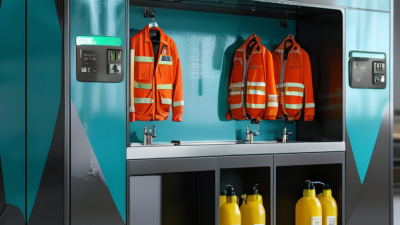
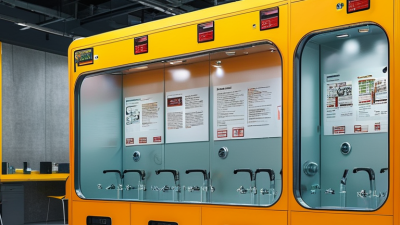
In workplaces where there's a risk of coming into contact with hazardous chemicals, having proper eyewash stations is a total must for keeping everyone safe. Did you know that, according to OSHA, over 2.1 million workers are exposed to dangerous chemicals every year? It’s pretty serious. Making sure these stations are easy to get to — like within a few seconds — can really make a big difference if something goes wrong. Unfortunately, even with all the rules out there, a lot of companies still slack off when it comes to keeping their eyewash facilities up to code. That’s definitely an area where we could do better.
Getting the right eyewash equipment in place isn’t just about ticking boxes. It can actually save lives and cut down on costs in the long run. The ANSI recommends that eyewash stations be within 10 seconds of any spot where chemicals are used—sounds reasonable, right? But the sad part is, almost 30% of these units aren’t checked regularly, which raises questions about whether they’ll work properly when needed. Keeping everything maintained and training staff on how to use the equipment properly really helps improve safety and makes sure everyone’s protected.
Good eyewash stations aren’t just about following the rules; they help build a real culture of safety within the company. It’s worth taking a step back and looking at whether your current setup does the job it’s supposed to do. There’s always room to give safety measures a little tweak here and there. Remember, missing even a small detail can lead to serious consequences—affecting workers and the company alike. So, staying proactive and on top of safety gear isn’t just smart; it’s essential.
Overview of Eyewash Equipment in Workplace Safety
In any workplace, eyewash stations play a critical role in ensuring employee safety. According to the American National Standards Institute (ANSI), around 2,000 eye-related injuries occur in U.S. workplaces each day. This statistic underscores the importance of proper eyewash equipment. Ensuring immediate access to eyewash stations can significantly reduce the severity of injuries caused by hazardous substances. The ANSI standard suggests that eyewash stations be located no more than 10 seconds away from potential hazards.
Eyewash equipment should meet specific criteria to be effective. It must provide a consistent flow of water for at least 15 minutes. The water temperature should be around body temperature. This is essential to prevent shock from extreme temperatures. Regular maintenance is crucial, yet it is often overlooked. A 2019 report highlighted that nearly 30% of workplaces failed to perform routine checks on their eyewash stations. This gap can lead to equipment that does not function when needed most.
Training employees on proper eyewash station use is equally important. Many workers are unfamiliar with how to use these stations effectively. Without proper training, the equipment may not yield the intended results during an emergency. Investing in both equipment and employee training fosters a safer work environment. Bridging the gap between compliance and real-world safety can be a challenge for many organizations.
Best Eyewash Equipment for Safety and Compliance in Workplaces
| Type of Eyewash Equipment |
Features |
Compliance Standards |
Recommended Usage |
| Plumbed Eyewash Station |
Continuous water supply, adjustable flow rate, easy access |
ANSI Z358.1 |
Laboratories, chemical handling areas |
| Self-Contained Eyewash Station |
Portable, no plumbing required, incorporates sterile solution |
ANSI Z358.1 |
Remote locations, areas without plumbing |
| Eyewash Bottles |
Single-use, portable, eyedropper style |
OSHA regulations |
Small labs, mobile operations |
| Drench Shower with Eyewash |
Simultaneous body and eye wash, large water volume |
ANSI Z358.1 |
Chemical processes, industrial settings |
Importance of Compliance with Safety Standards
Compliance with safety standards is essential in any workplace. An eyewash station serves as a critical component in this regard. The American National Standards Institute (ANSI) recommends that workplaces with hazardous materials have immediate access to eyewash stations. According to a recent report by the Occupational Safety and Health Administration (OSHA), 90% of workplace accidents involving eye injuries could be mitigated with proper eyewash equipment.
In many industries, employees are exposed to harmful chemicals. An eyewash station, like the Guardian Equipment Eyewash Station, is crucial for providing immediate relief. Research indicates that washing eyes with clean water reduces injury severity significantly. However, a shocking statistic reveals that 30% of workplaces lack necessary eyewash provisions. This gap highlights a need for better compliance and awareness about safety equipment.
Regular checks and maintenance of eyewash stations are necessary. Many facilities struggle with updating or replacing outdated units. The consequence of neglect is severe; injuries that could be treated become long-term damage. Organizations must prioritize training for their staff on how to use eyewash stations effectively. This can ensure that, in case of emergencies, the response is swift and efficient. Compliance is not just a legal obligation; it's a moral one.
Best Eyewash Equipment for Safety and Compliance in Workplaces
Types of Eyewash Stations and Their Features
Eyewash stations are essential for ensuring safety in workplaces where hazardous substances are present. The two main types are plumbed and portable eyewash stations. Plumbed stations connect directly to a water line. This ensures a continuous flow of water. They are often more reliable for immediate use in emergencies. According to the American National Standards Institute (ANSI), these stations must provide tepid water at 60°F to 100°F for at least 15 minutes.
Portable eyewash stations, on the other hand, offer flexibility. They are crucial in areas where plumbed stations are unavailable. Some portable units feature self-contained water tanks. These can be easily moved and require less maintenance. However, they must be regularly inspected and refilled to ensure effectiveness. A report from the National Institute for Occupational Safety and Health (NIOSH) highlights that nearly 20% of workplace eye injuries could have been prevented with proper eyewash equipment.
Each type of eyewash station has unique features and compliance standards. Plumbed stations typically have larger reservoirs and can handle multiple users. Portable stations are more compact, allowing for easy storage. Certain models now include features like saline solutions. This can be beneficial for additional comfort. Regular training and updates on guidelines are vital, as user knowledge impacts effectiveness. The right eyewash equipment is a critical investment in workplace safety and compliance.
Factors to Consider When Choosing Eyewash Equipment
When selecting eyewash equipment, safety and compliance must lead the decision-making process. It's vital to assess the specific needs of your workplace. Understanding the nature of potential hazards can guide you towards the right type of eyewash station. Consider the location of the equipment. It should be easily accessible and in proximity to areas with high risk of exposure. Evaluate whether you need portable units or fixed stations.
Emergency Eyewash Equipment should be regularly tested and properly maintained. Compliance with safety regulations demands that these units function correctly at all times. Ensure they’re free from obstacles and clearly marked. Color coding can help your employees identify the equipment quickly during emergencies.
Invest in quality training for your staff. Familiarizing them with the location and operation of eyewash stations is crucial. Not taking this step may lead to confusion and delays during emergencies. Engage employees in discussions about safety equipment. Gathering feedback can reveal areas for improvement and highlight any overlooked risks.
Installation and Maintenance of Eyewash Stations
Proper installation and maintenance of eyewash stations are crucial for workplace safety. These stations should be easily accessible and well-marked. Ideally, they should be located within 10 seconds of a potential hazard. The water flow must be gentle and consistent, ensuring a comfortable wash. Regular inspections help identify issues before they become serious problems.
Maintenance requires regular testing of functionality. Ideally, eyewash stations should be activated weekly to check for obstructions and functionality. This practice helps ensure that the emergency eyewash testing equipment is in working order when needed. Staff should be trained on how to use the eyewash stations effectively. Proper training enhances response times in emergencies.
Even the best-designed eyewash systems can fail without consistent care. It’s easy to overlook these units in busy workplaces. However, neglecting maintenance could result in dire consequences during an emergency. Regular audits can help maintain compliance with safety standards. Establishing a routine for checking and caring for eyewash stations is essential. This proactive approach creates a safer workplace for everyone.
Training Employees on Eyewash Equipment Usage
Training employees on eyewash equipment usage is crucial for workplace safety. Many workers don't fully understand how to use this equipment effectively. A lack of training can lead to serious injuries. For instance, if someone suffers an eye exposure incident, knowing the correct procedure can make a significant difference.
Hands-on training should be part of a comprehensive safety program. Employees should practice using the eyewash stations. They should learn how to flush their eyes properly and for how long. It’s important to create real-life scenarios during training. Participants can build confidence and become more competent in emergencies. Continuous reinforcement through regular drills is essential.
However, companies often overlook this aspect. Training sessions may become routine without proper engagement. Frequent assessments can help determine the effectiveness of training. Regular feedback from employees is valuable. Adjusting training programs based on this feedback can improve overall safety and compliance. Investing time in refining training programs displays a commitment to workplace well-being.
Regulatory Requirements and Best Practices for Eyewash Stations
In workplaces, ensuring the safety of employees is crucial. Eyewash stations are essential for quick response in the event of eye exposure to hazardous substances. Regulatory requirements often dictate the placement and maintenance of these stations. They should be easily accessible and clearly marked. Visibility can be the difference between injury and safety.
Emergency Safety Equipment serves a significant role in compliance. Regular inspection and maintenance of eyewash stations are necessary to meet safety standards. Ensure that the water is clean and flows freely. Standing water can lead to contamination, reducing effectiveness. Training employees to use eyewash stations properly is equally important. Familiarity breeds confidence and effectiveness during emergencies.
Consider regular drills to simulate exposure scenarios. This preparation can reveal any flaws in the safety procedures. It's a good opportunity to reflect on the adequacy of your Emergency Safety Equipment. Don't underestimate the importance of feedback from employees. They can provide insights into how accessible and user-friendly the equipment is during a crisis.
Enhancing Industrial Safety: Insights from Industry Reports on the BD-550A Emergency Drench Shower & Eyewash Unit
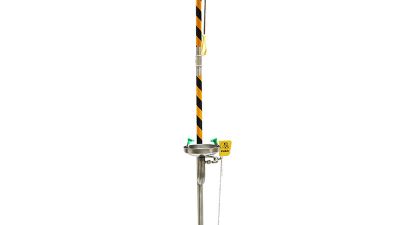
In today's industrial landscape, ensuring the highest standards of safety is paramount, and the BD-550A Emergency Drench Shower and Eyewash Unit stands at the forefront of these efforts. Designed for immediate emergency response, this versatile unit combines a spacious drench shower with a precision-flow eyewash station, providing essential protection in environments like factories, laboratories, and hospitals. Its durable construction of 304 stainless steel ensures that it can withstand the rigors of demanding work sites, while also offering long-lasting reliability crucial for emergency situations.
The BD-550A is engineered for quick activation, enabling users to respond instantly to chemical spills or injuries, thereby minimizing potential harm. Its floor-mounted design enhances accessibility, ensuring that personnel can reach safety equipment promptly, regardless of the surrounding conditions. This unit not only fulfills regulatory safety requirements but also enhances workplace confidence by providing a proactive safety measure that is easily integrated into various industrial settings.
Manufactured by a reputable supplier, the BD-550A reflects a commitment to both quality and functionality. By investing in such high-performance safety equipment, industries can protect their workforce effectively while maintaining compliance with safety standards. As industrial safety evolves, solutions like the BD-550A are critical in promoting a culture of safety and preparedness within the workplace.
FAQS
: Eyewash stations prevent severe injuries from hazardous substances by providing immediate decontamination.
Eyewash stations should be located within 10 seconds of potential hazards.
Eyewash stations must deliver a consistent flow of water for at least 15 minutes.
Water should be close to body temperature to avoid shock from extremes.
Many workplaces neglect maintenance, leading to potential equipment failure when needed.
Many workers lack training, which can hinder emergency response effectiveness.
Drills help identify flaws in safety procedures and improve response times.
Feedback can offer insights on accessibility and usability during emergencies.
Yes, standing water can become contaminated, reducing the stations' effectiveness.
Bridging compliance and practical safety can be difficult, often needing reflection and improvement.
Conclusion
Eyewash equipment plays a crucial role in ensuring workplace safety by providing immediate relief in the event of exposure to harmful substances. Compliance with safety standards is essential for protecting employees' health and well-being, as proper eyewash stations can significantly reduce the risk of long-term damage. Various types of eyewash stations, including portable units and wall-mounted fixtures, offer different features tailored to specific workplace environments.
When selecting eyewash equipment, it is vital to consider factors such as accessibility, water flow rate, and maintenance requirements. Regular installation and upkeep, along with comprehensive training for employees on the correct usage of these stations, are essential components of a robust safety program. Adhering to regulatory requirements and best practices not only enhances safety but also demonstrates a commitment to employee welfare in any workplace setting.