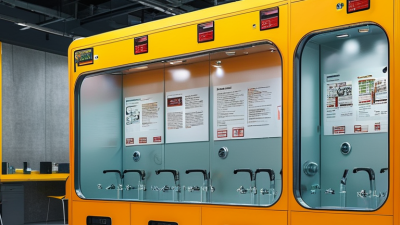
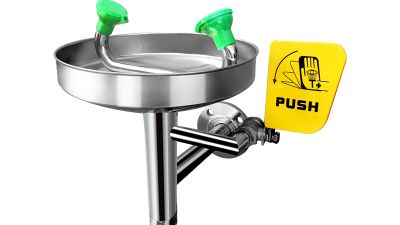
In industries like manufacturing and chemical processing, eye injuries are actually a pretty serious concern. Did you know that, according to the American National Standards Institute (ANSI), around 20,000 workplace eye injuries happen every year in the U.S.? Yikes. A lot of these accidents could be avoided or at least lessened with the right safety measures — stuff like having an effective Eye Wash Station in place. The thing is, quick action when an eye injury occurs can really make all the difference in how well someone recovers.
Now, an Eye Wash Station isn’t just a nice to have. It’s gotta meet certain standards set by authorities, like ANSI Z358.1. These rules cover things like where it should be located, how much water should flow, and how visible it needs to be. Sadly, not every workplace is keeping up — a recent survey by the National Safety Council found that about 30% of organizations still don’t have proper eye wash facilities installed. That’s a pretty big gap that really puts employees at risk. So, it’s a good idea for companies to regularly check their safety gear and protocols just to make sure everything’s up to date.
Choosing the right Eye Wash Station really matters too. Factors like how easy it is to get to, the quality of water it uses, and how well it’s maintained are all important. Having one isn’t enough — it needs to actually work when someone needs it. Regular inspections and making sure employees know how to use it properly are key steps. Overall, organizations need to keep reviewing their safety measures constantly, so everyone can work with confidence and peace of mind.
Understanding the Importance of Eye Wash Stations in Workplace Safety
In many workplaces, accidents can happen in seconds. A simple splash of chemicals or dust in the eyes can lead to serious injuries. This is where eye wash stations come into play. Their primary role is to provide immediate relief. They help in flushing out dangerous substances quickly. But having a station isn’t enough. It must be accessible and well-maintained.
Proper placement is crucial. It should be located within a short distance from potential hazards. An eye wash station is only effective if every employee knows where it is. Regular testing is also essential. Water quality should be monitored to ensure it's clean. Some workplaces struggle with this regularly. Misalignment of safety protocols can lead to confusion during emergencies.
While recognizing the importance of these stations, it's vital to promote training sessions. Employees should practice using an Eye Wash Station Kit. Simulated scenarios can prepare them for actual emergencies. These measures help build confidence and ensure quicker response times. The primary goal is to prevent long-term damage and protect workers.
Types of Eye Wash Stations: Portable vs. Plumbed Options
When considering the best eye wash station for workplace safety, it's important to evaluate the types available. Portable and plumbed options serve distinct needs. Portable stations are vital for remote locations. They provide immediate access, ensuring quick response in emergencies. According to the American National Standards Institute (ANSI), 70% of eye injuries occur in workplaces without proper safety measures. This highlights the importance of having accessible eye wash stations.
Plumbed eye wash stations, on the other hand, are permanent fixtures. They offer continuous water flow and are connected to a reliable source. Facilities that handle hazardous materials should prioritize these stations. A report from the National Safety Council states that organizations with compliant safety equipment reduce injury rates by up to 30%. This statistic emphasizes the need for investment in safety infrastructure, ensuring compliance and employee safety.
For optimal use of your Lab Eye Wash Station, ensure regular maintenance checks. Water quality and flow need to meet safety standards. Keep the area around the station clear and well-marked. Train employees on how to use the station. This can save valuable time during an emergency and make a real difference in outcomes. Investing in both types of stations not only fulfills legal requirements but also demonstrates a commitment to employee well-being.
Key Features to Look for in an Eye Wash Station
When choosing the best eye wash station for safety in the workplace, key features play a vital role. A reliable unit should provide a steady flow of clean water. Water pressure matters; it ensures quick and effective rinsing. Stations need to be easily accessible. If they're hidden away, they won't serve their purpose during emergencies.
Having a “Sink Eye Wash Station” with dual functionality can be beneficial. This setup allows for immediate flushing while accommodating regular handwashing. Portable units may also be helpful for those in varied work environments. Make sure the station meets ANSI standards for safety. Compliance is a sign of reliability.
Regular maintenance is essential. Dirty or poorly maintained stations can lead to serious health risks. Check water quality often and replace any expired solutions. Educating employees about the importance of eye wash stations is crucial. They need to know when and how to use them effectively. Remember, safety equipment is only useful if it's utilized correctly.
Regulatory Standards for Eye Wash Stations in Different Industries
In various industries, safety standards for eye wash stations are critical. These stations provide immediate relief for eye exposure to hazardous substances. Compliance with regulatory standards ensures that workers have access to essential safety equipment. For example, the ANSI Z358.1 standard outlines requirements for installation, maintenance, and accessibility.
Different sectors, like healthcare and manufacturing, have specific guidelines. In the healthcare sector, eye wash stations must be in accessible locations. They should offer a hands-free operation to prevent contamination. In manufacturing, immediate access is vital, especially in areas dealing with corrosive materials. Here, the Eye Wash Station Sign plays a crucial role in guiding employees to the stations quickly.
Despite strict regulations, many workplaces still lack proper implementation. Some may overlook the need for regular maintenance, leading to ineffective stations. This gap can create serious safety risks. Organizations must continually assess their eye wash station setups. Only then can they ensure compliance and, most importantly, protect the well-being of their employees.
Proper Installation and Maintenance of Eye Wash Stations
Proper installation and maintenance of eye wash stations are vital for workplace safety. These stations are essential in minimizing the effects of chemical splashes or debris in the eyes. First, the placement of eye wash stations should meet the accessibility standards. They must be within 10 seconds travel time from potential hazards. Regular assessments of the location ensure that they remain accessible as the workplace evolves.
Maintenance is equally important. Routine checks should be conducted to ensure the water flow is adequate. The solution must be free of contaminants. It’s critical to flush the station for 3 minutes weekly to prevent stagnant water. Staff should be trained to operate the eye wash stations correctly. Without training, even the best equipment may not perform effectively in emergencies.
Consider the condition of the eye wash stations. Rust, leaks, or unclear signage can hinder their effectiveness. Regular inspections by knowledgeable personnel can help identify these issues. Record-keeping of maintenance actions can provide insight into any recurring problems. Isn’t it better to catch these issues early, rather than in a moment of crisis? A proactive approach promotes safety culture in any organization.
Best Eye Wash Station for Safety in the Workplace? - Proper Installation and Maintenance of Eye Wash Stations
| Dimension |
Recommendation |
Maintenance Frequency |
Installation Guidelines |
| Water Flow Rate |
Minimum 0.4 gallons per minute |
Monthly |
Ensure correct pressure and volume |
| Temperature |
Between 60°F and 100°F |
Weekly |
Test and adjust as needed |
| Accessibility |
Within 10 seconds from hazards |
Monthly |
Clear path to station |
| Training |
Regular staff training on usage |
Bi-yearly |
Conduct simulations |
| Inspection |
Regular functional tests |
Quarterly |
Document findings |
Training Employees on Eye Wash Station Usage
Training employees on how to use an eye wash station is critical in ensuring workplace safety. Many workers are unaware of the correct procedure. This can lead to ineffective responses in emergencies. Employees should practice using the station before an incident occurs. Familiarity can increase their confidence and speed in real situations. Regular drills help reinforce this training.
Consider using real-life scenarios during training sessions. Simulating accidents with mock spills can show employees the urgency of proper eye wash techniques. It’s important to emphasize the need for immediate action. Time is critical when dealing with chemical exposure to the eyes.
While teaching the importance of eye wash stations, it’s also vital to address common misconceptions. Some may believe that rinsing eyes with water in a sink is sufficient. Educating them on facility-specific protocols can be enlightening. Encourage feedback to improve training methods. Refining these processes ensures that workers feel prepared and informed.
Evaluating Effectiveness: When to Upgrade Your Eye Wash Station
When considering the effectiveness of an eye wash station, several factors come into play. The primary goal is to ensure quick and efficient response in case of chemical exposure. Regular inspections are crucial. Check the functioning, water quality, and signage regularly. Do not overlook the importance of proper training for employees. They must know how to use the station effectively.
Upgrading your eye wash station may be necessary if you notice any limitations. Equipment that is difficult to access or does not provide adequate flow should be prioritized. Also, consider the location. If it’s too far from hazardous work areas, it may not serve its purpose well. Facilities should be equipped with both portable and fixed stations for flexibility.
Ultimately, reflect on the overall compliance with safety standards. This includes ensuring the eye wash station is compliant with regulations. Assess if frequent usage exposes shortcomings in your current setup. Be open to feedback from employees as their experiences can shed light on areas needing improvement.
Ensuring Safety in Workplaces: The Importance of the China BD-508A Wall Mounted Eye Wash Station
In today's fast-paced work environments, ensuring safety is paramount, especially in settings such as chemical laboratories, healthcare facilities, and manufacturing plants. The importance of having emergency equipment like the wall-mounted eye wash stations cannot be overstated. These stations provide immediate assistance for workers exposed to hazardous substances, enabling quick decontamination of the eyes and face in critical situations. The BD-508A Wall Mounted Eye Wash Station exemplifies this necessity with its thoughtful design and robust build.
Constructed from resilient stainless steel, the BD-508A is built to withstand the daily rigors of the workplace while ensuring a dependable water flow when seconds count. Its space-saving design makes it particularly suitable for areas where every inch matters, allowing for easy installation without compromising accessibility. In an environment where safety threats can arise unexpectedly, having a dedicated emergency rinsing station significantly increases the preparedness of the workforce.
By prioritizing quick and effective responses to chemical exposure, organizations can foster a safer work atmosphere. The BD-508A not only complies with safety standards but also instills confidence among workers, allowing them to carry out their tasks with peace of mind. Investing in such essential safety equipment is a crucial step toward protecting employees and enhancing overall workplace safety.
FAQS
: There are portable and plumbed eye wash stations. Each serves distinct workplace needs.
They provide immediate access in remote locations, ensuring quick emergency response.
They offer continuous water flow and connect to a reliable water source.
Organizations with compliant safety equipment can reduce injury rates by up to 30%.
Regular checks for water quality and flow are essential to meet safety standards.
It’s important to flush the stations for 3 minutes weekly to avoid stagnant water.
Proper training on using the eye wash stations can save valuable time during emergencies.
Inspections help identify issues like rust or leaks, which can hinder effectiveness.
They should be within 10 seconds travel time from potential hazards.
Keeping a record of maintenance actions can highlight recurring problems for early resolution.
Conclusion
Eye Wash Stations play a crucial role in ensuring workplace safety, particularly in environments where employees may be exposed to hazardous materials that can cause eye injuries. It is essential to understand the different types of eye wash stations available, such as portable and plumbed options, and to be aware of the key features that enhance their effectiveness. Compliance with regulatory standards across various industries is also important, as these guidelines ensure that eye wash stations are properly designed and maintained.
Proper installation and ongoing maintenance of eye wash stations are critical to their functionality, along with training employees on how to use them effectively during emergencies. Regular evaluation of the effectiveness of these stations may warrant upgrades to improve safety measures. By prioritizing the correct implementation and education regarding Eye Wash Stations, workplaces can significantly reduce the risk of eye injuries and promote a culture of safety.