Picking out the right Chemical Eyewash station isn’t as simple as just comparing prices or looking at product pictures. For folks shopping world-wide, there are a bunch of factors to keep in mind—like the risk of chemical exposure, how the workplace is laid out, water quality, the local climate, and how much maintenance you’re willing to do. For example, a cozy lab might just need a small, wall-mounted unit, whereas a busy processing plant could require a sturdy stainless-steel combo station with a safety shower nearby. Tiny details really matter here – a weak spray pattern, a drain that gets blocked, or a frozen water line could make all the difference when seconds count in an emergency.
This guide walks you through ten different Chemical Eyewash stations tailored for various industrial or lab settings. We look at how well they flush, their bowl design, activation mechanisms, materials used, what’s needed to install them, and how easy it is to get replacement parts. Brands like Haws, Bradley, Guardian Equipment, and Speakman are pretty well-known, and their products can be a good starting point. But honestly, just choosing based on brand name isn’t enough. You really need to double-check the latest specs, look for independent test results, read the installation instructions, and see if they meet your regional standards.
Standards like ANSI/ISEA Z358.1 and EN 15154 are helpful guides, but it’s also smart to consult with local authorities or safety professionals—because every site is different. No single station is perfect for every situation, that’s something people often overlook. For instance, something that works great inside a warm lab might not hold up outdoors in harsh mining conditions. Factors like temperature, resistance to corrosion, and routine inspections deserve just as much thought as how the station works in theory.
In the end, your choice should really be based on a solid risk assessment and advice from qualified safety experts. Sure, this may take a little more time upfront, but it’s worth it—because it means fewer mistakes when making a purchase and having confidence that your emergency gear is reliable when it really matters.
Chemical Eye Wash Station systems are designed to flush hazardous substances from the eyes immediately after exposure. They are not substitutes for protective eyewear, safe handling, or staff training. Seconds matter. A station should be reachable within a short, unobstructed path from chemical work areas. Its location must remain visible, even when workers are wearing gloves or carrying containers.
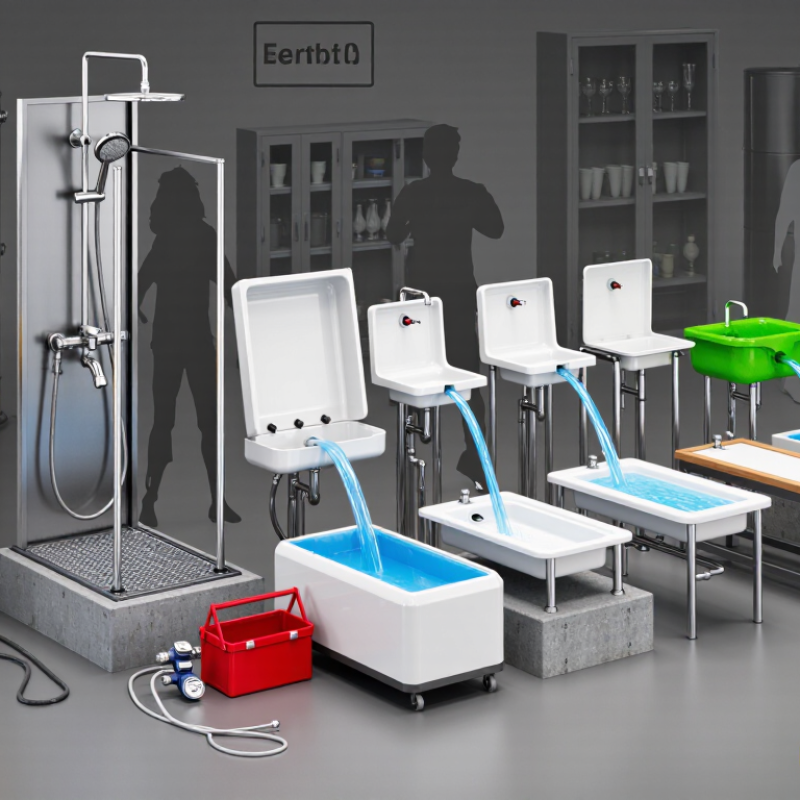
The main types include plumbed units, portable gravity-fed units, and combination stations with emergency showers. Plumbed models support frequent use and continuous water supply, while portable units help in remote or temporary workplaces. Each option needs clean flushing fluid, suitable flow, protected nozzles, and clear operating instructions. The water should reach both eyes gently without causing additional injury. Keep it reachable.
During practical inspections, I look for dust on nozzle covers, blocked access, expired fluid, and unclear inspection records. A clean-looking unit can still be unsafe if its flow is weak or its temperature is unsuitable. This detail is often missed. Regular activation tests, fluid replacement, and documented checks improve reliability. Buyers should also verify material compatibility, mounting height, drainage arrangements, and local workplace requirements. Product descriptions can sound convincing, but site conditions decide whether the station truly works. No system is perfect, so staff should rehearse use and report design problems before an emergency.
Minimum flow rates and flushing duration based on ANSI/ISEA Z358.1-2014 performance requirements. These values help buyers compare emergency eyewash, eye/face wash, and safety shower configurations without relying on brand-specific data.
Safety reference: Emergency equipment should deliver clean, tepid flushing fluid continuously for at least 15 minutes. An eyewash requires at least 1.5 L/min, an eye/face wash requires at least 11.4 L/min, and a safety shower requires at least 76 L/min under ANSI/ISEA Z358.1-2014.
Choosing a Chemical Burn Treatment Station starts with the workplace hazard, not the product photograph. Acids, alkalis, solvents, and fine powders can affect eyes differently. Review safety data sheets and observe how workers handle each substance. A station near a mixing tank may need a plumbed unit with continuous water flow. Remote maintenance areas may require a sealed, self-contained model. Distance matters. A worker should reach it quickly, without opening doors or crossing cluttered floors.
Check the spray pattern, activation method, water temperature, drainage, and visibility. Large, soft-flow nozzles should rinse both eyes without forcing the eyelids shut. Push plates or pull handles must work with contaminated hands. Markings should remain readable under weak lighting. For dusty facilities, protective covers can reduce nozzle contamination, but they must open immediately. A unit that needs electricity may create another failure point.
Inspect stations on a documented schedule. Test flow, expiry dates, seals, and access routes. Keep a simple inspection record. Practical experience shows that blocked pathways are common, even when equipment is technically suitable. That is a warning worth accepting. Workers also need hands-on drills, because panic can delay activation. I would not choose a station solely because it meets a listed specification. Confirm local requirements, water quality, maintenance capacity, and the actual habits of the people using it.
Global buyers need equipment that matches chemical risks, climate, and workplace layout. These ten leading chemical eyewash station options offer practical choices for different facilities.
A wall-mounted gravity-fed unit suits laboratories with limited plumbing. A stainless steel pedestal model supports busy production areas and resists corrosion. An ABS plastic wall unit provides a lighter, budget-conscious alternative.
A heated outdoor station helps protect water from freezing climates. An insulated freeze-resistant model offers extra security during winter operations.
A self-contained portable tank works where fixed plumbing is unavailable. A combined eyewash and emergency shower serves facilities with higher exposure risks. A deck-mounted unit fits laboratory sinks and small preparation rooms. A recessed cabinet model saves space in narrow corridors. A compact laboratory eyewash station supports controlled, low-volume work areas. Choose carefully. Appearance alone proves little.
Practical inspections should check activation speed, nozzle covers, water flow, drainage, and access clearance. Many facilities also use a tepid water supply for safer, longer flushing. A commonly referenced benchmark is ANSI/ISEA Z358.1, but buyers should verify local requirements before installation.
Chemical compatibility matters too. Stainless steel may perform well in corrosive environments, while selected plastics can reduce maintenance costs. Portable tanks need regular refilling and cleaning. That task is often forgotten.
Records should show inspection dates, water changes, and corrective actions. Staff training remains essential, because even reliable equipment fails when workers cannot reach or use it quickly. Location matters most.
Chemical eyewash selection should begin with compliance, not appearance. In the United States, ANSI/ISEA Z358.1-2014 requires flushing fluid to reach both eyes within one second. It also specifies a continuous flow for at least 15 minutes. Water should remain tepid, generally between 16°C and 38°C. OSHA 29 CFR 1910.151(c) requires suitable flushing facilities where corrosive materials may contact workers. OSHA estimates that workplace eye injuries cost American employers about $300 million annually. That figure excludes lost productivity and long-term treatment.
Global buyers should compare this benchmark with EN 15154-1 and EN 15154-2 for European installations. These standards address performance, flow, and user safety. Local adoption still differs. ISO 3864 can guide safety signage, but it does not replace eyewash performance standards. Certification claims deserve careful checking. Some suppliers present testing documents without explaining the test scope. That is a warning sign.
Tips: Ask for the latest test report, flow-rate evidence, material specifications, and maintenance instructions. Confirm compatibility with the chemicals used onsite. A stainless-steel bowl may resist corrosion, but the internal valve can still fail. Weekly activation and documented annual inspection are practical controls under ANSI guidance. In my experience, access is often overlooked. A compliant unit behind stored cartons is not truly ready for emergencies. 马会
For global buyers comparing the 10 best chemical eyewash stations, installation is a safety decision, not a catalog choice. OSHA 29 CFR 1910.151(c) requires suitable flushing facilities near corrosive materials. ANSI/ISEA Z358.1-2014 recommends access within 10 seconds, on the same floor, with no doors or obstacles. Measure the route from the chemical handling point. Check lighting, floor drainage, and winter temperatures. The standard specifies tepid water, generally 60–100°F. The U.S. Bureau of Labor Statistics reported 2,607,900 nonfatal private-industry injuries and illnesses in 2023. That figure is not chemical-specific, but it supports disciplined prevention.
Maintenance must be visible and repeatable. ANSI/ISEA Z358.1-2014 calls for weekly activation and annual equipment evaluation. Weekly tests should confirm clear flow, clean spray heads, working covers, and usable drains. Full performance checks should verify at least 0.4 gallons per minute for eyewashes over 15 minutes. Emergency showers generally require 20 gallons per minute for 15 minutes. Test records should include water temperature, pressure, date, and corrective action. People forget.
During servicing, use Chemical Resistant Loto Tags to identify isolated valves and prevent accidental shutdown confusion. Keep access clear after every repair. Replace damaged dust covers, cracked bowls, and faded signs immediately. A practical weakness remains: many sites test flow but ignore contamination or stagnant water. Potable supply quality, flushing frequency, and local climate need review. A station can pass a checklist and still fail an injured worker.
| No. | Eyewash Station Type | Best Application | Water Supply and Capacity | Minimum Performance Target | Installation Requirements | Maintenance and Testing Requirements | Relevant Standards and Buyer Notes |
|---|---|---|---|---|---|---|---|
| 1 | Wall-Mounted Plumbed Eyewash | Laboratories, chemical preparation rooms, classrooms, and indoor process areas with a permanent water line. | Potable water connection; continuous supply for at least 15 minutes. | At least 0.4 US gal/min (1.5 L/min) for eyewash outlets, with a gentle, stable flow that does not injure the eyes. | Install on the same floor and in an unobstructed location. The travel distance should normally be no more than 10 seconds from the hazard. Provide clear identification signage and protect against freezing. | Activate weekly to verify flow, clarity, valve operation, and drainage. Clean outlet heads and strainers. Inspect plumbing, labels, caps, and corrosion protection at least monthly. | Commonly selected for fixed chemical hazards. Verify compatibility with ANSI/ISEA Z358.1 or the applicable local standard, such as EN 15154-2. |
| 2 | Floor-Mounted Plumbed Eyewash | Open laboratory floors, production areas, and locations where wall space is limited. | Dedicated potable-water branch with a shutoff arrangement that cannot be accidentally closed during operation. | Minimum eyewash flow of 0.4 US gal/min (1.5 L/min) for 15 minutes when designed to ANSI/ISEA Z358.1 performance criteria. | Anchor the unit securely and maintain sufficient clearance around the bowl. Position the spray heads at a comfortable operating height and keep the approach route free of equipment and stored materials. | Weekly activation is recommended for plumbed units. Check anchor bolts, bowl drainage, spray-pattern alignment, valve return, and water temperature. Remove scale and disinfect according to the facility water-management plan. | Useful where impact resistance and easy access from multiple directions are important. Confirm floor drainage and local plumbing requirements before purchase. |
| 3 | Combination Emergency Shower and Eyewash | Areas with both eye-exposure and full-body splash risks, including chemical handling and bulk-transfer zones. | Dedicated water supply sized for simultaneous operation. ANSI/ISEA Z358.1 uses 20 US gal/min (75.7 L/min) for the shower and 0.4 US gal/min (1.5 L/min) for eyewash outlets. | Shower and eyewash should provide at least 15 minutes of usable flushing. The shower spray should cover the required target area without excessive impact. | Place near the hazard, normally within a 10-second unobstructed travel path. Verify that nearby doors, pallets, pipes, and electrical equipment do not interfere with use. | Test the complete assembly weekly, including simultaneous flow where applicable. Inspect pull rods, foot pedals, valves, drains, spray heads, signage, and water temperature. | Best for higher-risk chemical operations. Confirm that the building supply can maintain required flow and pressure when other fixtures are operating. |
| 4 | Self-Contained Gravity-Feed Eyewash | Remote rooms, temporary work areas, construction sites, and facilities without reliable plumbing. | Sealed or refillable reservoir; the volume must support the rated flushing duration. A 15-minute unit delivering 0.4 US gal/min requires at least 6 US gallons of usable water. | Rated flow should be at least 0.4 US gal/min (1.5 L/min) for the full stated duration. | Mount or position on a stable, level surface at the specified operating height. Protect from freezing, direct heat, dust, and chemical contamination. Keep the unit within the required travel distance. | Follow the manufacturer’s refill and preservative schedule. Inspect the reservoir level, seals, nozzle covers, clarity, temperature, and expiration date. Activate and document testing according to the product instructions. | Suitable where plumbing is unavailable, but it requires disciplined water-quality control. Use only units independently tested for the claimed flow and duration. |
| 5 | Pressurized Portable Eyewash | Mobile maintenance work, outdoor operations, transport hubs, and short-term chemical-response coverage. | Pressurized reservoir with a stated capacity and operating duration; potable water and approved preservative may be required. | Confirm a regulated flow of at least 0.4 US gal/min (1.5 L/min) for the full rated duration. | Place on a stable stand or mounting bracket where it cannot be knocked over. Protect from temperature extremes and keep the filling, pressurization, and inspection instructions accessible. | Check pressure, fill level, seals, hose condition, nozzle covers, and expiration date before each use. Perform scheduled discharge and cleaning in accordance with the unit’s service instructions. | Provides flexible coverage but should not be treated as a permanent substitute for plumbed equipment where a fixed chemical hazard requires continuous access. |
| 6 | Heated Outdoor Eyewash | Cold-climate warehouses, outdoor chemical unloading points, utilities, and winterized process sites. | Plumbed potable-water supply with an insulated, heated enclosure or heat-trace system. | Maintain the required eyewash flow of at least 0.4 US gal/min (1.5 L/min) while keeping water tepid. | Install on a level, accessible foundation. Protect supply piping from freezing, provide electrical protection for heating equipment, and install visible emergency signage and adequate drainage. | Test weekly during operation. Inspect thermostat, heating cable, insulation, freeze protection, alarm functions, valves, and water temperature. Record cold-weather inspections after power interruptions. | ANSI/ISEA Z358.1 defines tepid water as approximately 60–100°F (16–38°C). Local electrical, plumbing, and frost-protection rules also apply. |
| 7 | Temperature-Controlled Plumbed Eyewash | Facilities where incoming water may be too cold or too hot, including tropical, heated, or process-adjacent environments. | Potable-water connection with a thermostatic mixing valve or approved temperature-control system. | Provide at least 0.4 US gal/min (1.5 L/min) for 15 minutes while maintaining tepid water, approximately 60–100°F (16–38°C). | Install the mixing valve in an accessible service location. Provide isolation, strainers, backflow protection, and a design that prevents scalding if the cold-water supply fails. | Check water temperature and outlet flow weekly. Inspect the mixing valve, strainers, gauges, check valves, and signs of scale. Calibrate or service the temperature-control system at the intervals specified by the manufacturer. | Recommended for global buyers dealing with seasonal or unstable water temperatures. Confirm local backflow-prevention and potable-water requirements. |
| 8 | Stainless-Steel Chemical-Resistant Eyewash | Corrosive chemical rooms, food and pharmaceutical environments, coastal sites, and areas requiring frequent washdown. | Usually plumbed; select wetted materials compatible with the chemicals, disinfectants, and site water chemistry. | Meet the applicable eyewash flow and 15-minute flushing duration; the bowl and outlets must remain stable and unobstructed during use. | Use compatible fasteners, seals, valves, and pipe fittings. Avoid dissimilar-metal corrosion and provide suitable drainage. Locate away from corrosive vapors when possible. | Inspect for pitting, discoloration, mineral deposits, damaged seals, blocked outlets, and loss of finish. Flush weekly and clean with a method that will not attack the material or contaminate the water path. | Material selection does not replace performance testing. Confirm chemical compatibility using concentration, temperature, and exposure data from the site. |
| 9 | Recessed or Cabinet-Mounted Eyewash | Cleanrooms, narrow corridors, laboratories, and facilities where a compact, protected installation is needed. | Plumbed potable-water supply; the cabinet must allow full access to the bowl, spray heads, operating handle, and drainage. | Maintain at least 0.4 US gal/min (1.5 L/min) at the spray outlets for the required flushing duration. | Ensure the cabinet door does not delay activation or restrict the spray pattern. Provide contrasting signage and keep the approach path clear even when the door is open. | Open and inspect the cabinet weekly. Test activation, flow, spray alignment, drainage, door hardware, labels, and corrosion. Clean internal surfaces to prevent dust and residue accumulation. | Space-saving design should not compromise the required clearance, visibility, activation speed, or accessibility for users wearing protective clothing. |
| 10 | Personal Eyewash Bottles for Supplementary Coverage | Vehicles, tool cabinets, remote sampling points, and immediate first response while the user reaches a compliant station. | Sealed, sterile or preserved solution in single-use or controlled-life containers. Capacity varies by bottle and is not equivalent to a 15-minute station. | Use according to the bottle’s instructions; bottles are generally supplementary equipment and should not be assumed to meet a full 15-minute eyewash-station requirement. | Mount where immediately visible and reachable. Protect from freezing, heat, sunlight, dust, and accidental damage. Provide a compliant primary eyewash station whenever a significant chemical exposure hazard exists. | Inspect seals, solution clarity, expiration dates, mounting brackets, and accessibility at least monthly or according to the site risk-assessment procedure. Replace opened, damaged, contaminated, or expired bottles. | Useful for initial flushing only. OSHA and many international safety programs require a suitable facility for immediate flushing where corrosive materials may contact the eyes or body. |
General buyer checklist: Confirm the applicable national or regional requirements, chemical risk assessment, water quality, flow rate, pressure, temperature, drainage, accessibility, signage, spare parts, and documented inspection procedures before purchase.
Testing reference values: ANSI/ISEA Z358.1 commonly specifies a minimum 15-minute flushing duration, a minimum eyewash flow of 0.4 US gal/min (1.5 L/min), a combination-shower flow of 20 US gal/min (75.7 L/min), and tepid water of approximately 60–100°F (16–38°C). Always verify the current edition and local legal requirements.
Choosing among the 10 Best Chemical Eyewash Stations for Global Buyers requires more than comparing catalogue prices. A reliable supplier should provide material certificates, flow-rate test records, installation guidance, and responsive technical support. Ask how spare parts are stocked in your region. Slow replacement can leave a critical station unusable.
Configuration must match the workplace. A plumbed unit suits stable water access, while a self-contained model helps remote laboratories or temporary work areas. Check bowl depth, activation force, drain routing, freeze protection, and visibility under poor lighting. Chemical Resistant Safety Tags should remain readable after cleaning and chemical exposure. Confirm flushing duration and performance against applicable regional standards, not just a supplier brochure.
Total ownership cost includes freight, pipework, water treatment, inspections, replacement cartridges, training, and disposal. A lower purchase price may hide expensive maintenance. Field checks often find blocked drains, missing covers, or weak signage. Small details matter. One practical lesson is uncomfortable: buyers sometimes choose the cheapest configuration before measuring installation conditions. That decision can create higher costs later. No checklist is perfect, so review site hazards with safety personnel, maintenance staff, and actual users before placing the order. Supplier support after delivery deserves the same scrutiny as the equipment itself.
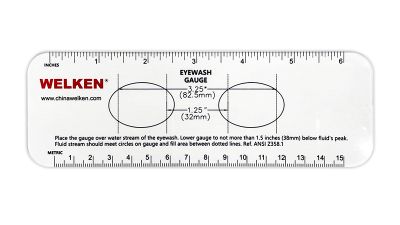
In 2024, workplace safety programs continue to place strong emphasis on rapid emergency response, reliable equipment, and documented inspections. Emergency eyewash and eye/face wash stations must be ready to provide immediate flushing when workers are exposed to dust, chemicals, or other irritants. ANSI Z358.1 offers practical performance criteria for water flow, spray pattern, accessibility, and testing. However, visual checks alone may not reveal whether both spray heads are aligned correctly or whether the streams provide adequate coverage.
The BD-501G Eyewash Testing Gauge is designed to support commissioning, periodic inspections, and routine maintenance. Made from clear acrylic, it fits over eyewash spray heads so installers and safety inspectors can quickly examine the water pattern, spread, and overlap. Its compact, lightweight design allows convenient use across manufacturing plants, laboratories, warehouses, and other industrial environments. Supplied directly by a China-based factory, this inspection gauge helps safety teams create consistent testing procedures, identify misaligned or obstructed spray heads, and maintain eyewash equipment in line with applicable ANSI-based requirements.
It flushes hazardous substances from both eyes immediately after exposure. Seconds matter. It does not replace protective eyewear, safe handling, or training.
Place it near chemical work areas, with a short, unobstructed path. Workers should see and reach it while wearing gloves or carrying containers.
Common types include plumbed units, portable gravity-fed units, and combination stations with emergency showers. Plumbed units suit frequent use. Portable units suit temporary or remote workplaces.
Many workplace guidelines require continuous flushing for at least 15 minutes. The fluid should reach both eyes gently and avoid causing further injury.
Flushing fluid should remain tepid, usually between 16°C and 38°C. Extremely hot or cold water may discourage use or cause additional harm.
Check nozzle covers, access routes, fluid expiration dates, water flow, temperature, and inspection records. Dust can hide problems. A clean-looking station can still fail.
Perform regular activation tests, replace expired fluid, and document every inspection. Keep nozzles protected, but remove covers that block emergency use.
Confirm chemical compatibility, mounting height, drainage, flow evidence, materials, and local workplace requirements. A corrosion-resistant bowl does not guarantee a reliable internal valve.
Staff should rehearse operation and report blocked access or design problems. Practice exposes weaknesses. Training should include removing contact lenses during flushing when appropriate.
Chemical Eyewash stations are essential emergency safety systems designed to quickly flush hazardous substances from the eyes after accidental exposure. This guide explains their purpose, common configurations, and critical features, including accessible activation, adequate water flow, protective covers, durable construction, and reliable drainage. It also outlines how to assess different models for laboratories, manufacturing areas, warehouses, and other workplaces where chemical hazards may exist.
For global buyers, the article presents ten leading types of Chemical Eyewash stations and explains how to compare them according to workplace risks, installation conditions, water supply, climate, and user access. It also reviews key international compliance considerations, along with practical requirements for installation, routine cleaning, performance testing, and maintenance. Finally, readers will learn how to evaluate suppliers, select suitable configurations, and calculate total ownership cost so they can choose a dependable, compliant, and long-term emergency response solution.